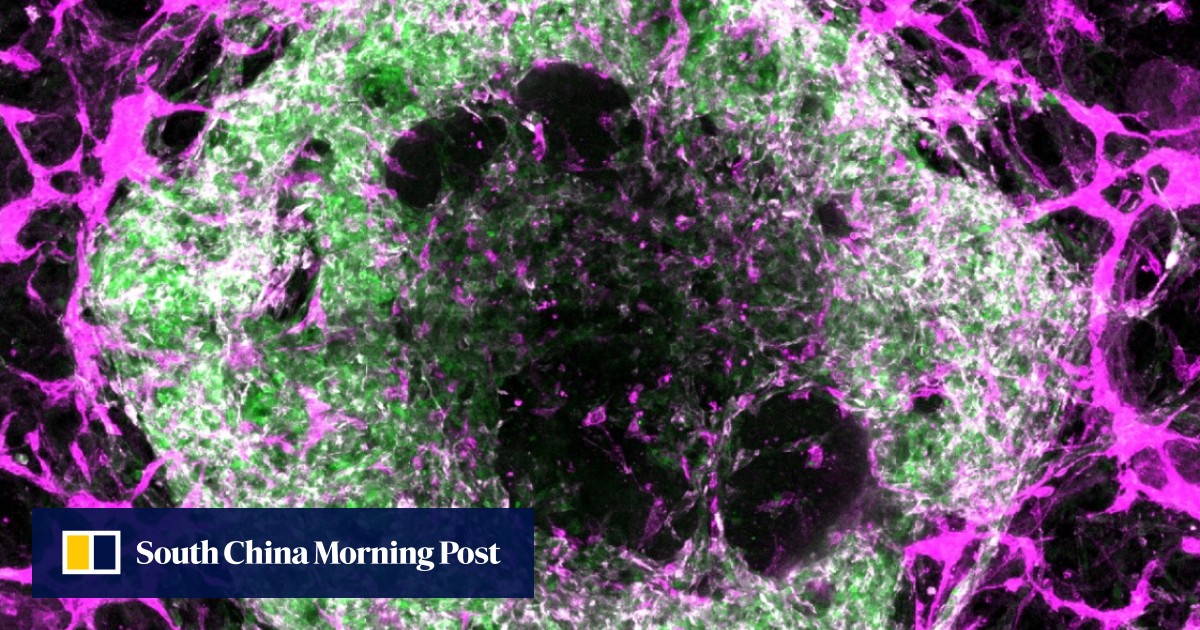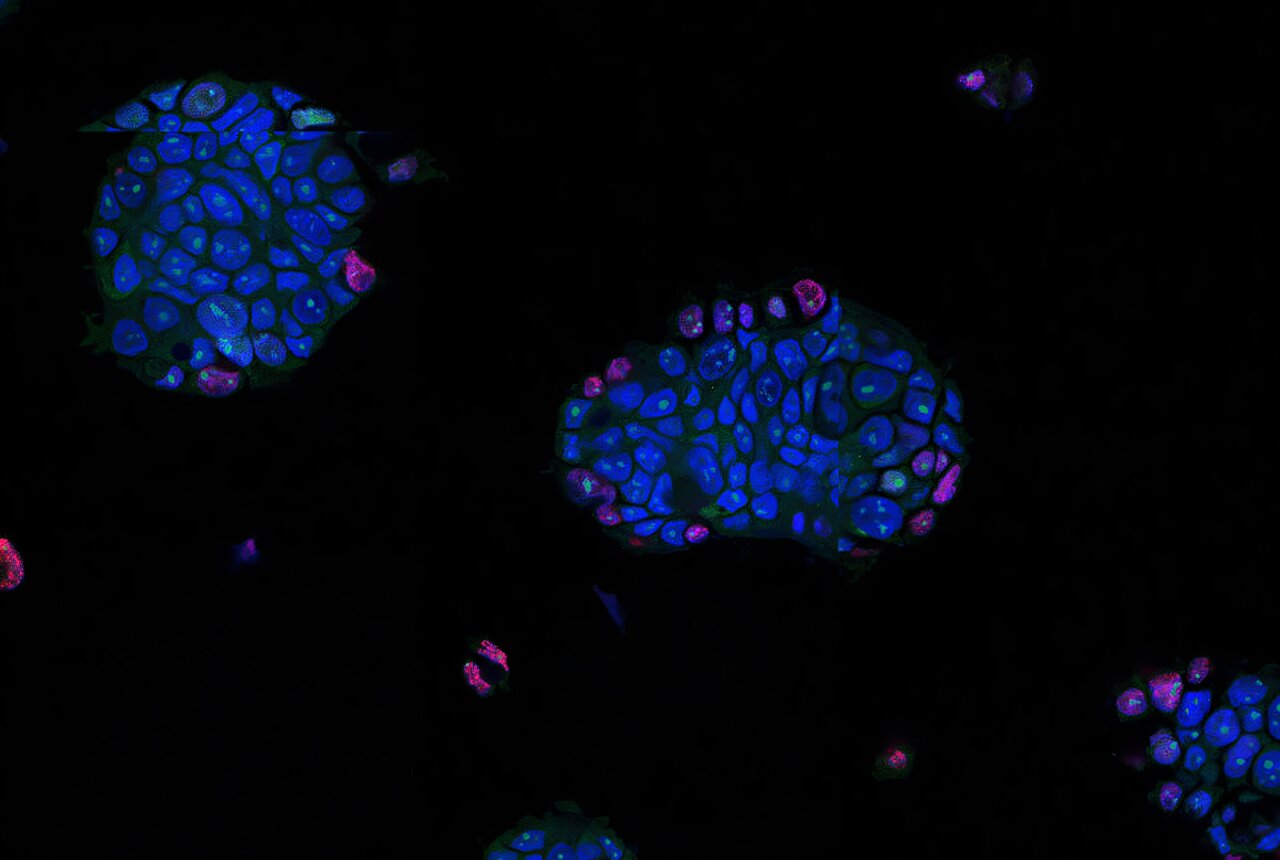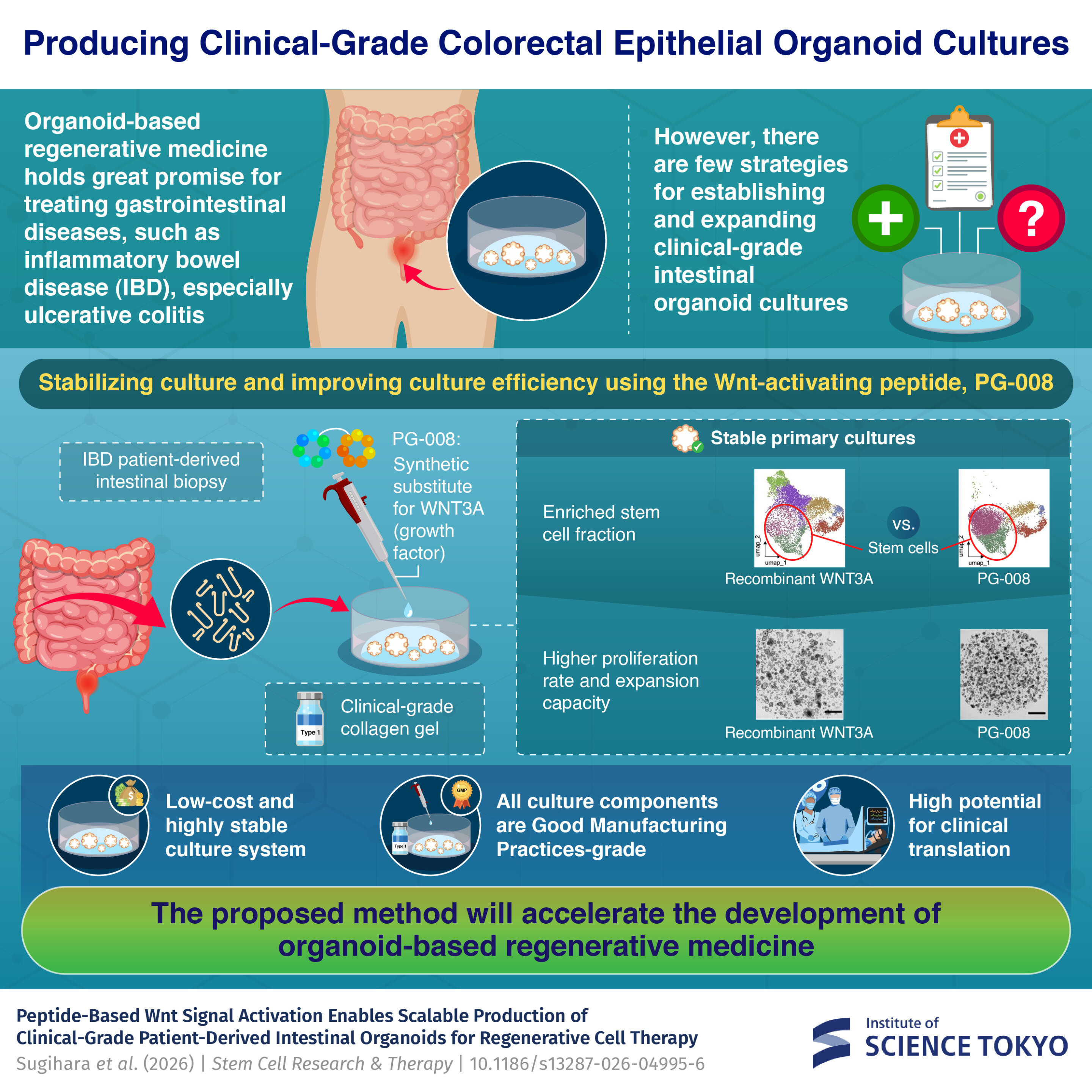
The proposed method will accelerate the development of organoid-based regenerative medicine. Credit: Institute of Science Tokyo
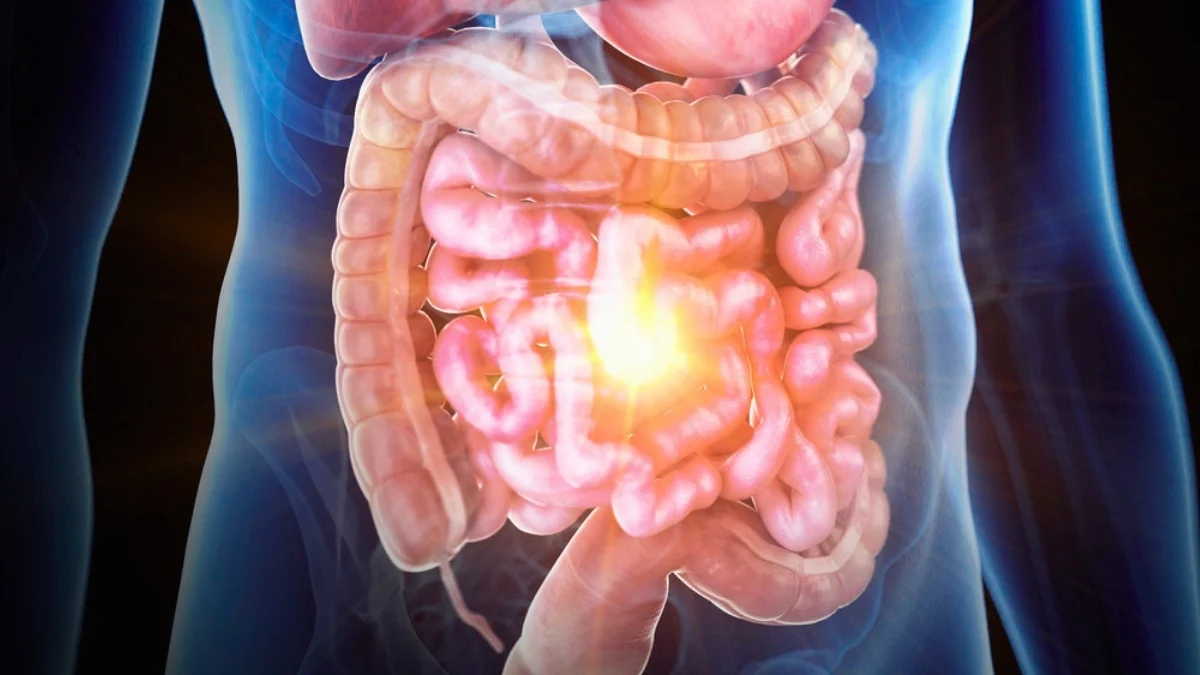
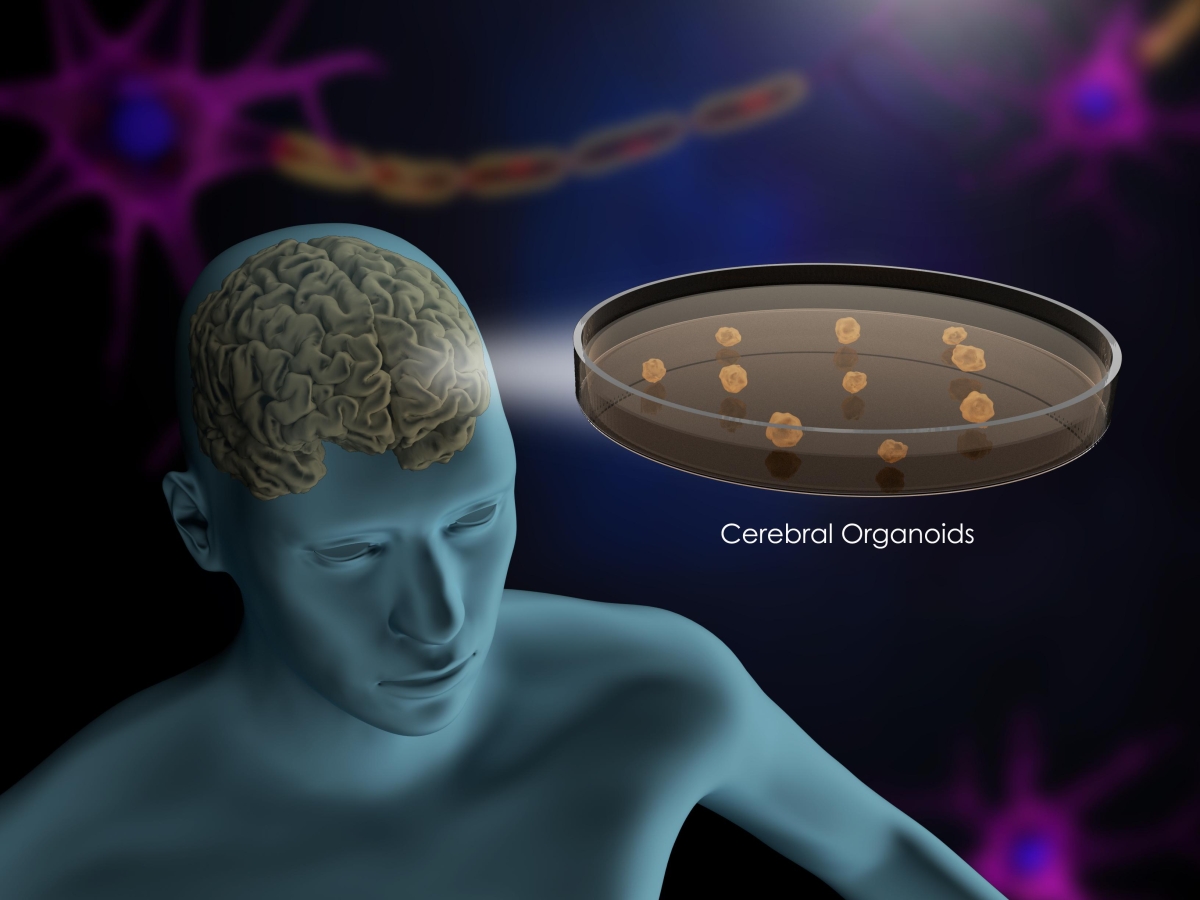
Inflammatory bowel disease (IBD) and other intestinal disorders affect millions of people worldwide, often causing lasting damage to the lining of the gut. In severe cases, this damage can become irreversible, leaving surgery as one of the few remaining treatment options. In recent years, however, regenerative medicine has emerged as a promising alternative approach, raising the possibility that damaged tissues could one day be repaired using a patient's own cells. Central to this vision are tiny three-dimensional replicas of human organs known as "organoids," which are grown from stem cells and can mimic important features of real tissues.
Despite their potential, intestinal organoids have largely remained confined to research laboratories. A major challenge in the field is that conventional organoid cultures rely on materials that are not suitable for clinical use in humans. Another problem involves WNT3A, a protein essential for culturing intestinal stem cells but one that is expensive and chemically unstable. These issues make it difficult to reliably produce the large numbers of cells needed for organoid-based regenerative therapies, creating a gap between experimental research and practical medical applications.