July 9th, 2026
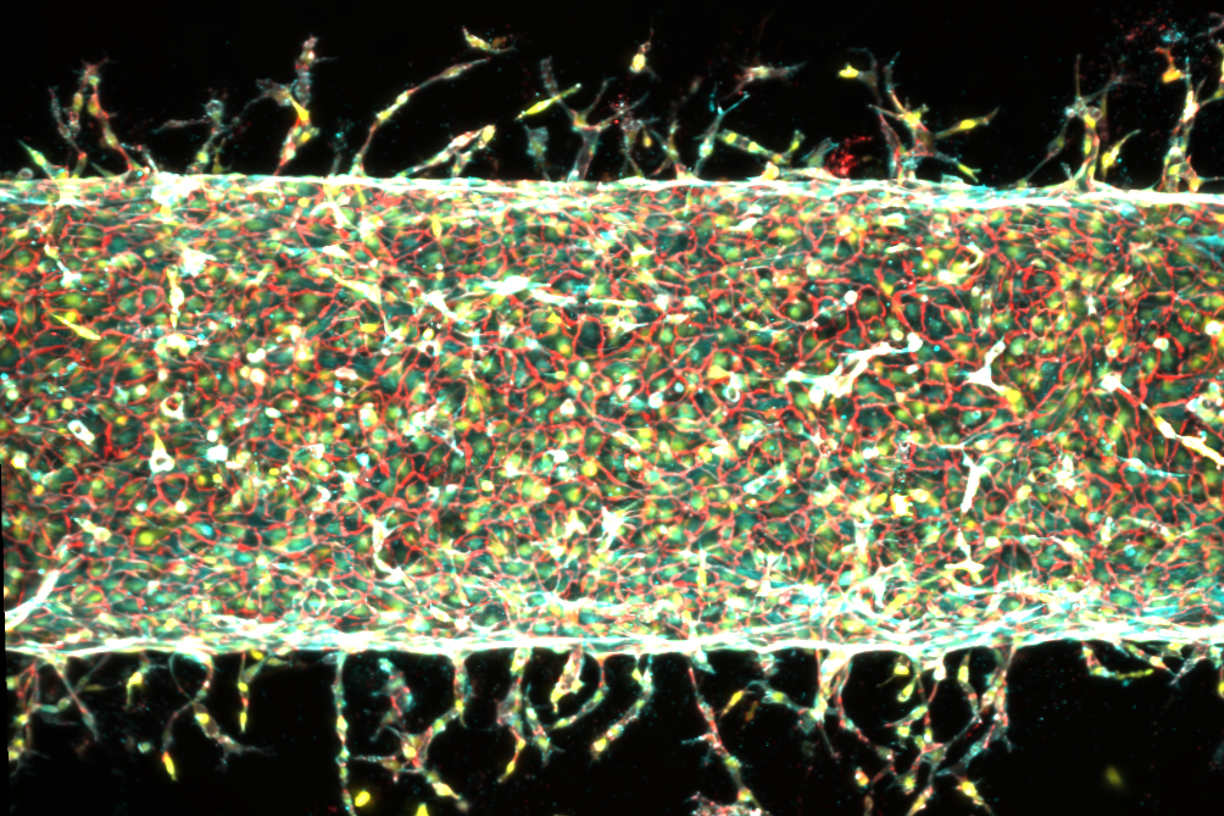
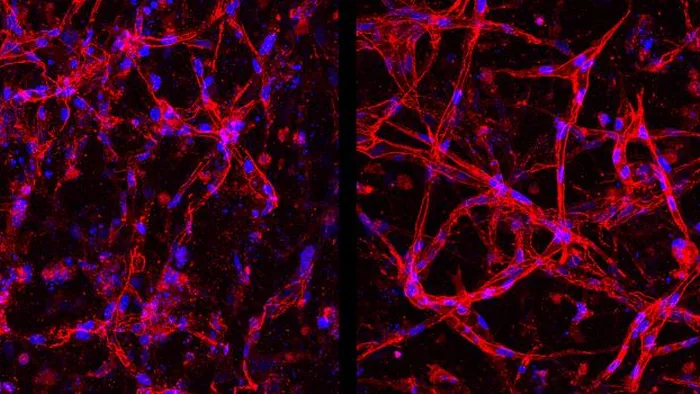
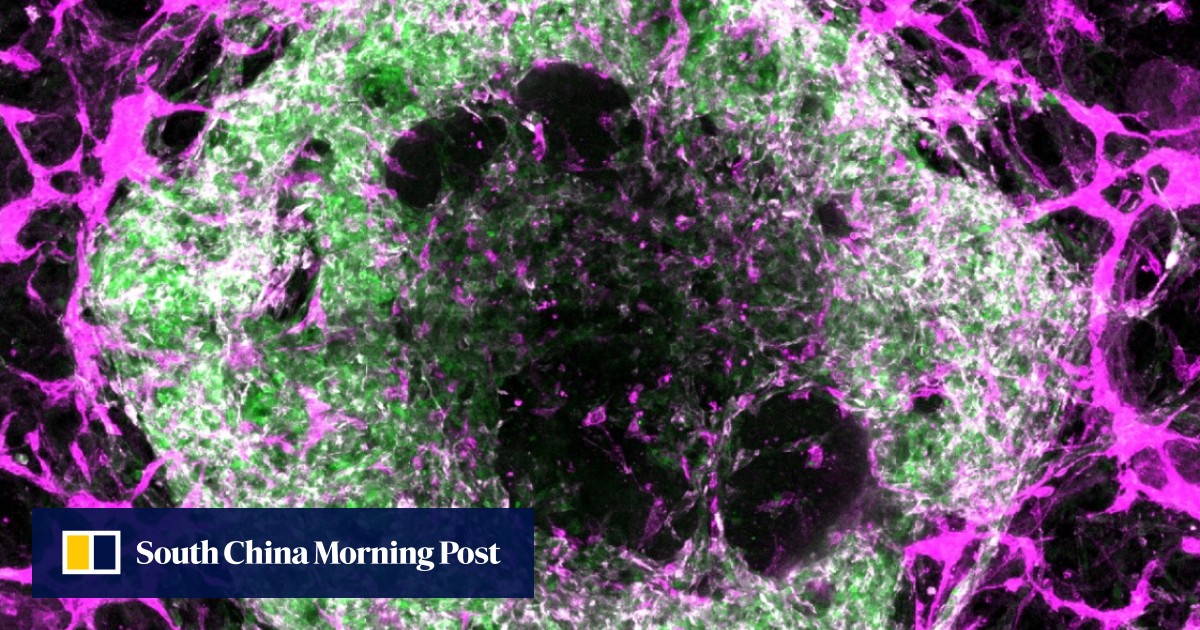
Researchers here describe an approach to encouraging regrowth of small vessels in heart tissue, involving transplantation of organoids composed of the various cell types needed to form new vessels. Like other cell therapy strategies for an injured or aged heart, delivery involves making a patch of pseudo-tissue that is layered onto the surface of the heart. The patch mimics enough of the function of a natural extracellular matrix to increase survival of transplanted cells. More generally, we might consider whether this sort of strategy would work for other tissues; loss of capillary density is a feature of aging throughout the body, and ways to restore a more youthful extent of capillary networks could be meaningfully beneficial.
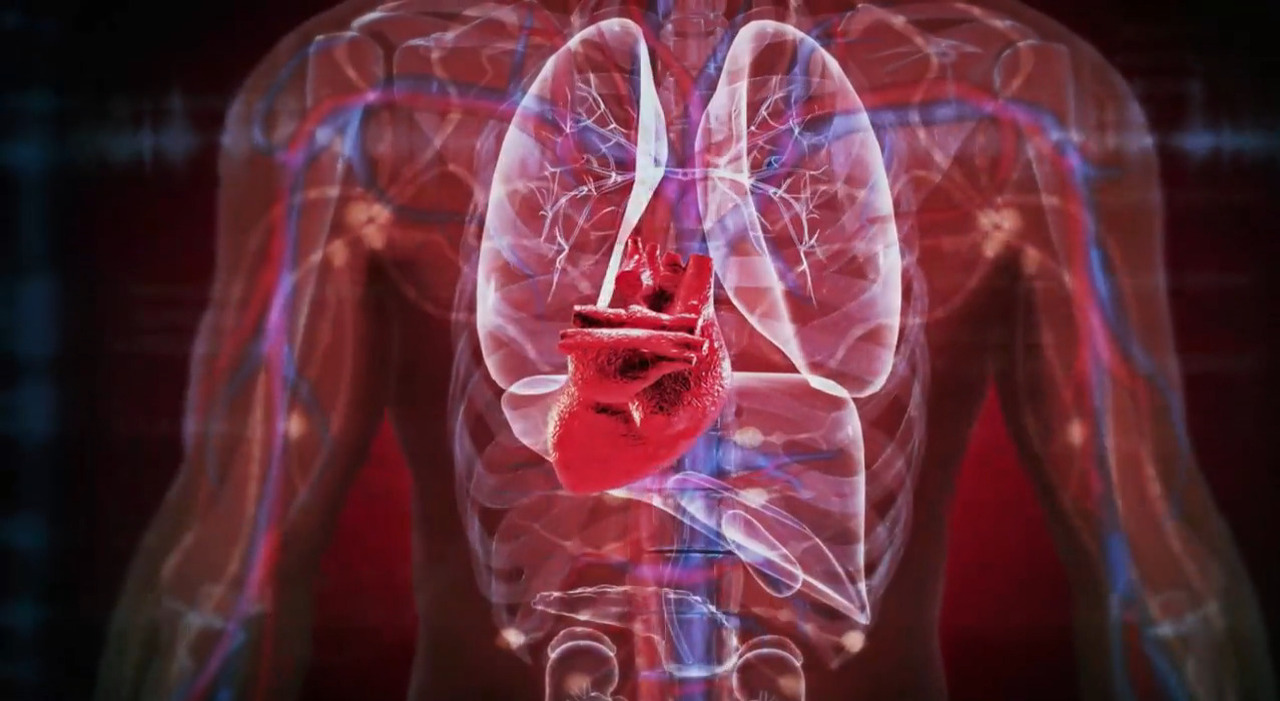
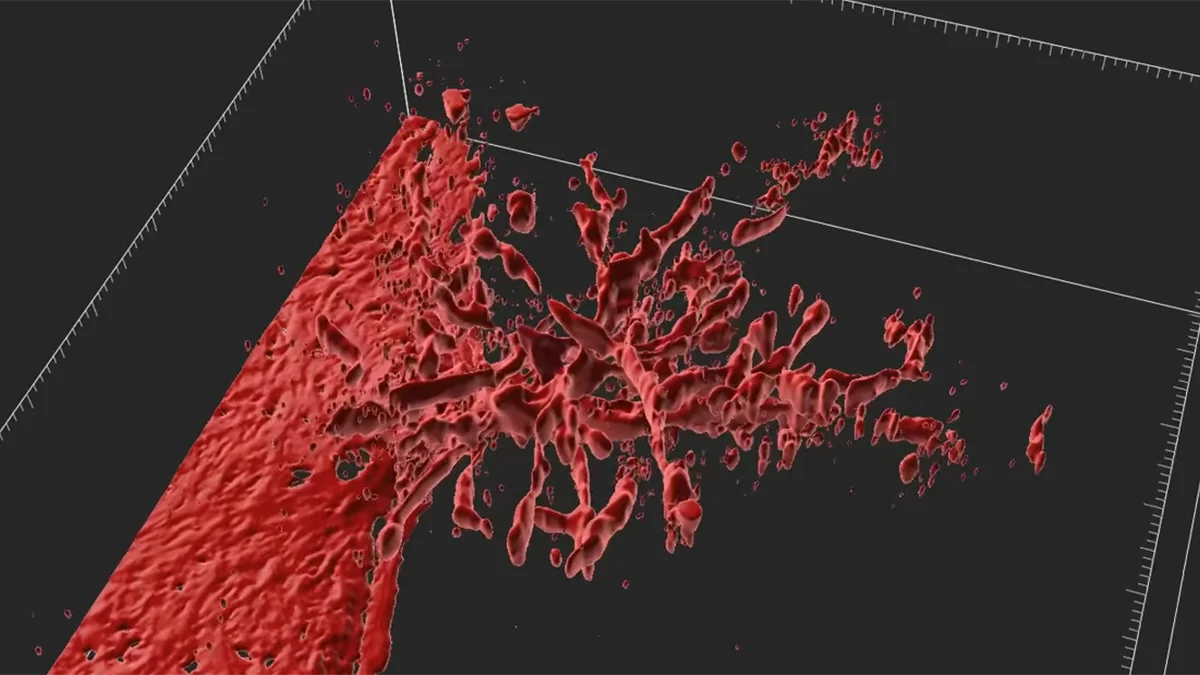
Ischemic heart disease (IHD), also known as coronary artery disease, is a leading cause of death and morbidity. IHD arises when blood vessels of the heart become clogged, blunting oxygen and nutrient supply to heart muscle cells, which eventually die off, leading to heart attack or heart failure. Although larger blood vessels can be replaced surgically to restore blood flow, there is currently no treatment targeting smaller blood vessels, so-called microvessels, which are essential for the uniform blood circulation within the heart muscle.