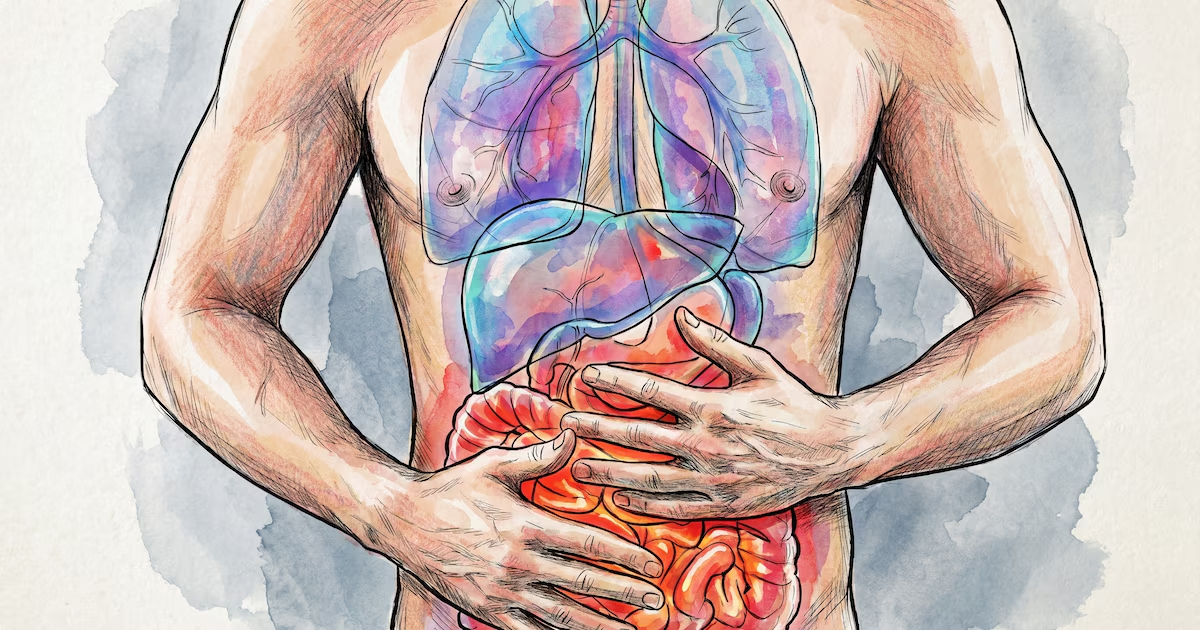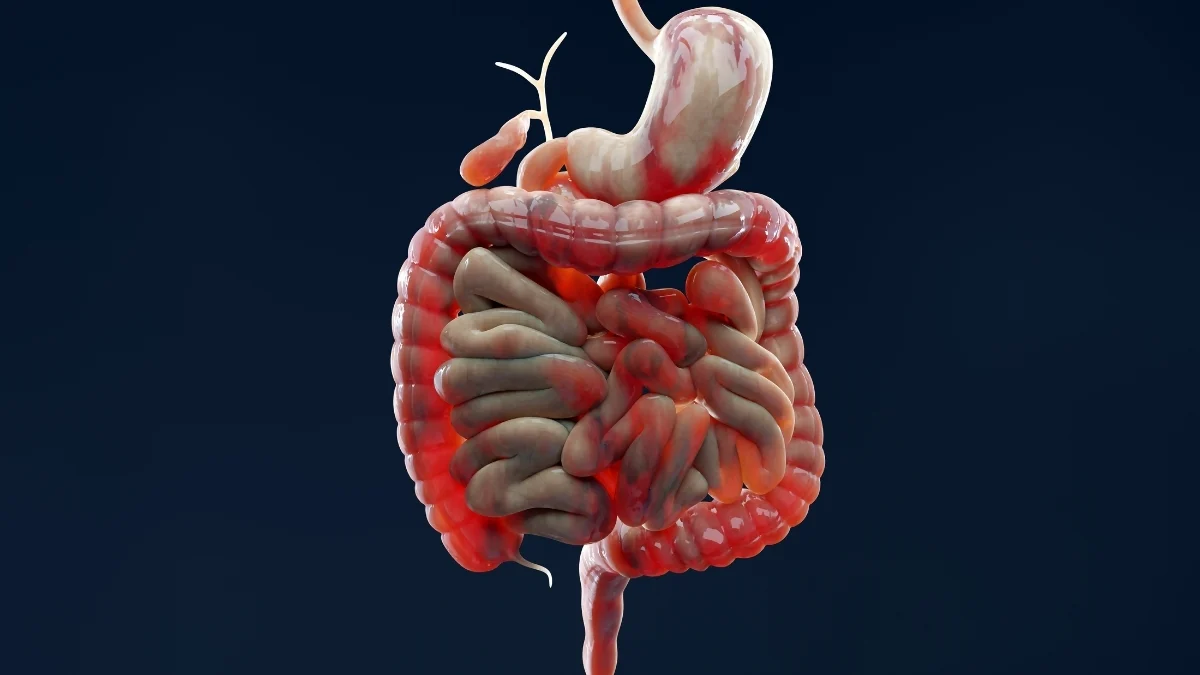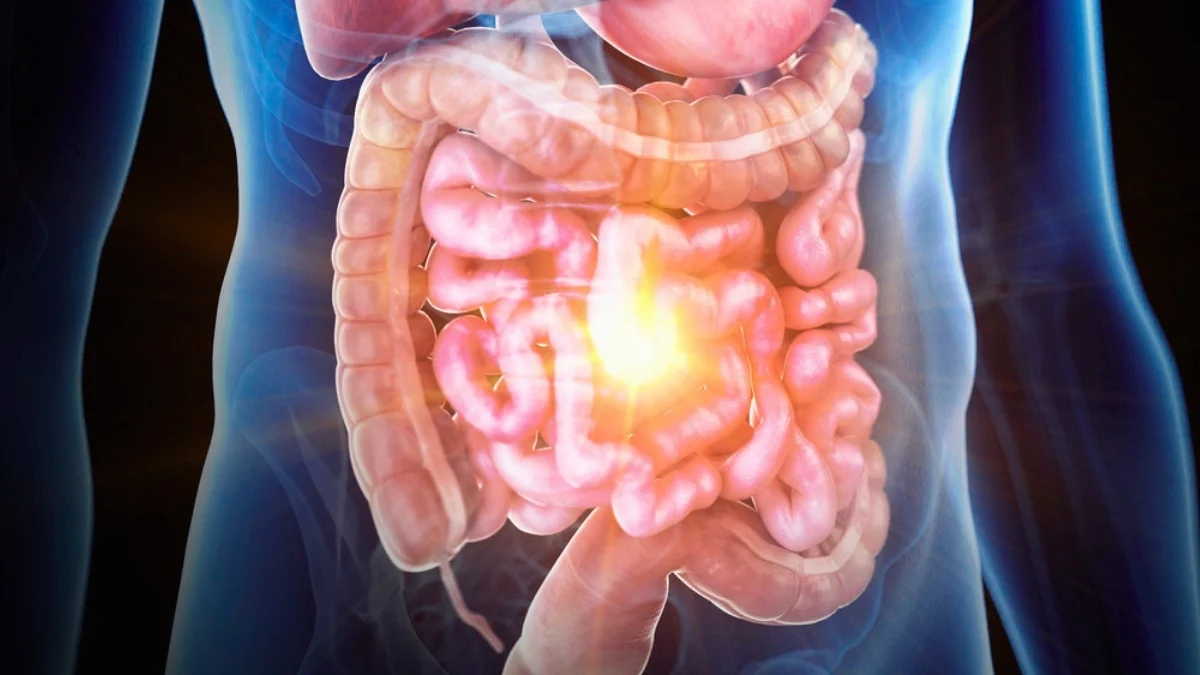
A computer illustration of an inflamed digestive system. (Science Photo Library/Canva)
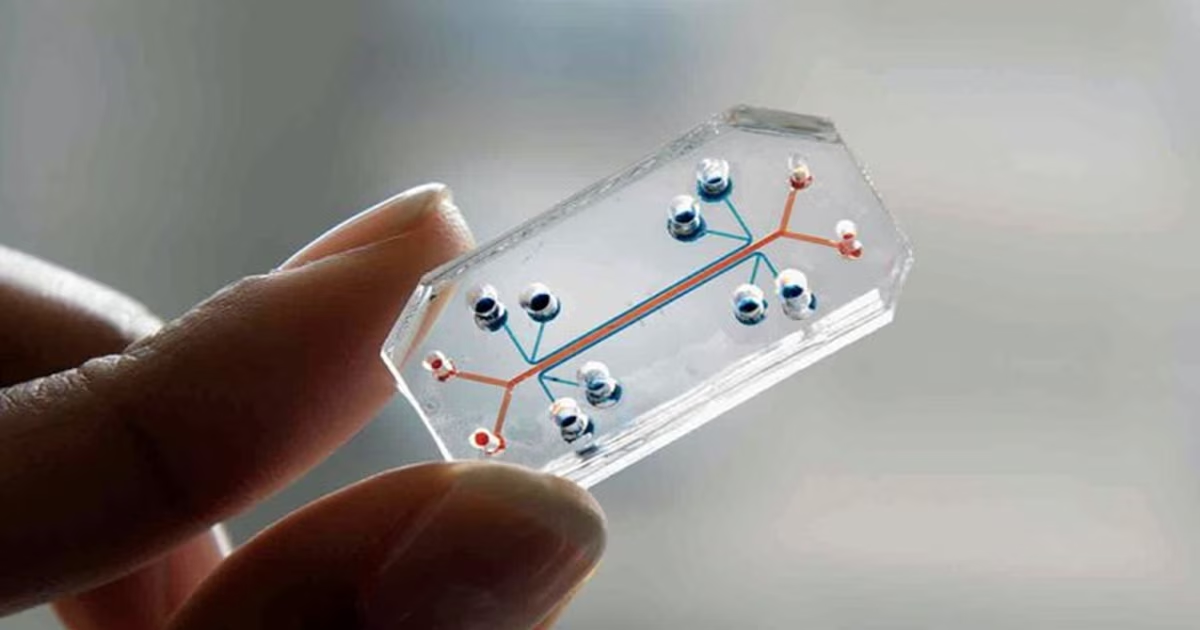
Inflammatory bowel disease affects millions of people worldwide, yet scientists still don't fully understand what drives the chronic inflammation that damages the gut. Although treatments can help control symptoms, exactly how the disease develops – and why it progresses differently from one patient to another – remains poorly understood.One of the biggest obstacles has been recreating the disease in the laboratory. Conventional cell cultures capture only isolated pieces of inflammatory bowel disease (IBD), while animal models often fail to faithfully mirror what happens in the human intestine.As a result, researchers have struggled to untangle how different cell types interact to drive inflammation, tissue damage, and the increased risk of colorectal cancer.Now, a study published in Nature Biomedical Engineering may help fill some of those gaps.Crohn's disease is an inflammation of the intestinal wall, and one of the two main types of IBD. (CDC)Researchers created what may be the most complete human model of IBD on a chip yet, using cells donated by patients with Crohn's disease and ulcerative colitis, the two main types of IBD."To my knowledge, this is the first model that has recapitulated in vitro the disease exacerbations that pregnant women with IBD often can experience," says first author Alican Özkan, a bioengineer at Harvard University."Perhaps even more importantly, we showed that our system enables studying the earliest stages of cancer formation within human tissues growing in an organ-relevant context in vitro."Unlike conventional laboratory models, the miniature device called a 'Colon Chip' recreates many of the disease's key features at once, allowing scientists to study interactions that have long been difficult to observe.