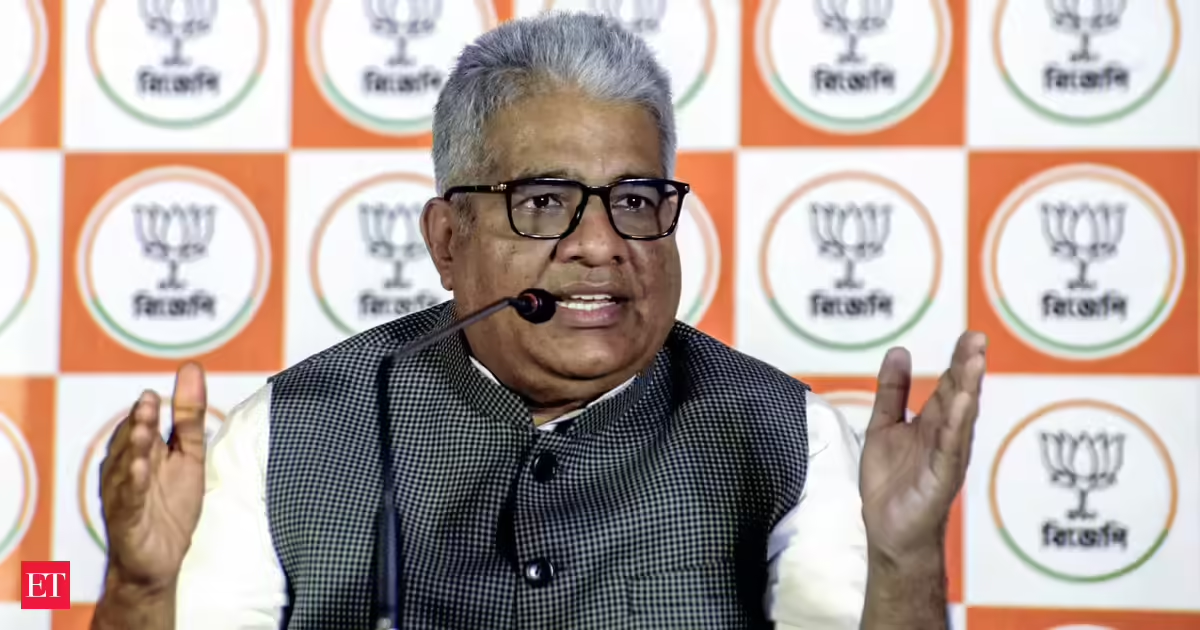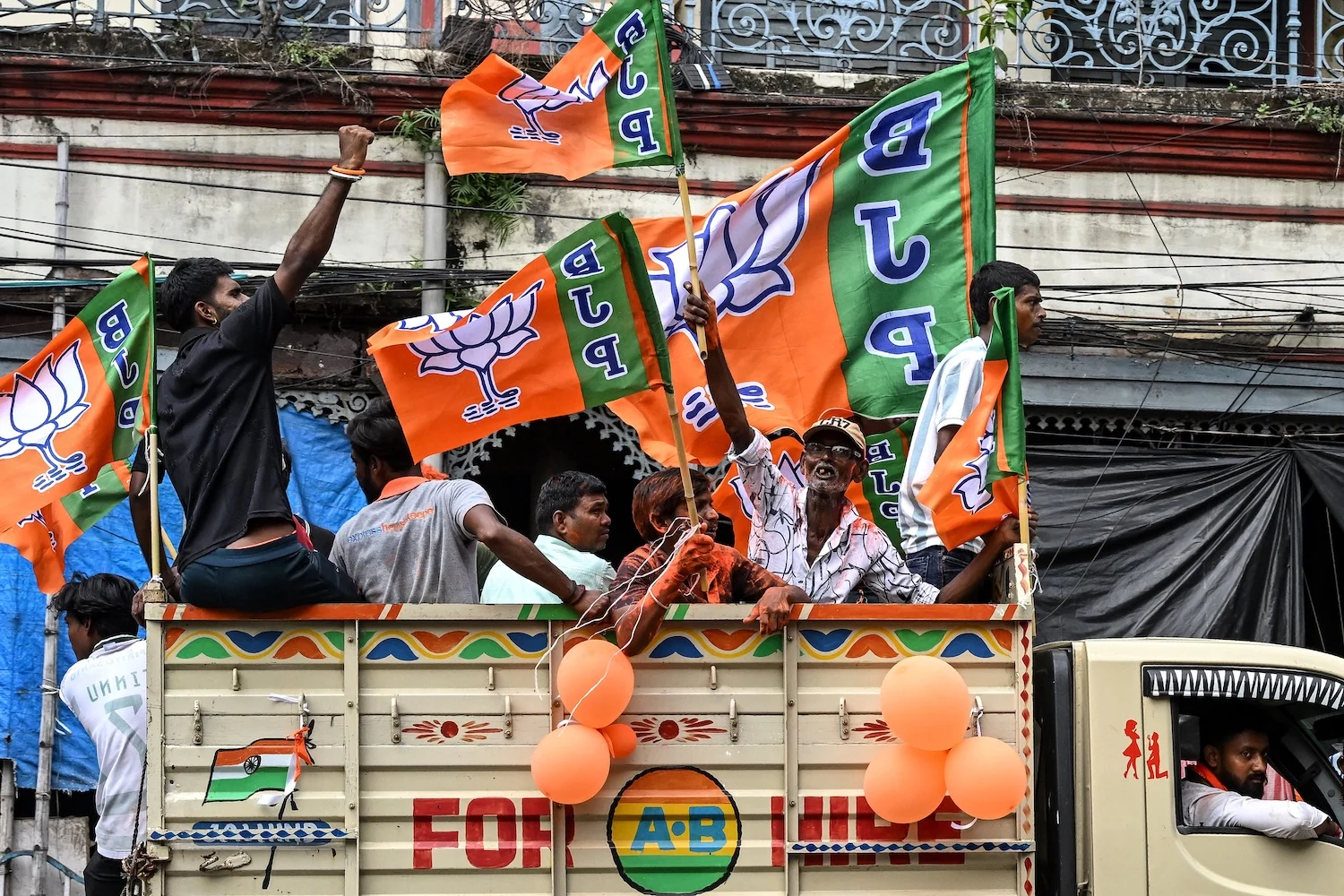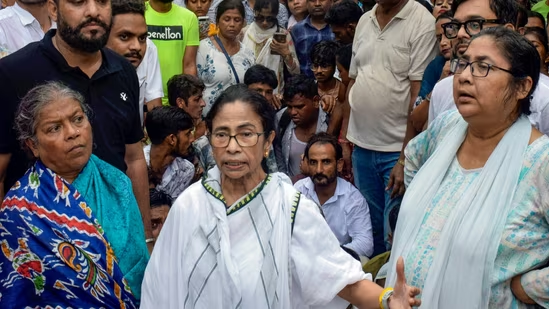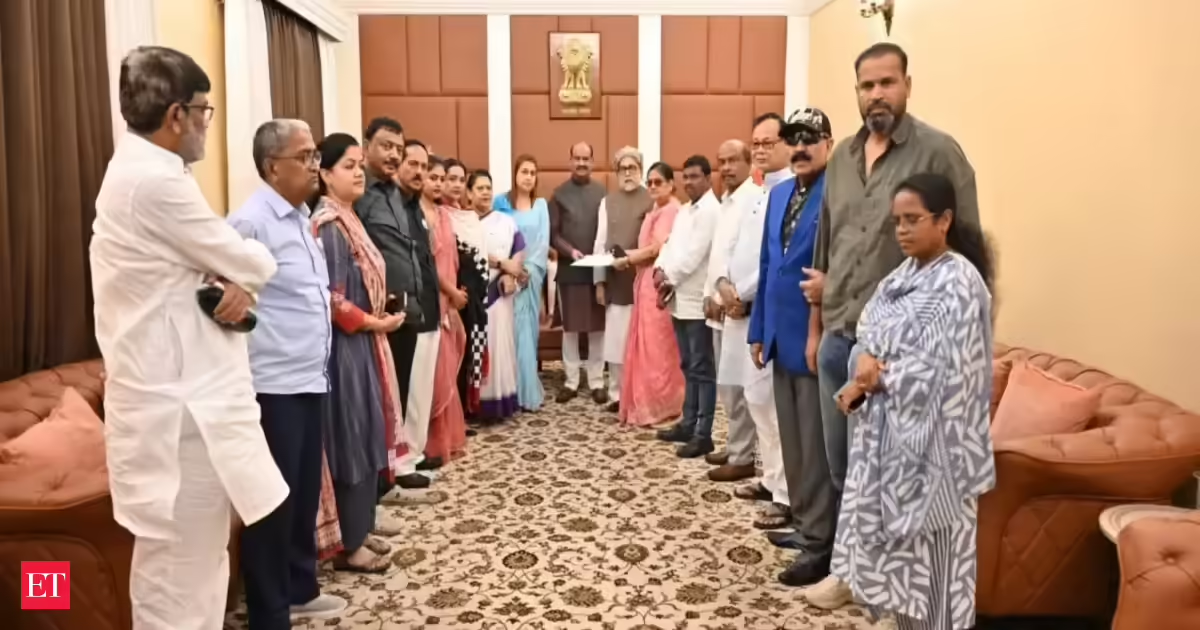
In one of the most remarkable political developments in recent decades, the Trinamool Congress (TMC), one of the major forces in the opposition INDIA bloc, collapsed in just about a month after it lost the West Bengal legislative election to Prime Minister Narendra Modi’s Bharatiya Janata Party (BJP).
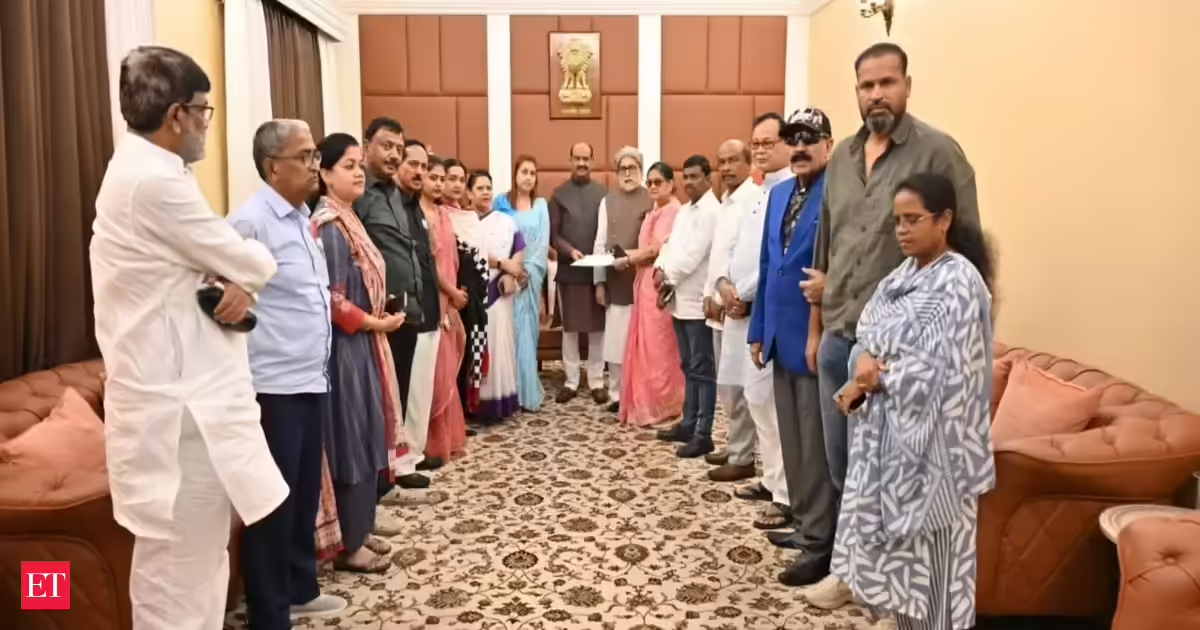
Twenty TMC parliamentarians have aligned with the BJP-led National Democratic Alliance (NDA), helping the Modi government gain numbers at a time when they are desperately seeking a two-thirds majority in the parliament. A two-thirds majority allows for constitutional amendments, which the BJP wants to carry out on several contentious issues like redrawing parliamentary constituency boundaries and simultaneous elections for parliament, state assemblies, and local self-governments.
While the NDA has inched closer to a two-thirds majority in the Rajya Sabha, the upper house of parliament, the TMC rebels’ support brings their strength to 313 in the lower house, the Lok Sabha. This is still short of the 362 seats it needs to amend the constitution.
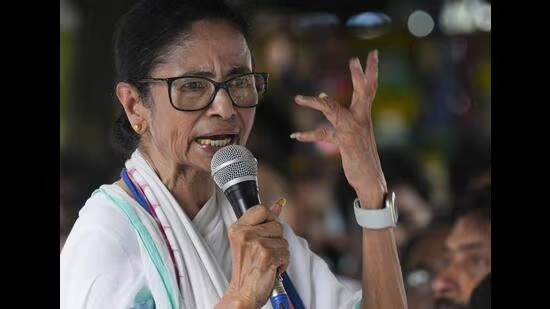
Founded in 1998 by Mamata Banerjee, a firebrand streetfighter politician, the TMC governed West Bengal from 2011 to 2016 with a 63 percent majority and from 2016 to 2026 with a 73 percent majority in the state legislative assembly. It was India’s strongest regional party; no regional party has been able to wield the clout TMC did in West Bengal, or in opposition politics. Indeed, the TMC exercised immense influence on India’s foreign policy vis-à-vis Bangladesh.