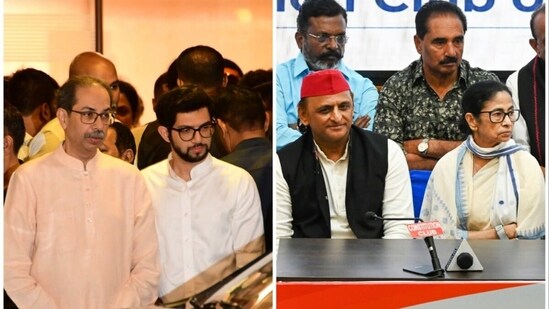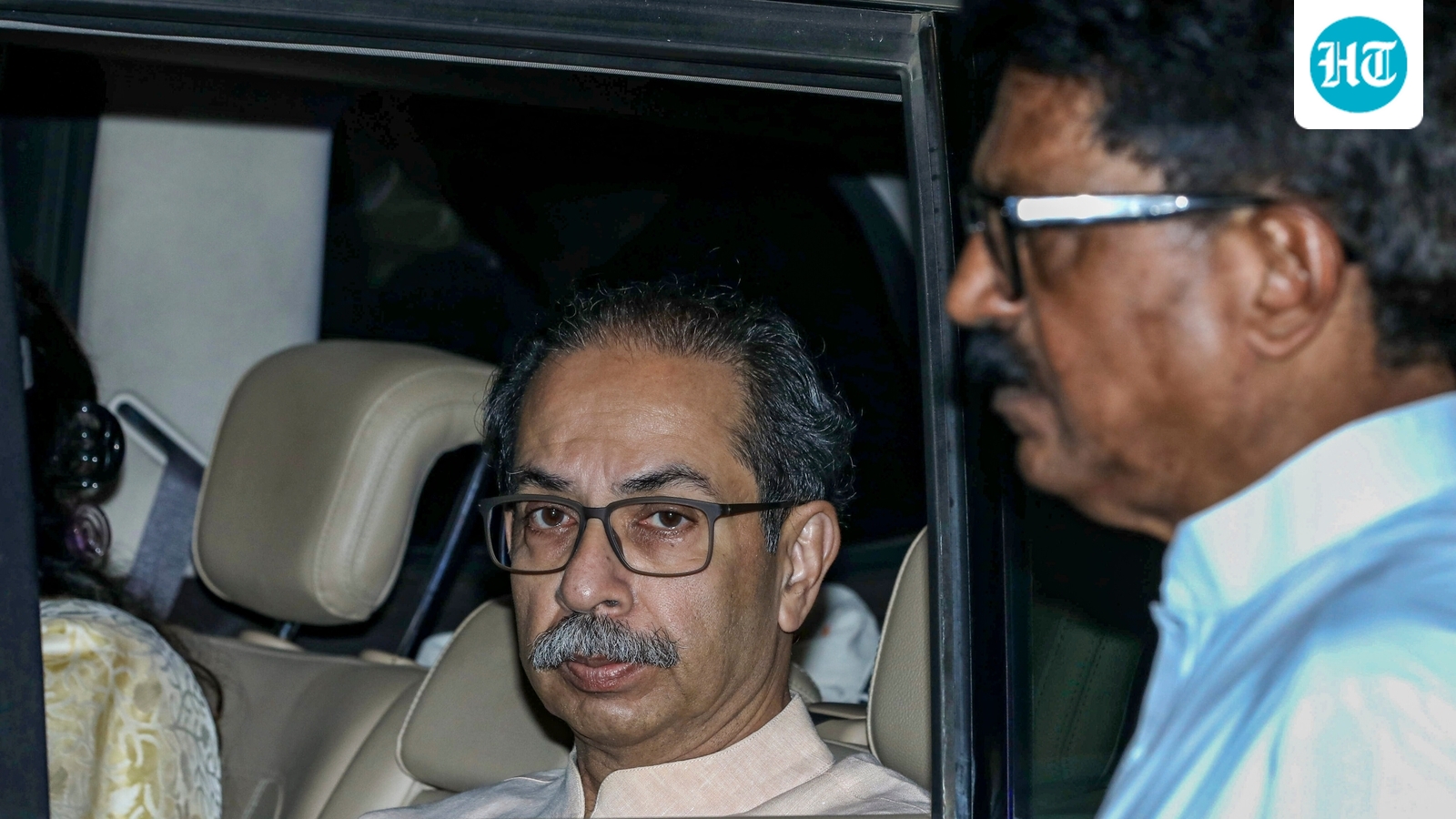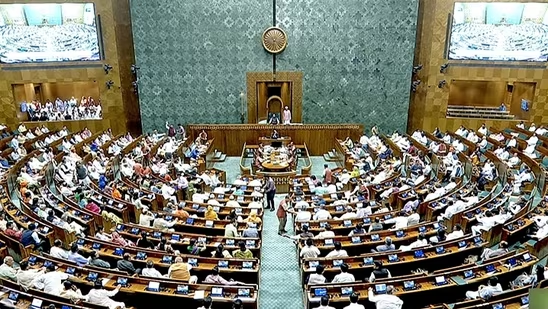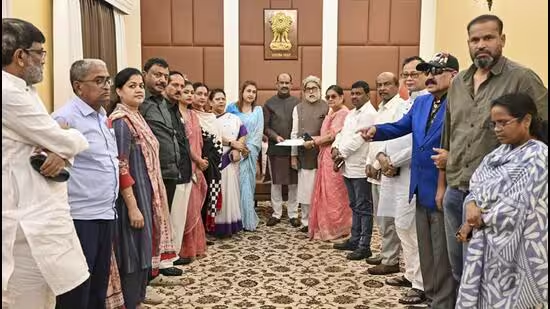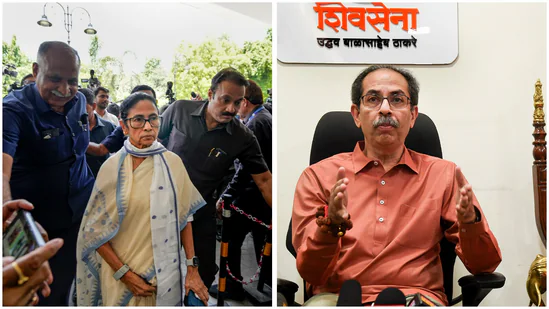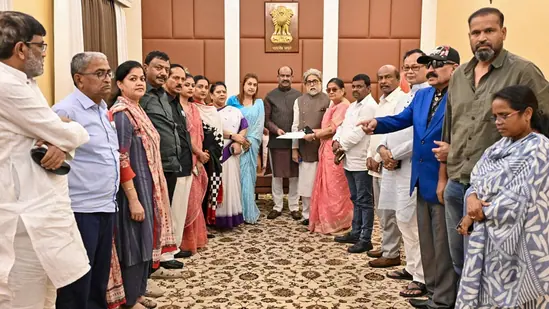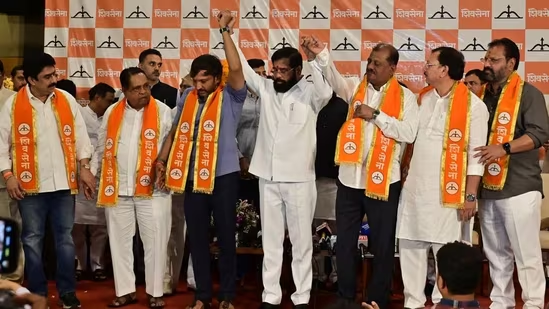
New Delhi: The emergence of a breakaway Trinamool Congress faction and the latest defections from Shiv Sena (UBT) could gradually alter the balance of power within NDA, reducing the coalition's dependence on its two most influential allies - Telugu Desam Party and Janata Dal (United) - both of which had walked out of the BJP-led alliance at different points during the Narendra Modi era.The significance of these developments lies less in numbers and more in what they mean for coalition management as allies are being domesticated by BJP. When BJP was reduced to 240 seats in the 2024 Lok Sabha polls, TDP and JDU emerged as indispensable partners for government formation. Their support not only ensured NDA's return to power but also reshaped NDA.Also read: Shiv Sena (UBT) issues whip to MPs amid split speculationThe political lexicon itself shifted, with references to the "Modi government" increasingly giving way to the "NDA government" - an acknowledgement of the new coalition reality. The change was also reflected in policy priorities. The first budget of NDA 3.0 was widely viewed as carrying a strong Andhra-Bihar imprint.Andhra received commitments on capital development, industrial corridors, infrastructure and the long-pending Polavaram project while Bihar secured a series of announcements relating to infrastructure, flood management, connectivity and economic development.The message was clear: BJP was prepared to accommodate the aspirations of allies whose support had become critical. Two years later the arithmetic appears to be shifting. Six Shiv Sena (UBT) MPs joining the Shinde-led Sena could raise its strength to 14. Combined with the 20-MP TMC split joining NCPI, it bolsters a growing ecosystem of BJP-backed allies that draw their political heft from the ruling party.Their rise broadens BJP's support ecosystem and gives it greater flexibility in managing alliance politics.JDU, meanwhile, appears less assertive than it did immediately after the 2024 verdict. With Nitish Kumar increasingly stepping back from day-to-day political management and a transition underway within the party, many in NDA view it as more firmly embedded within the coalition framework than at any point in recent years.The developments come against the backdrop of intense buzz over a possible Union Cabinet reshuffle. With BJP gaining greater parliamentary comfort by expanding NDA-aligned numbers, the latest defections are likely to be viewed by allies through the prism of influence, representation and bargaining power within the coalition.Also read: Shiv Sena (UBT) MPs Sanjay Raut, Anil Desai & Arvind Sawant meet Om Birla amid defection buzz, submit letterThat does not diminish the importance of TDP and JDU. Any constitutional amendment, including a future delimitation exercise, would require a two-thirds majority, ensuring that major allies remain indispensable. Yet, the emergence of new NDA-aligned blocs suggests that BJP is creating additional support centres, reducing its vulnerability to pressure from any single ally.For allies that became indispensable after 2024, the message is subtle but significant: While their support remains crucial, their exclusivity may no longer be what it once was.
As Shiv Sena, TMC splits swell NDA ranks, TDP and JDU lose some of their bargaining chip
New political shifts are reshaping the NDA coalition. Defections from Shiv Sena (UBT) and a breakaway Trinamool Congress faction bolster BJP-backed allies. This development reduces the coalition's reliance on major partners like TDP and JD(U). The BJP is building a broader support base, offering greater flexibility in alliance management. While key allies remain important, their exclusive influence may be diminishing.
486 words~2 min read