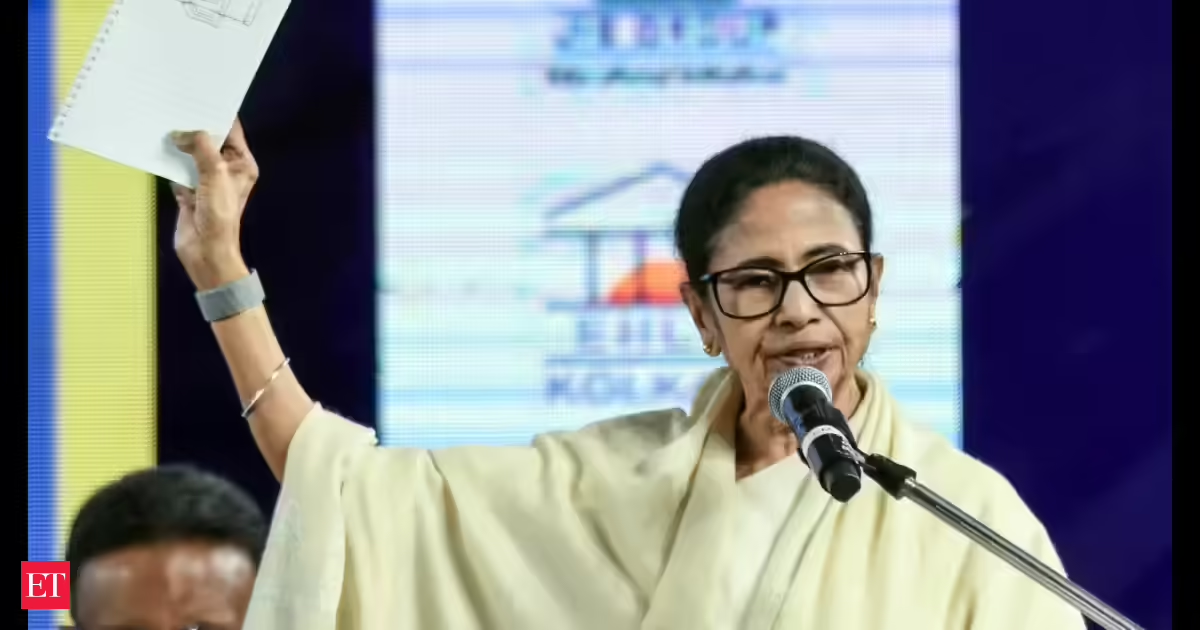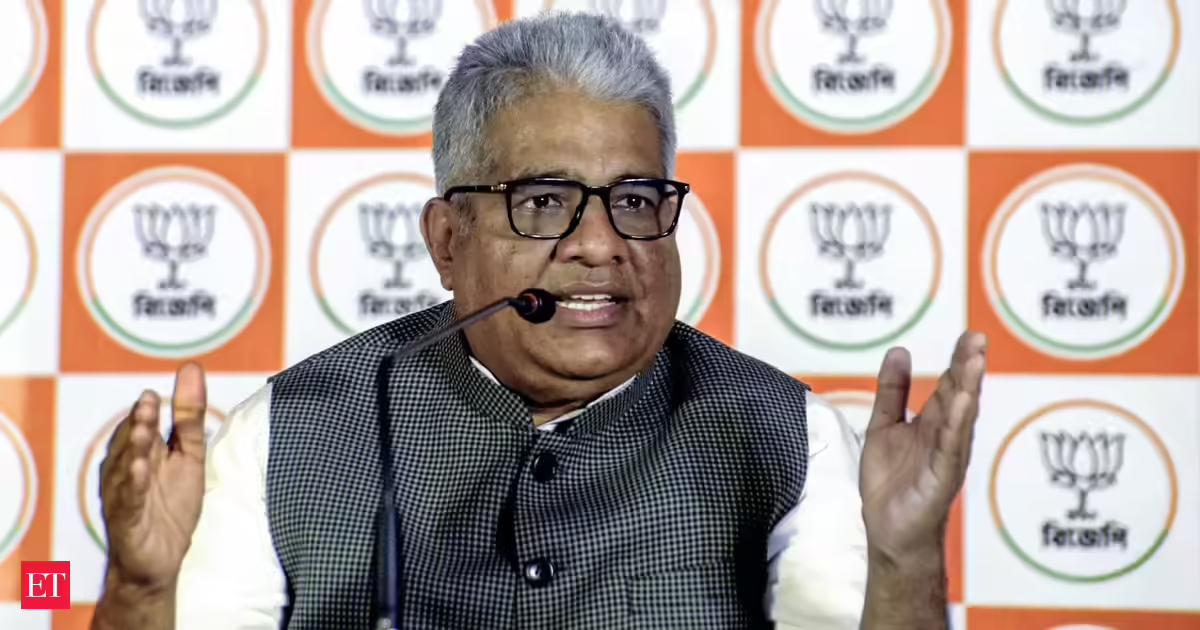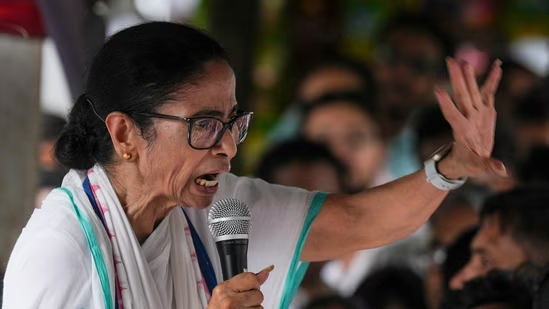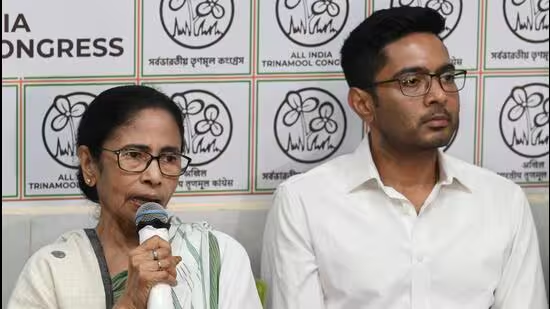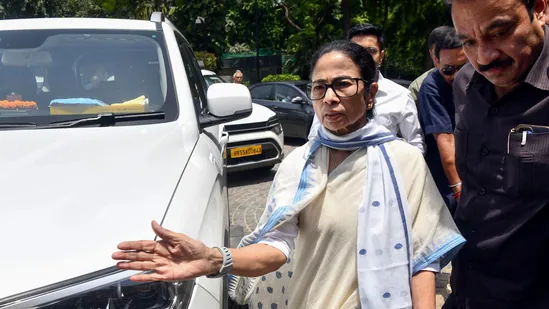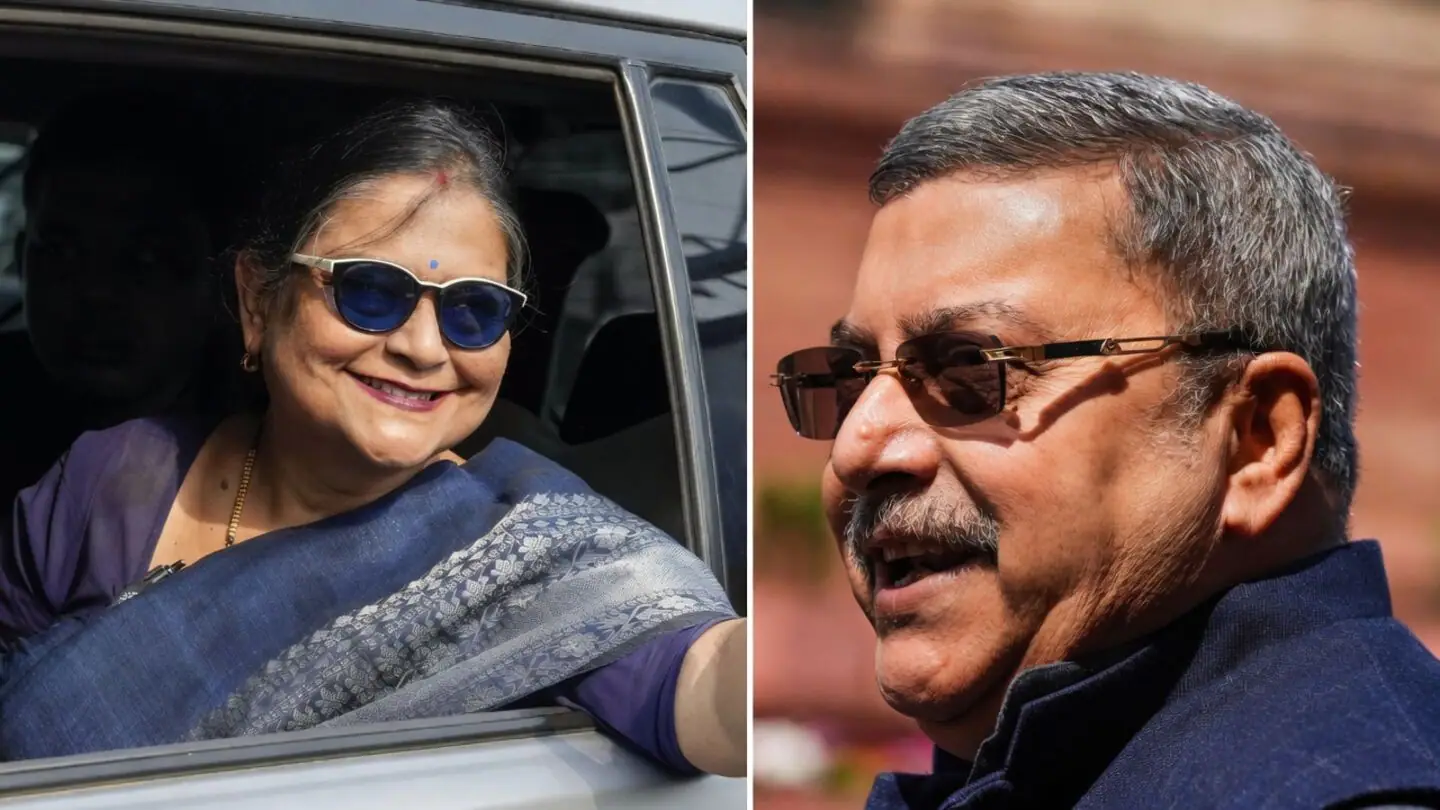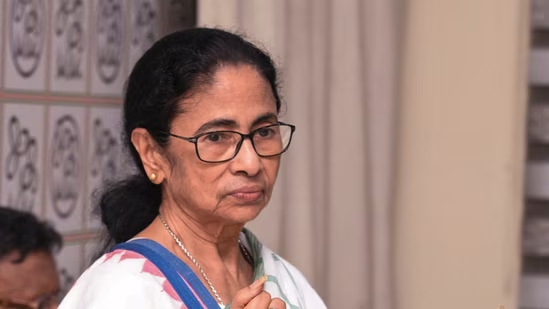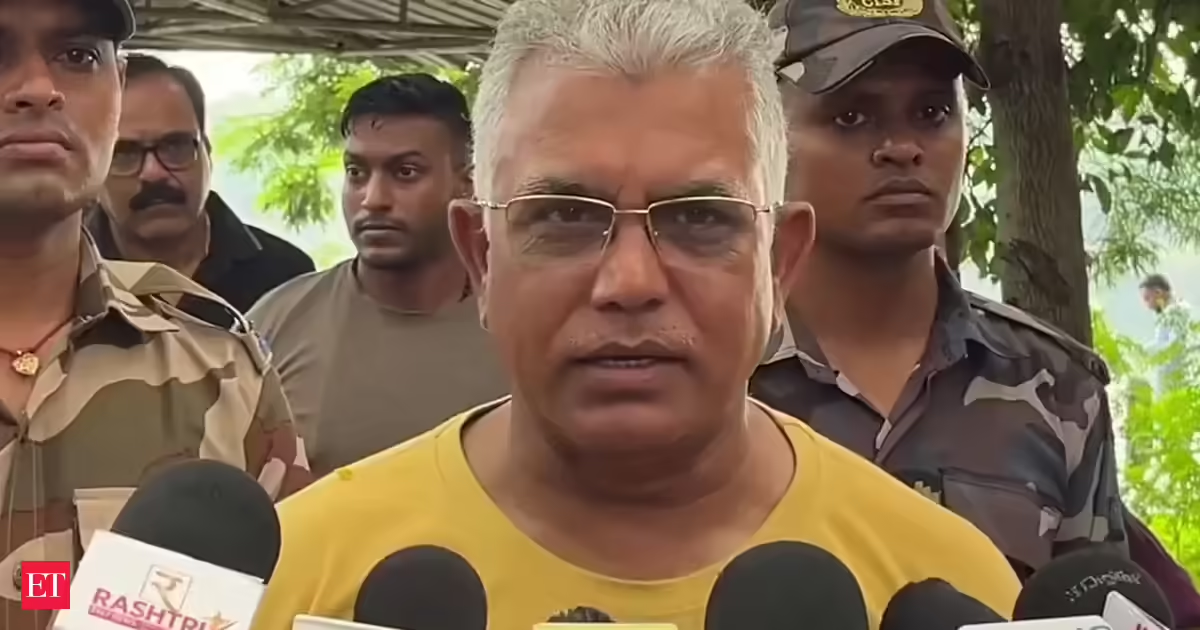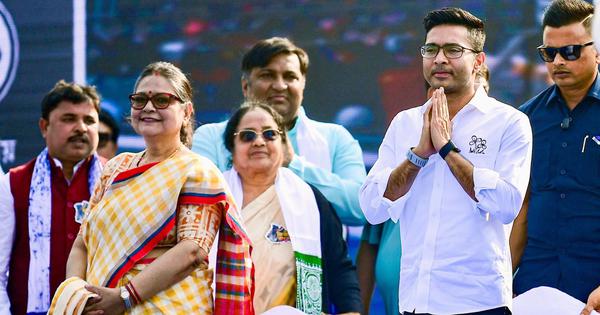
“The more you torture us in Bengal, the more problems you will face in Delhi,” former West Bengal Chief Minister Mamata Banerjee had warned the Bharatiya Janata Party on May 24. The Trinamool Congress chairperson was making her first public comments after her party lost West Bengal to the BJP as workers of her organisation were bearing the brunt of post-poll violence.In the two weeks since then, though, it is the Trinamool whose problems have compounded, both in Bengal and Delhi. A majority of the party’s 80 MLAs defied Banerjee last week by choosing their own leader of opposition in the West Bengal Assembly. Media reports put their number at 58. On Monday, Trinamool MPs in the Lok Sabha broke into two groups.MP Kakoli Ghosh Dastidar, a veteran leader of the party, told reporters in Delhi that as many as 20 of the Trinamool’s 28 Lok Sabha MPs had decided to ally with the BJP-led National Democratic Alliance to work for the state’s “development”. Banerjee’s party is the third-largest constituent of the Indian National Developmental Inclusive Alliance and has been a fierce opponent of the BJP for years.The leading faces of this rebellion within the Trinamool have trained their guns on the party’s national general secretary, Abhishek Banerjee, who is the nephew of Mamata Banerjee. They blame him for killing inner-party democracy and accuse him of large-scale corruption that supposedly made the Trinamool unpopular.However, others in the party allege that the BJP has engineered the split by luring defectors and using the investigative agencies to threaten them.Both sides might be understating the importance of a third factor behind the collapse: the gradual decline of the party’s organisational structure.In the name of dynastySoon after the results of the West Bengal Assembly elections trickled in on May 4, a host of Trinamool politicians began to blame Abhishek Banerjee for the party’s poor performance. They faulted him for purportedly sidelining leaders who had stayed with the Trinamool through thick and thin and using the political consultancy firm, Indian Political Action Committee, to control the party.This line of criticism echoed what Trinamool politicians who had switched over to the BJP previously had said about the party, sparking speculation about a fresh wave of defections from the Trinamool. The conjecture only intensified after the controversy over the appointment of the leader of opposition in the West Bengal Assembly.Though the Trinamool was legally entitled to pick someone for the post, its choice of the octogenarian politician Sobhandeb Chattopadhyay for the role did not immediately receive the BJP-appointed speaker’s approval.Soon, two MLAs from the party claimed that they had not signed the letter nominating Chattopadhyay for the position. The state police, which now reported to the BJP government, even opened a forgery investigation based on their claims. On Tuesday, the West Bengal Criminal Investigation Department raided Mamata Banerjee’s house in connection with this case.On June 3, these two MLAs held a meeting with several other Trinamool MLAs in which they decided that one of them, Ritabrata Banerjee, would become the leader of opposition. This time, the speaker promptly accepted the choice.The party has moved the Calcutta High Court against this appointment.
Why the Trinamool Congress is collapsing like a house of cards
The rebels blame dynastic control, while the loyalists accuse the BJP of wrongdoing. Both are understating the importance of a third factor.
1,104 words~5 min read