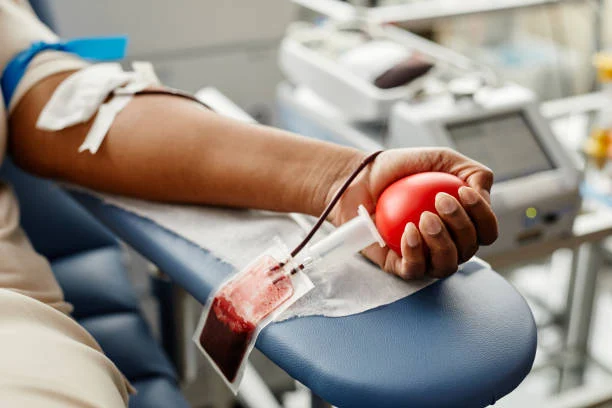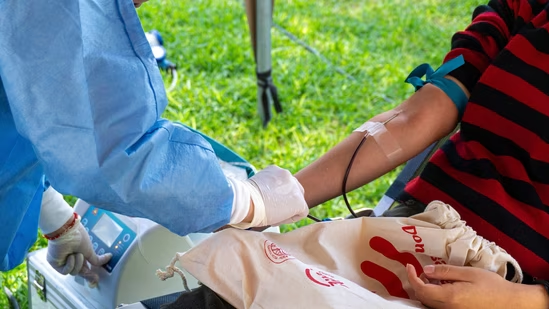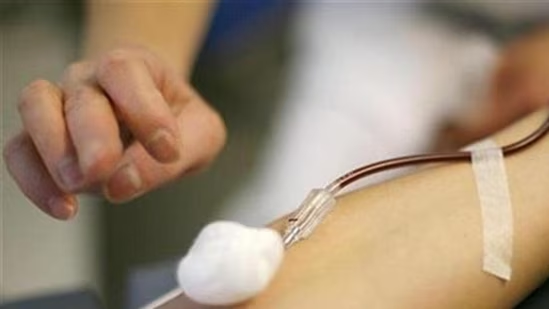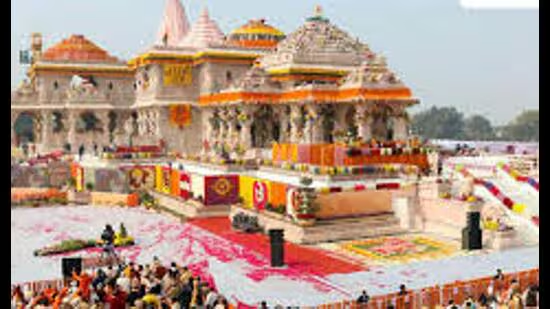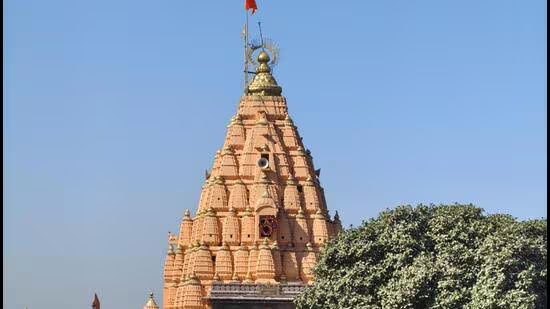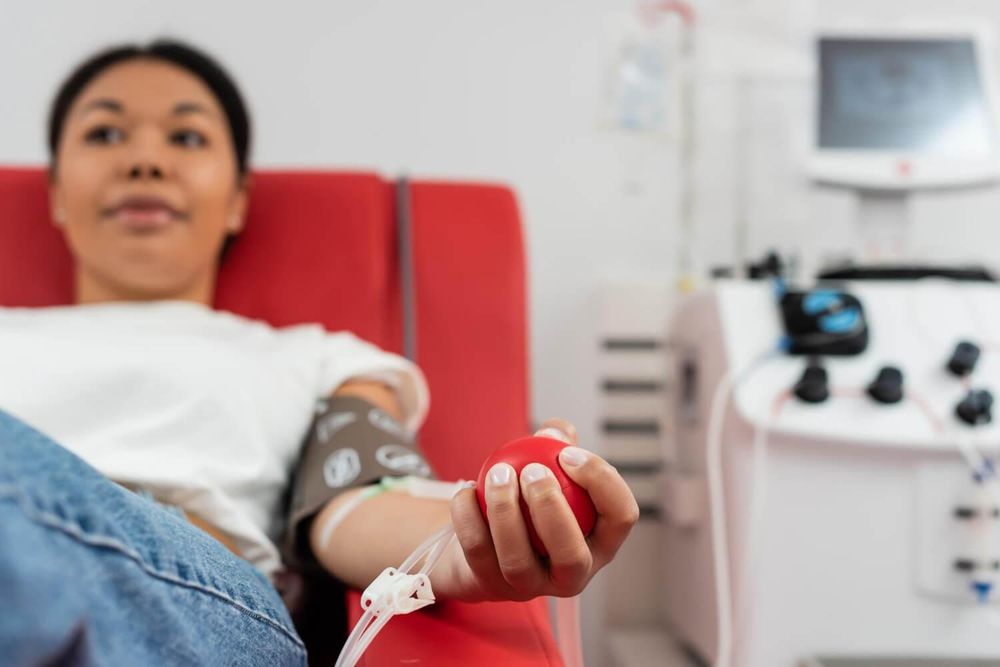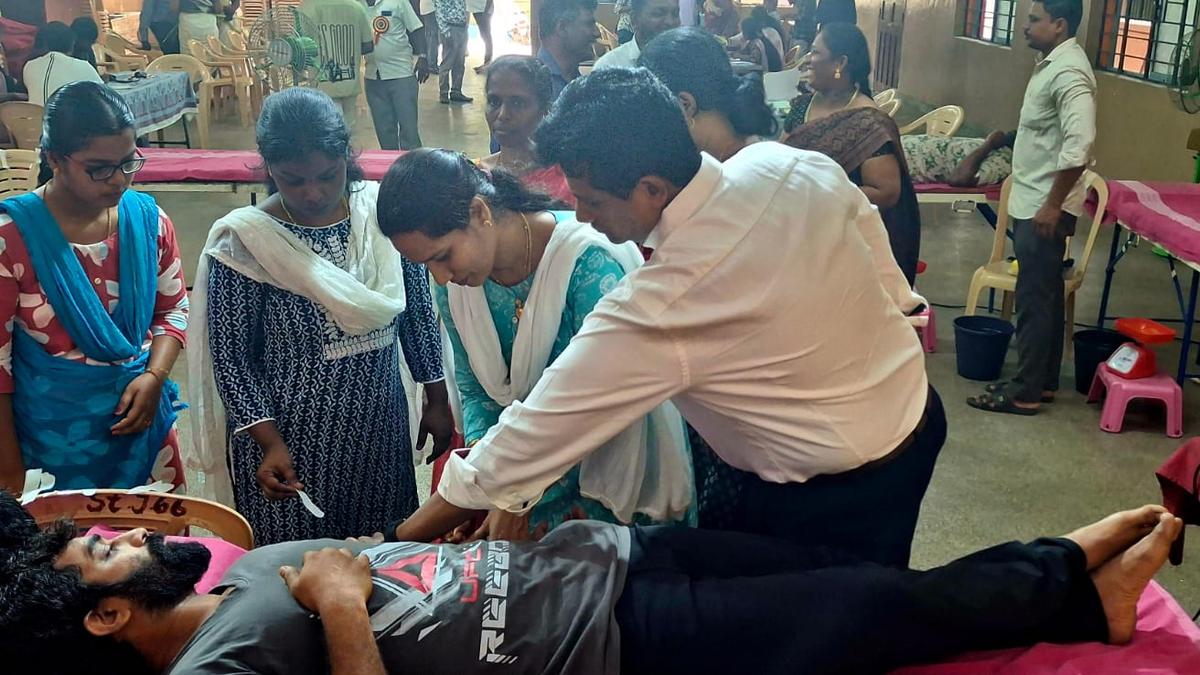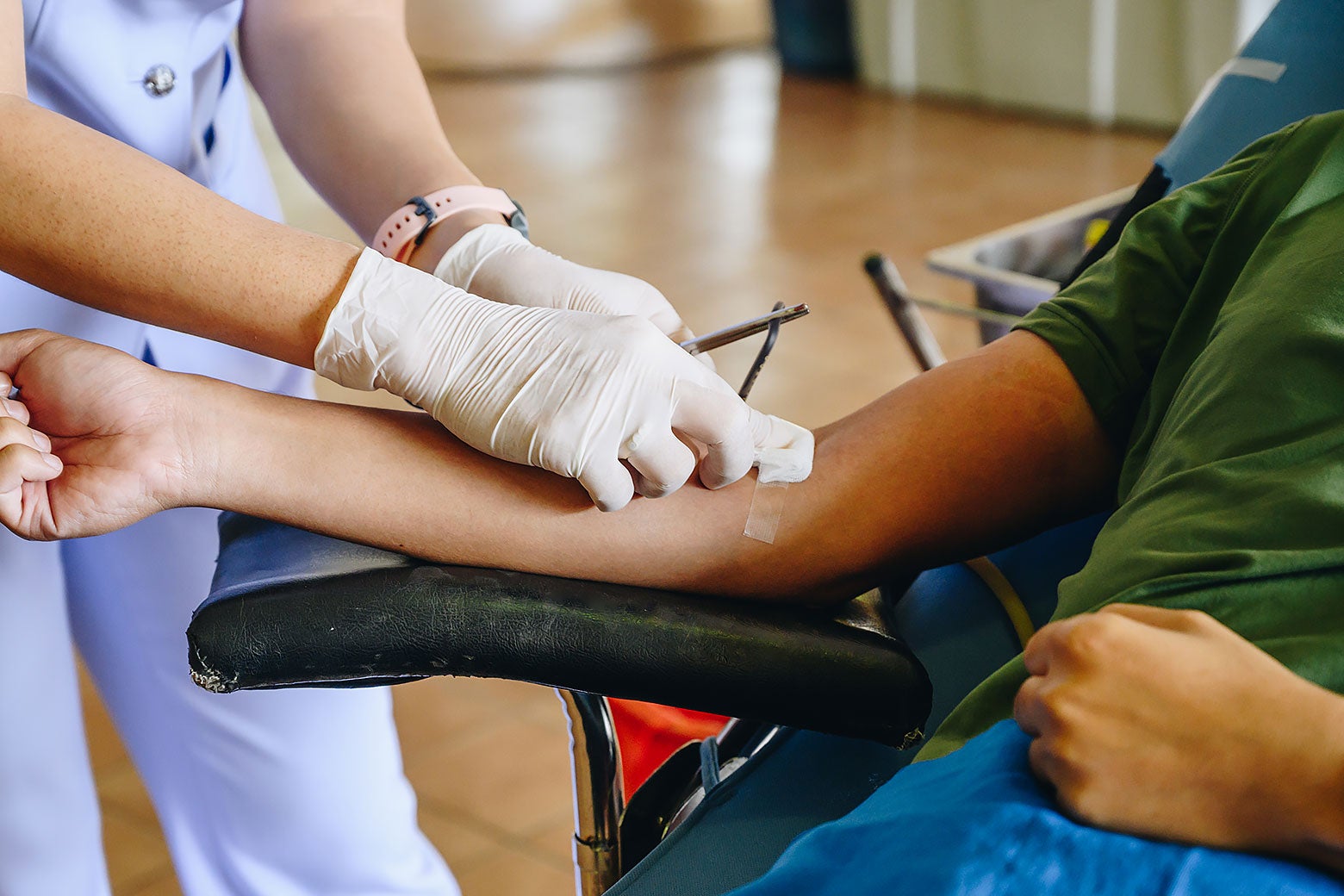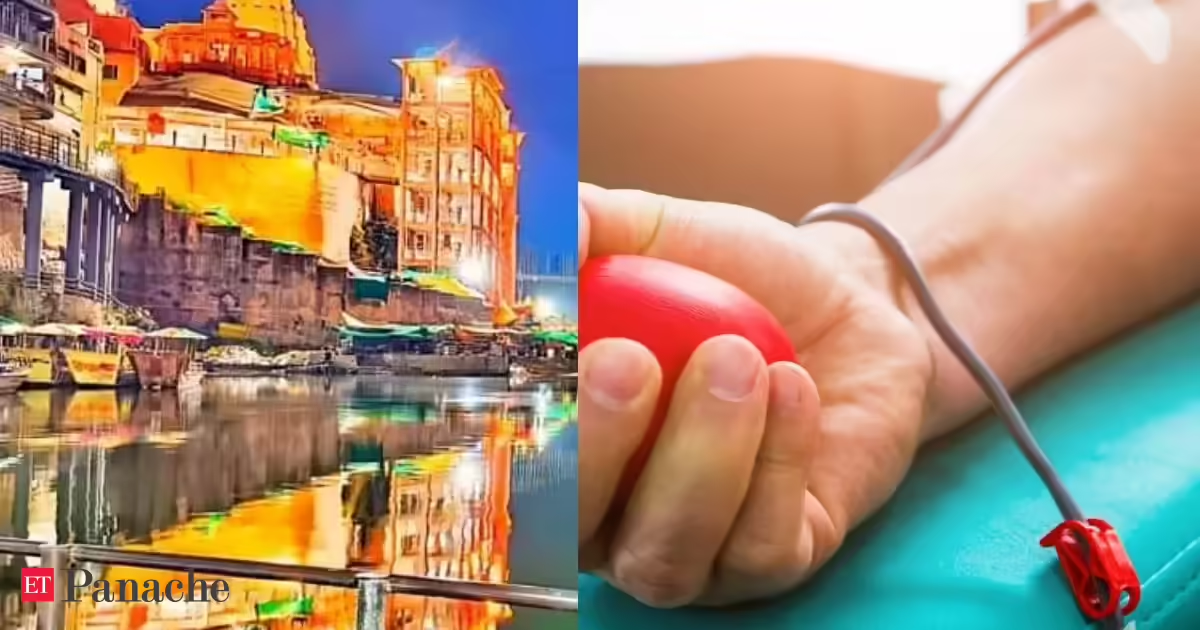
A unique initiative in Madhya Pradesh is showing how faith and public service can work together to solve a pressing healthcare challenge. At the famous Omkareshwar Jyotirlinga temple in Khandwa district, devotees are being offered VIP darshan in exchange for donating blood. What began as a pilot project to address blood shortages has delivered results far beyond expectations, creating a surplus at local blood banks and even helping neighbouring districts meet their requirements.The initiative was launched on February 24 under the leadership of Khandwa Collector Rishabh Gupta. The idea was simple: encourage voluntary blood donation by linking it to one of the region's biggest religious attractions, the Omkareshwar Jyotirlinga temple.About VIP darshan at OmkareshwarUnder the scheme, devotees who donate blood at the district hospital receive a certificate that grants VIP darshan at the temple. This allows them to bypass the general queue, which can often stretch to three or four hours, and gain faster access to the shrine.What’s the process for VIP darshan at Omkareshwar temple?To make the process convenient, authorities established a dedicated five-bed blood collection facility near the temple premises. Eligible donors must be healthy individuals between 18 and 60 years of age and weigh at least 45 kilograms.After donating blood, participants receive refreshments, prasad, a certificate, and a photograph of Lord Omkareshwar. The certificate also extends the VIP darshan benefit to the donor's family, allowing one healthy family member to secure fast-track entry for elderly relatives or young children. The response has been overwhelming.Result of blood donation and VIP darshanAccording to health officials, the Khandwa district hospital blood bank is now collecting an average of around 150 units every week. The increased inflow has created a blood surplus that has benefited not just Khandwa but several neighbouring districts as well.Officials said the blood bank has already transferred 150 units each to Betul, Dhar and Burhanpur districts. Another 200 units were sent to Barwani, while Harda district received 80 units. The initiative has also strengthened reserves of rare blood groups, including AB-negative, O-negative, A-negative and B-negative, which are often difficult to procure during emergencies.Deccan Herald reported that blood banks across Madhya Pradesh collected 8,36,638 units of blood during 2025-26. Out of this total, 4,73,370 units, or 57 per cent, came through voluntary blood donations. The collected blood has supported a wide range of patients across the state. Official data shows that 1,63,972 units were provided to pregnant women, while 47,461 units were supplied to thalassemia patients. In addition, 17,418 units were used for the treatment of sickle cell patients during the same period.Adhik Maas, the reason?A particularly sharp rise in donations was recorded during Adhik Maas, also known as Purushottam Maas, a sacred period in the Hindu lunar calendar that is associated with charitable acts and religious merit.Blood bank in-charge Dr Atul Mane credited the holy month with helping drive donor participation even higher. The numbers reflect that surge. Official records show that the Omkareshwar donation camp collected a record 497 units of blood by June 14. This represents a dramatic increase from the 168 units collected in February when the initiative first began.Consideration for similar blood donation programsAs reported by Deccan Herald, Saloni Sidana, Managing Director of the National Health Mission in Madhya Pradesh, described the Khandwa initiative as an effective model for promoting voluntary blood donation. She said authorities are considering implementing similar programs in other districts after evaluating the encouraging outcomes achieved through the pilot project.The scale of improvement has been substantial. According to officials cited by Deccan Herald, blood donations at the Khandwa district hospital have increased from approximately 15 to 20 units per day before the initiative to nearly 200 units per day after the pilot project was introduced.The concept of linking blood donation with temple privileges is not entirely new. A similar provision has already been implemented at the Tirupati Balaji Temple in Andhra Pradesh.
Just donate blood and get VIP into famous temple. The result is blood bank surplus at local hospitals
A unique program in Madhya Pradesh connects blood donation with VIP darshan at Omkareshwar Jyotirlinga temple. Devotees donating blood receive fast-track access to the shrine. This initiative has significantly boosted blood bank reserves in Khandwa and neighboring districts. The project has proven highly successful, with authorities considering similar programs elsewhere.
643 words~3 min read