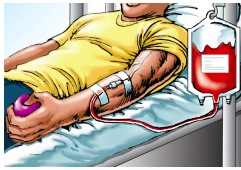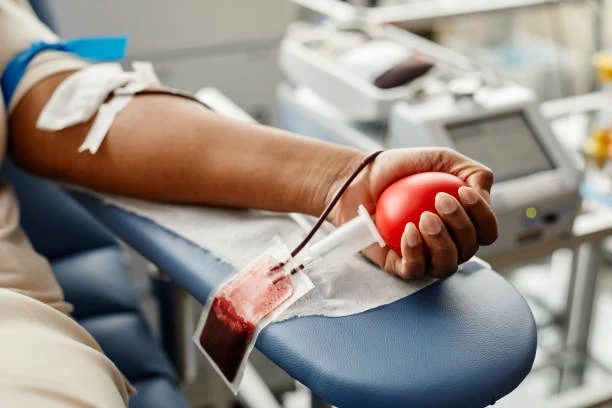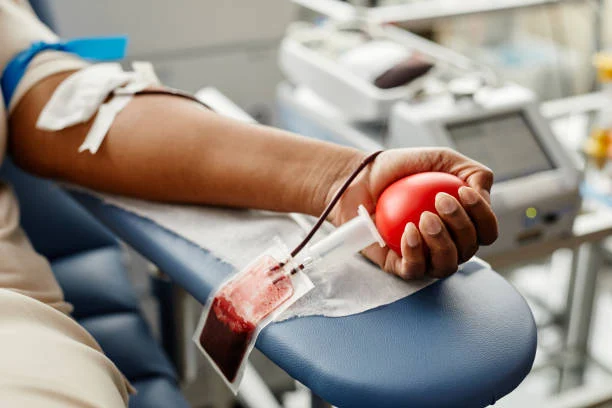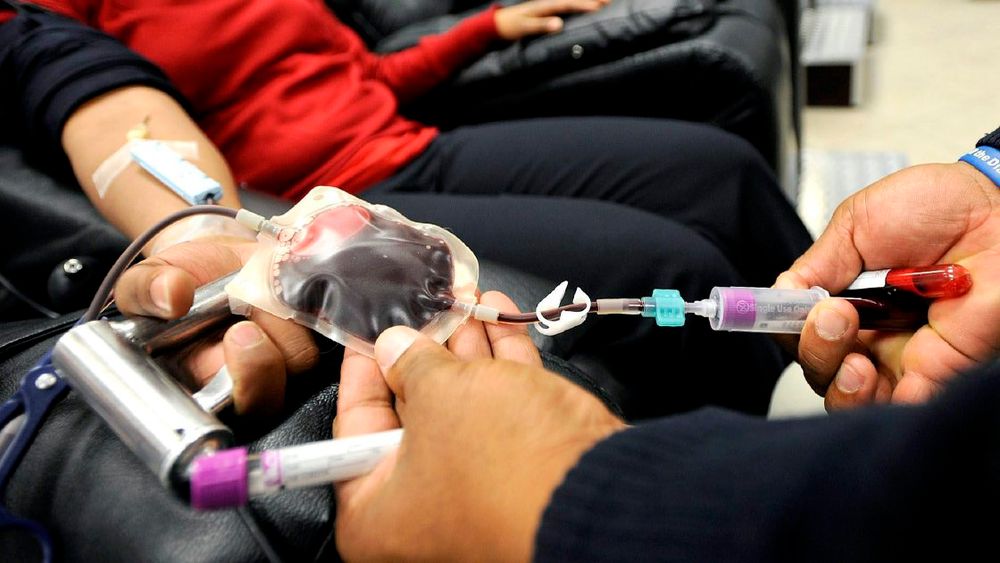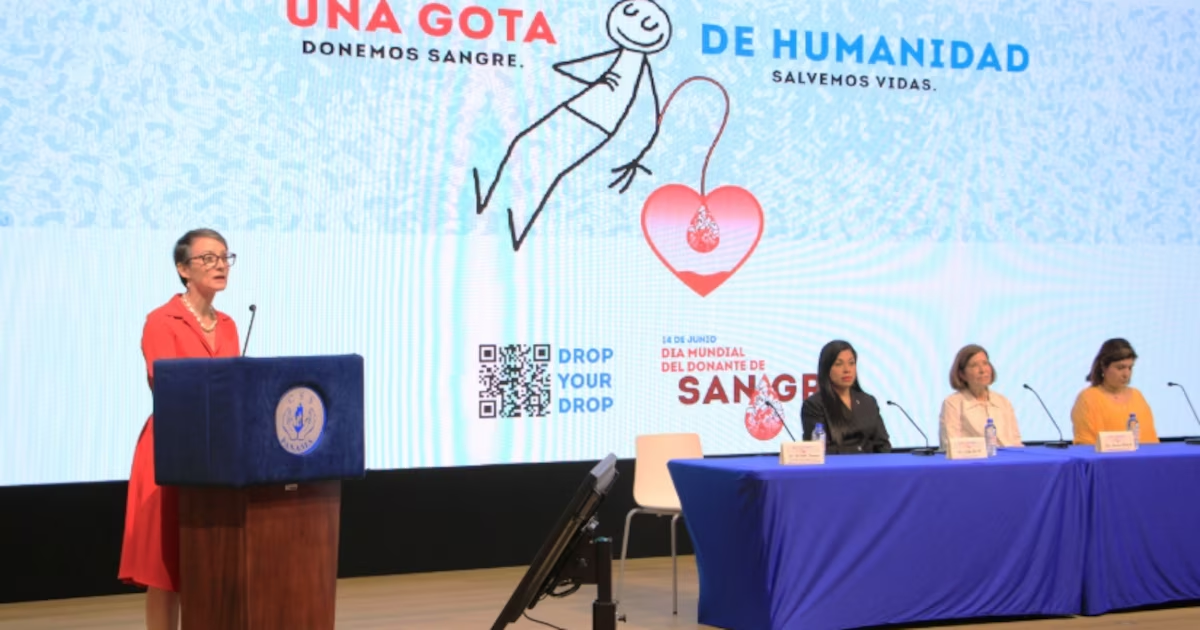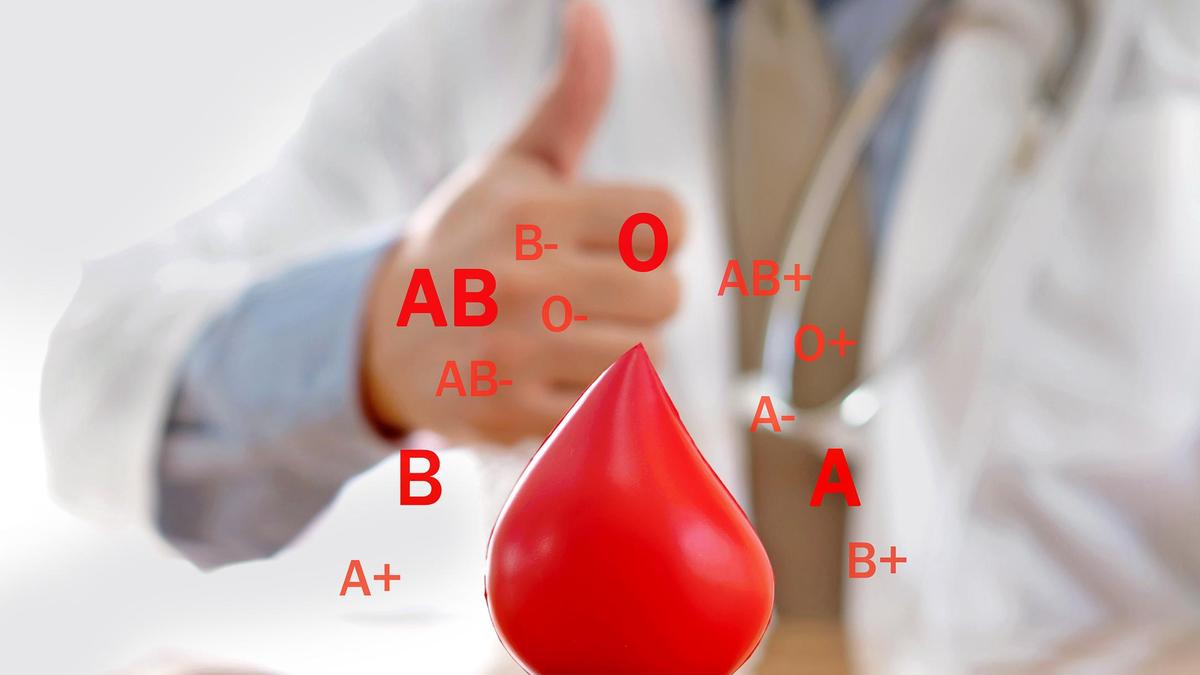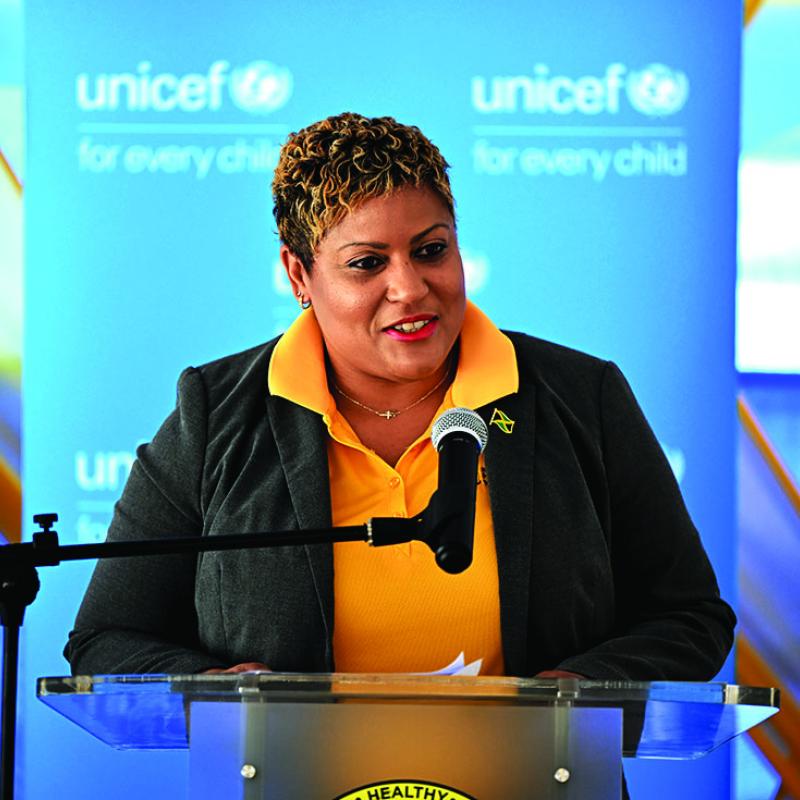
Health authorities are renewing their push for voluntary blood donation as supplies come under strain. On Sunday, June 14, the Ministry of Health and Wellness, through the National Blood Transfusion Service (NBTS), will join the global observance of World Blood Donor Day 2026 under the theme ‘One Drop of Humanity. Give Blood. Save Lives.’This year’s observance will feature a suite of initiatives to boost supply, including the launch of a national donor club, intended to build a steady pool of voluntary donors and reduce the country’s reliance on emergency contributions.Jamaica’s system has long depended on replacement donations — blood given in response to a relative’s or friend’s need — rather than a routine, unpaid supply.State Minister, Health and Wellness Ministry, Krystal Lee, framed the effort as part of a broader shift. The thrust, she said, “forms part of a broader campaign aimed at increasing voluntary, unpaid donation and reducing reliance on the longstanding practice of replacement donation, where blood is given only when a relative or friend is in need,” she said.The NBTS will host a national blood drive at Emancipation Park on Saturday, June 13, 2026, from 9:30 a.m. to 5 p.m., inviting members of the public, corporate Jamaica, community organisations and first-time donors to contribute.Regional authorities are stepping in as well. The South East Regional Health Authority (SERHA) has issued its own appeal, warning that demand for blood — driven by emergency care and routine medical procedures — continues to rise. It is urging Jamaicans to become regular donors and to support efforts to replenish national stocks.SERHA will host a collection at the Spanish Town Hospital on Saturday, June 20, from 9 a.m. to 3 p.m. at its Blood Collection Centre, while Victoria Jubilee Hospital will stage its effort on Wednesday, July 1, from 9 a.m. to 4 p.m. in the hospital’s car park.Blood supplies are required for surgery, trauma cases, childbirth complications, cancer treatment and chronic illnesses, and a single donation can save multiple lives while helping hospitals maintain reserves for emergencies, health officials say.Dr Jacqueline Wright-James, senior medical officer at Spanish Town Hospital, stressed the importance of a stable donor base. “You never know when you or someone you love may need blood, so do not wait to become a donor. Regular blood donors play a very critical role in ensuring hospitals are prepared for emergencies and patient care needs,” said Wright-James.She also addressed lingering misconceptions about the risks of giving blood, noting that the process is both safe and beneficial. “Many persons believe donating blood will make them weak, but this is not true. The body quickly replaces the donated fluid and red blood cells, allowing donors to maintain normal strength and function. Blood donation can also provide health benefits, including a free health screening before donation, helping to reduce excess iron levels, and even burning calories as the body works to replenish the blood supply,” she explained.Authorities are casting the net wide, appealing to individuals as well as organised groups — churches, companies and service clubs — to support upcoming drives. Eligibility criteria remain straightforward: donors should be aged between 16 and 60, weigh more than 110 pounds, have controlled blood pressure, and be in good health at the time of donation.Further information, including the location of the nearest Blood Collection Centre, is available via 1 (876) 630-1984.
World Blood Donor Day to be observed with expanded initiatives
Health authorities are renewing their push for voluntary blood donation as supplies come under strain. On Sunday, June 14, the Ministry of Health and Wellness, through the National Blood Transfusion Service (NBTS), will join the global observance of World Blood Donor Day 2026 under the theme ‘One Drop of Humanity. Give Blood. Save Lives.’
554 words~3 min read