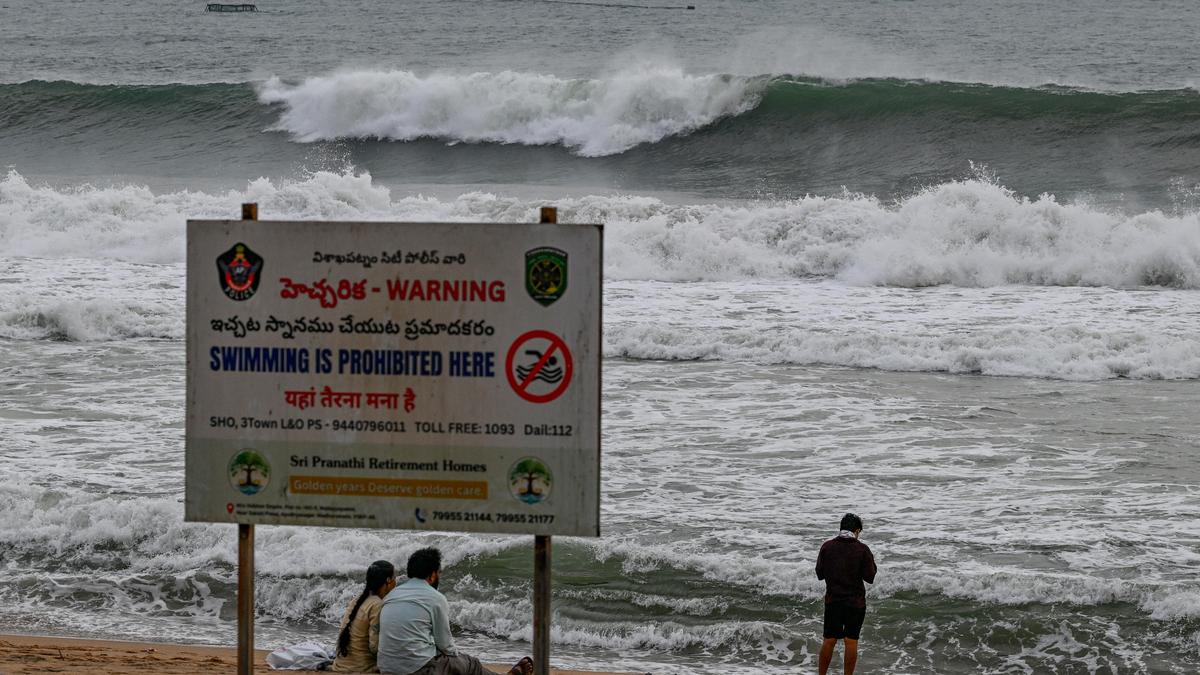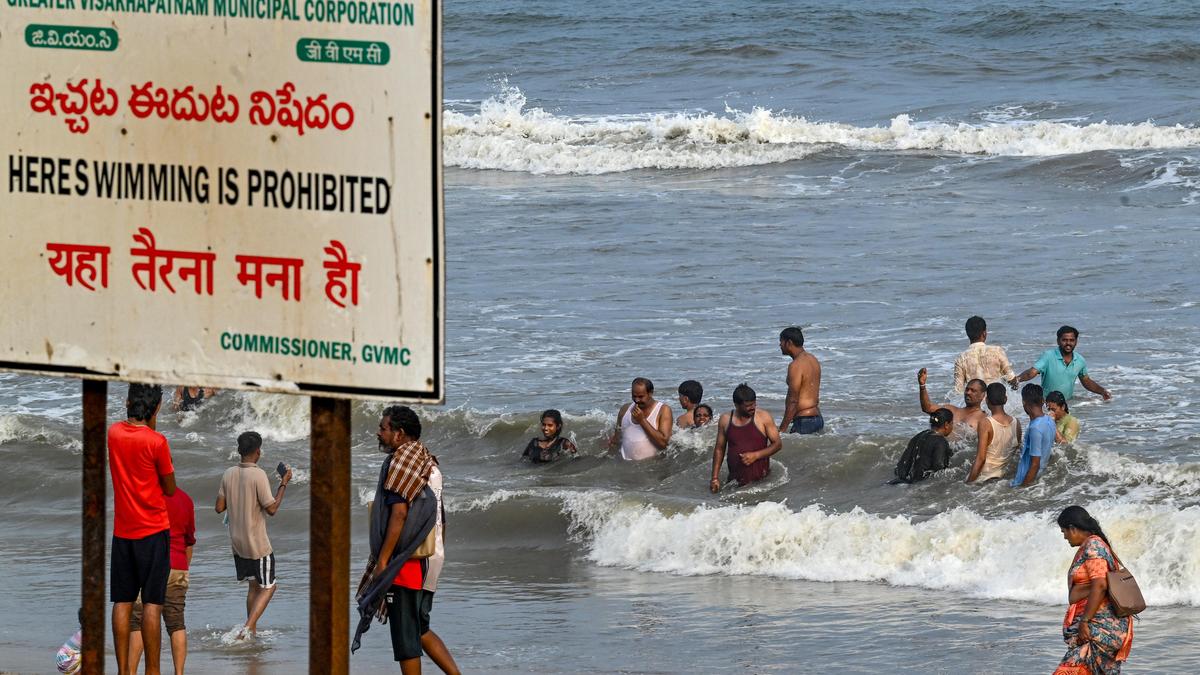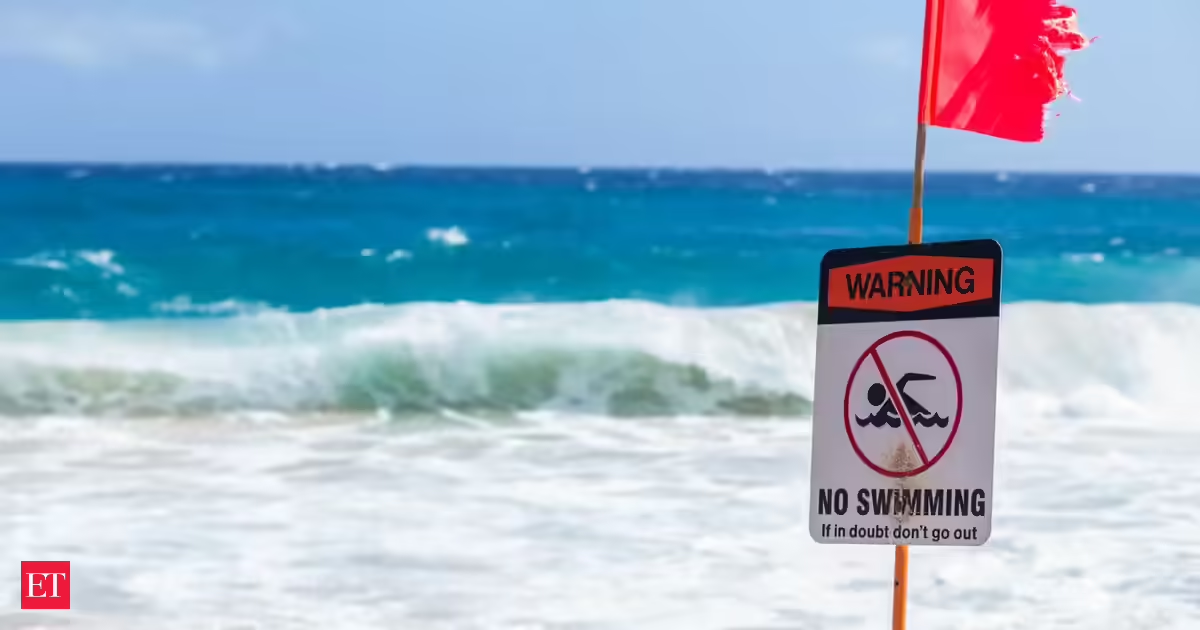
SynopsisArtificial intelligence is emerging as a powerful tool for coastal safety, helping detect dangerous rip currents through satellite imagery, weather data, ocean monitoring, and real-time analytics. AI-powered beach safety systems developed by ISRO can deliver faster warnings, support disaster management, improve public safety, and transform environmental data into actionable insights that help reduce drowning risks along coastlines.iStockISRO's AI-powered coastal safety initiative combines satellite imagery, weather patterns, and ocean data to detect dangerous rip currents and deliver real-time warnings to improve beach safety.Artificial intelligence is being used beyond chatbots and as workplace productivity tools. As technology advances, its role branches into areas where timely information can help prevent grave accidents. A recent example of this approach comes from the Indian Space Research Organisation (ISRO). Through “Project Bharati”, a joint initiative between ISRO’s Space Applications Centre (SAC) and Andhra University, where researchers aim to develop an AI-enabled system possessing the ability to detect rip currents and issue trigger signals. The system uses satellite images, weather data, ocean conditions and live monitoring feeds to identify potential risks. This development by the ISRO integrates the use of AI systems to identify dangerous ocean conditions and give warning signs before the people are exposed to harm. The major challenge in coastal safety is in identifying rip currents. These powerful channels of water can pull swimmers away from the shore within seconds, making it one of the leading causes of drowning on beaches on a global scale. The issue remains, in rip currents being difficult to spot with the naked eye, even for experts. This is where AI plays a pivotal role. By analysing a large amount of information from multiple sources, including satellite imagery, weather patterns, ocean conditions and live video feeds. AI systems can identify signs that may signal the formation of dangerous currents. Instead of depending on manual observation, the authorities may use AI to continuously monitor changing conditions and identify risks much faster. Upon the detection of any potential threats by the AI-assisted system, the latter will be able to categorise different threats as well as give off alert warnings through different media. These different media can range from visual displays, warning signals, announcement messages to those sent directly to lifeguards. This technological advancement illustrates how AI is at its best in its capability to analyse vast data within a matter of minutes. This does not aim at replacing human judgment but complementing it instead.The reason why this advancement matters is because it demonstrates that while AI technology is being applied to analyse data and draw conclusions, it is being developed into a device to help in responding quickly to situations where timing is the most critical factor. With environments where there may be danger to people’s well-being, just a few minutes’ notice can go a long way.One more aspect worth noting is how versatile this technology is. AI-powered devices designed for monitoring such environmental factors can operate from any location in response to changing conditions. This will mean that people can prepare for seasonal changes and hazards without having to make substantial structural changes.Whether it is emergency management or weather prediction, AI is turning out to be an intelligent system that can understand complex situations with so much data available that it can no longer be comprehended by human beings.Also read:NASA is training AI on billions of Earth observations and the results could change climate researchDisclaimer Statement: This content is authored by a 3rd party. The views expressed here are that of the respective authors/ entities and do not represent the views of Economic Times (ET). ET does not guarantee, vouch for or endorse any of its contents nor is responsible for them in any manner whatsoever. Please take all steps necessary to ascertain that any information and content provided is correct, updated, and verified. ET hereby disclaims any and all warranties, express or implied, relating to the report and any content therein.Read More News onRead More News on
How ISRO's AI-powered coastal safety system is helping detect dangerous rip currents in real time
ISRO is leveraging artificial intelligence, satellite imagery, weather data, and ocean monitoring to detect dangerous rip currents and improve coastal safety through real-time alerts and early warning systems.
658 words~3 min read