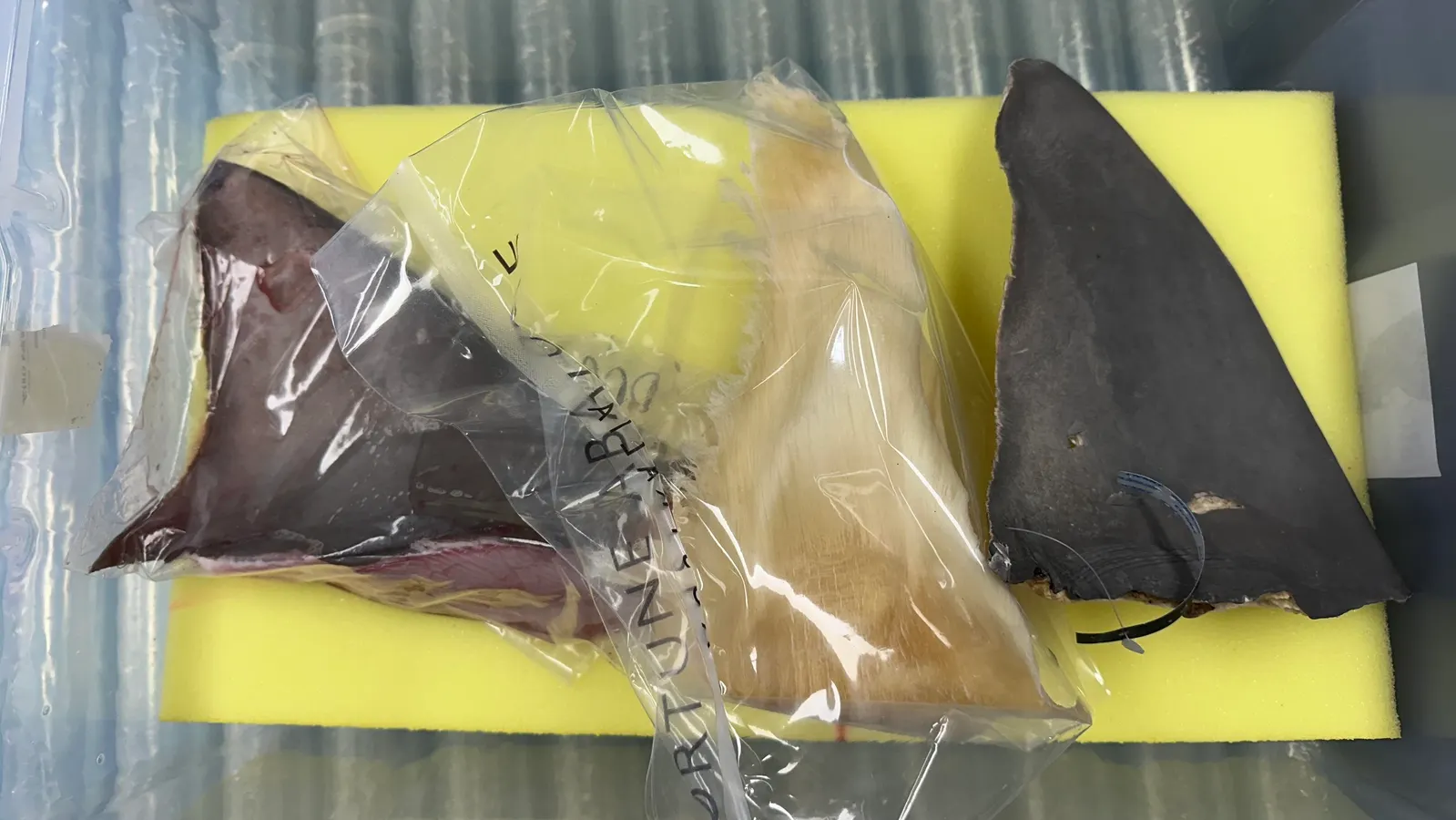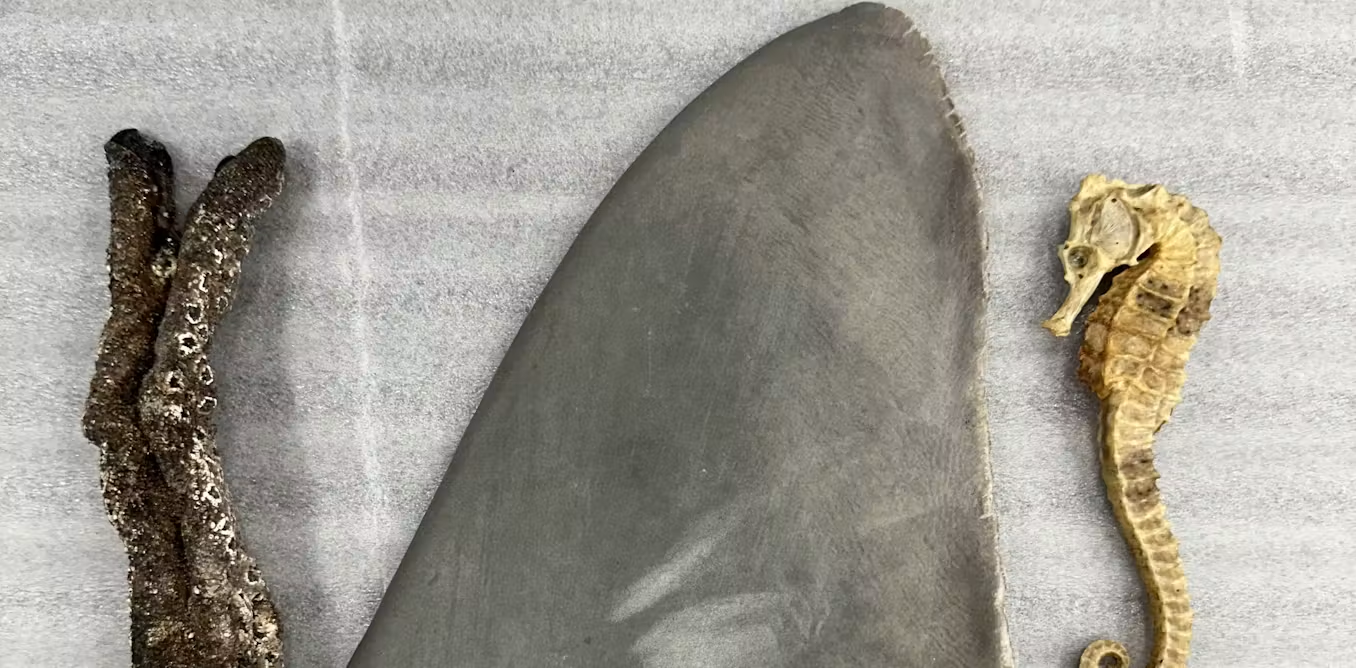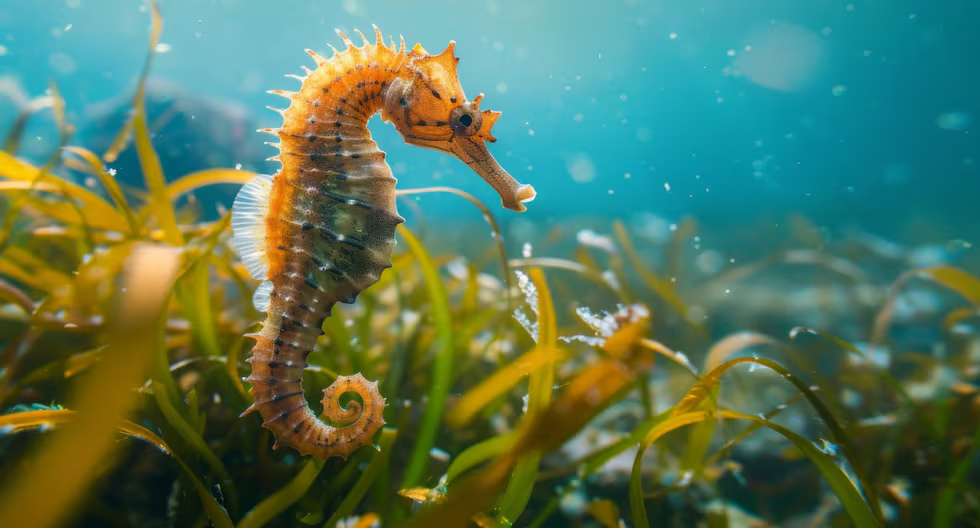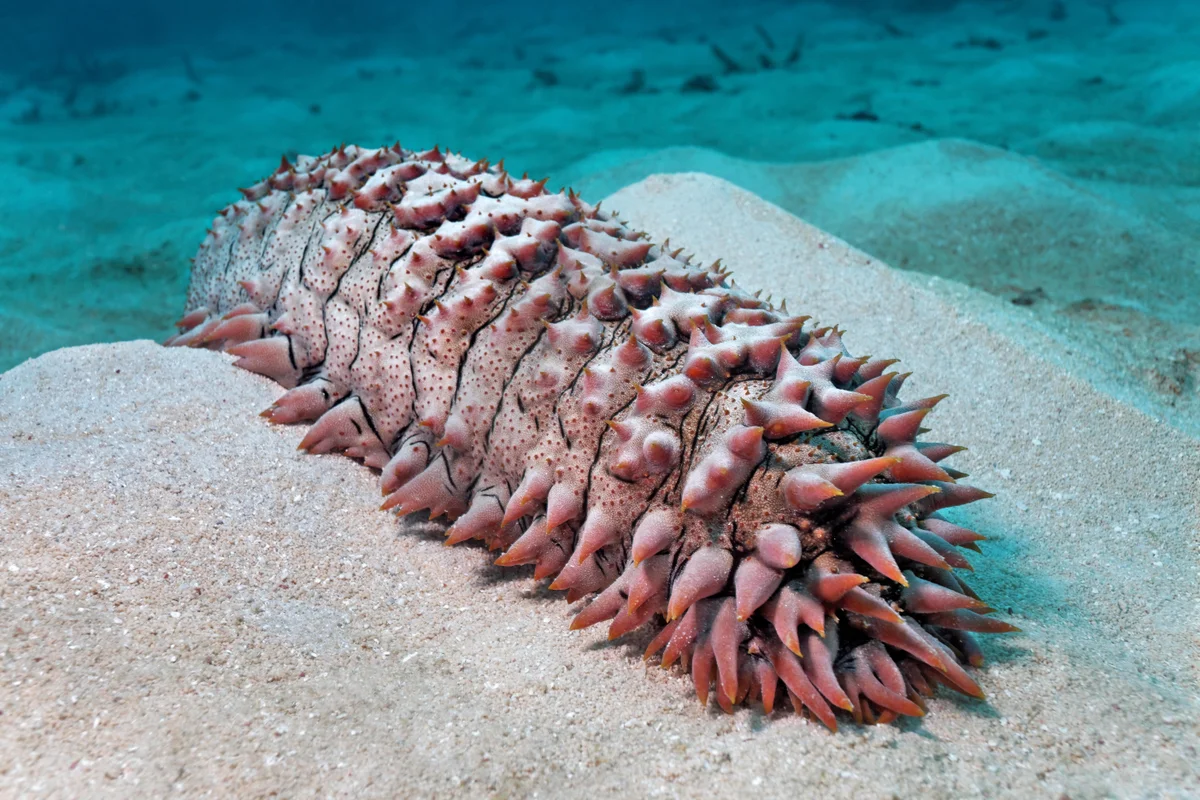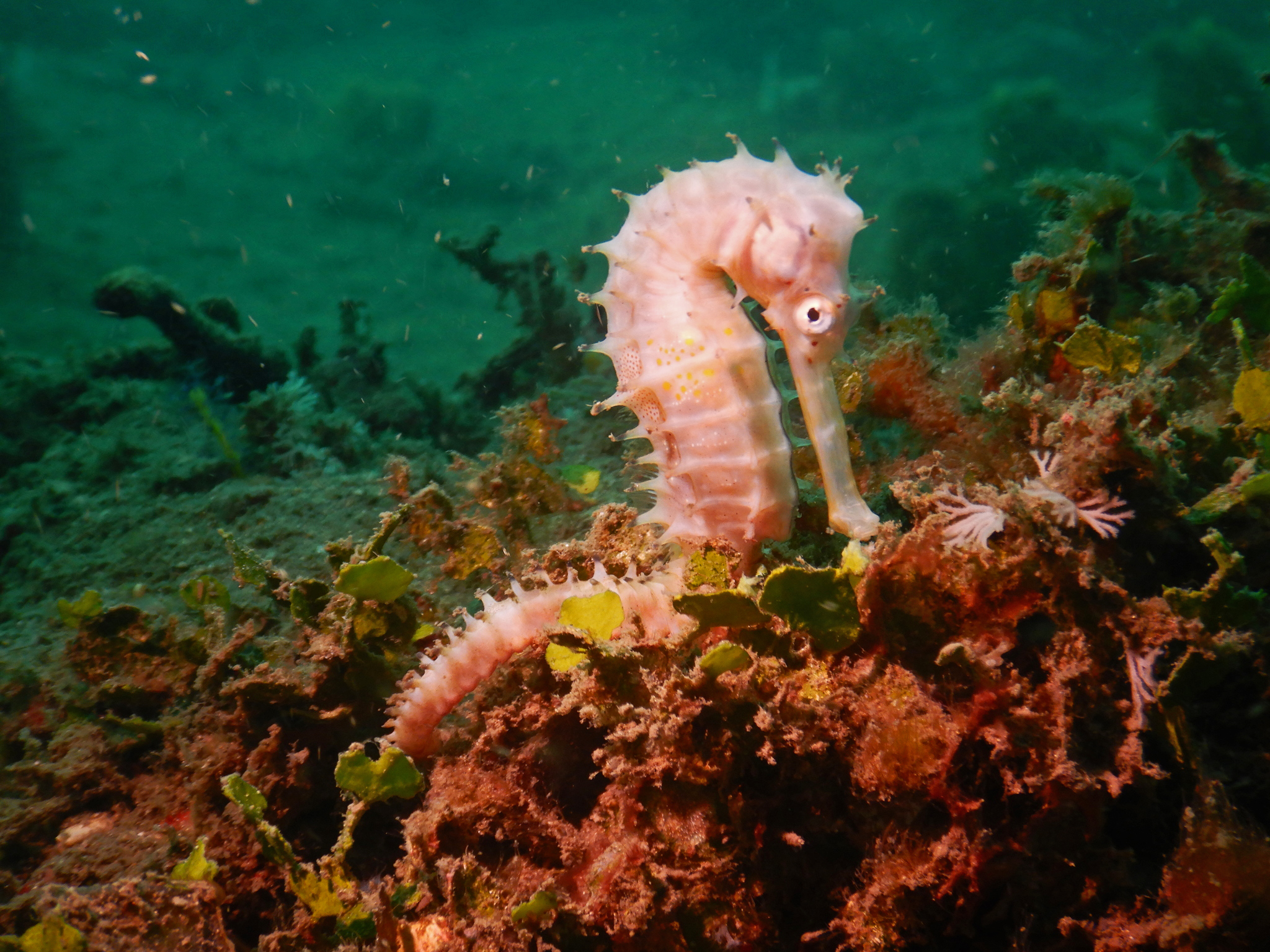
Researchers have developed what they say is the first AI algorithm dedicated to detecting trafficked dead marine wildlife from 3D X-ray images.The system was most effective at finding species with idiosyncratic shapes, like shark fins and seahorses, but also detected sea cucumbers with 86% accuracy.Interpol seized more marine specimens than reptiles, birds and primates combined in 2025, but experts say the illicit trade remains underrecognized compared to tracking of terrestrial animals and their parts.The effectiveness of the new approach may be limited by access to 3D X-ray machines in airports and mail pathways, and when officials try to distinguish between species in the same genus.
On Sunday, April 26, Argentine officials stopped an unusual shipment arriving at an airport near Buenos Aires. Inside, they found so many dead and dying fish, octopuses and crabs that a national rescue center had to install 10 new emergency tanks to support the survivors. It was the third time in a year authorities had seized an illegal shipment of sea life at the same airport, the Associated Press reported.
Marine wildlife trafficking is a growing global business, driven by demand for ornamental fish, luxury foods and traditional medicines. Much of that trade is routed through airplane luggage or airmail, where the vast majority of animals, dead or alive, go undetected.