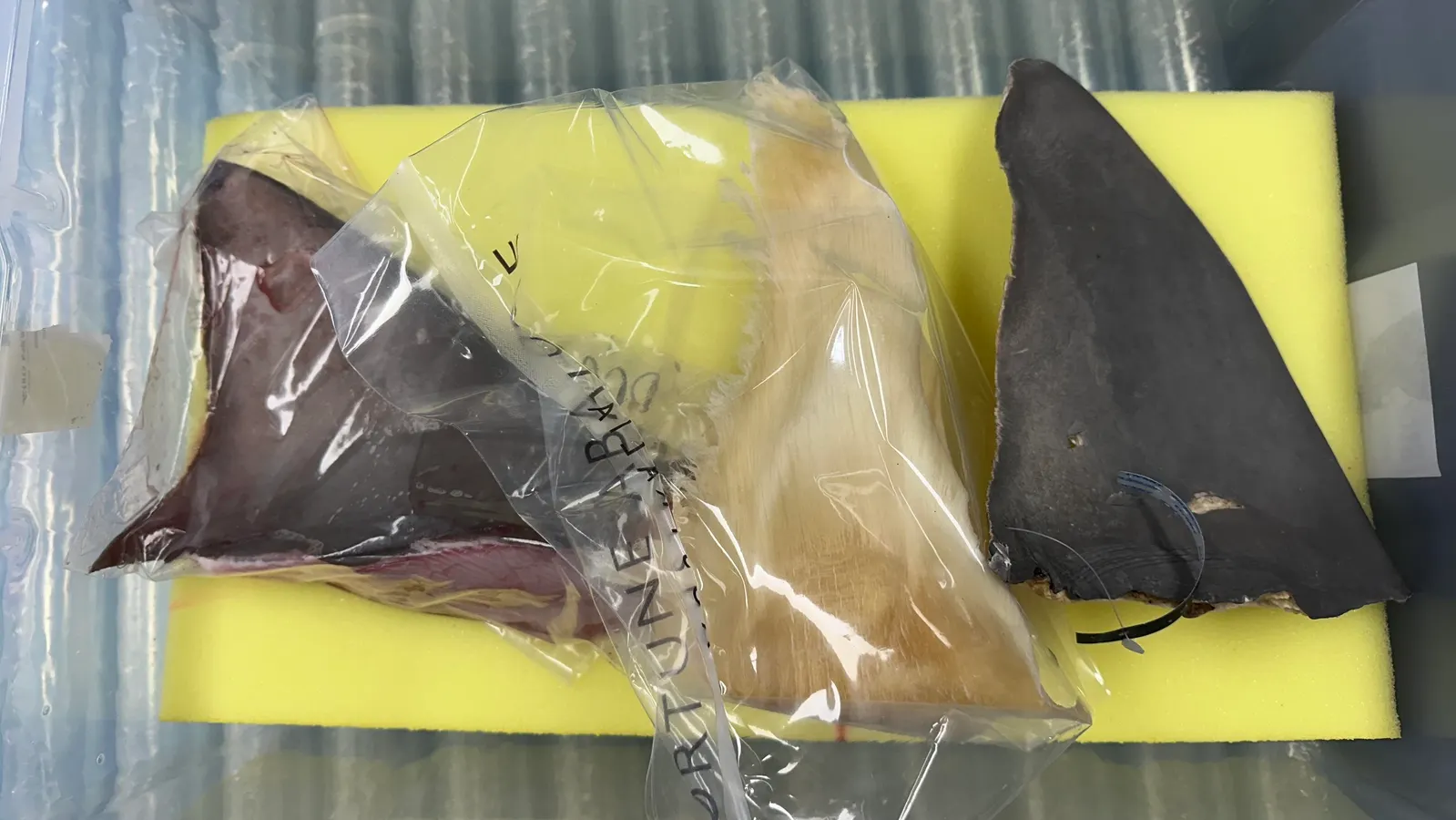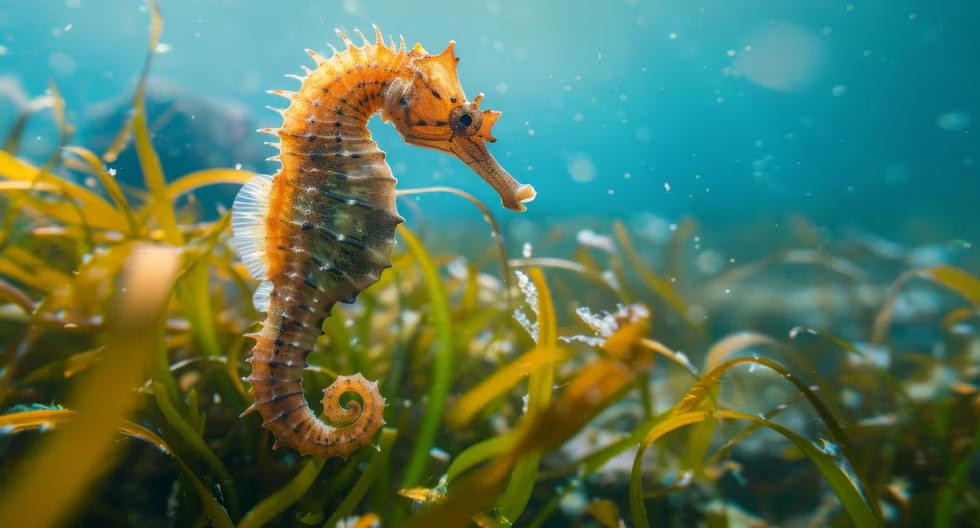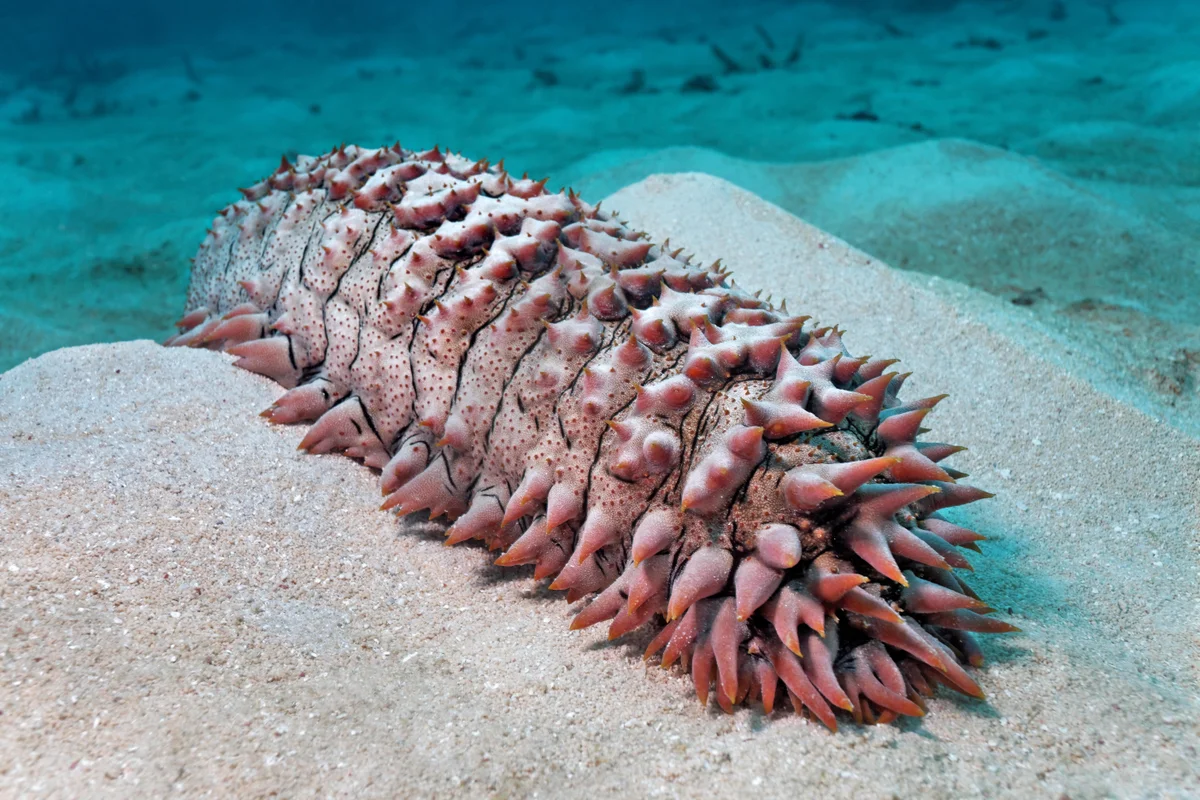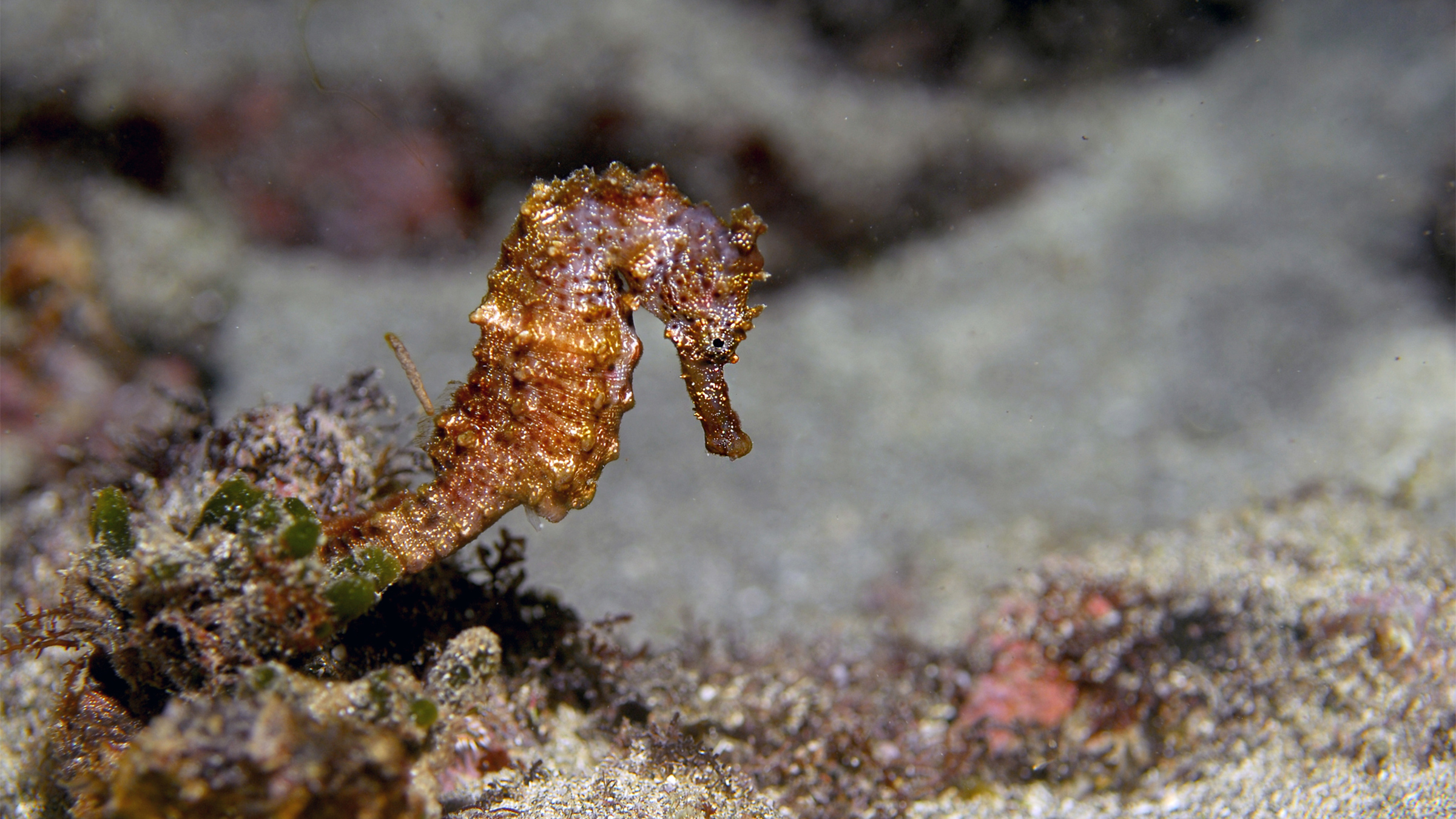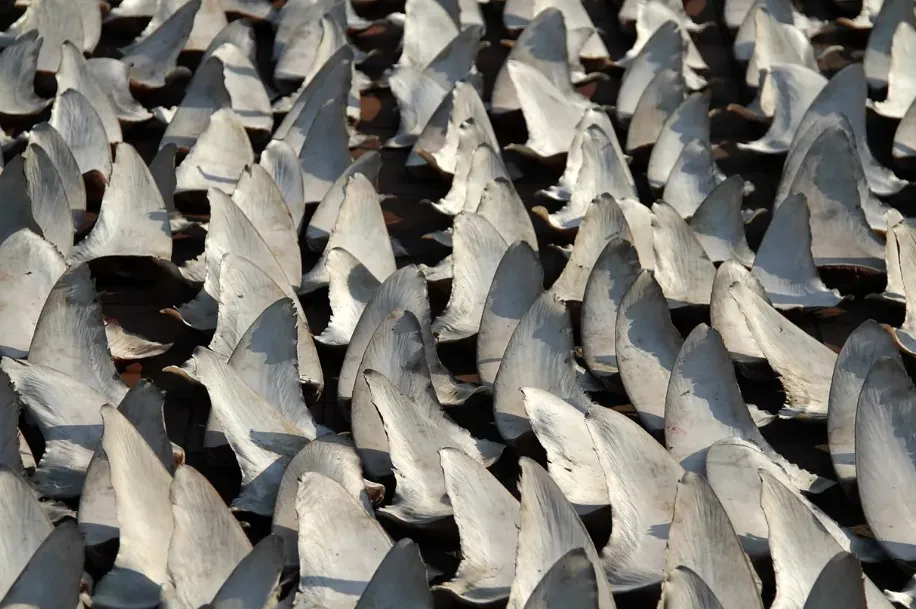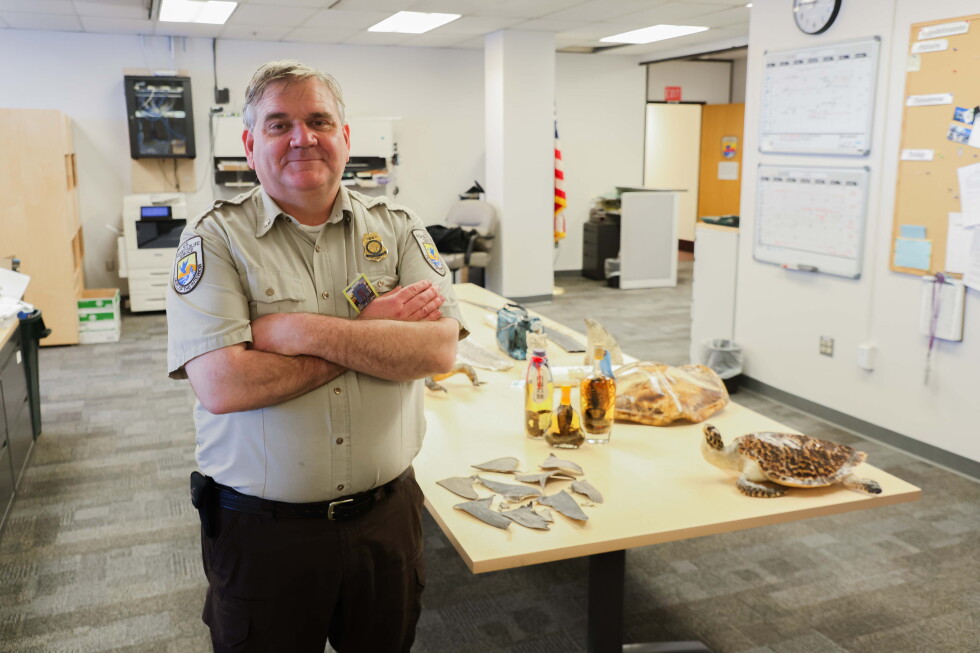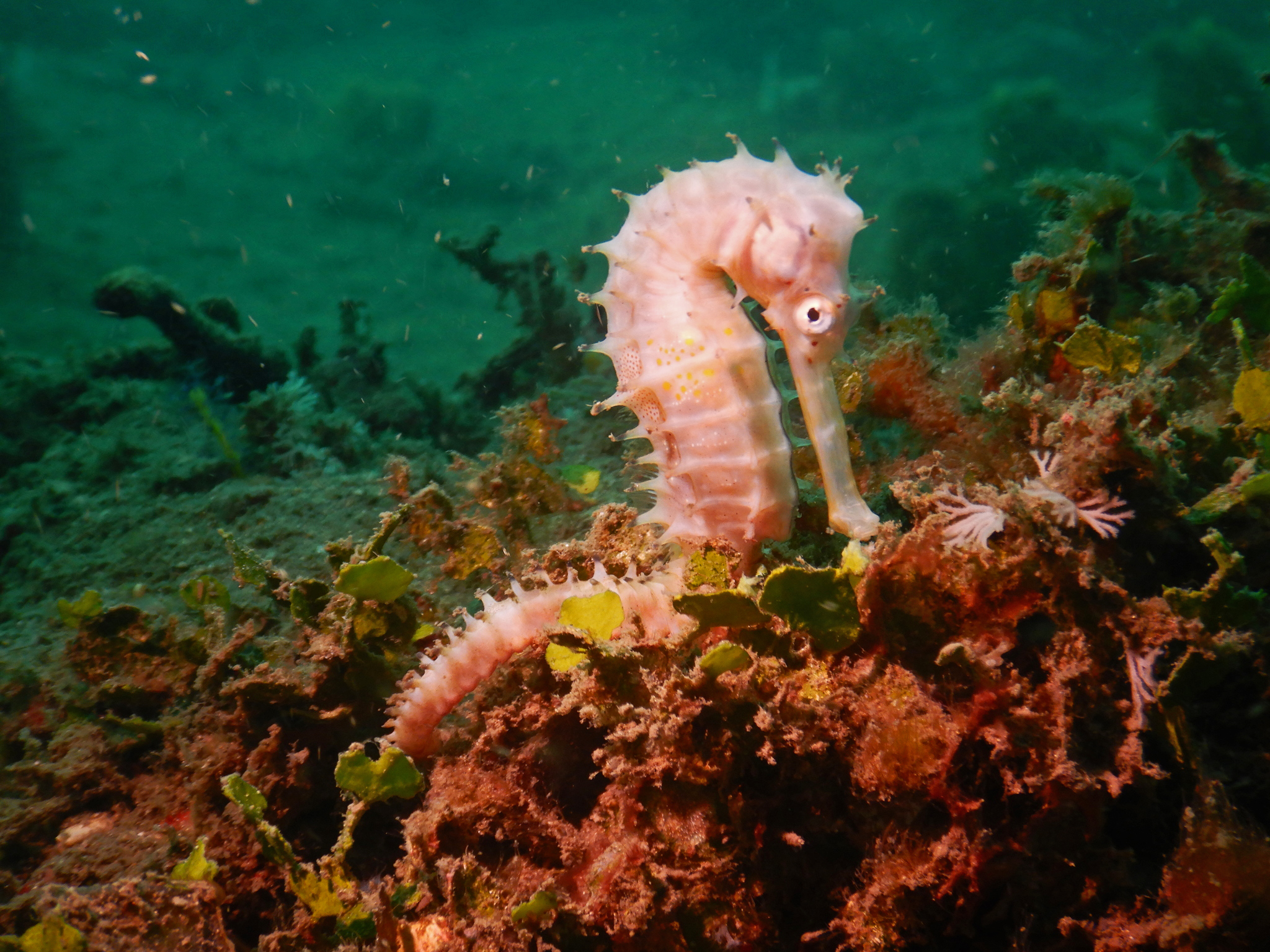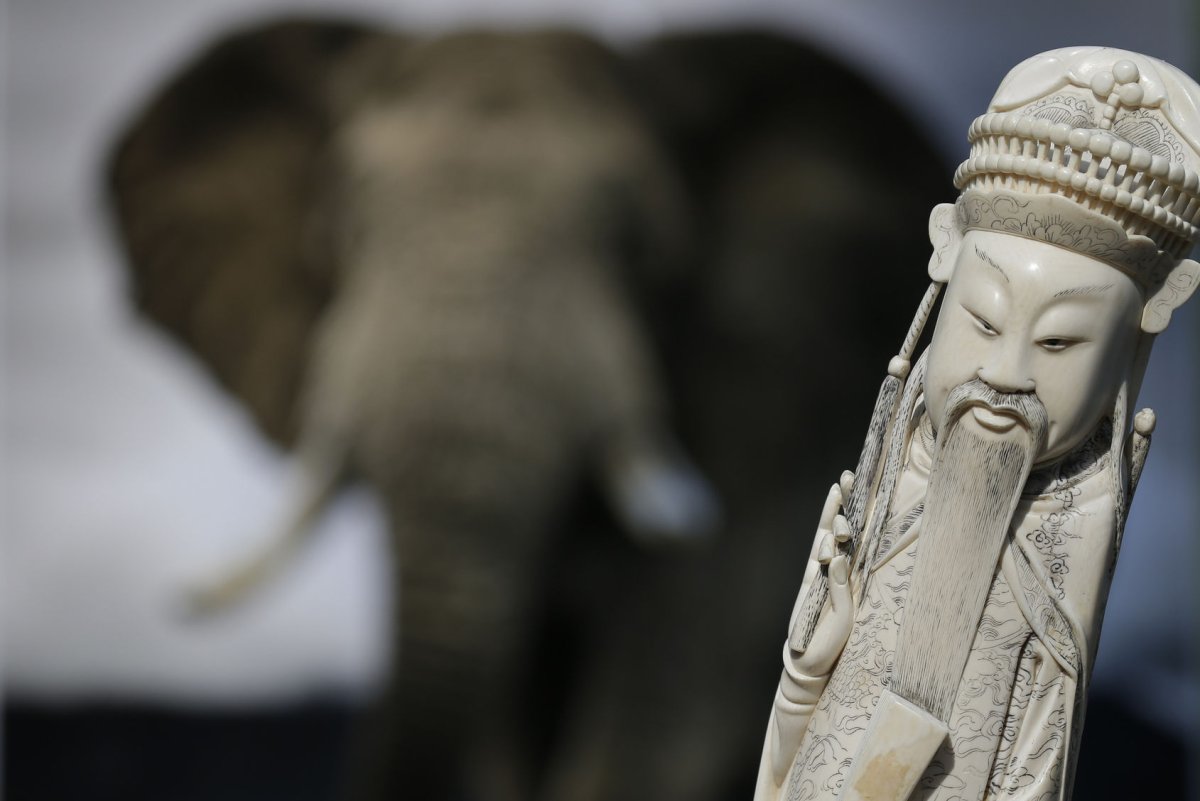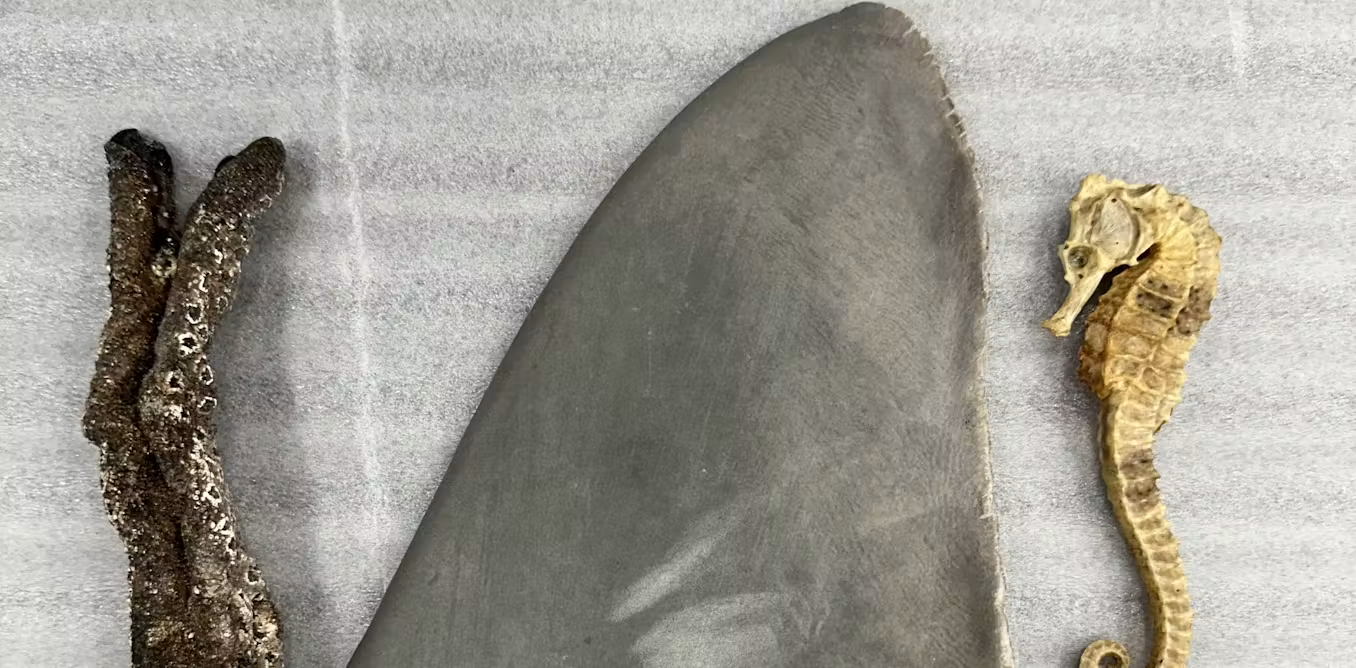
Marine wildlife samples used to create marine detection algorithms. Samples provided by the Australian Museum.
Dr Vanessa Pirotta
Publié: 8 juin 2026, 01:31 CEST
Shark fins on a plane, seahorses in your bag and sea cucumbers in the post – these are just a few examples of illegal marine wildlife trafficking.
This crime can be hard to detect. But in a new study, published in the journal Frontiers in Ocean Sustainability, we show how artificial intelligence (AI) can be harnessed as a complimentary detection tool to help stop marine wildlife trafficking at international airports and mail facilities.