By
HANNAH FLOR/Alaska Public Media
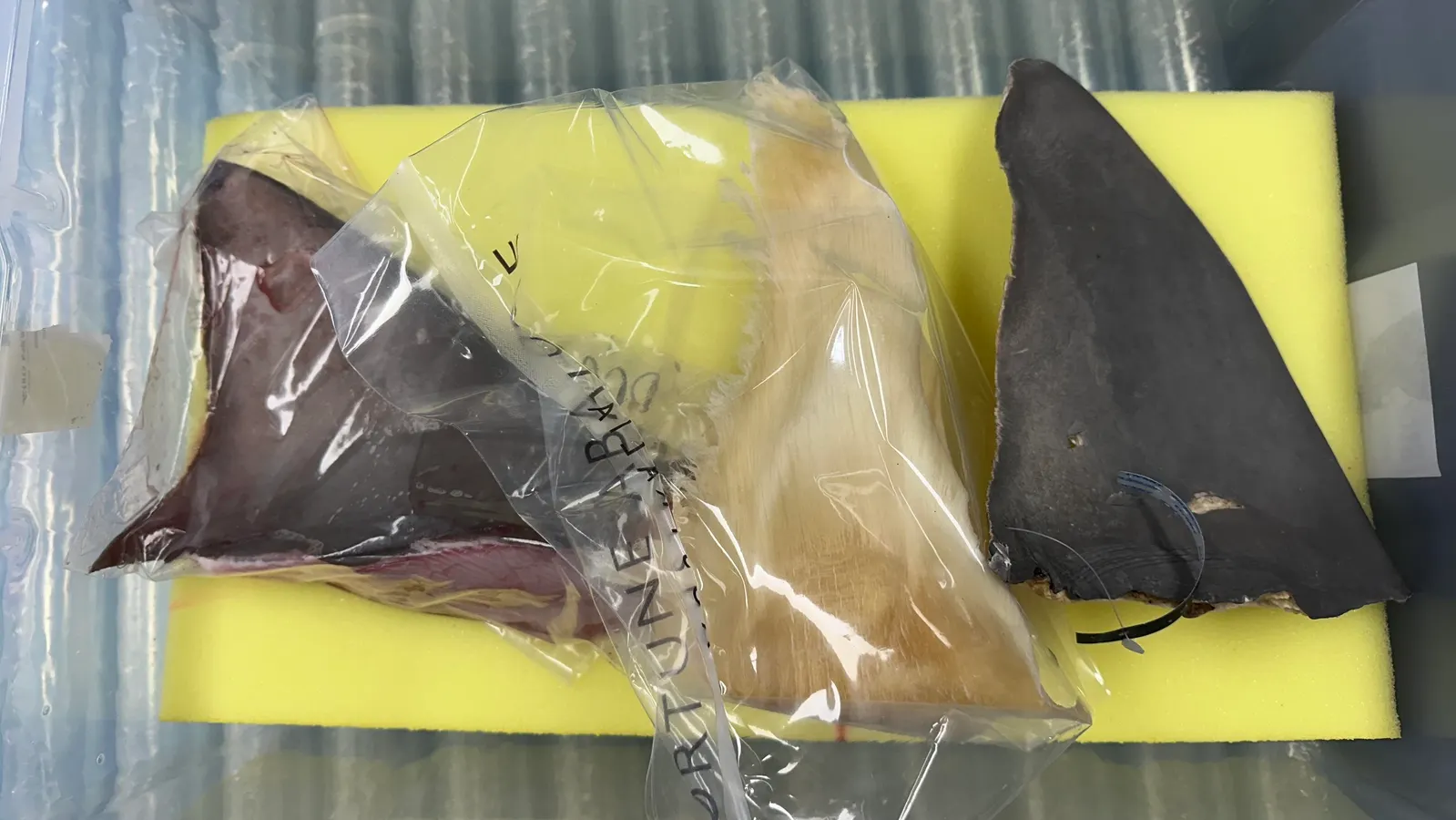
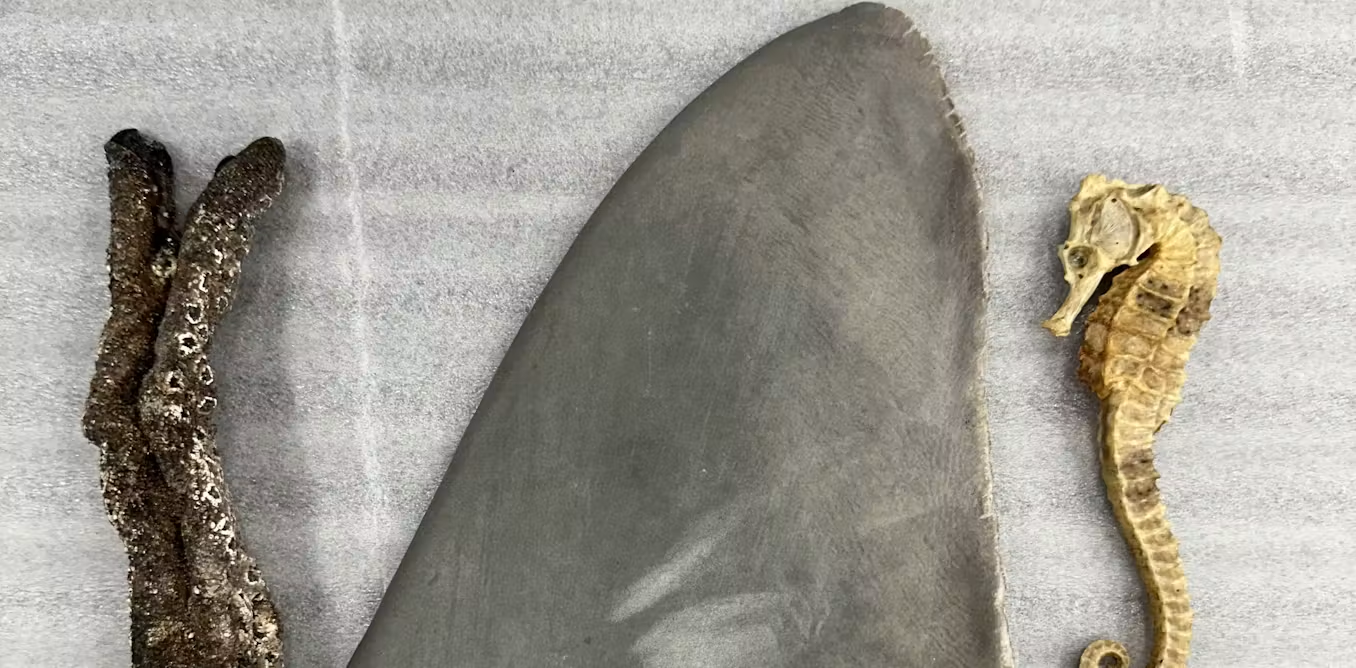
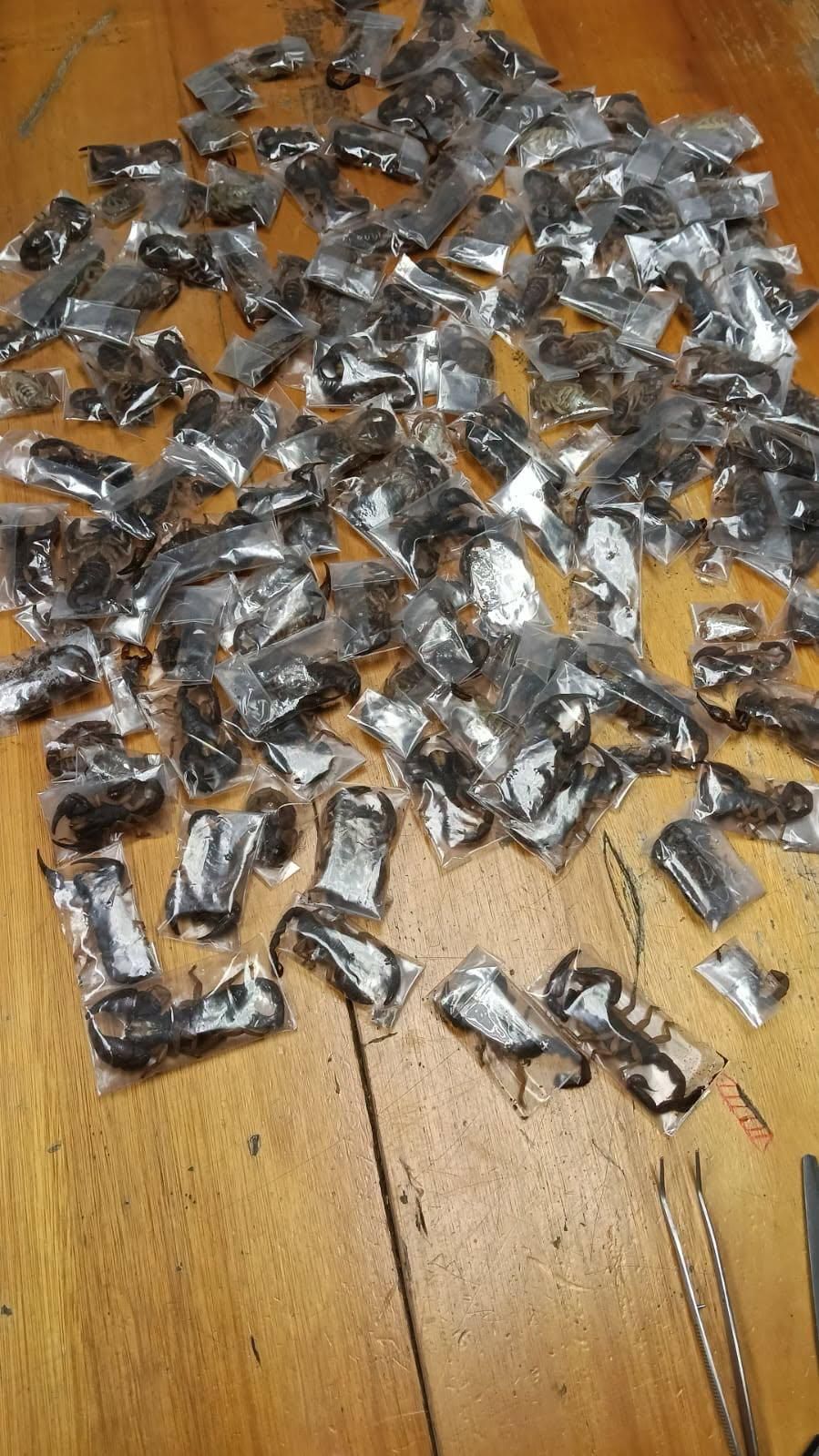
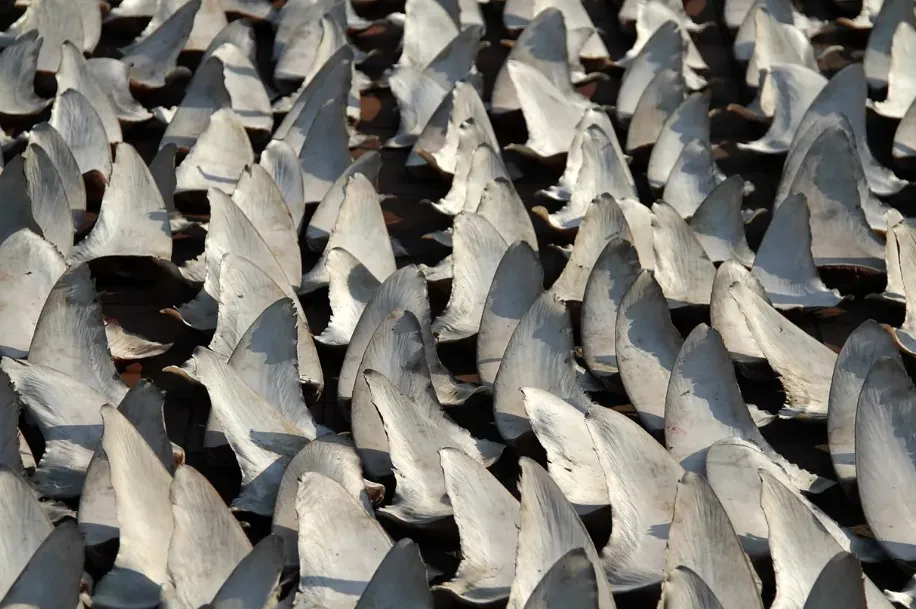
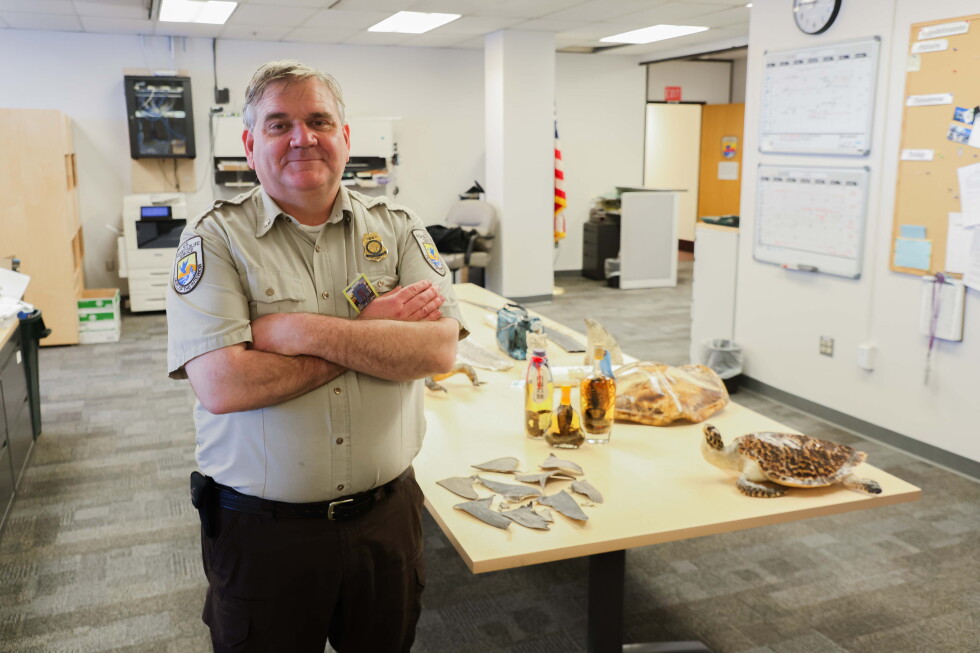
Chris Andrews was working the belt at the Anchorage airport last fall, watching international cargo arrive.“An employee said, ‘Hey, this box stinks, Chris,’” Andrews recalled.The box was labeled “car parts.”Other stinky boxes came down the belt. When opened, Andrews found they were filled with thousands of shark fins headed to Hong Kong, likely intended for shark fin soup. Eventually, officers confiscated 1,600 pounds of shark fins — from nearly 17,000 sharks — around the country. It was a major case, all linked to those first boxes Andrews found in Anchorage.“We wouldn’t have gotten that shipment if it didn’t stink,” he said.Andrews is a wildlife inspector for the U.S. Fish and Wildlife Service. He and his team are in charge of intercepting trafficked wildlife. They enforce international conservation treaties that protect more than 40,000 species and national laws like the Marine Mammal Protection Act.
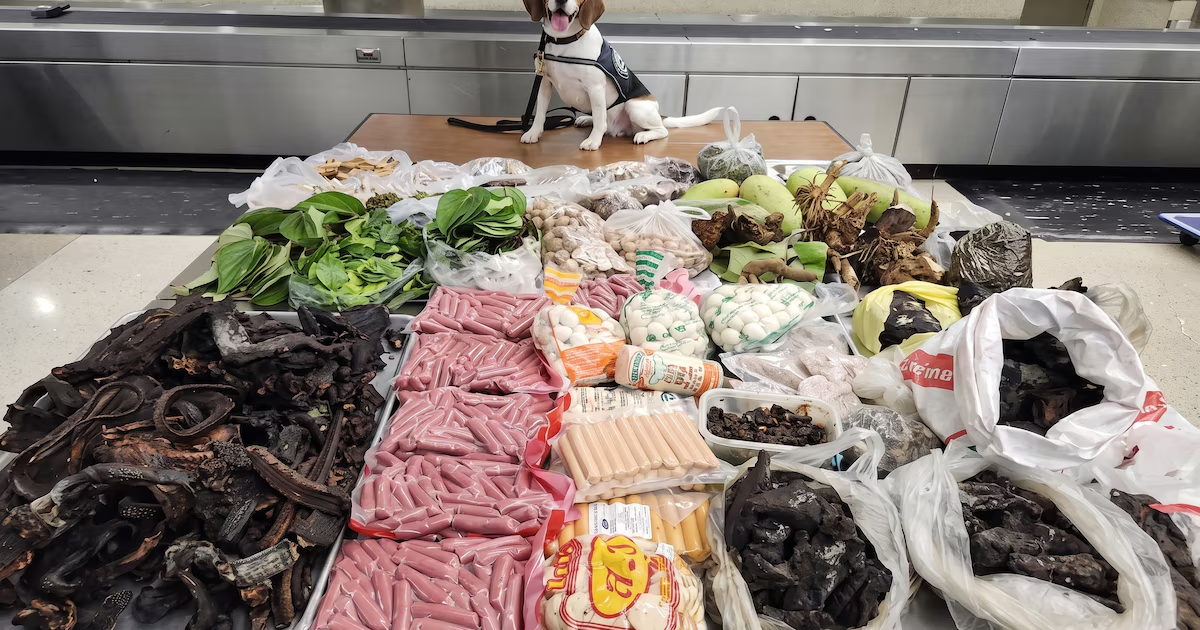
It’s weird work, and he loves it.They find things every day at airports and docks around Alaska. They’ve intercepted commercial shipments of designer bags made of crocodile or python leather and also ill-advised international souvenirs. Once, Andrews stopped a passenger carrying two taxidermied lizards, each as long as a skateboard. The passenger had walked off a plane carrying a big garbage bag over his shoulder. Andrews said the tails sticking out made him suspicious.