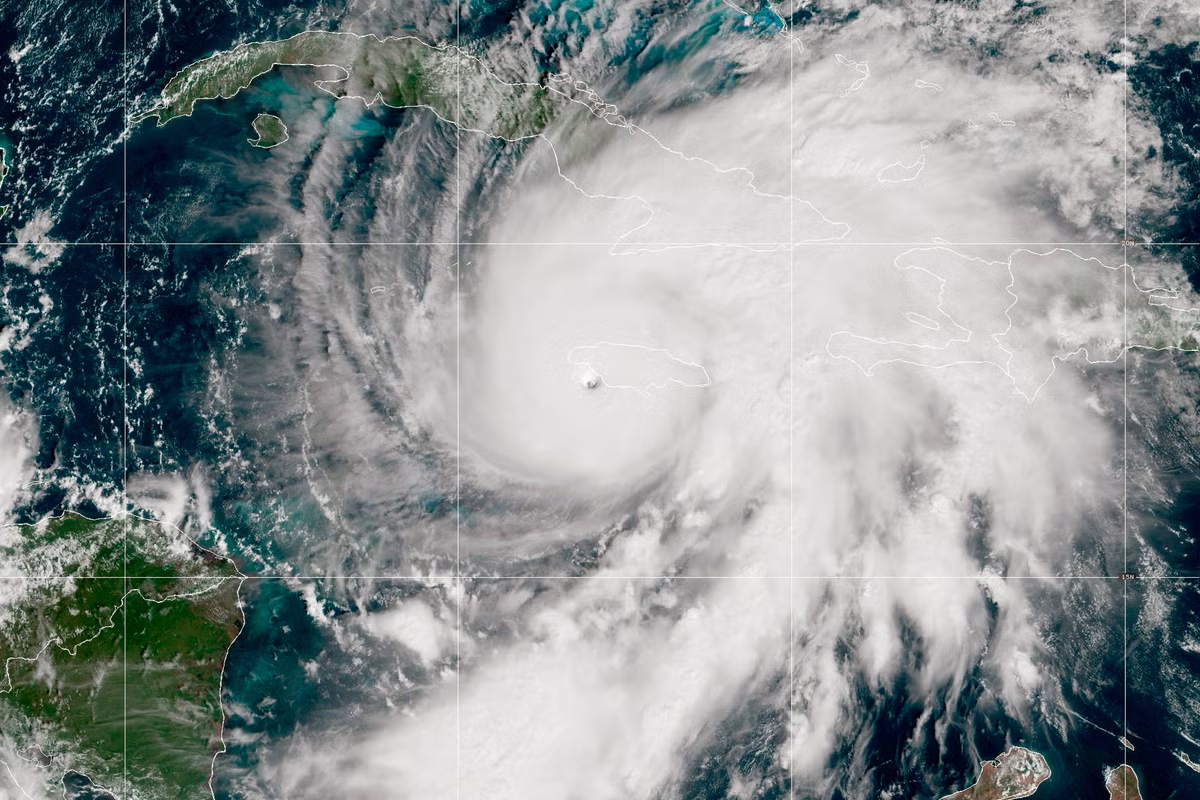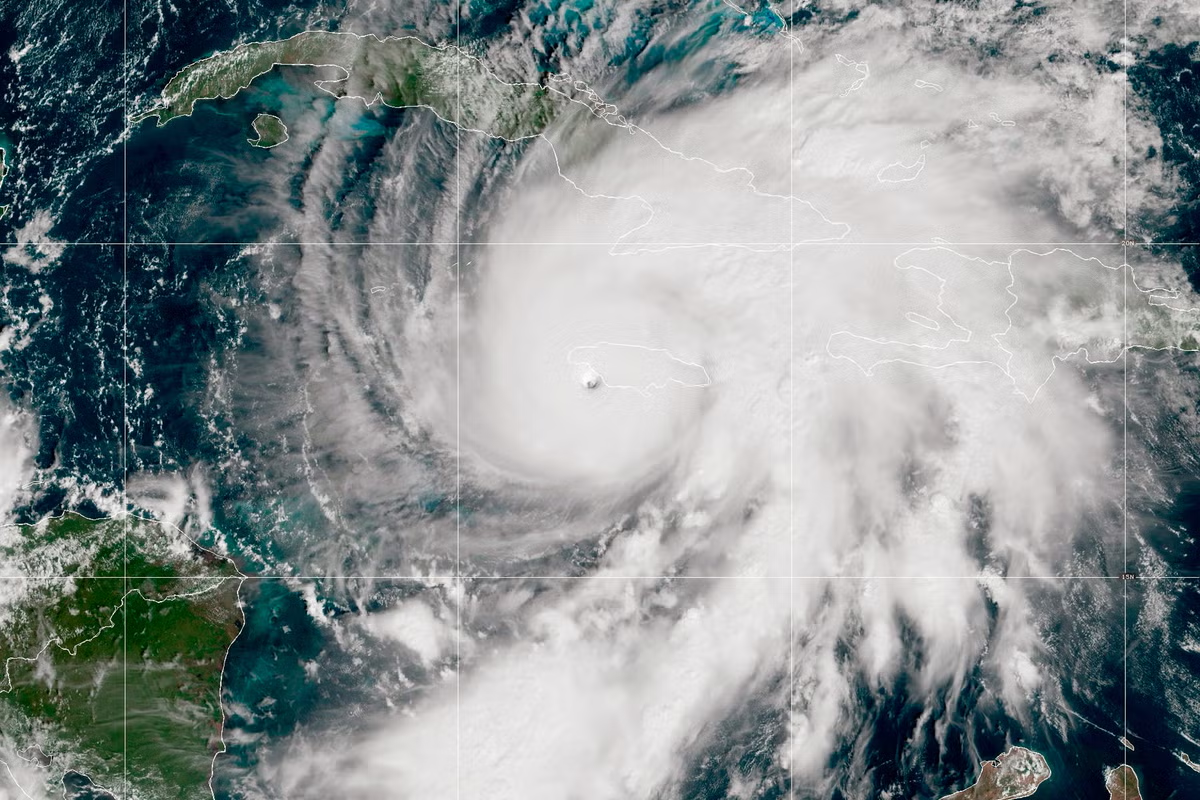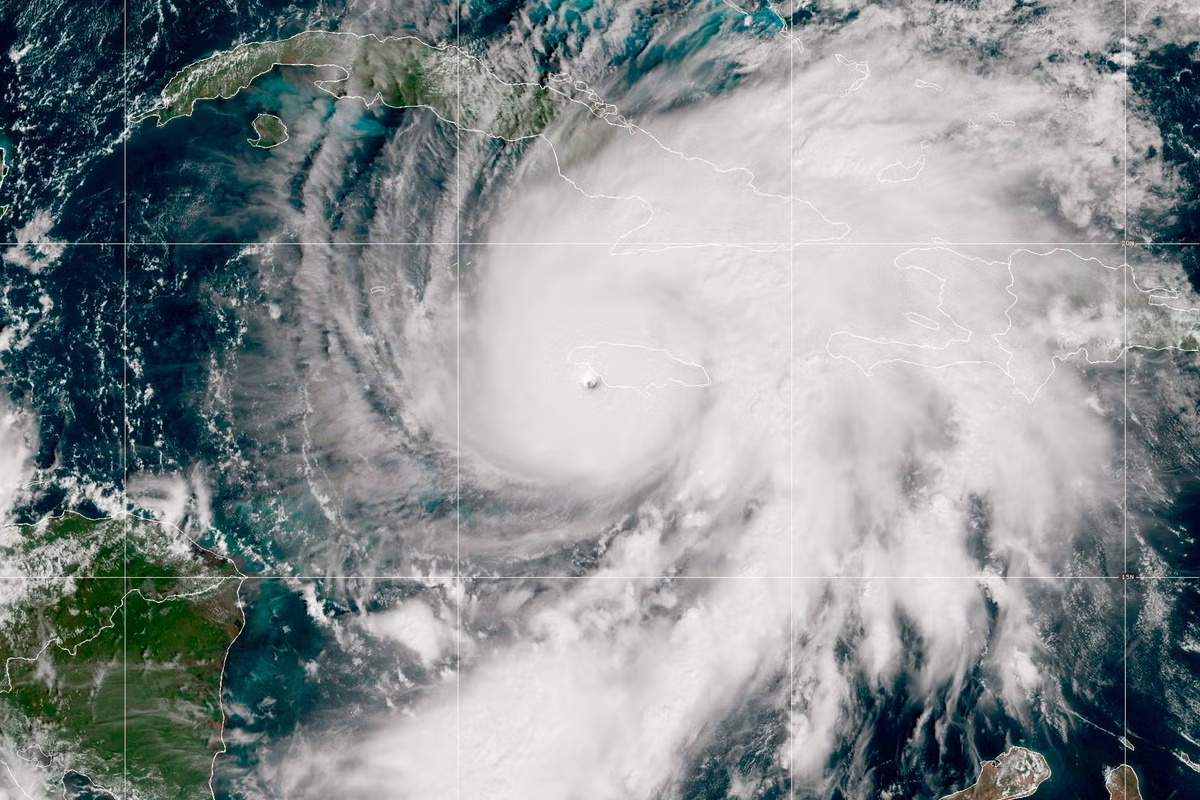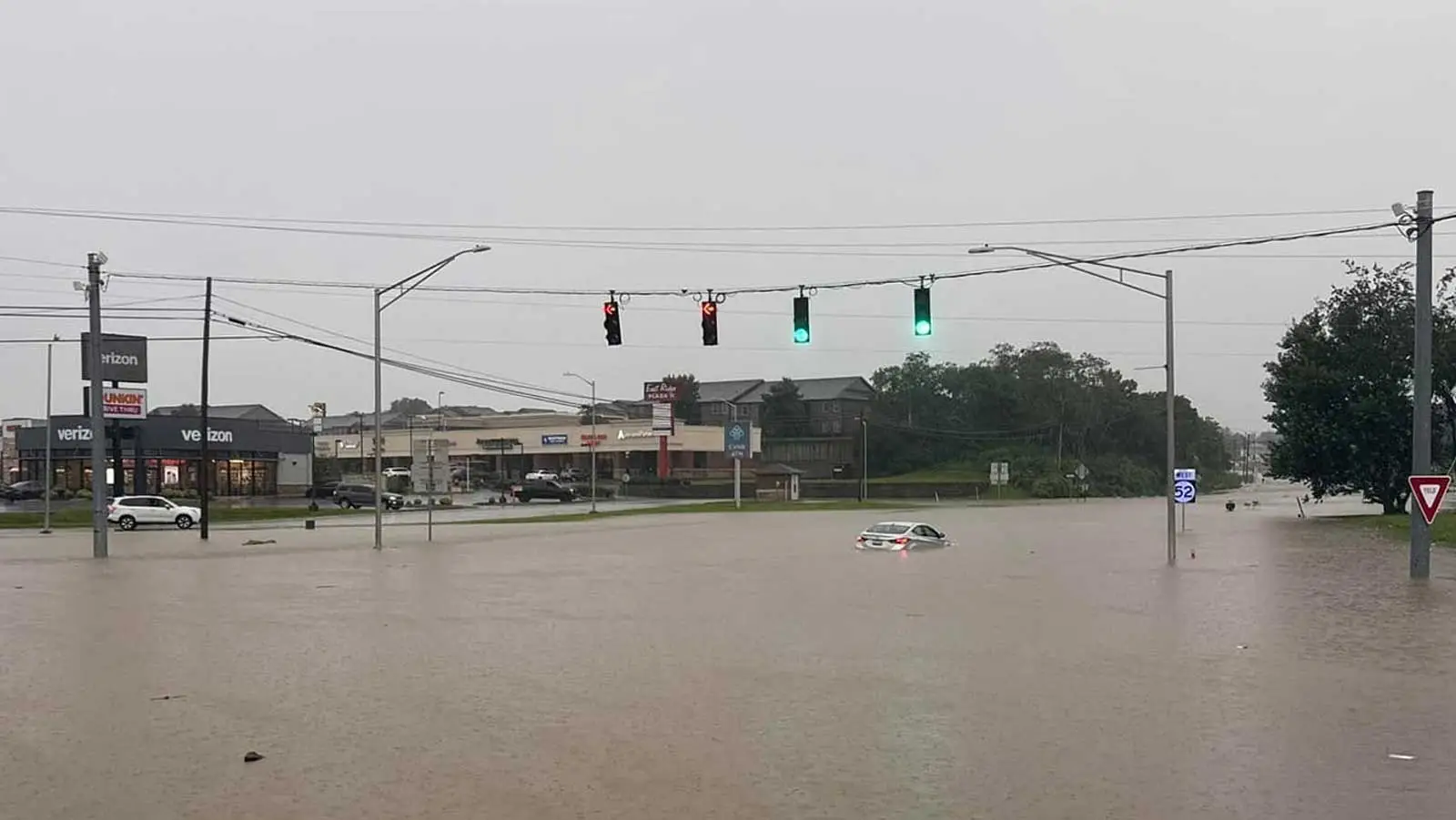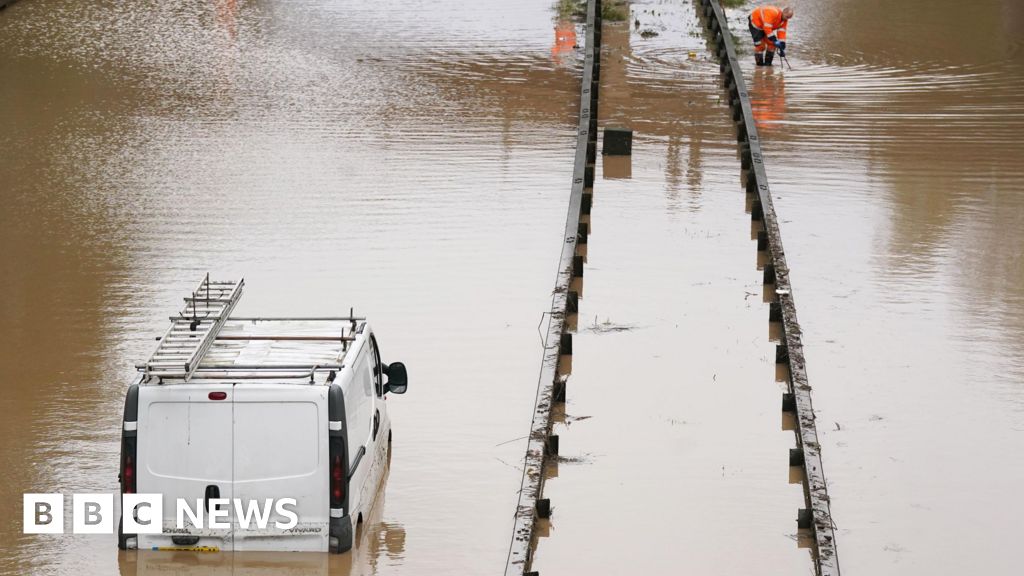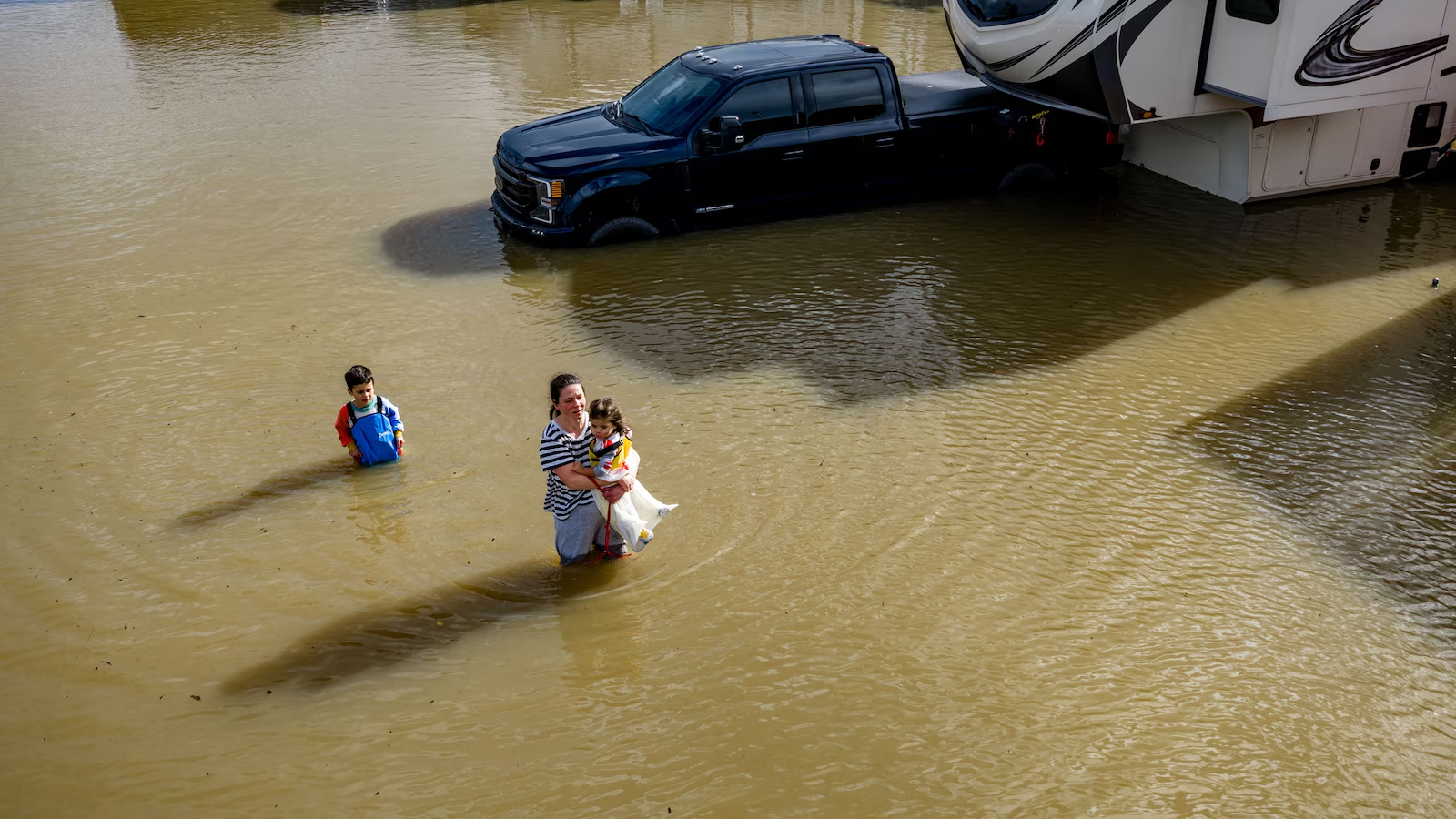
Our novel artificial intelligence model can predict extreme storm surges with high accuracy, including under future climate conditions. Because the AI model runs much faster, it can help researchers and practitioners better assess coastal flood risk for adaptation planning.
Sea levels are rising, and with them, the risks posed by extreme coastal events, such as storm surges – temporary rises in sea level caused mainly by storms, which are among the primary drivers of coastal flooding. For the more than 10% of the global population living in low-lying coastal regions, the combination of gradual mean sea level rise and increasingly intense extreme events represents a growing threat.
For coastal planners and policymakers, the key issue is not just the expected rise in mean sea level, but the changes in the likelihood and severity of extreme events. Infrastructure design, urban planning and disaster preparedness depend on estimates of extreme event scenarios.
However, projecting extreme sea level events remains a major scientific challenge, as they are driven by complex, nonlinear interactions between tides, atmospheric forcings, ocean dynamics and local coastal features. This means that uncertainty in extreme projections remains highly unquantified. Small differences in model assumptions can lead to large differences in predicted outcomes, especially for extremes. This uncertainty means a lot for planners, civil protection and, ultimately, the protection of human lives and assets.