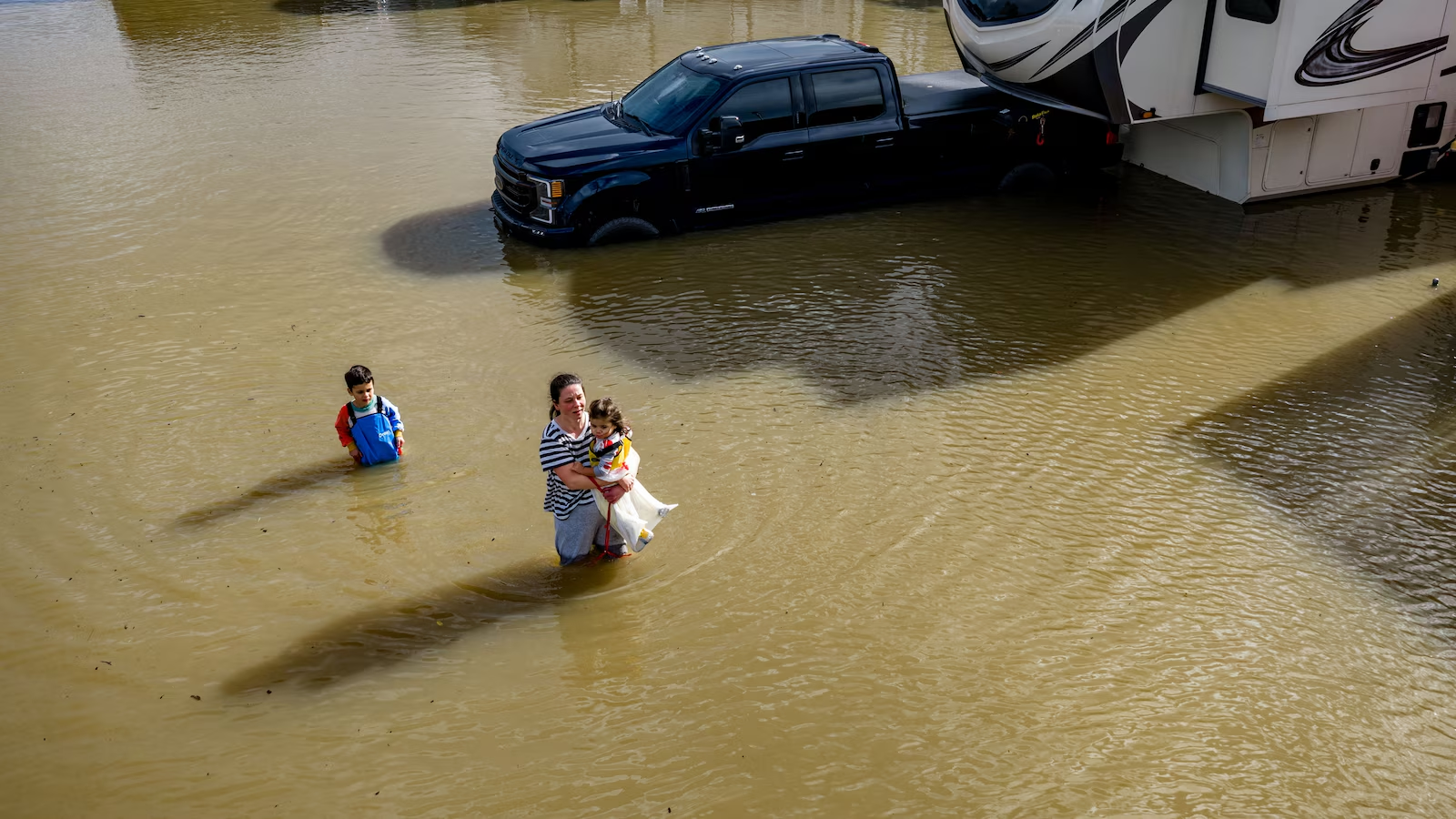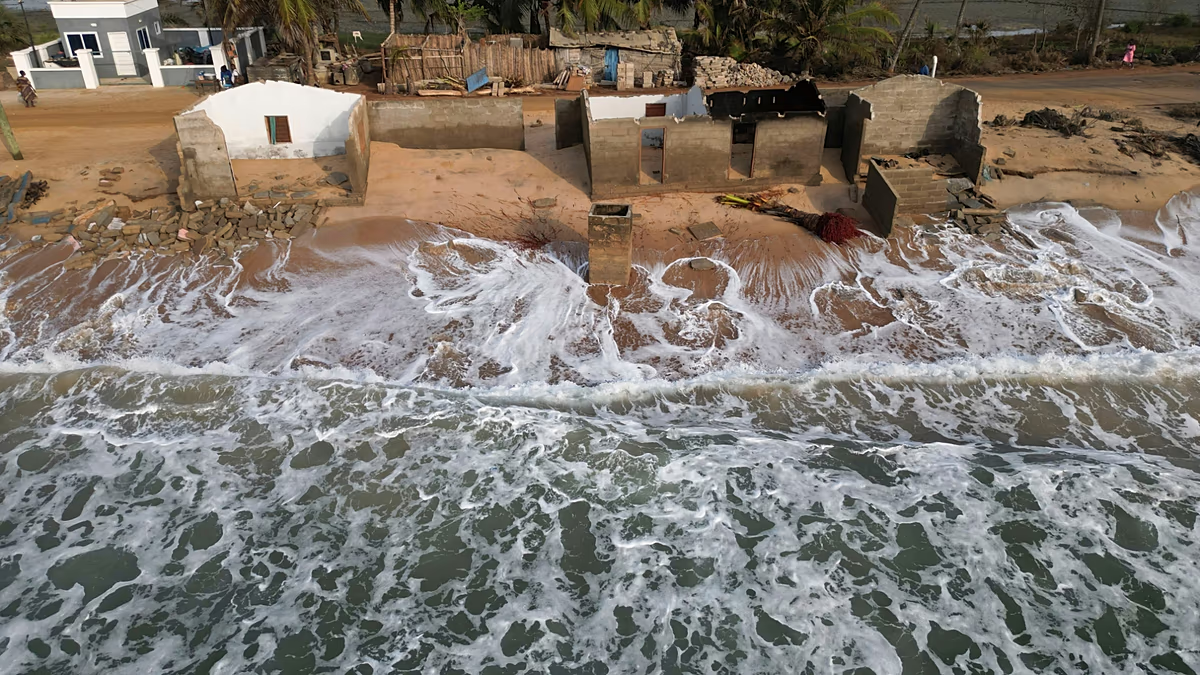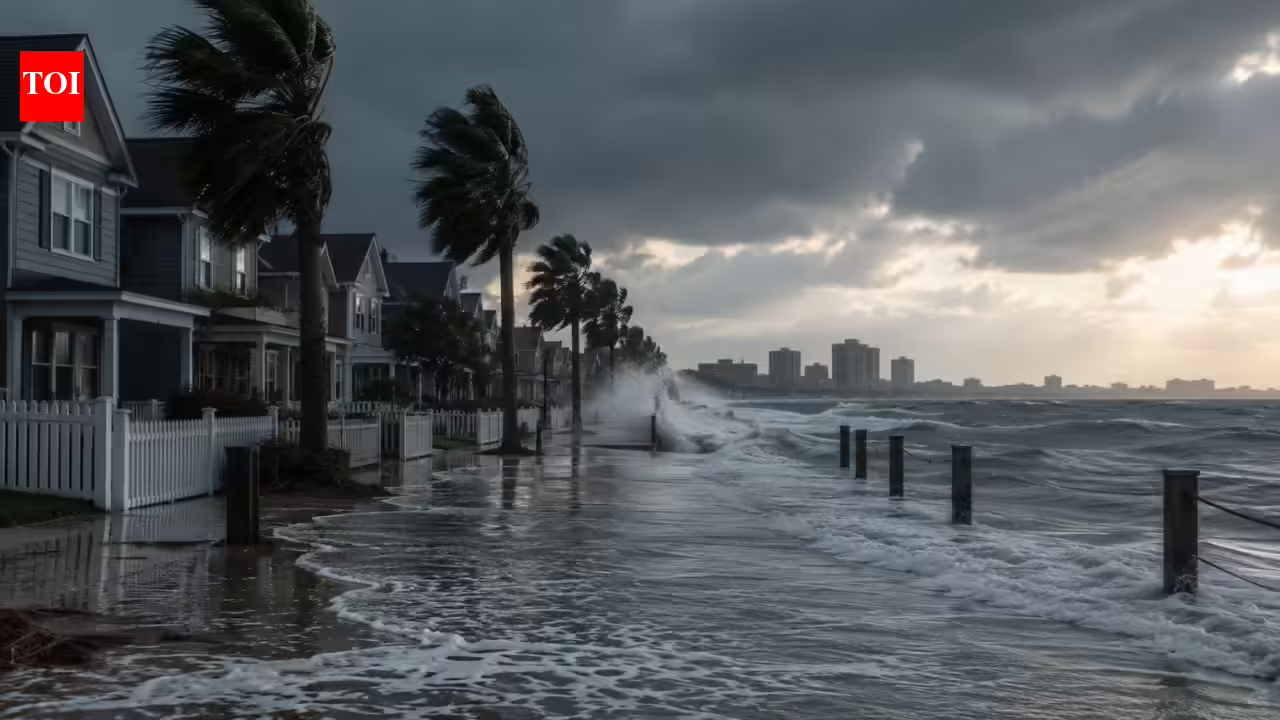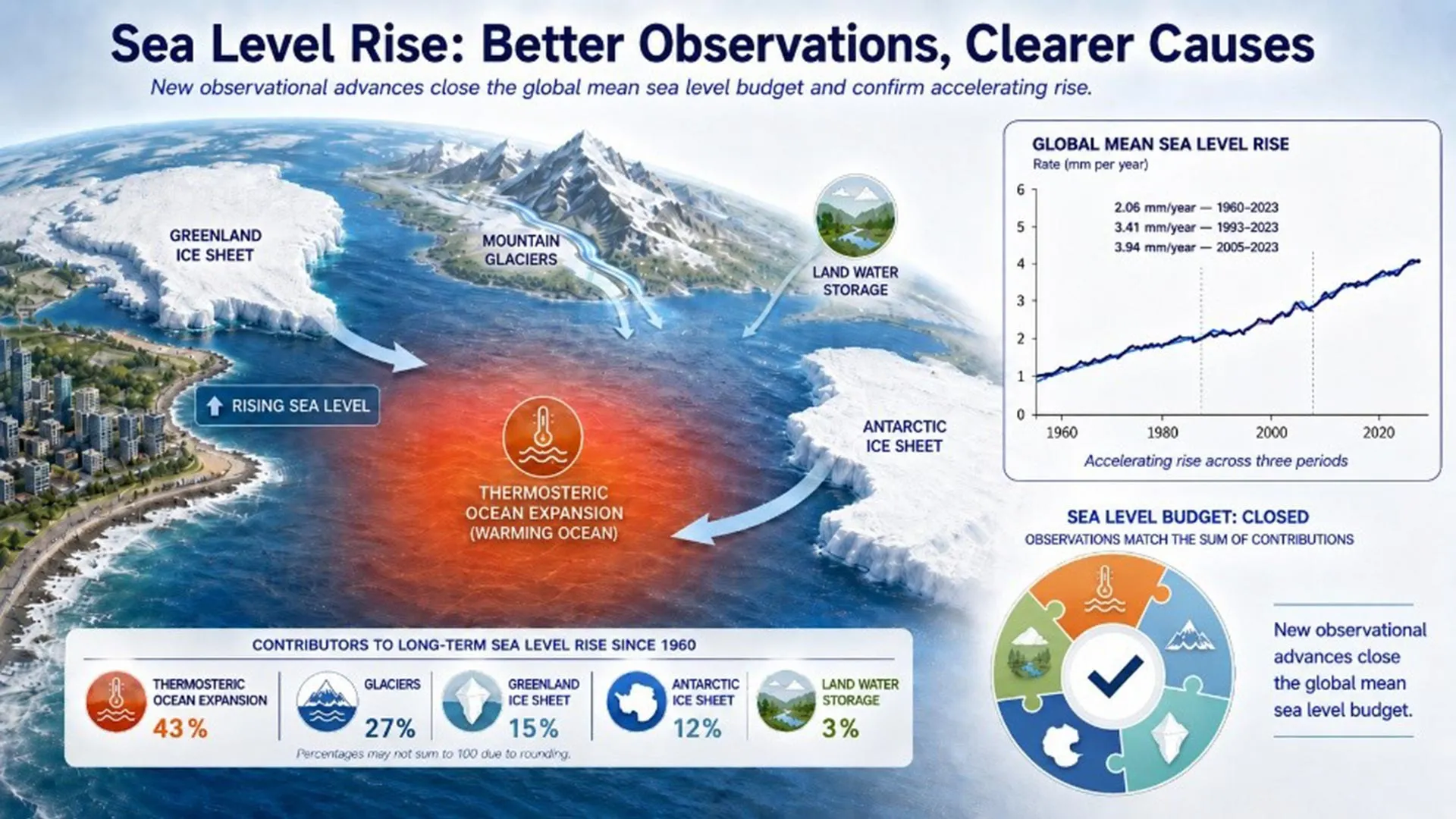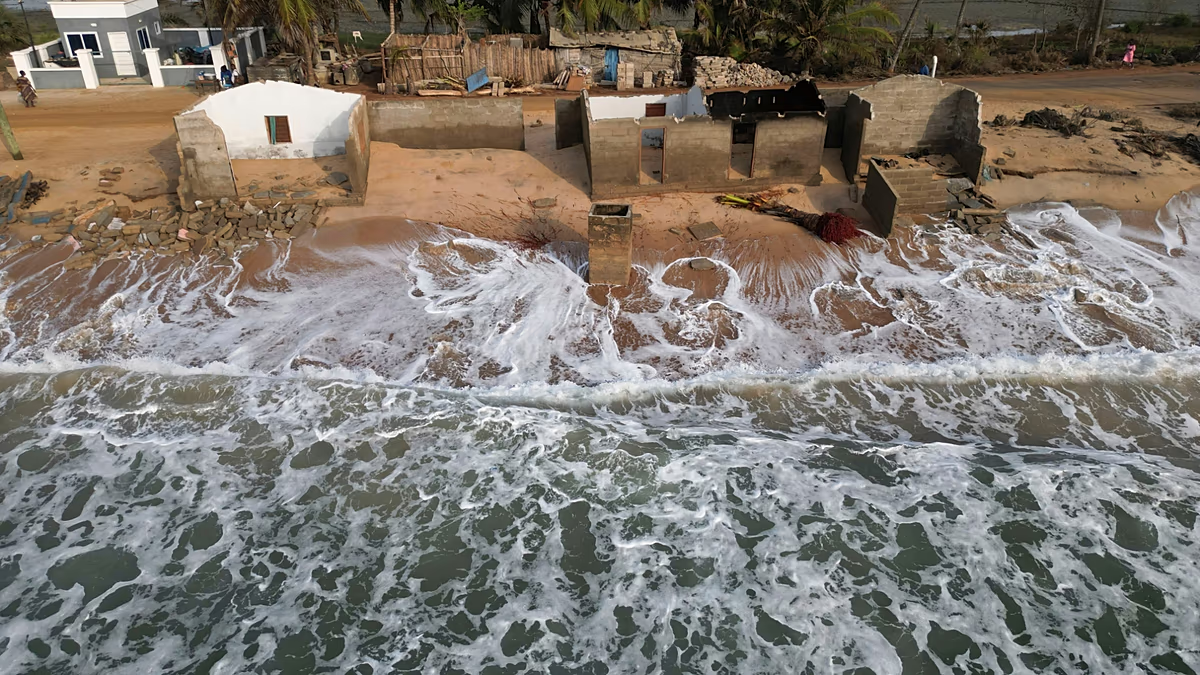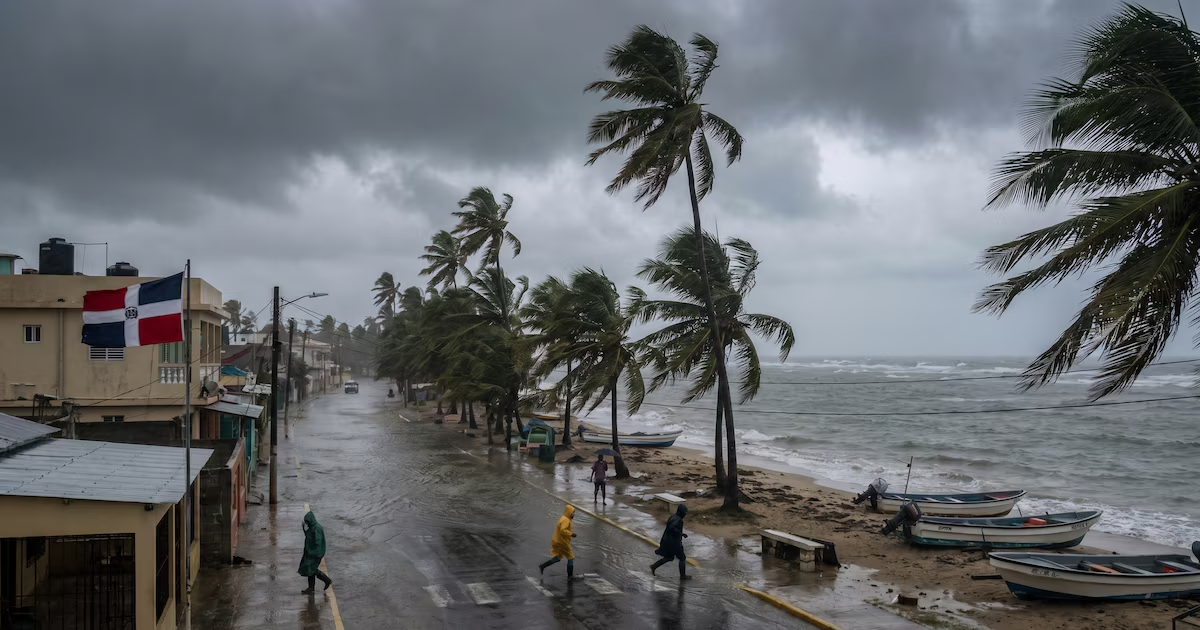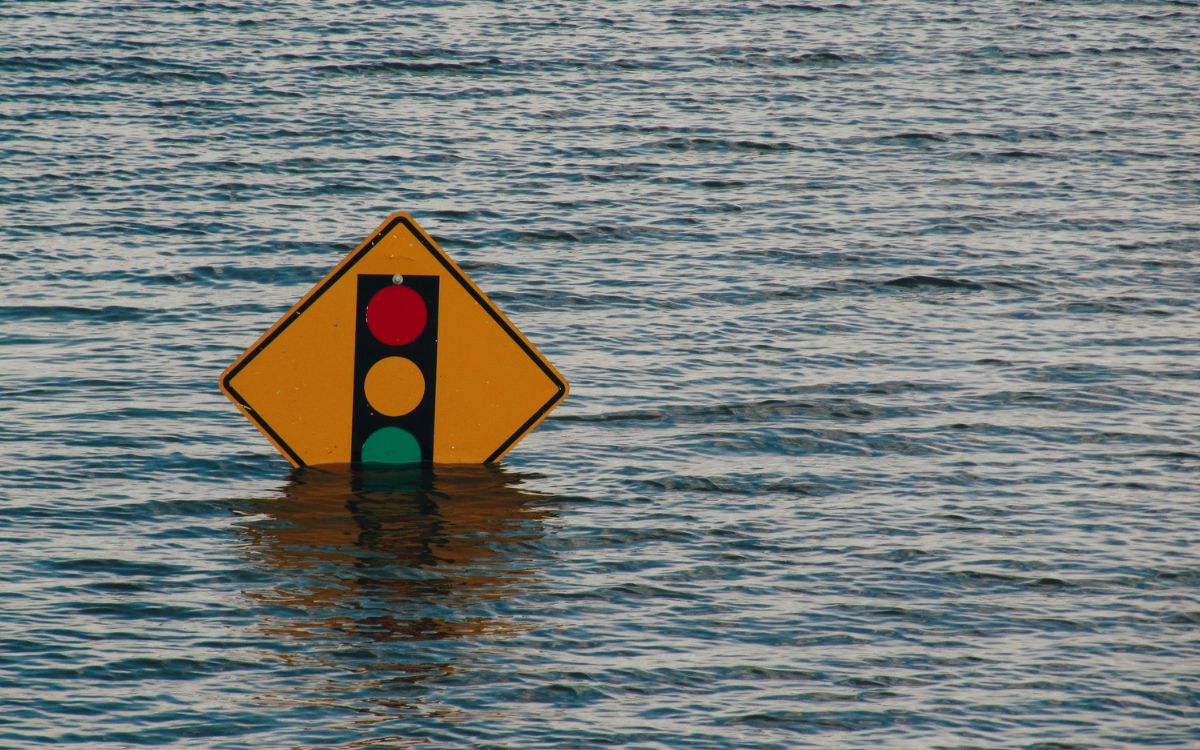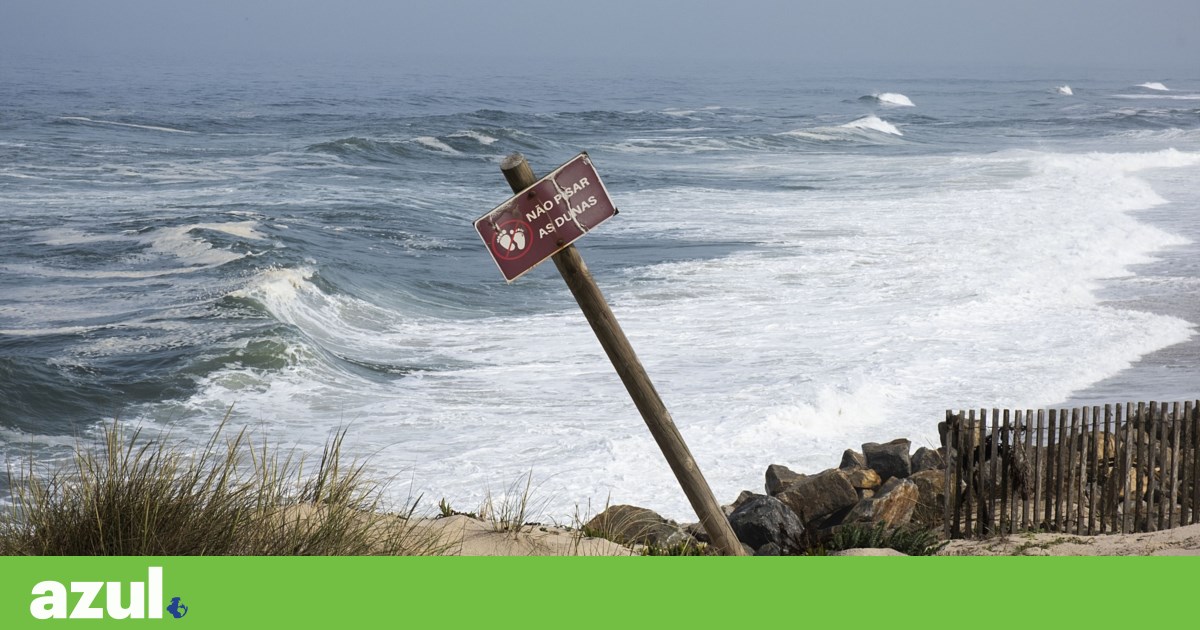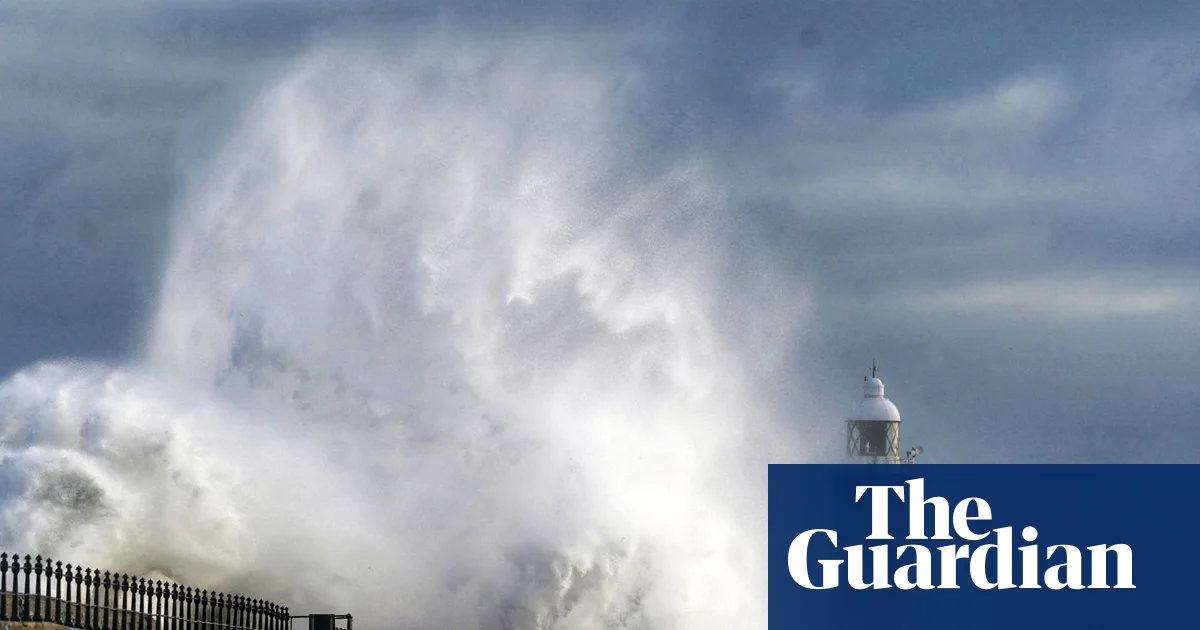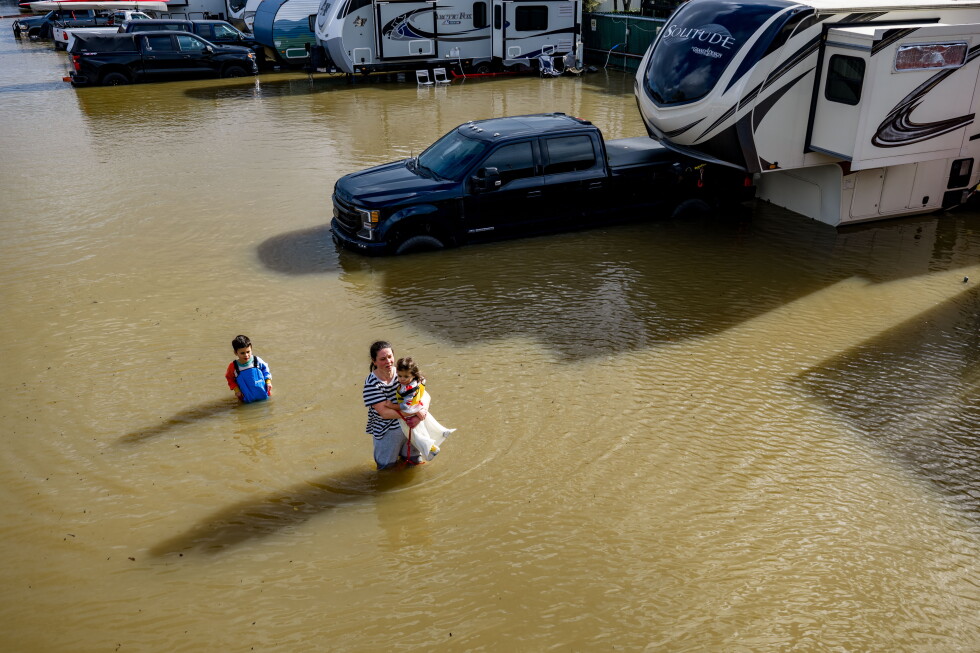
Human-driven sea level rise has increased how often extreme coastal flooding occurs around the world, according to a study released Wednesday. Experts say the findings are crucial for coastal infrastructure and flood planning as the planet warms. Extreme flooding events are caused by a combination of storm surges, high tides and unusual sea level rise alongside natural climate patterns and human influence. Hurricane Ian in 2022, which caused significant flooding, is an example of a hurricane that scientists said was strengthened by climate change. Coastal flooding threatens hundreds of millions of people living in low-lying coastal areas across the globe each year, causes billions of dollars in damage and can be deadly.Extreme sea level events that were once historically rare — those with a 1% chance of happening in a given year — are now, on average, about 12 times more likely, according to a new study published in the journal Nature Climate Change on Wednesday. Those events have become about four times more likely due to human-driven climate change, the research shows.
The researchers examined the frequency of extreme sea level events — which are the drivers of coastal flooding — by considering long-term records from tide gauges at more than 100 sites alongside climate modeling. The study looked at the increase from 1900 to 2005. It was limited through 2005 due to the availability of models that attribute instances to human-driven climate change. The authors acknowledged the results were conservative, given that human contributions to changes in coastal extremes have only increased since then.