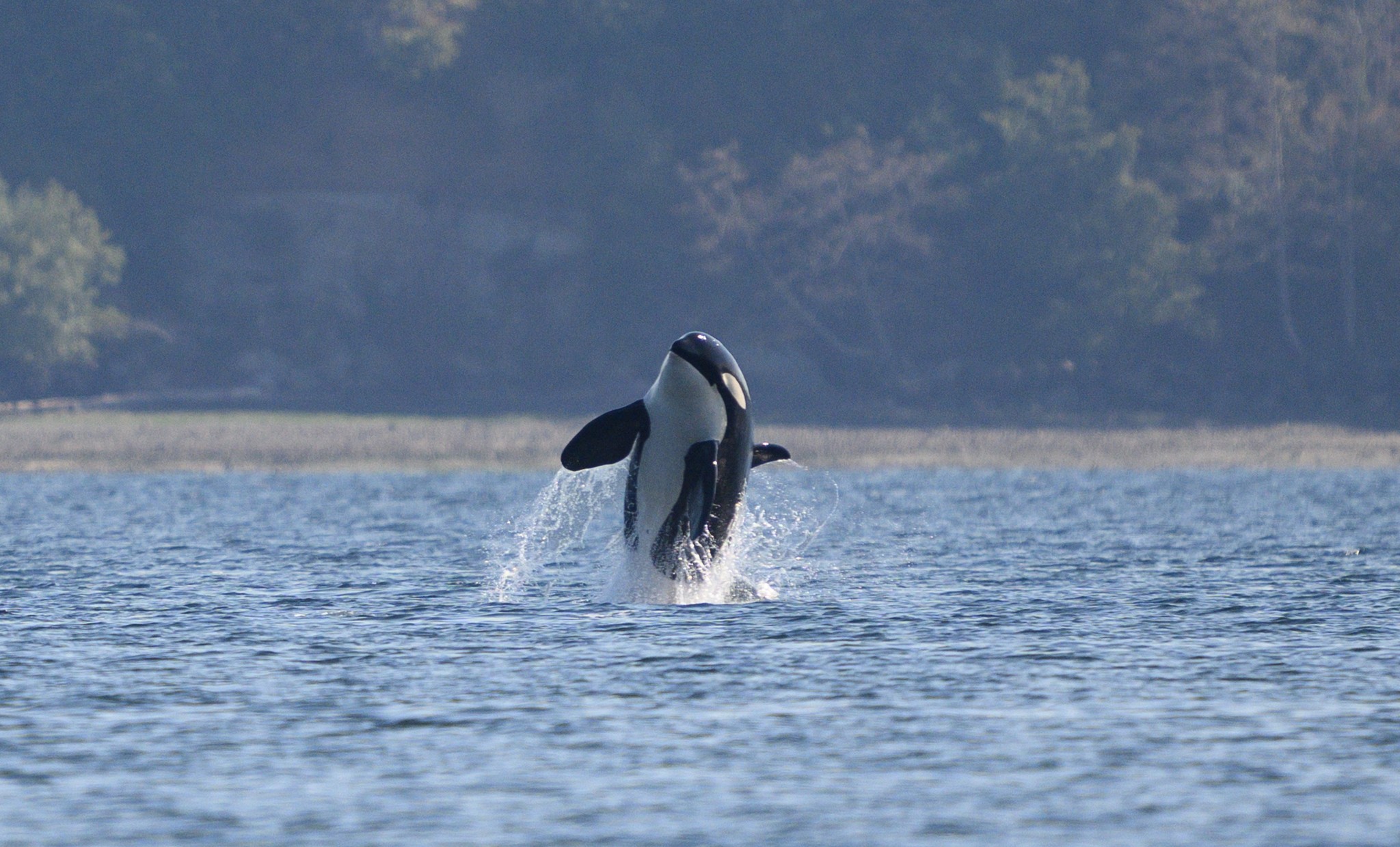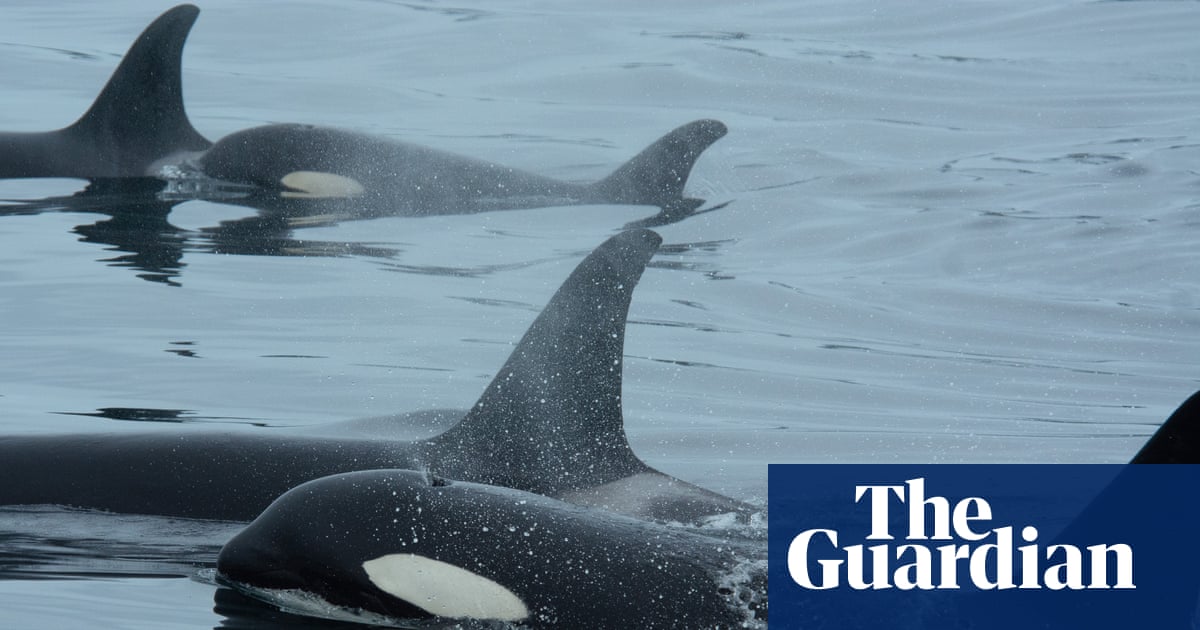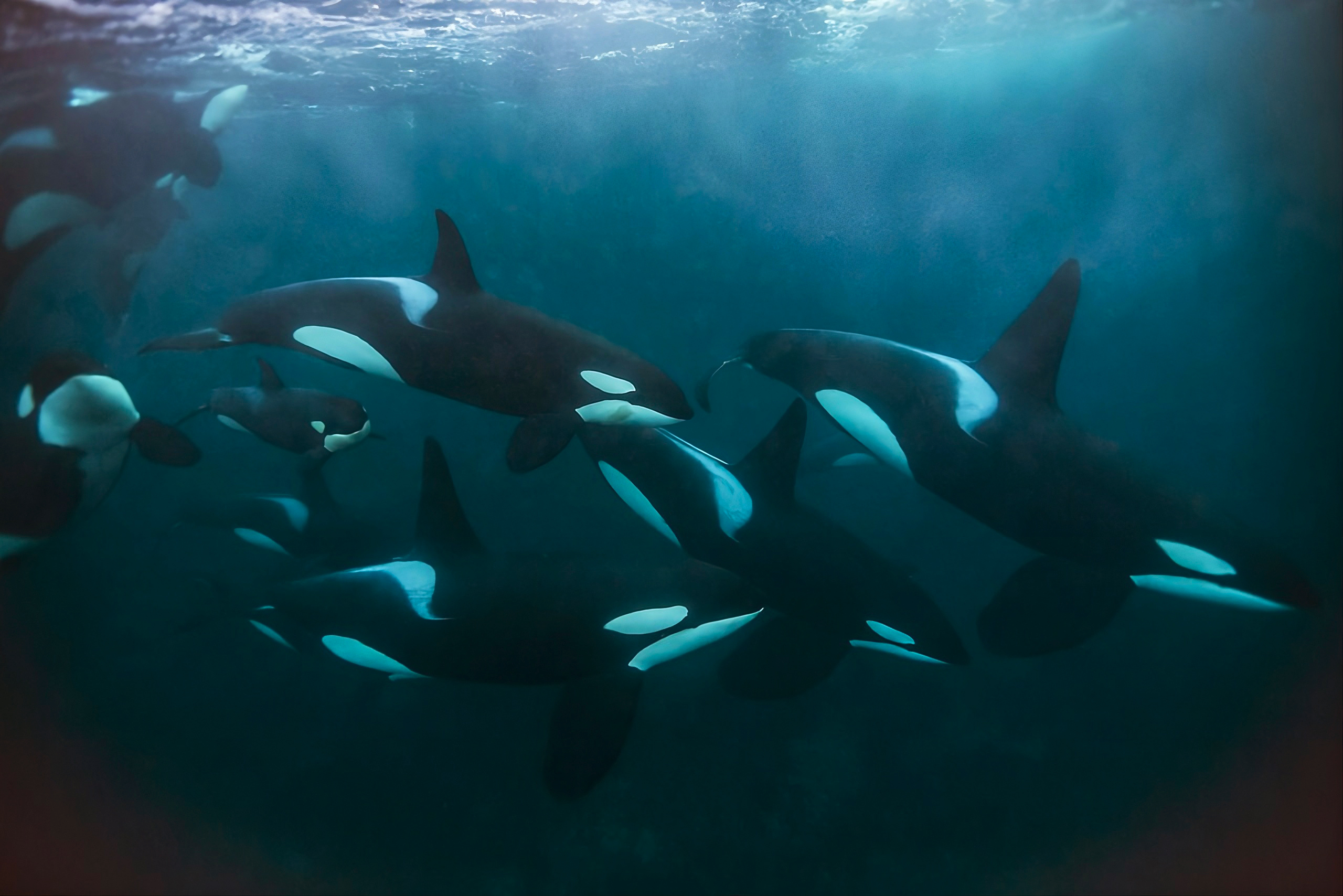
An AI initiative is listening to southern resident orcas in real-time to help them steer clear of vessels and noisy coastal construction.OrcaHello builds on a network of underwater microphones to detect orcas and push out alerts that have helped pause coastal construction and redirect boat traffic as the orcas pass by.Southern resident orcas are considered an endangered subspecies, with only 76 remaining individuals.Major threats to the species include a decline in their food sources, primarily Chinook salmon, along with noise pollution and vessel traffic.
Where are the orcas at? And at what times are they making the most calls?
Answering those questions with pinpoint accuracy is crucial to protecting the famed “southern resident” orcas off North America’s northern Pacific coast.
An AI-driven initiative is now helping parse through large amounts of ocean sounds to identify and detect the orcas in real time. OrcaHello is working with scientists and government agencies to detect the presence of this specific group of orcas and minimize the impact that coastal activities may have on them.
Southern resident orcas (Orcinus orca ater) are considered an endangered subspecies made up of three distinct pods. According to the Center for Whale Research, a U.S.-based nonprofit that studies this group exclusively, there are only 76 remaining individuals of these orcas as of December 2025. A decline in the populations of Chinook salmon (Oncorhynchus tshawytscha), their primary source of food, along with noise pollution and vessel traffic are major threats to their survival.