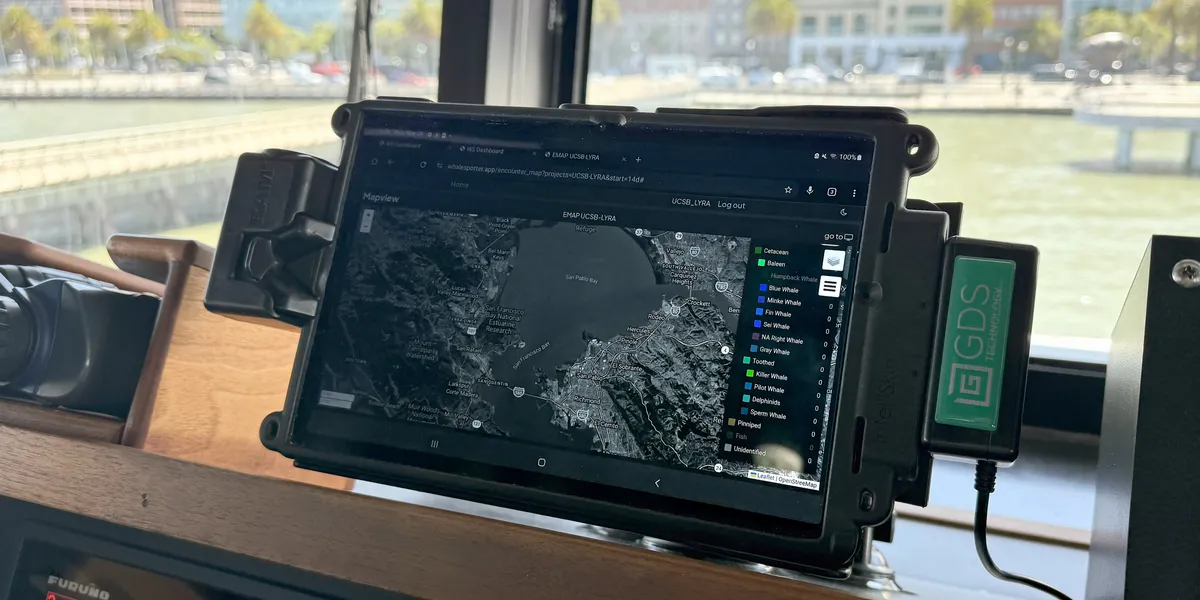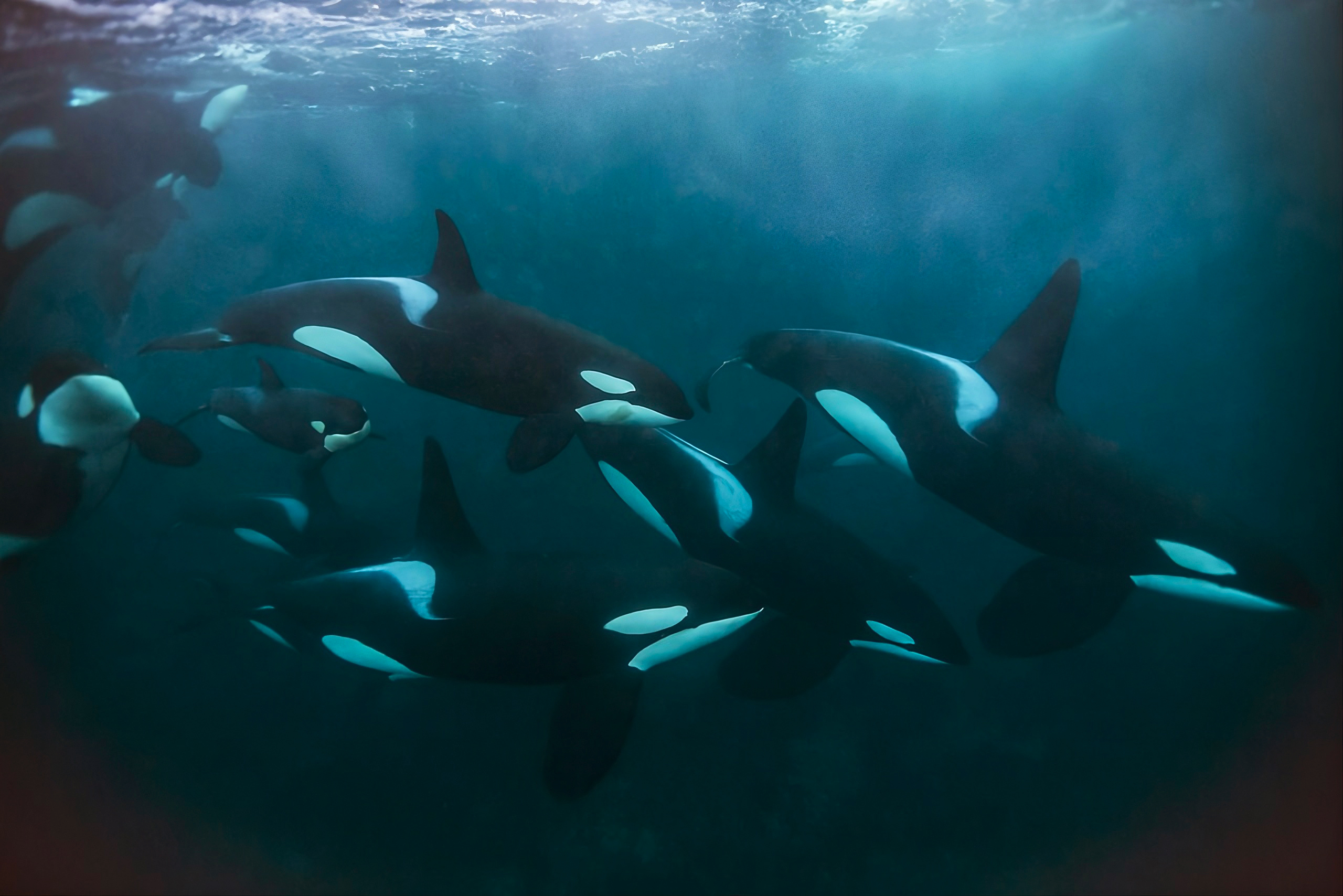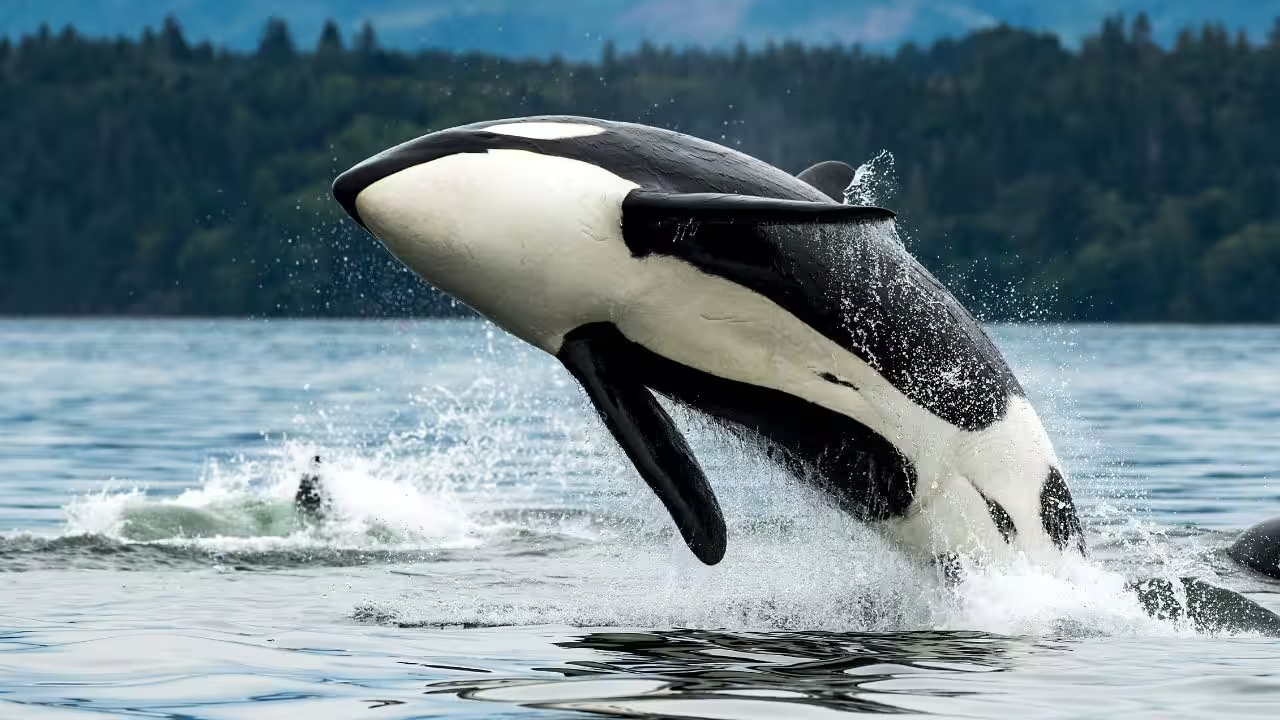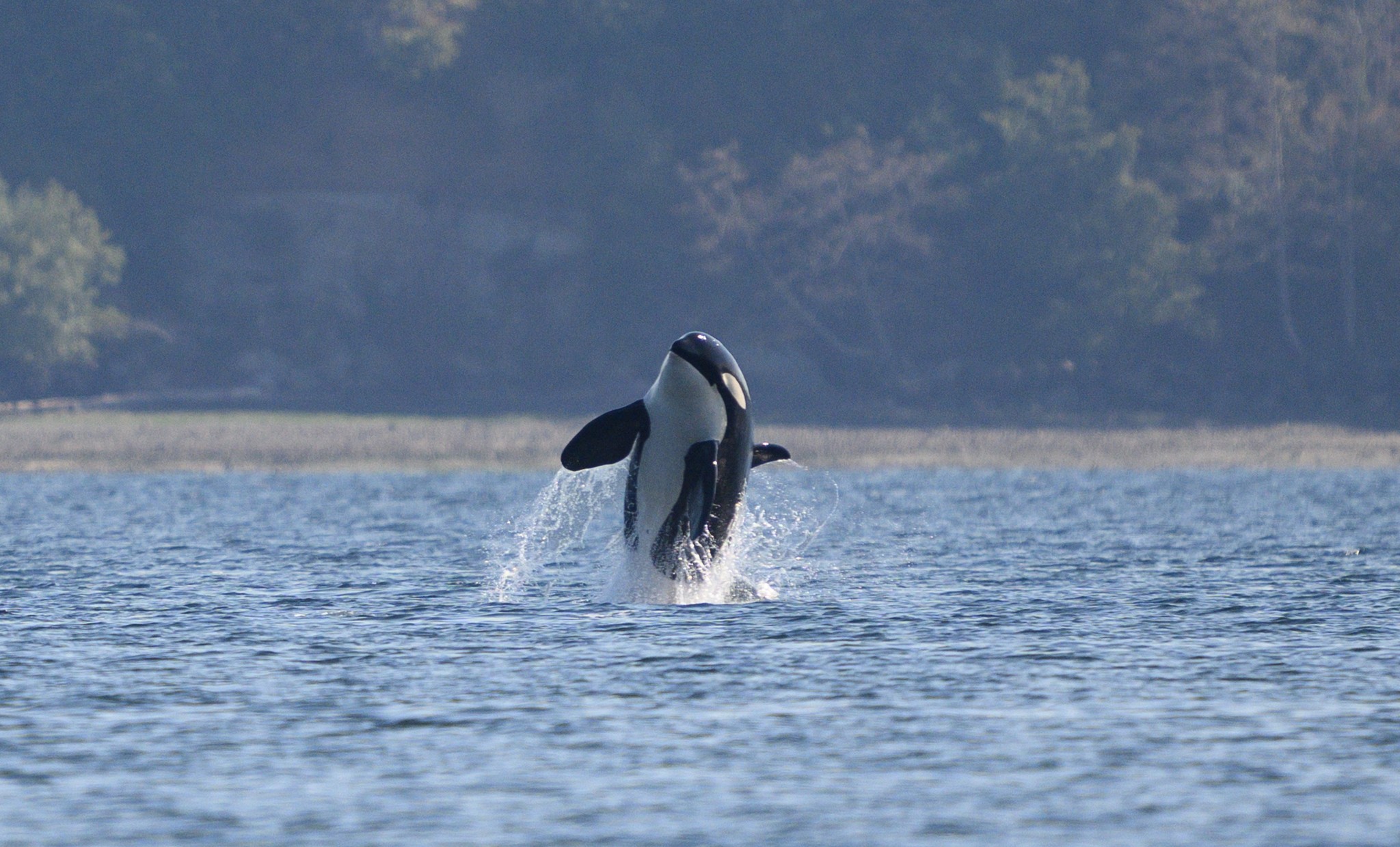
Artificial intelligence is listening to orca calls in real time and helping to reduce their exposure to underwater noise. The effort is focused on an endangered orca subspecies in the Salish Sea, off the coasts of the northwestern U.S. and western Canada, reports Mongabay writer Abhishyant Kidangoor.
The southern resident orcas (Orcinus orca ater), made up of just three pods, are one of the world’s most endangered marine mammal populations. There are an estimated 76 individuals remaining in the wild, as of December 2025.
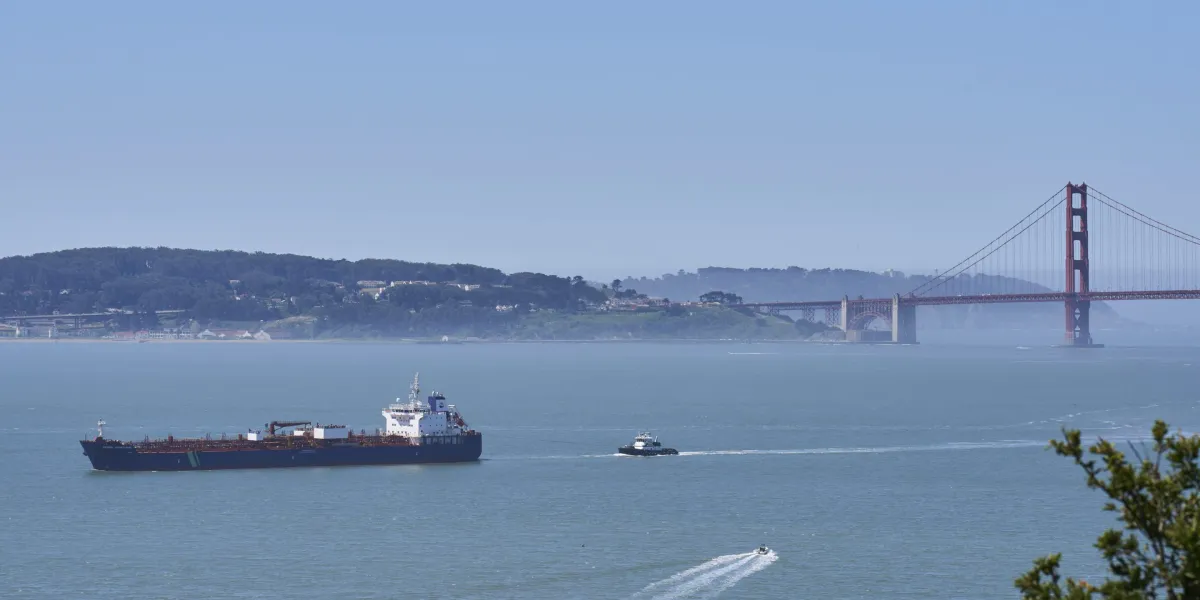
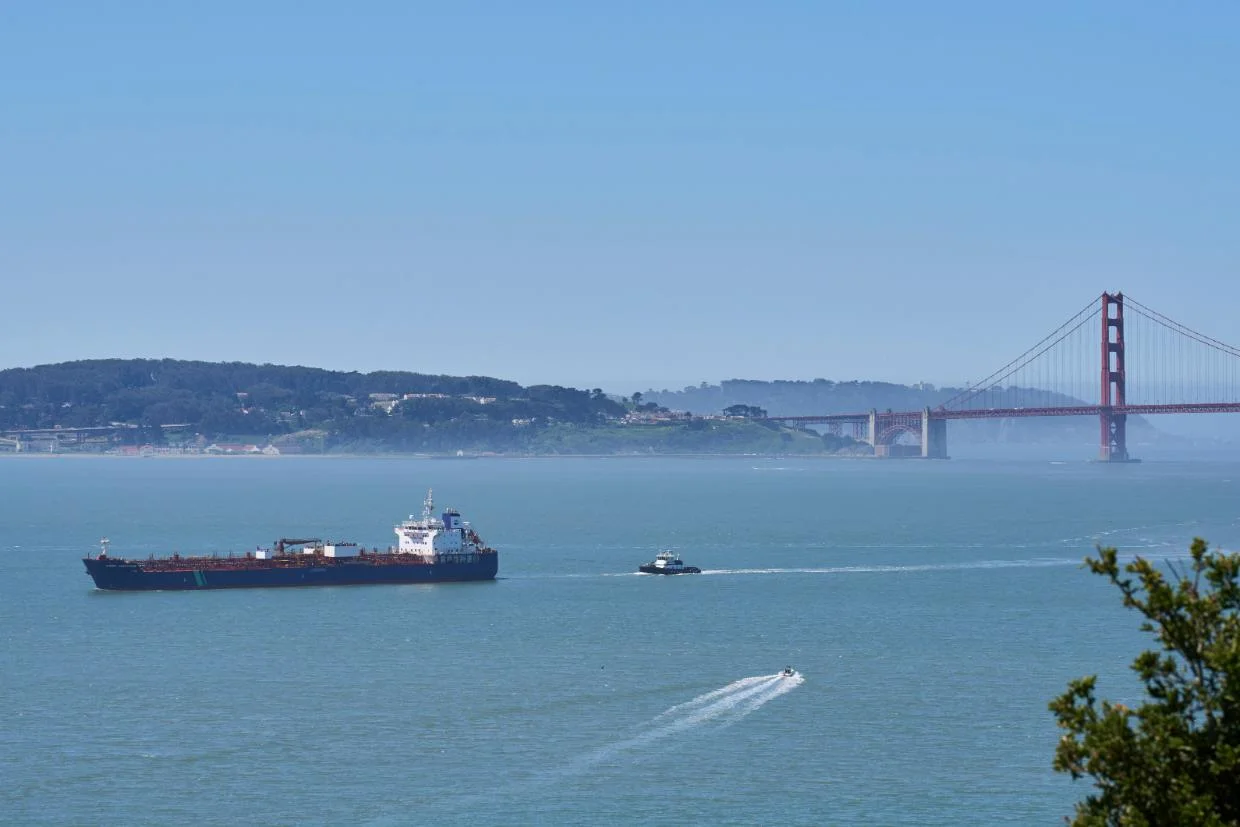
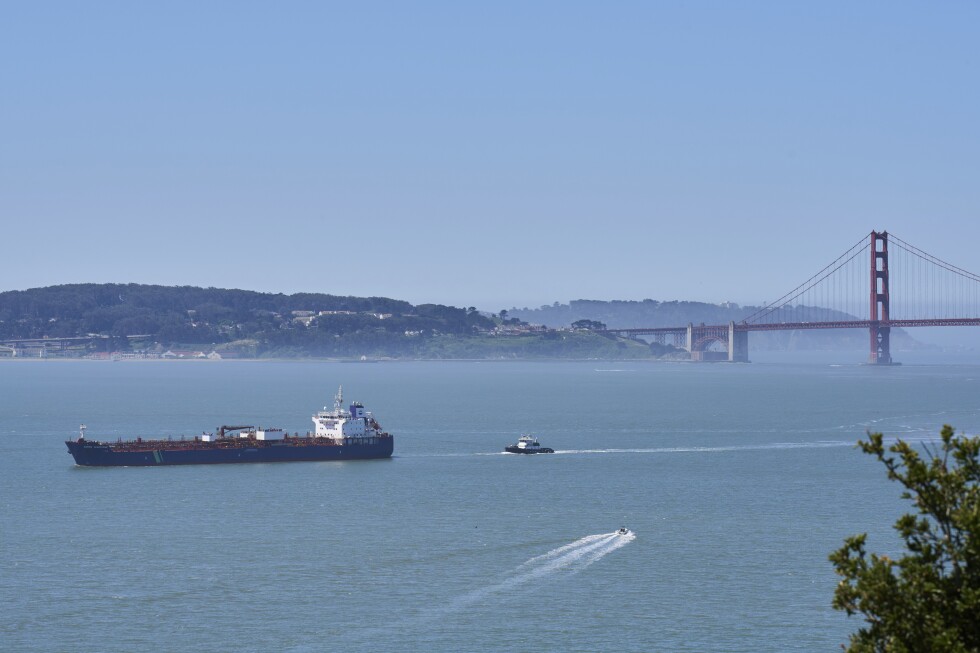
Vessel traffic and underwater noise are active threats to their survival because orcas use clicks and echolocation to hunt and locate their pod in the ocean. Constant noise from vessels makes it more difficult for them to communicate and navigate.
Noise from a typical modern ship can raise underwater sound levels by 12 to 17 decibels, at frequencies lower than natural ambient noises, which can be extremely disruptive for orcas.
The decibel scale isn’t linear; a 10-dB increase means the sound intensity is 10 times stronger. Sound also travels faster and farther underwater than in air.