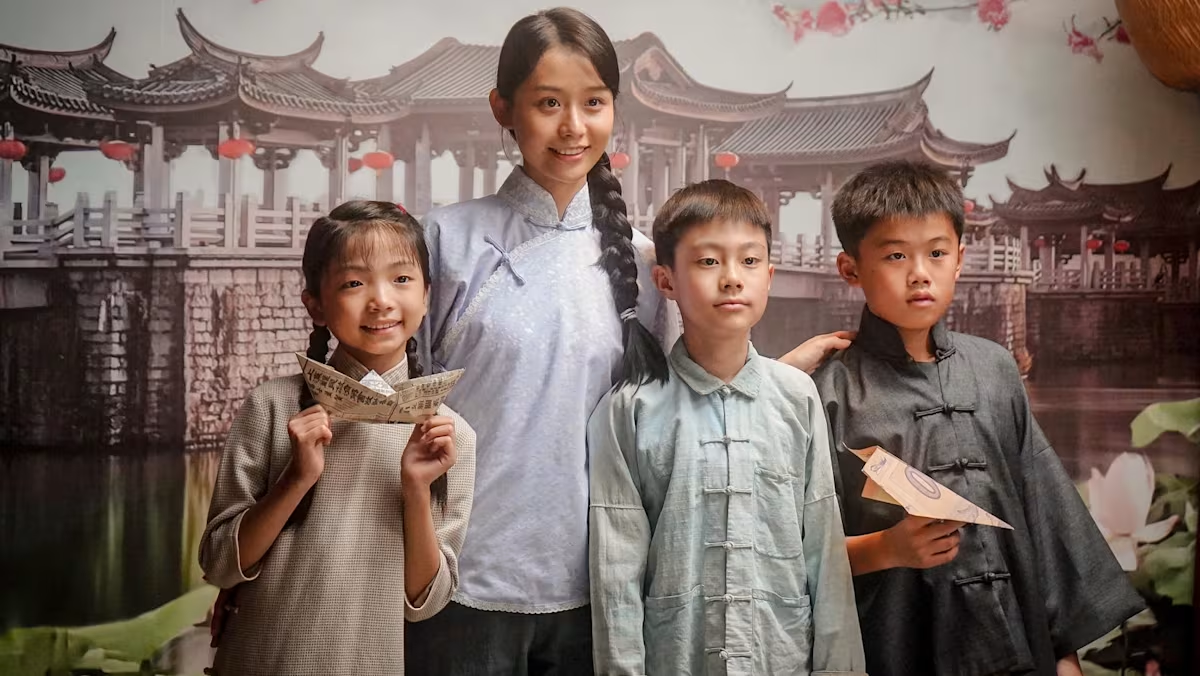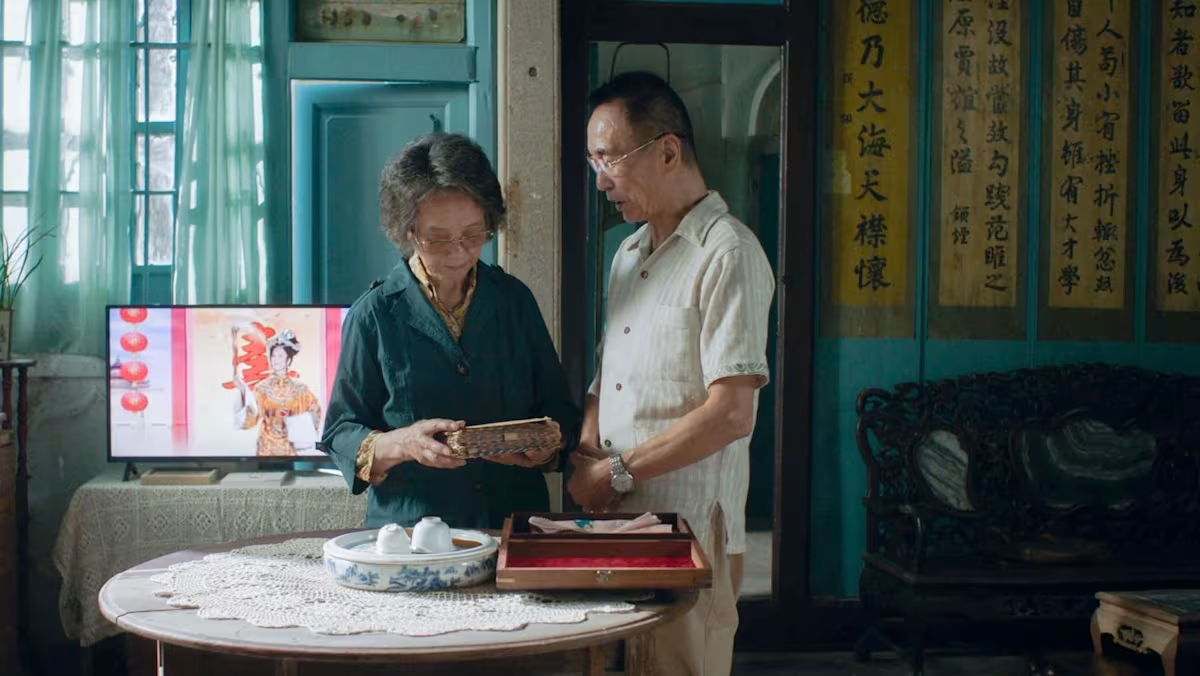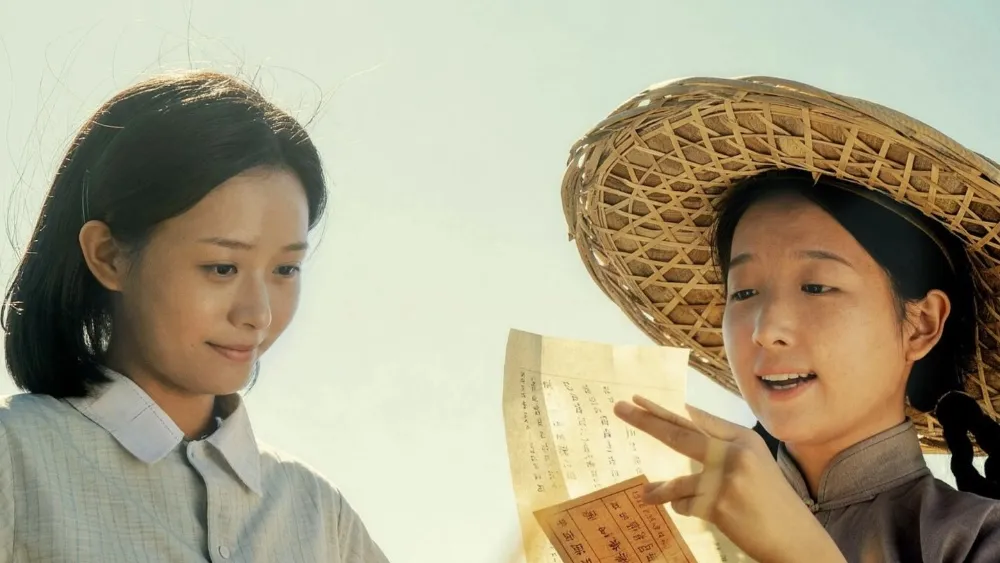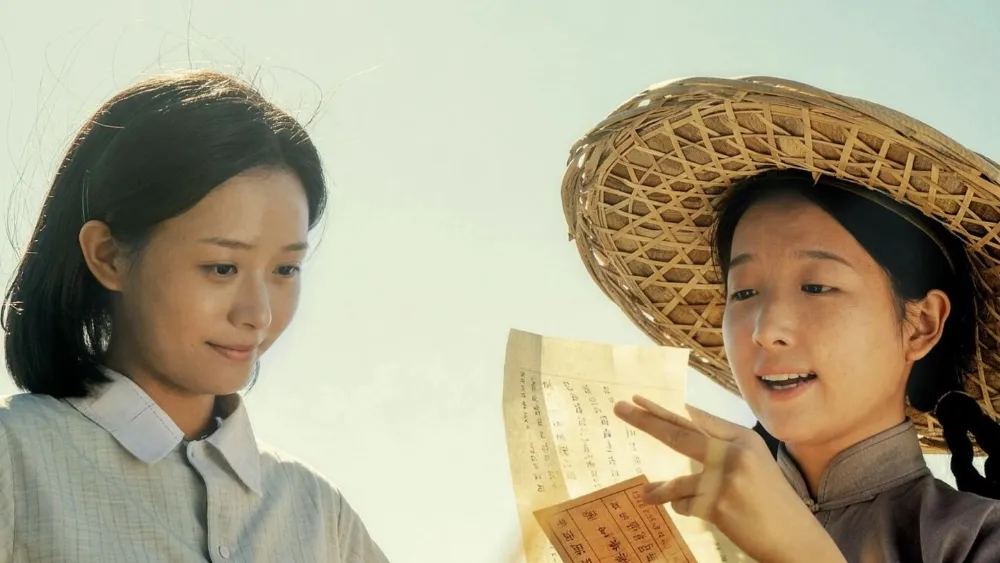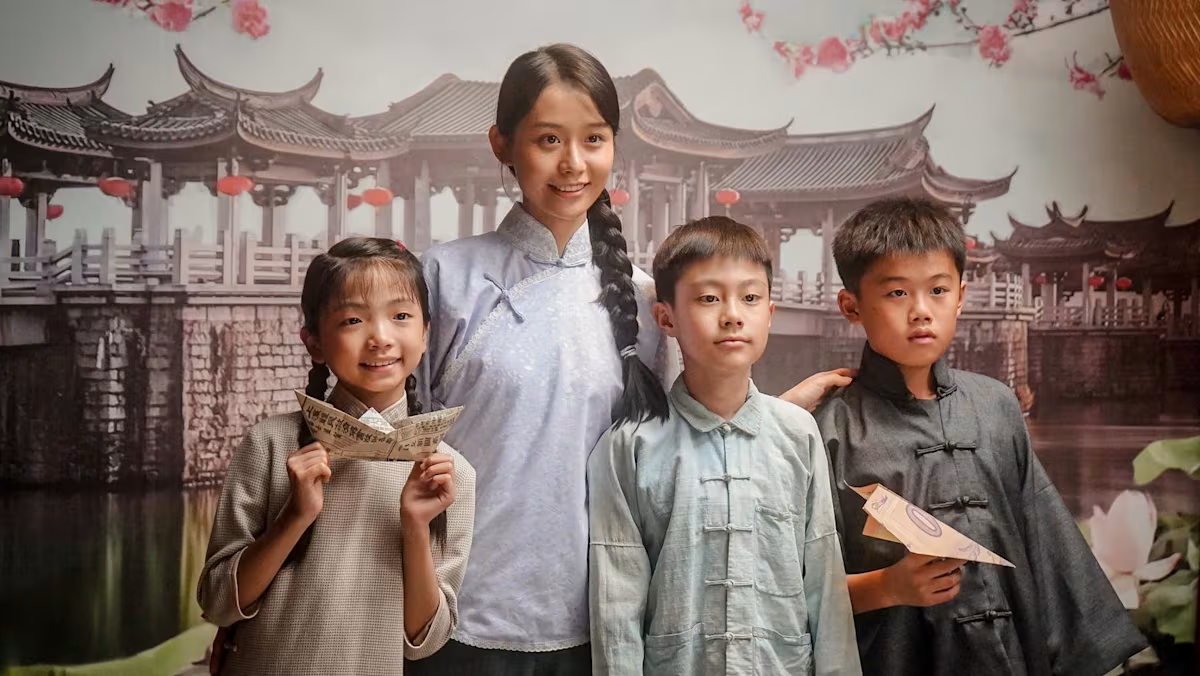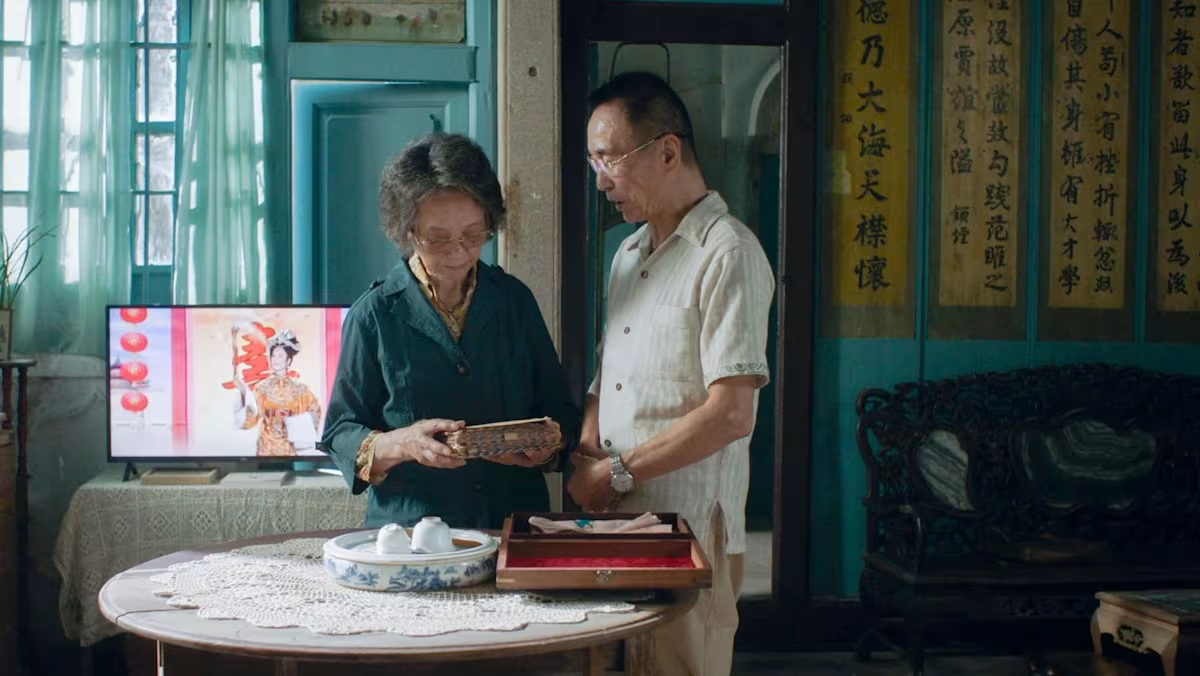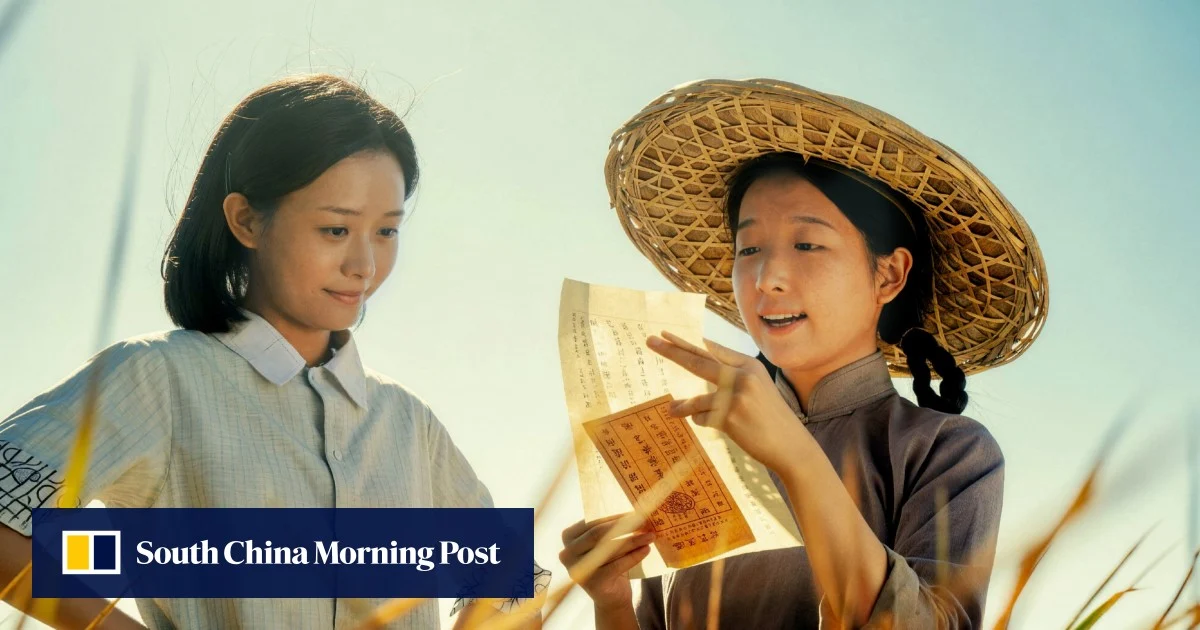
When Singaporean Kristen Chng watched Chinese indie film Dear You with his father in Suzhou last month, he was reminded of his grandfather’s journey of sweat and hardship after leaving his ancestral village in Guangdong province with little to his name.There wasn’t a dry eye in the room, he said, as cinema-goers followed the story of a man uncovering his family’s past by tracing remittance letters sent home from Thailand.“My grandfather moved to Singapore in his teens and had a habit of sending qiaopi [remittance letters] home to support his family and the war effort in spite of having so little. He did it even during the final years of his life,” said Chng, 32.“We could also understand the sentiment of gaginang [Teochew for ‘our own people’]. It is very true that when one experiences poverty, dear neighbours and friends will help out.”The record-breaking film, slated to hit Singapore cinemas on Thursday, has drummed up growing anticipation from the city state’s Chinese diaspora. Dear You has raked in more than 1.6 billion yuan (US$236 million) in China since its April 30 release.Reports that a Mandarin-dubbed version would be screened in Singapore instead of the original Teochew, however, have sparked concerns about a loss of authenticity and heritage.Kristen Chng said watching “Dear You” reminded him of his grandfather’s journey of hardship after leaving his ancestral village in Guangdong province. Photo: Handout
Singapore wants Dear You in Mandarin, not Teochew. What’s lost in translation?
Linguists and the local Teochew community say watching the hit Chinese film in its original form can help sustain cultural diversity.
230 words~1 min read