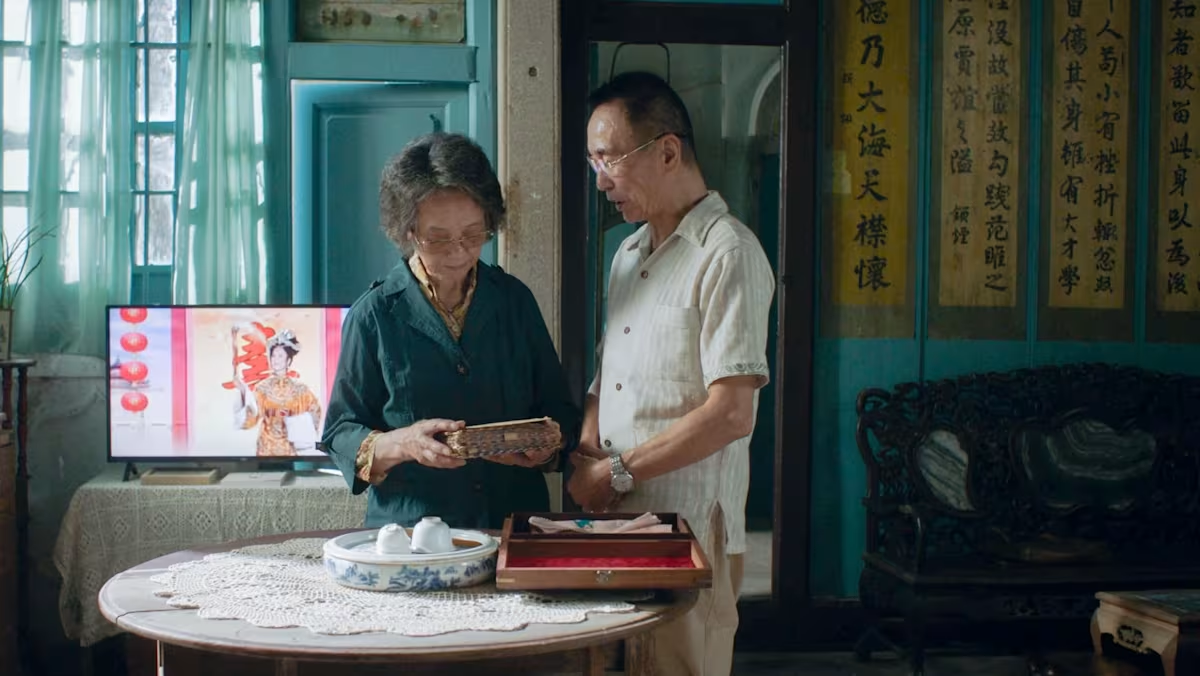
SINGAPORE: Singapore authorities will take a more “flexible approach” in considering applications for the screenings of dialect films in cinemas and remain open to further Teochew screenings of Dear You if the distributor applies, the Ministry of Digital Development and Information (MDDI) said on Monday (Jun 22).It comes amid public debate over the place of Chinese dialects in Singapore as the release of Dear You has drawn attention not only for its box-office success but also for its use of Teochew.While the government maintains its longstanding policy to promote Mandarin as one of the country's four official languages, the film has sparked wider discussion about dialect use and cultural identity.“We hear the calls for dialect films to be more freely screened in cinemas. Under the current framework, applications have to be made for such screenings. However, the Infocomm Media Development Authority will take a more flexible approach in considering these applications,” the ministry said in a media statement.
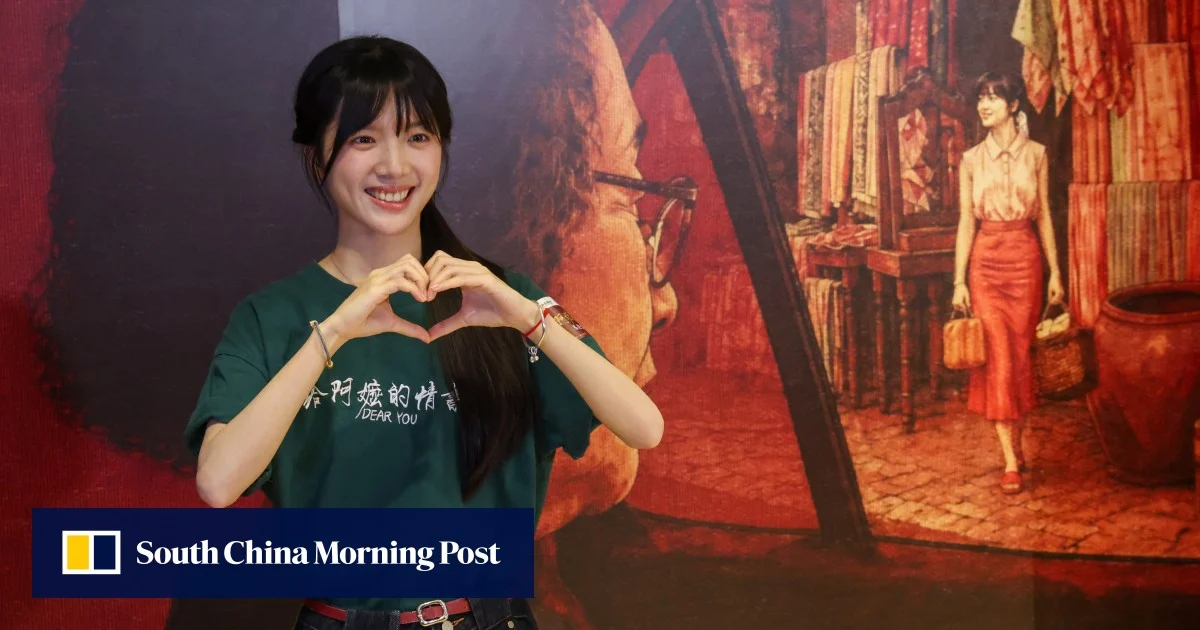
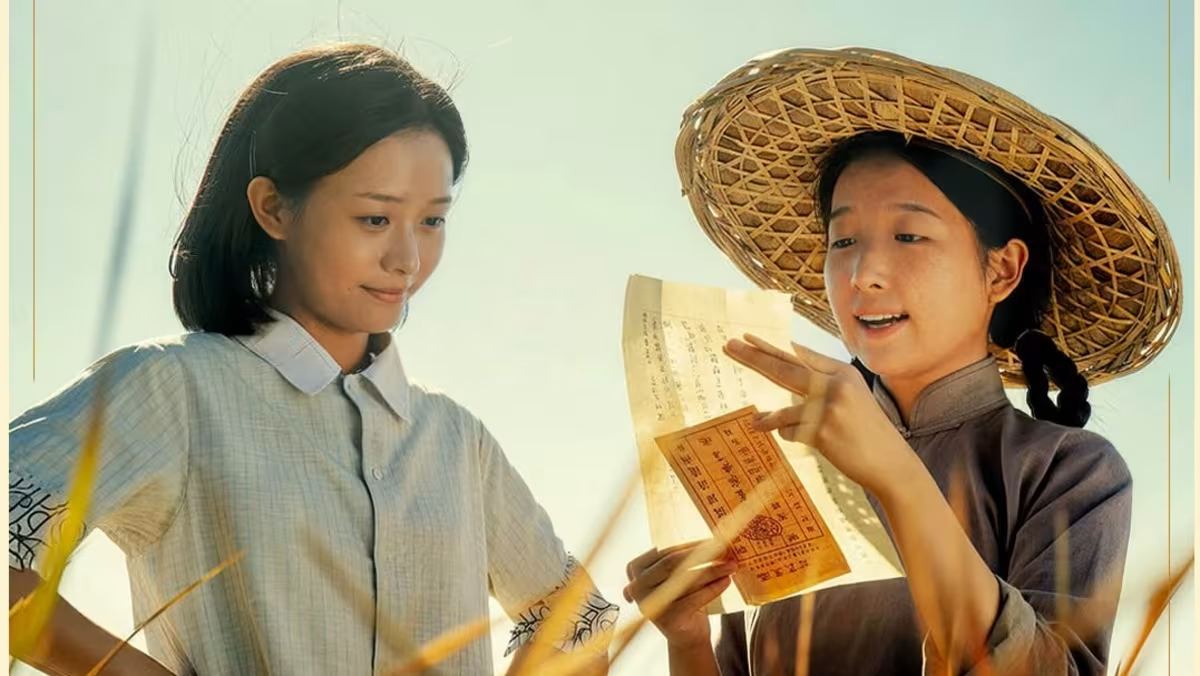
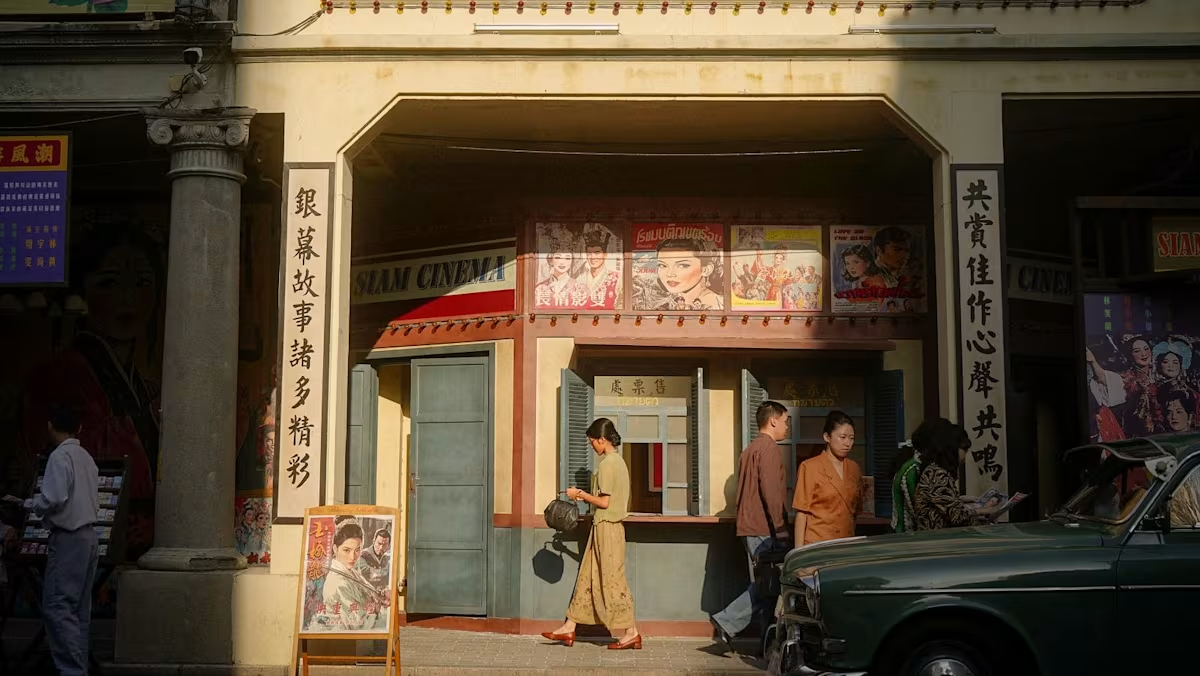
After dominating the box office in China, Dear You opened in Singapore cinemas on Jun 18.Directed and co-written by Lan Hongchun, the movie follows two interconnected timelines - a grandson searching for his long-lost grandfather in present-day Thailand, and a newly married man who leaves China for Southeast Asia during the 1940s in search of work. The film has become one of China's biggest box-office successes this year, grossing more than 1.7 billion yuan (USS$250 million).IMDA previously confirmed that a Mandarin-dubbed version of the film will be screened commercially for the general public, with its original Teochew version screened at the premiere and also be available for subsequent festival and niche screenings.MDDI said that, in the case of Dear You, IMDA has, in addition to the initial 10 screenings in Teochew in cinemas, recently supported eight more screenings.“We remain open to facilitating and supporting further Teochew screenings should the distributor wish to apply for them, in response to audience interest.”The ministry thanked members of the public and industry partners for their feedback and interest in the release of Dear You and said it welcomed the broader conversation it has sparked about Chinese dialects and cultural identity in Singapore.“The government's longstanding policy has been to promote Mandarin as one of our four official languages. This has helped to strengthen Mandarin proficiency across generations and facilitate communication among Chinese Singaporeans from different dialect backgrounds. These objectives remain relevant today.“At the same time, dialects are an important part of Singapore’s cultural heritage. They carry rich traditions, stories and ways of expression, and help many Singaporeans maintain a connection to their cultural roots and community histories. There is also growing interest, including among younger Singaporeans, in learning and appreciating dialects as part of understanding their heritage,” said MDDI.The ministry said the government welcomes efforts by community groups, clan associations and cultural practitioners to sustain interest in dialects and deepen public appreciation of them.“Today, the government supports the use of dialects in practical ways, including through the communication of important public information in dialects, Mediacorp programmes for seniors, and arts and cultural productions,” it said, adding that Mandarin continues to play an important unifying role among Chinese Singaporeans, while dialects remain a valued part of Singapore’s cultural heritage and identity.“We are encouraged by the growing interest in dialects, including among younger Singaporeans. We will continue to engage industry and community stakeholders, and keep our approach under review, to support the appreciation and use of dialects in Singapore.”