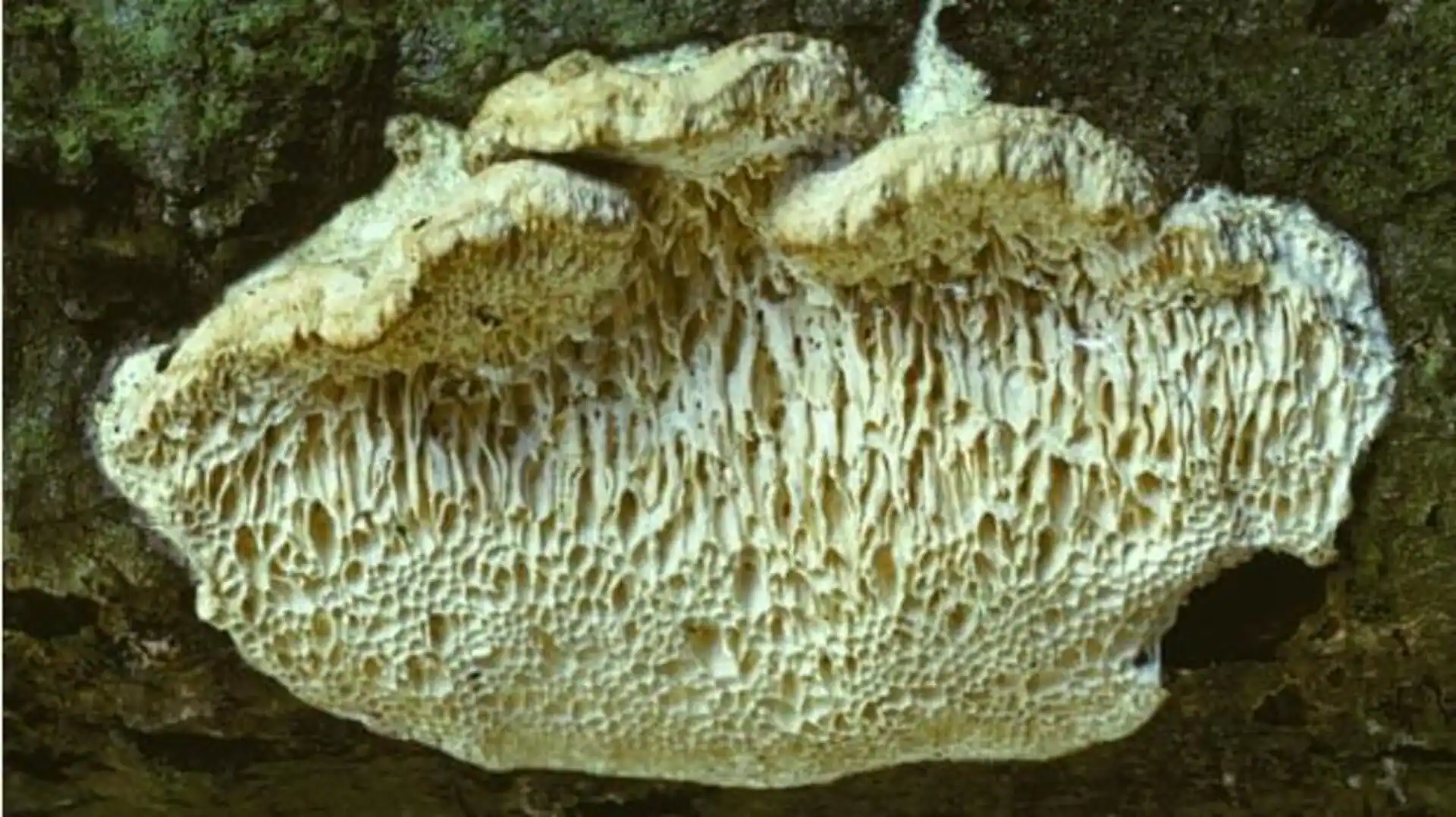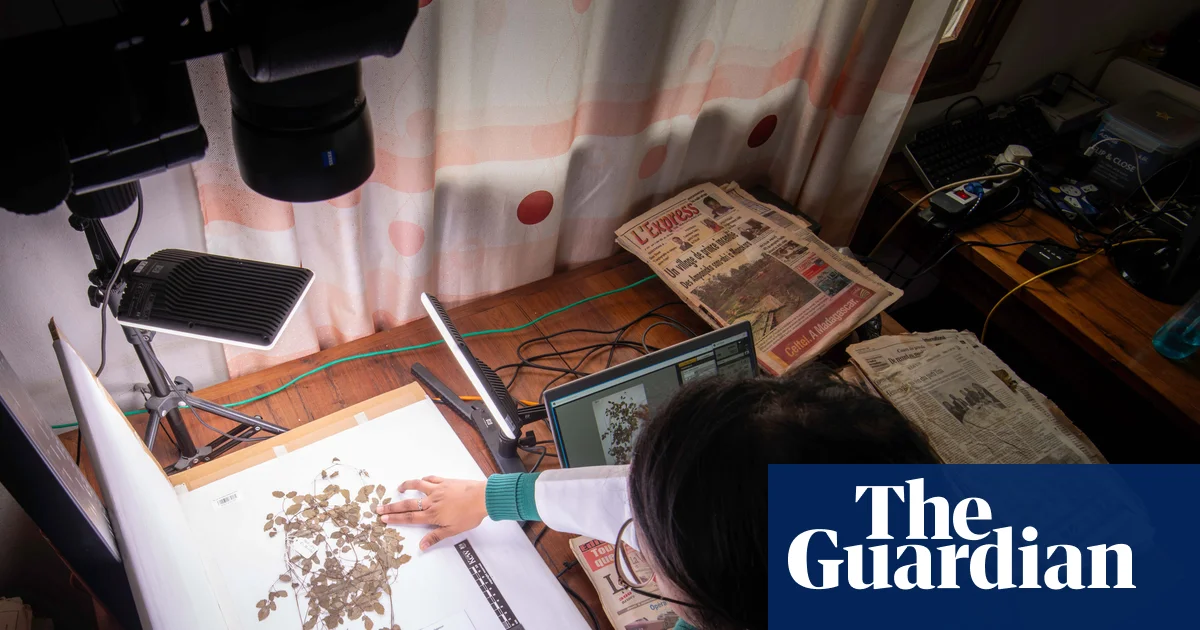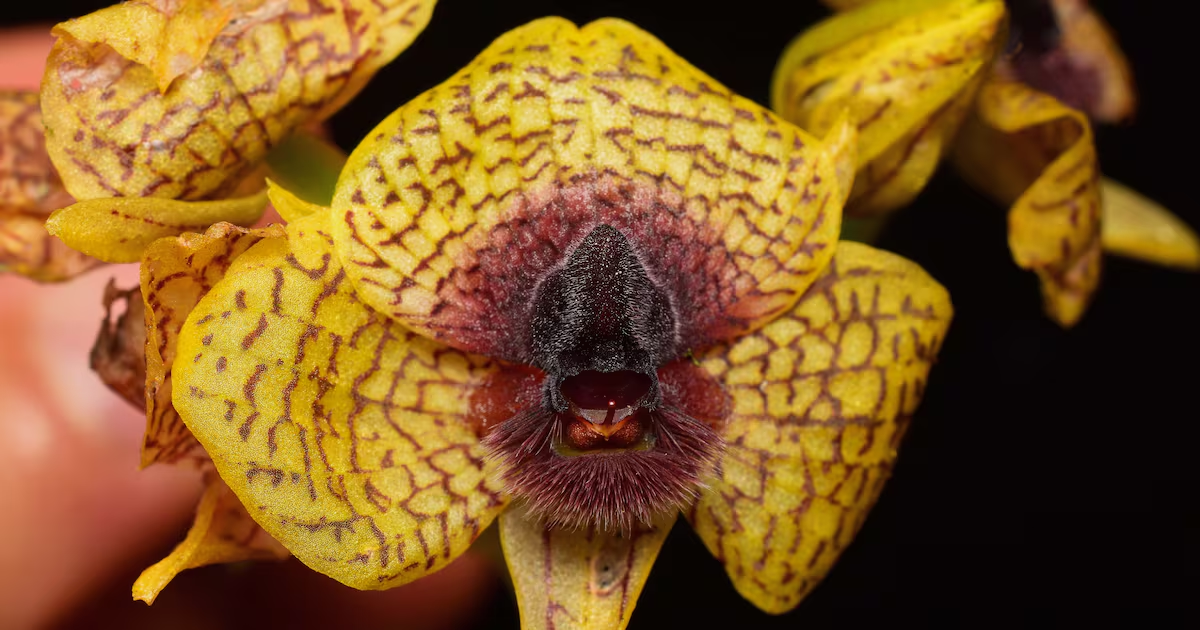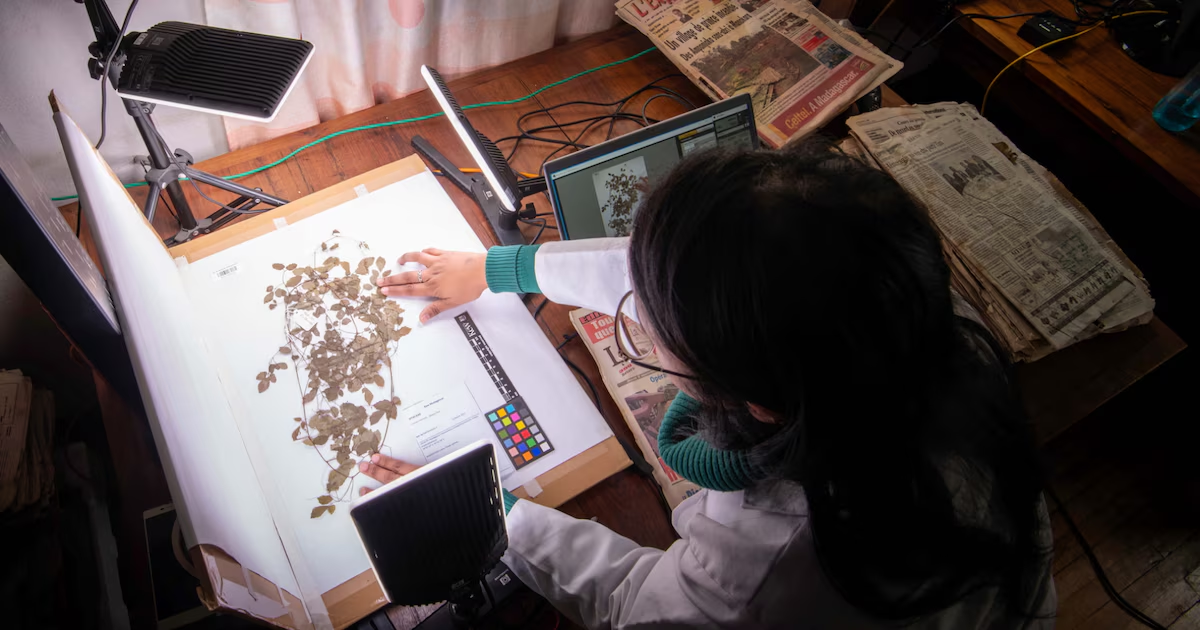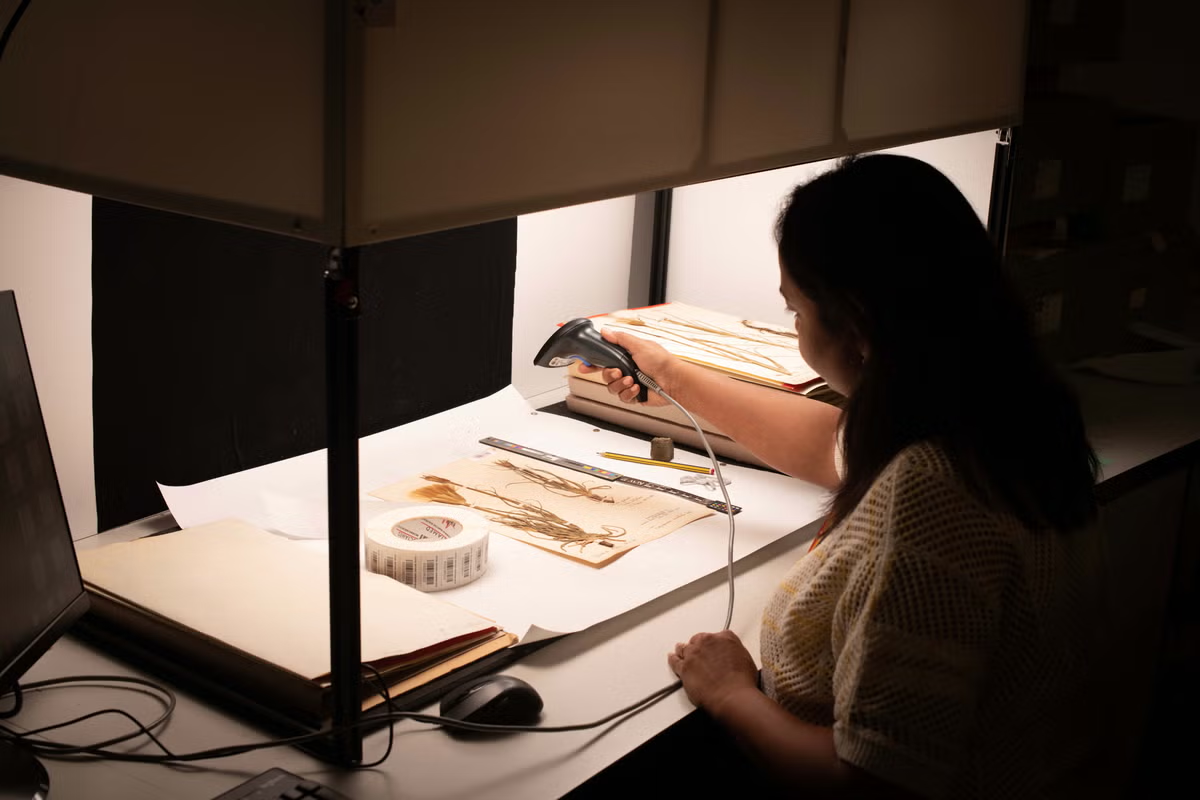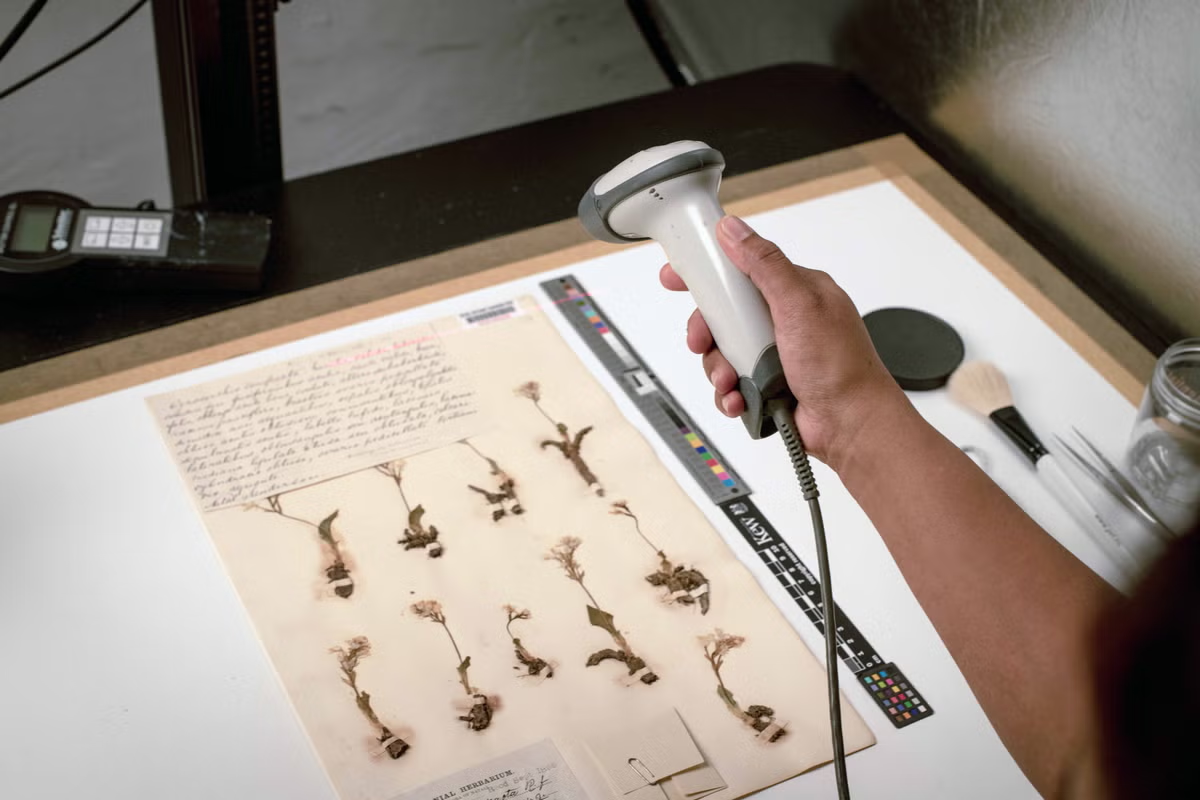
Artificial intelligence has unveiled a stark reality: plants worldwide are significantly altering their flowering times due to the escalating climate crisis, a new report has revealed. A global study, leveraging AI to scrutinise eight million digitised plant specimens spanning a century, found that flowering has shifted by an average of 2.5 days earlier or later per decade. This disruption poses a critical threat to the delicate relationships between plants and their vital pollinators.This groundbreaking insight is just one example of how converting preserved plant and fungi specimens, often "hidden in cupboards and boxes," into digital records is revolutionising the battle to safeguard life on Earth, according to experts at the Royal Botanic Gardens, Kew. New technologies are being applied across vast collections, from digitising specimens to accelerate the search for climate-resilient wild relatives of essential food plants like coffee, to genome sequencing long-preserved fungal species in pursuit of new medicines or sustainable meat alternatives.Afrothismia winkleri, one of 4,600 new species of plant and 7,800 new fungi described by scientists for the first time in 2024/25 (PA)These innovative approaches are central to the Kew science team’s latest "State of the World’s Plants and Fungi" report, which marks a decade since the inaugural publication. The report, drawing on the expertise of 400 scientists across 40 countries, issues a grave warning: the threats to plant and fungi species are significantly underestimated. Less than a fifth of plants and a mere 0.6 per cent of fungi have been assessed for their extinction risk.Furthermore, an estimated 100,000 plant species and two million fungi species remain undiscovered, with scientists describing 4,600 new plants and 7,800 new fungi for the first time in 2024 and 2025 alone. Alexandre Antonelli, Kew’s executive director of science, noted that these new discoveries are "just scratching the surface," and many newly described species face extinction "from day one."Despite these alarming figures, Kew’s sixth report carries a message of hope, spotlighting the transformative power of AI, digitisation, and other technologies. It highlights their potential to boost knowledge, facilitate information sharing, and enhance conservation efforts globally, with even greater impact possible through coordinated international action.This optimism coincides with the completion of Kew’s ambitious project to digitise its entire herbarium and fungarium. Utilising high-resolution photography, 7.4 million specimens – including pressed plant leaves, flowers, seedheads, mushrooms, and spores dating back centuries – have been transformed into digital records, now freely accessible and searchable online. The scheme, funded by the Environment Department (Defra), involved opening every cupboard and box in the herbarium, scanning specimen sheets at 40 imaging stations to digitally record up to 20,000 images daily. Larger species, such as palms, required careful removal and recording.A digitised record of a herbarium specimen collected by Charles Darwin (PA)Kew’s four-year project has unearthed historical insights from its collections, ranging from specimens gathered and logged by the renowned naturalist Charles Darwin to the 6,700 specimens collected by First World War service personnel. These digital specimens now contribute to a vast network of 145 million records from institutions and organisations worldwide, granting researchers global access to crucial collections that once necessitated extensive travel.Professor Antonelli explained: "We can use digital assets, artificial intelligence and other technologies to really harness the information locked in many of these specimens that have been here for centuries, and use that to advance science and conservation at a global level." He added: "We can use this digitised information to discover new species, and also to reveal species that have gone extinct or are likely to have done so. We can track change in relation to climate change and we can also unlock the information in those collections in a way that is much more equitable and accessible to anyone, anywhere for free."In Costa Rica, researchers successfully increased the country’s known fungal diversity by 20 per cent by combining published records with digital collections. Similarly, AI can be trained to distinguish plants like sedges and mosses, significantly accelerating species identification for scientists. The pioneering global study on climate change’s impact on flowering times trained an AI model to classify images for the presence or absence of flowers, applying it to eight million specimens across 200,000 species. This revealed not only the 2.5-day average shift per decade over a century but also regional variations, with greater changes observed in tropical areas.A worker digitising plant specimens (PA)Digitised records have also advanced research into changes in flowering and fruiting patterns in the tropics and the Arctic, regions where fieldwork is notoriously challenging. They have been instrumental in mapping species loss, safeguarding protected areas, and bolstering food security. Professor Antonelli highlighted previous Kew research that tracked down climate-resilient alternatives to commercial coffee species. While that research, using Kew’s herbarium specimens, was time-consuming, he noted that with digitisation, "we could do it much faster with other species."Scientists are also employing digitised herbarium records, sighting histories, and statistical models to estimate whether species are truly extinct or simply undetected. Furthermore, for the first time, scientists are unlocking the "dark matter of fungi," producing high-quality genomes from very old fungal specimens in Kew’s fungarium, some dating back up to 180 years. Experts believe that unlocking the secrets of known fungal species – which represent less than 10 per cent of the estimated total – could lead to numerous new applications, from high-protein alternatives to meat and protecting crops from pathogens, to discovering plastic-digesting fungi to combat pollution.
Climate crisis is changing when plants flower, artificial intelligence study finds
A global study using AI to analyse eight million digitalised plant specimens dating back a century revealed flowering has shifted by 2.5 days earlier or later per decade on average
895 words~4 min read