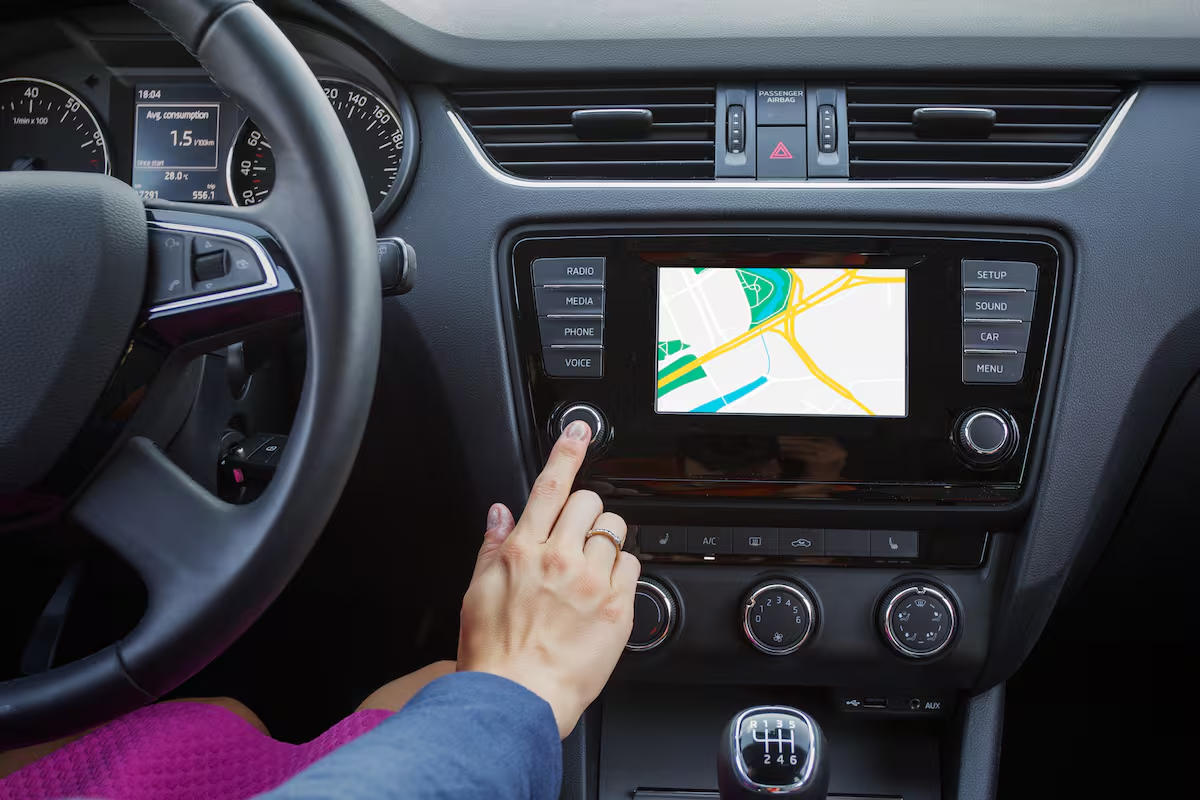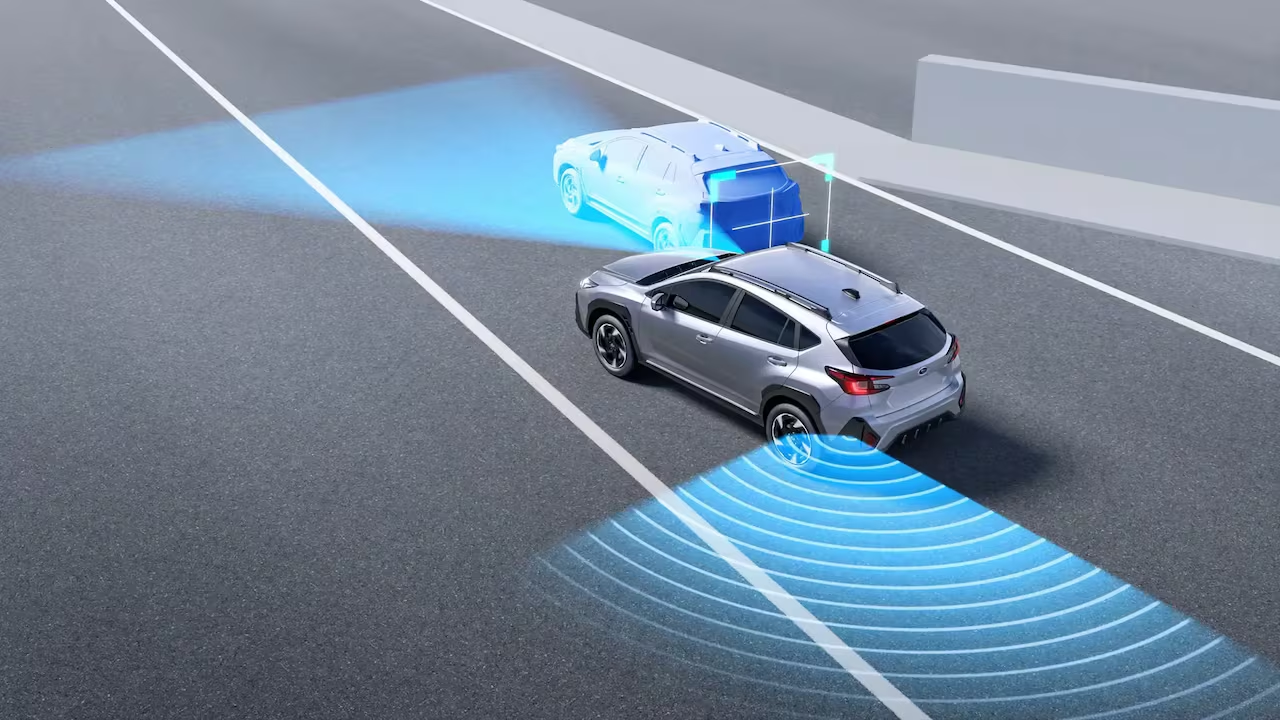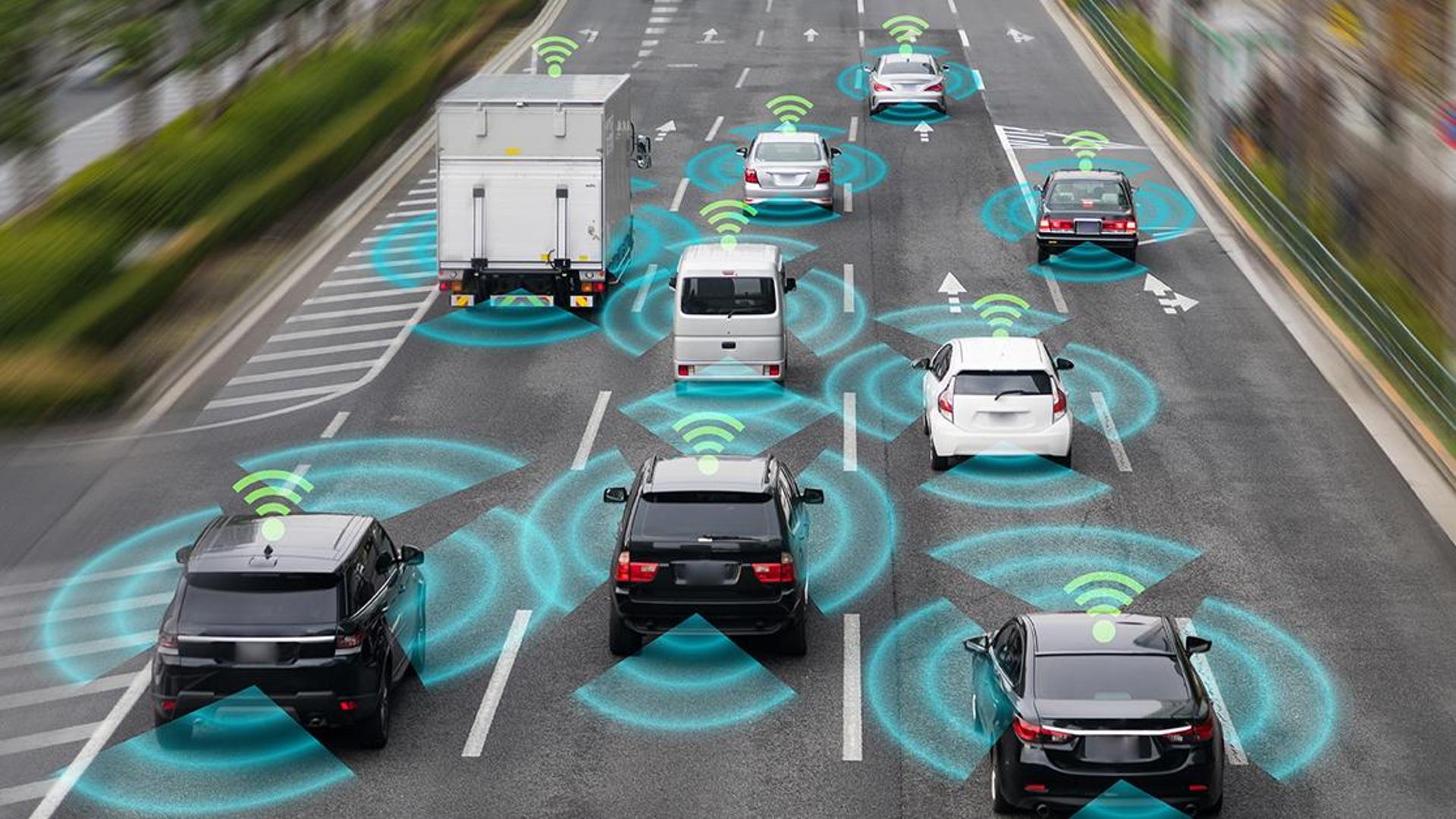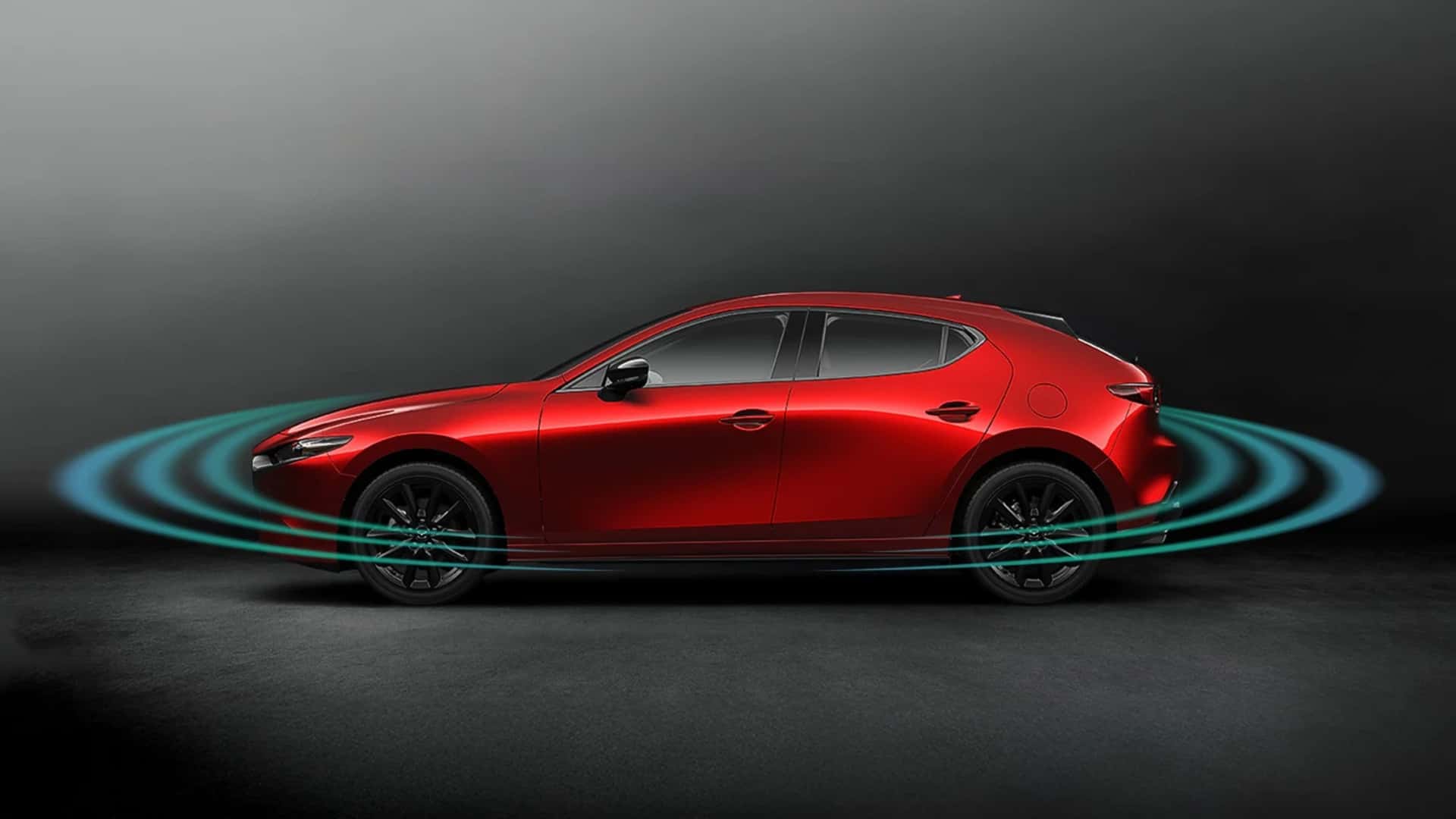
Today’s cars are packed with more software and more technology than most people know what to do with. It has made cars safer than ever, with systems like front crash prevention reducing front-to-rear collisions by 50 percent—but it hasn’t all been helpful.
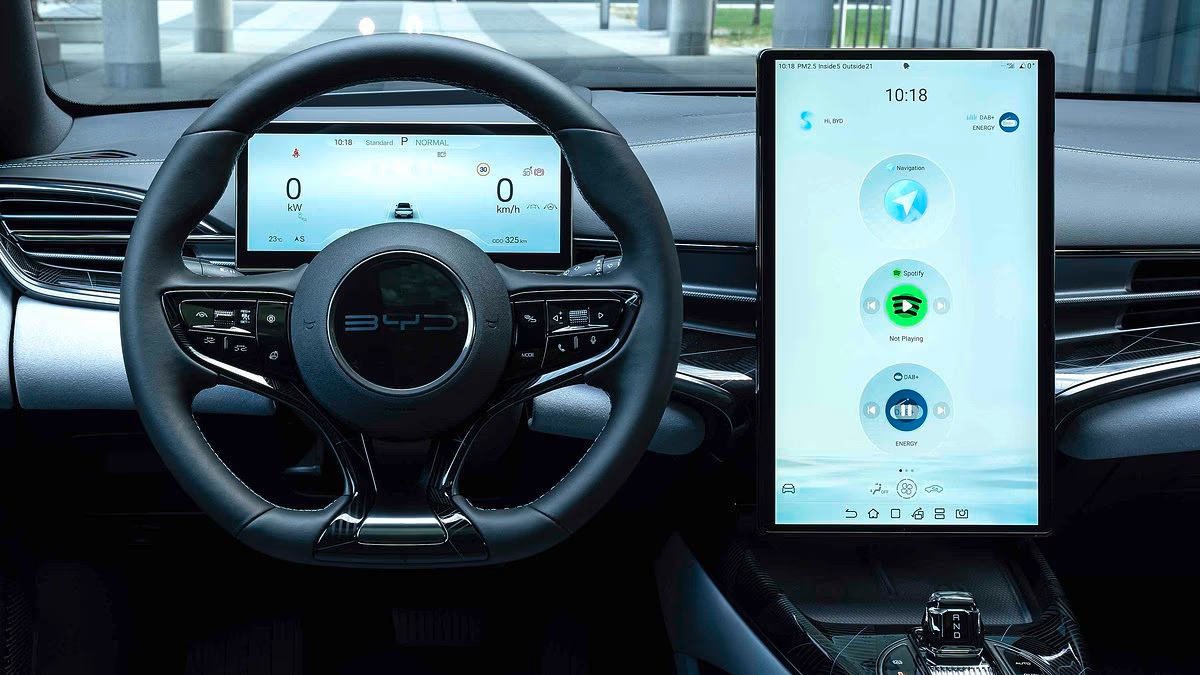
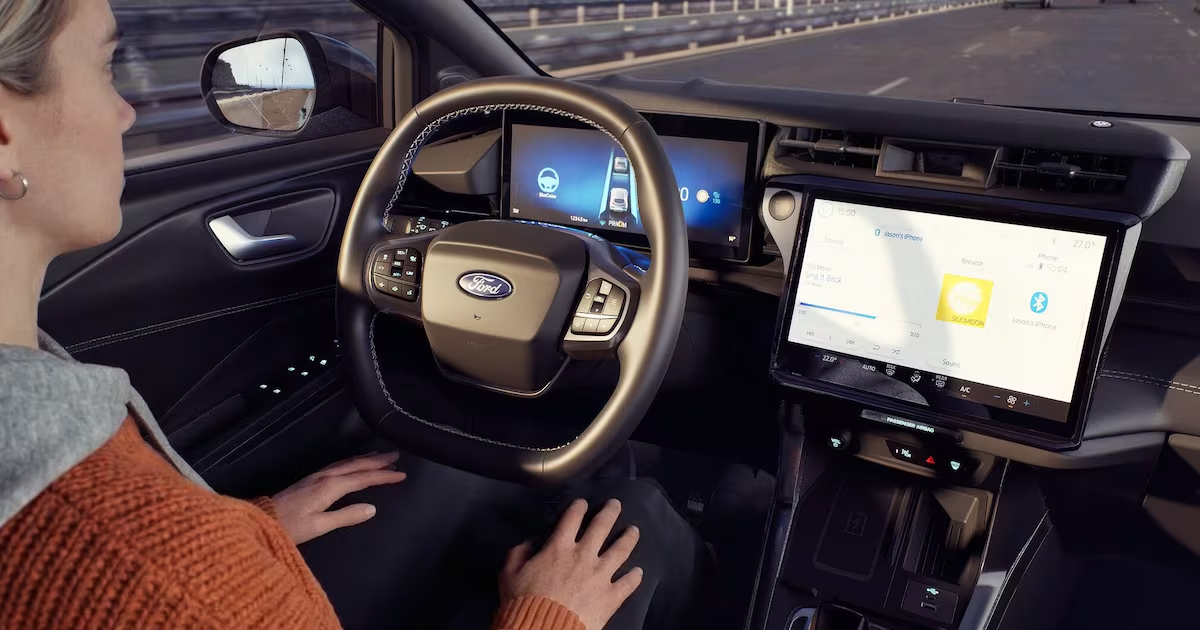
Data shows that lane-departure warning and blind-spot monitoring are beneficial for vehicle and pedestrian safety. But things get more complicated when software handles more of the driving and cabins feature bigger touchscreens with fewer buttons.
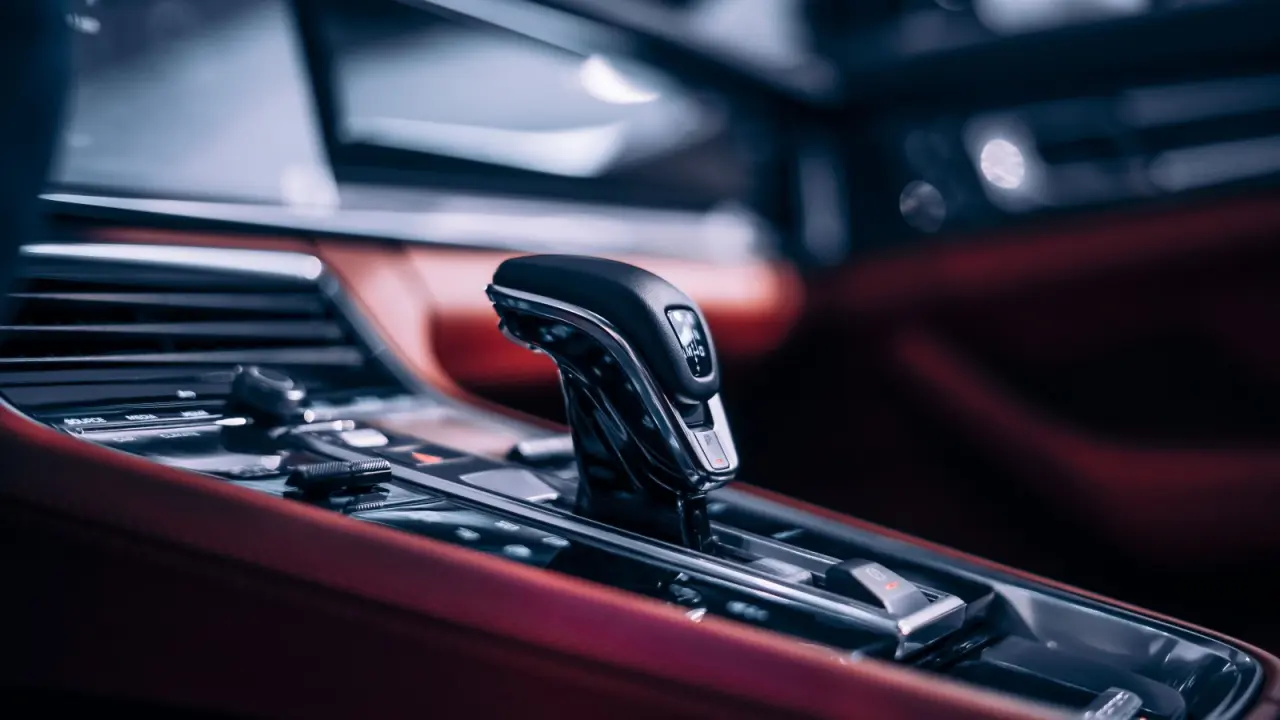
2026 Mazda CX-5 Interior
Photo by: Anthony Alaniz / Motor1
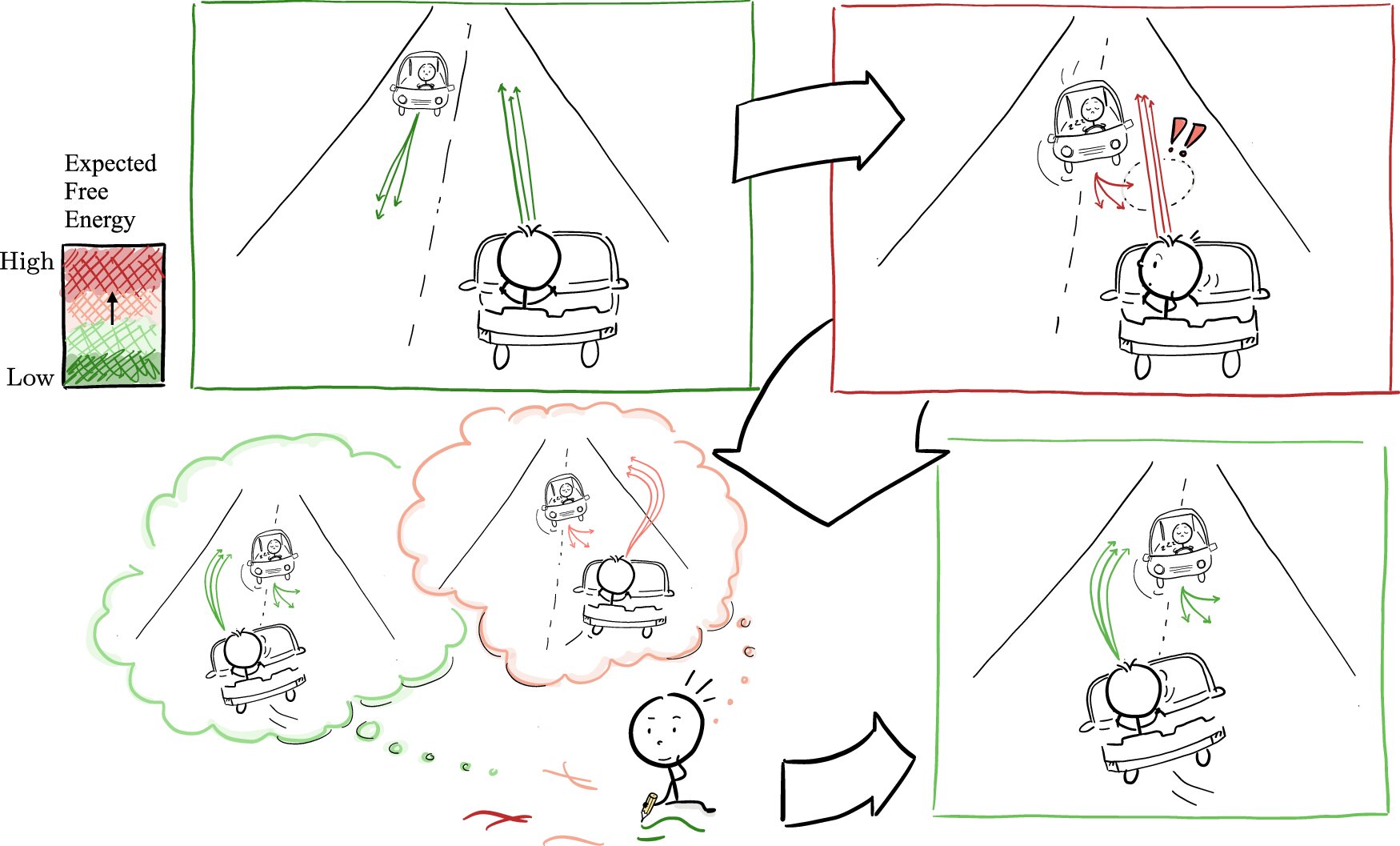
"There is a gray area when we move onto higher levels of driver assistance, things like adaptive cruise control and lane centering technology," says Jessica Jermakian, the Insurance Institute for Highway Safety’s senior vice president of vehicle research. Motor1 visited the Institute’s Vehicle Research Center in Virginia last month.