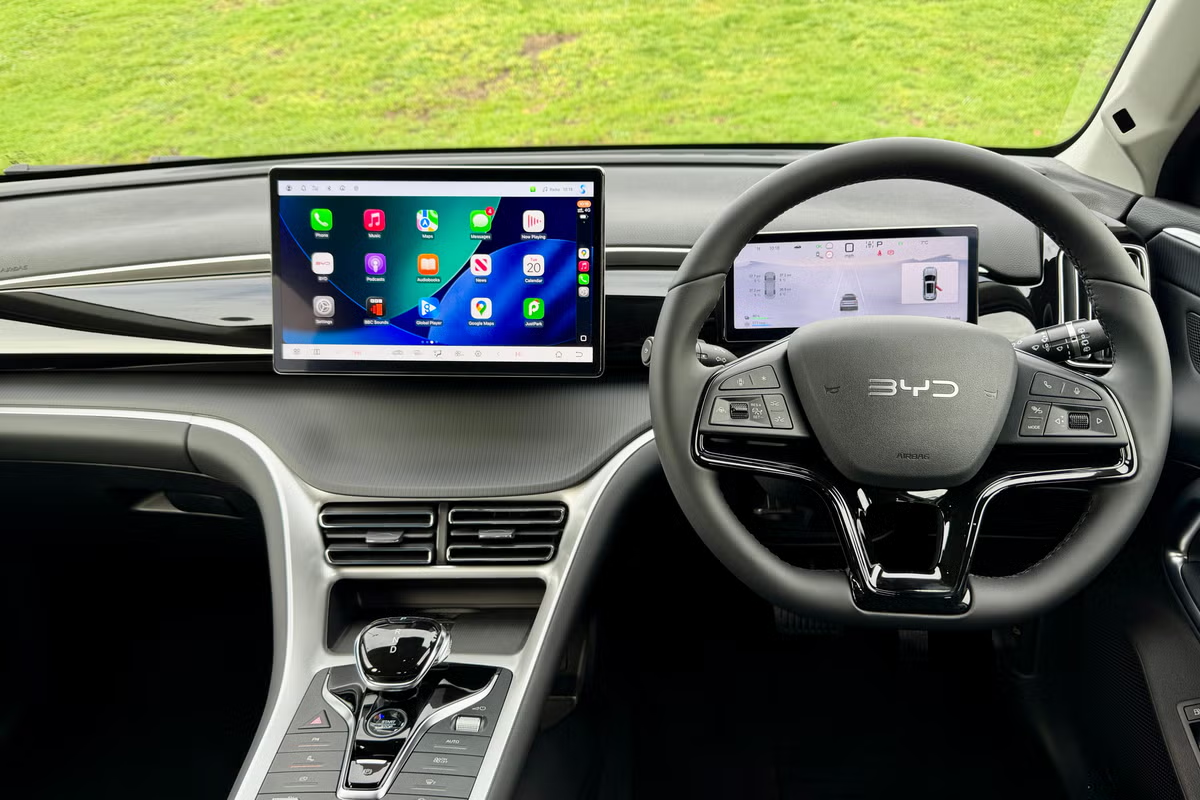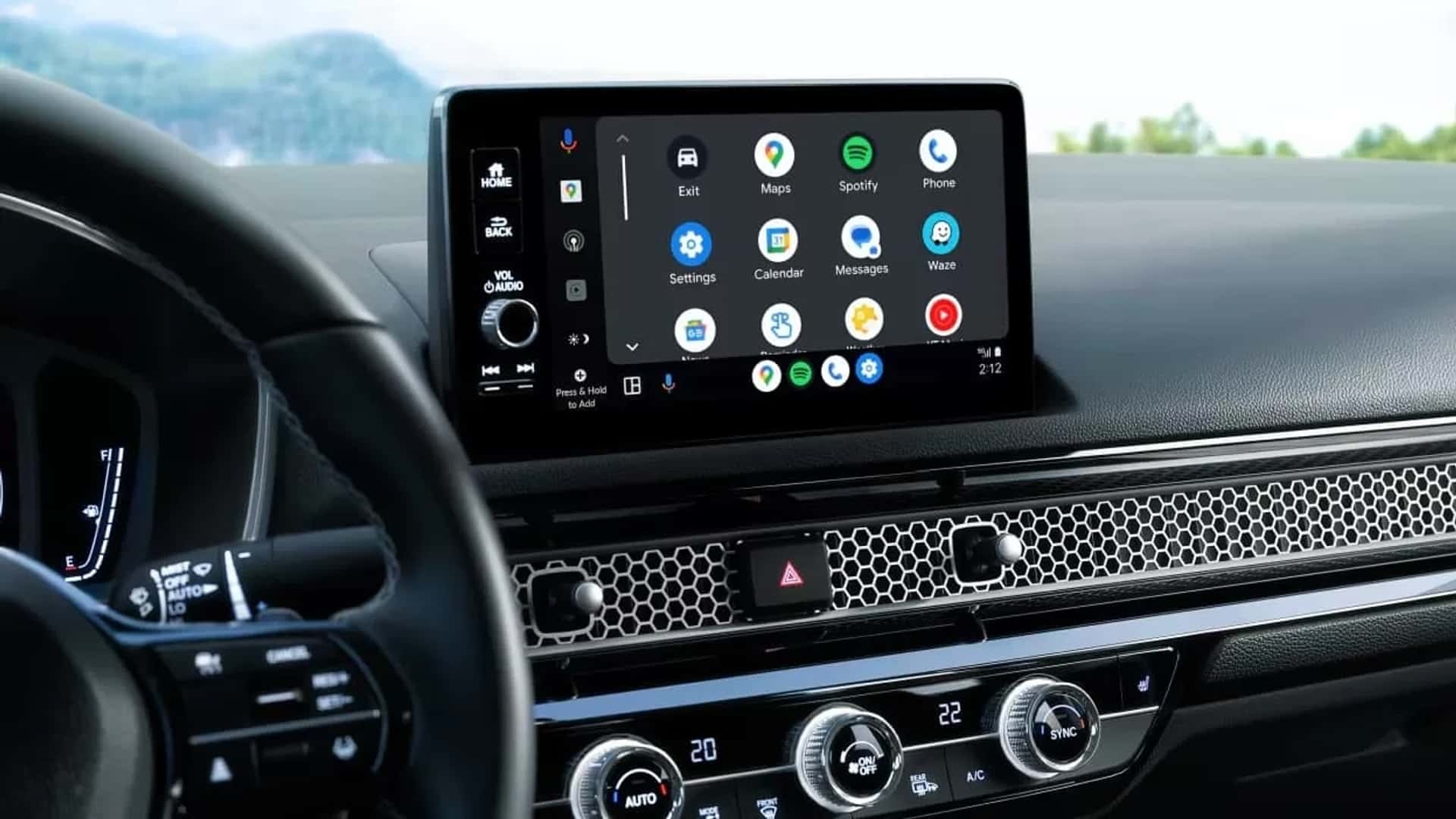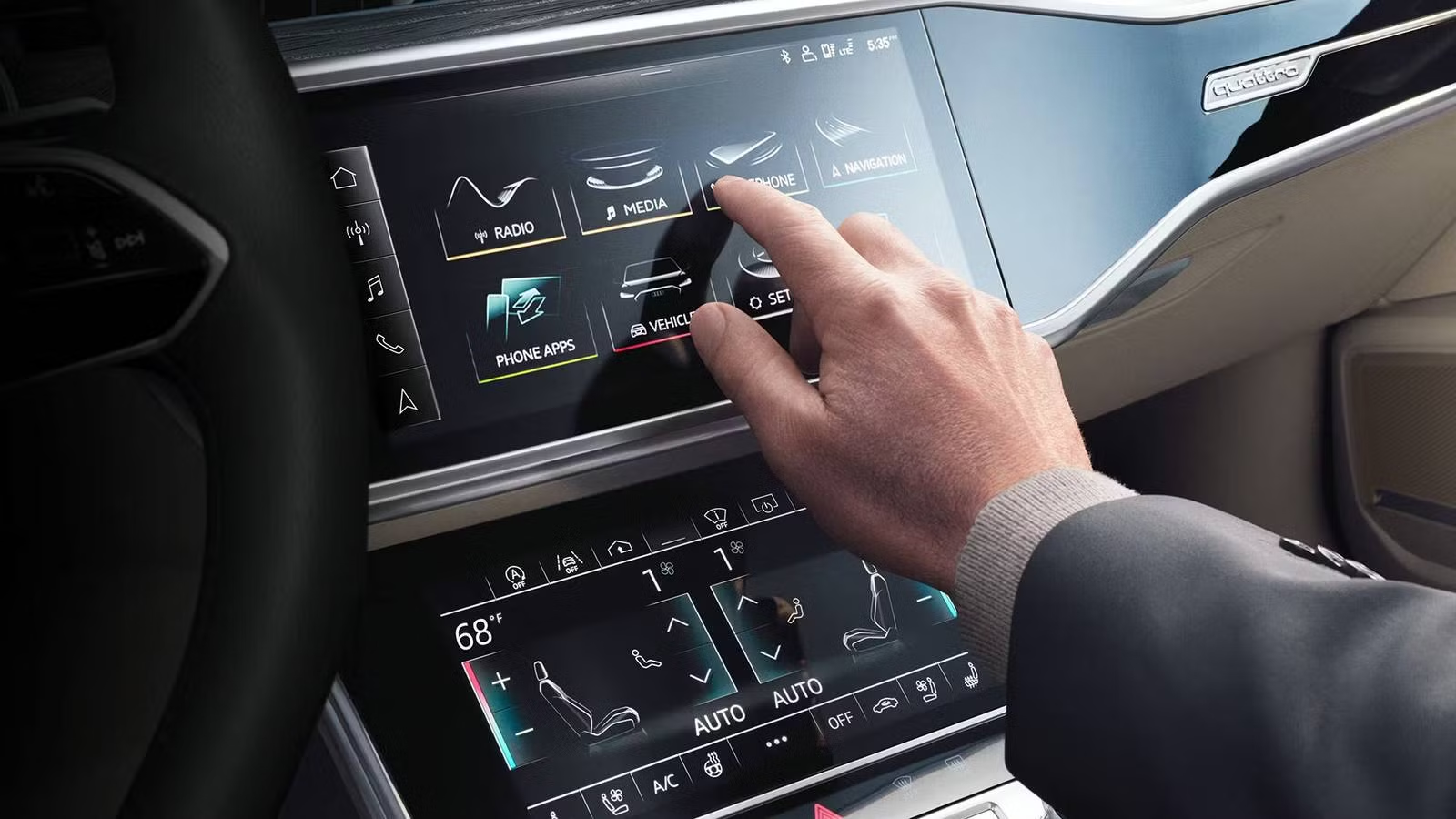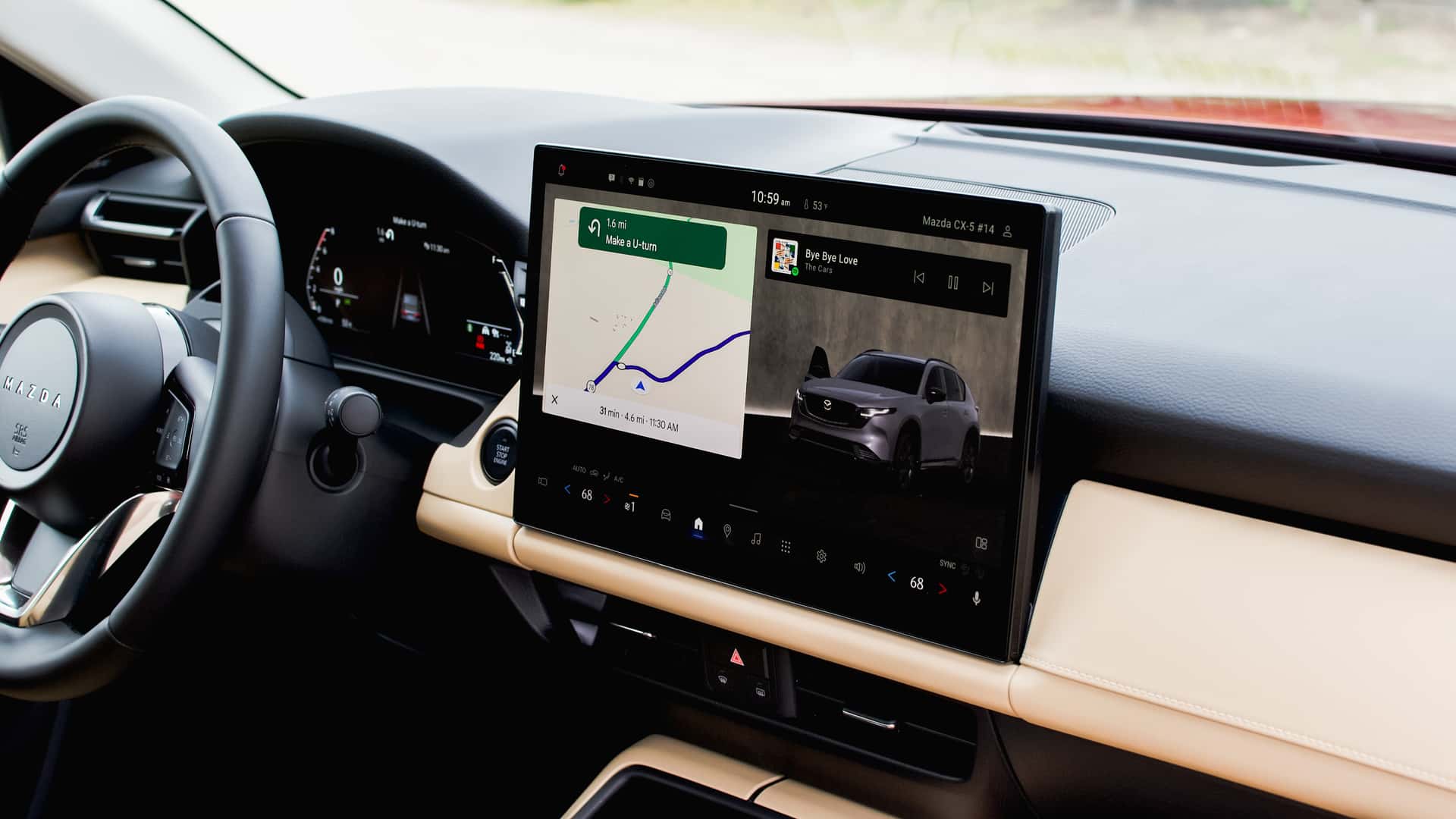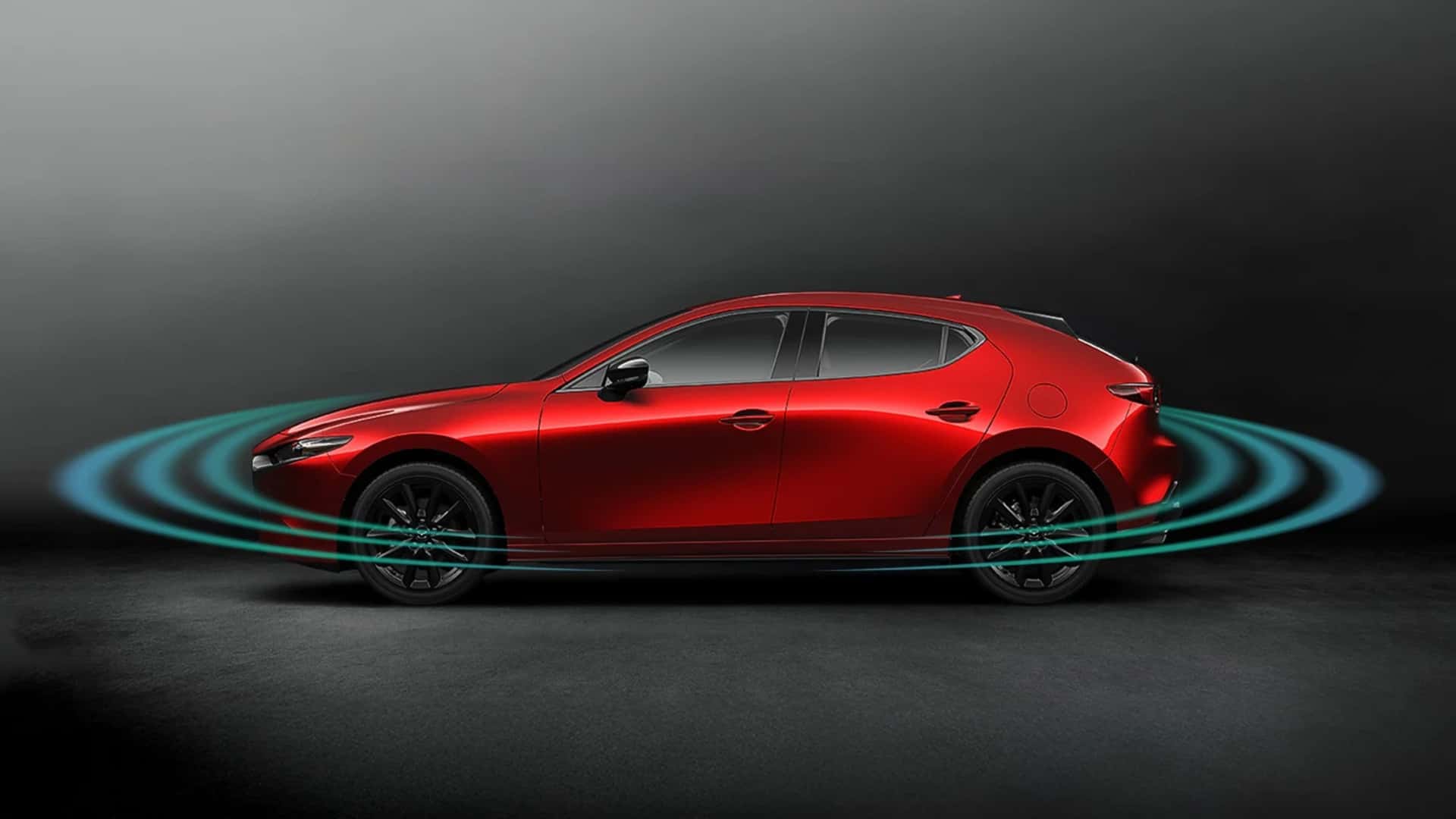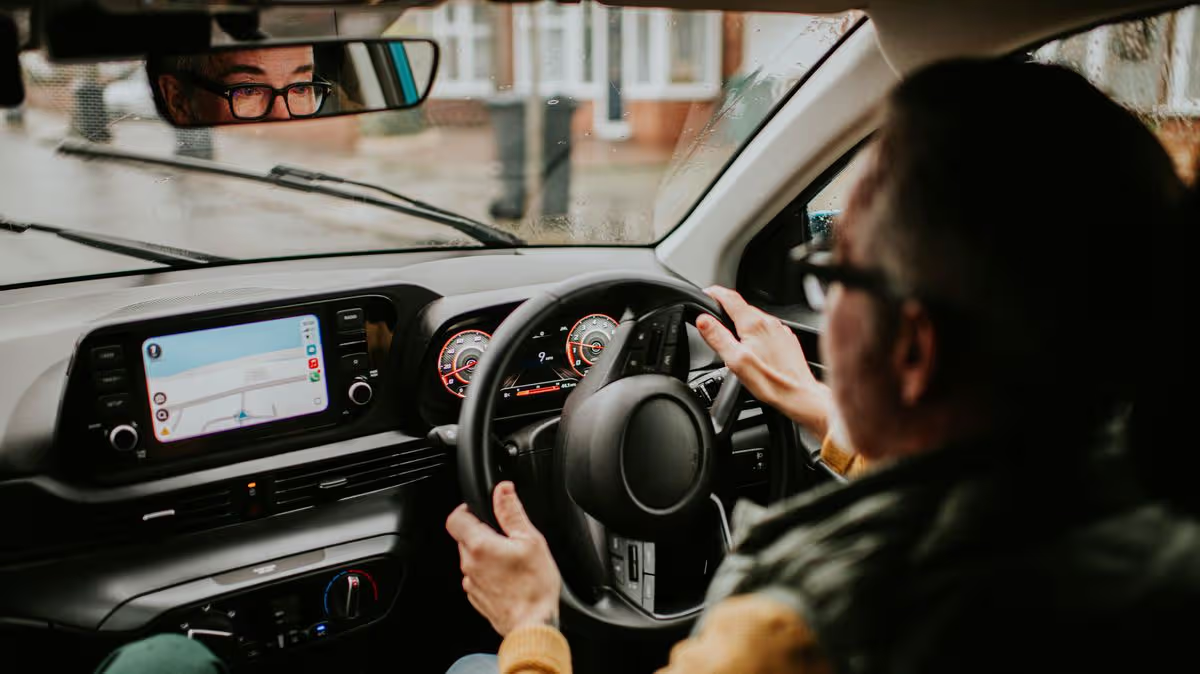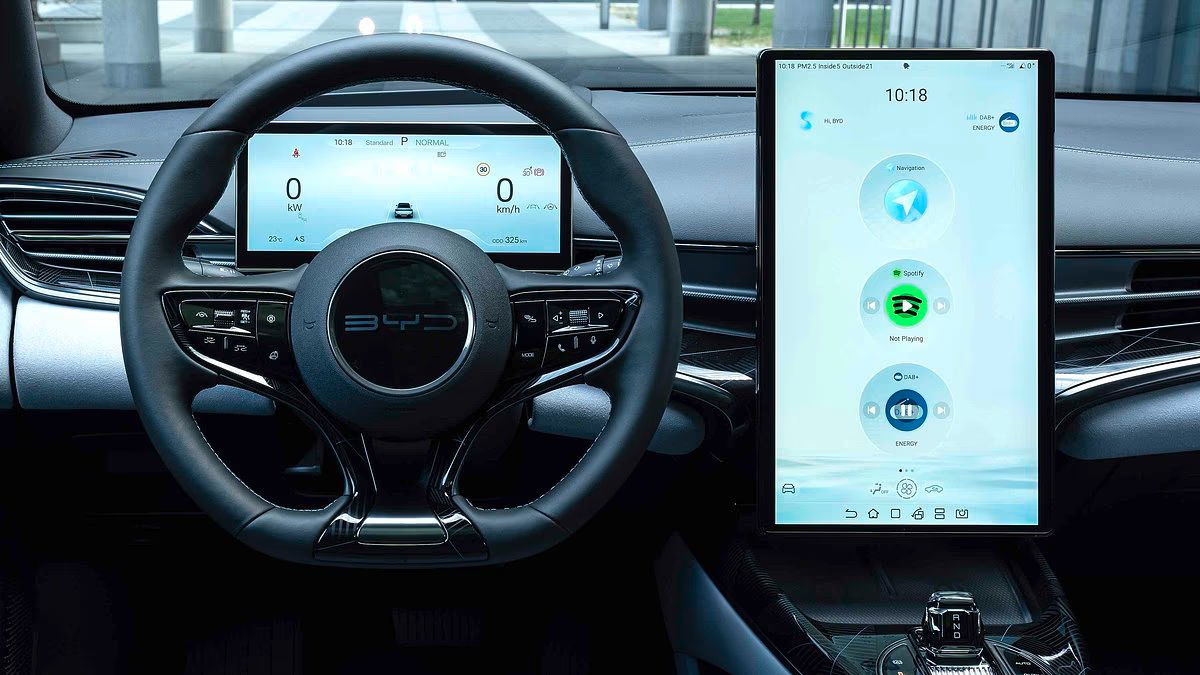
Motorists are fed up with convoluted and distracting in-car touchscreens – and irritating safety warnings are driving them around the bend, according to a new report.Drivers responding to the UK’s biggest car satisfaction study have expressed growing dismay with in-car tech.The Auto Express Driver Power survey, which is based on responses from more than 100,000 owners, found that safety systems recorded the steepest fall in satisfaction when it comes to car ownership.Respondents rated their cars across areas including reliability, interior space, safety features, value for money and driving experience. The results are then statistically weighted to provide a representative picture of UK car ownership satisfaction.While every one of Driver Power’s 10 categories recorded a decline, ‘safety features’ saw the steepest fall, dropping 7.8 per cent compared with two years ago.Satisfaction has also dropped sharply in the interior and infotainment categories, down 6.5 per cent and 5.4 per cent respectively since 2024. A survey of 100,000 drivers has found that satisfaction with car safety systems and infotainment screens has fallen at their highest rates yet as motorists want more buttonsThis reflects growing disenchantment with screens and intrusive safety systems.Last year, This is Money revealed that it can take up to 22 seconds to carry out simple tasks on some car infotainment screens.A year before that, we revealed that nine in 10 drivers want carmakers to ditch distracting and confusing screens.Why people are turning off car safety systemsAcross the top 50 models ranked this year in the Auto Express survey, the average overall satisfaction score has dropped to 84.2 per cent, down from 89.6 per cent in 2024.Every one of Driver Power’s 10 categories recorded a decline, but safety systems saw the steepest drop, falling 7.8 per cent over the period.It seems there is growing frustration with mandatory driver-assist technology.Tom Jervis, consumer writer for Auto Express, explains: ‘The European Union and, by proxy, the UK, is mandating more new safety systems in cars; the Government’s new Road Safety Act, for example, aims to ensure all new vehicles are sold with at least 18 specified active safety systems, including lane-keep assist and driver attention monitoring.’He added that rising technology costs may also be feeding into falling value perceptions, with Driver Power’s value rating slipping from 87.5 per cent in 2024 to 83.8 per cent in 2026.The research also suggests many drivers are switching systems off altogether in protest.A 2024 survey by Brake found that well over a third (41 per cent) switch off active safety systems in their car, citing them as an annoyance.One outlier, however, was the Tesla Model 3 – the best car to own according to drivers this year – which scored highly in the safety features category.Jervis said: ‘With Tesla renowned for its highly sophisticated Autopilot software, the Model 3’s success and impressive 89.7 per cent rating in this category are perhaps indicative of how drivers will accept and embrace this type of technology, provided it is straightforward to use and unobtrusive.’ The MG ZS' cabin has a touchscreen and digital dials but crucially it has buttons for menu shortcuts and key functions which drivers increasingly wantCar touchscreens are frustrating peopleReliance on technology and screens is driving people around the bend.It is not just that satisfaction has dropped sharply in the interior and infotainment categories; within infotainment, drivers are also less satisfied with the balance between physical and touch-sensitive controls.Satisfaction with the balance between physical and touchscreen controls fell from 89.1 per cent to 84 per cent, while user-friendliness dropped from 87.8 per cent to 81.4 per cent.Auto Express editor Paul Barker said manufacturers have prioritised styling and packaging efficiency over usability for too long – and that the industry is now paying the price.Barker commented: ‘Touchscreen-based infotainment is very smart and looks great when you are showing it off at a press conference or in a dealership, but it still doesn’t work as well as old-fashioned buttons, which have been ostracised because they make the cabin less attractive and are harder to package electronically.’The MG ZS’s cabin has a touchscreen and digital dials but, crucially, it also has buttons for menu shortcuts and key functions – which drivers increasingly want.As evidence builds that touchscreens can be both dangerous and unpopular, safety organisations are taking note.Euro NCAP – Europe’s primary passenger vehicle crash tester – has recently changed its scoring system to downgrade manufacturers that bury simple and emergency control functions in touchscreen systems.To receive a maximum five-star safety rating from Euro NCAP, new cars must now feature physical buttons, switches or stalks for essential driving functions.This includes indicators, hazard lights, the horn, windscreen wipers and the SOS function.
Drivers have fallen out of love with touchscreens - are buttons back?
Drivers have voiced their displeasure with confusing car touchscreens and car safety systems in the largest car ownership survey in Britain.
770 words~4 min read