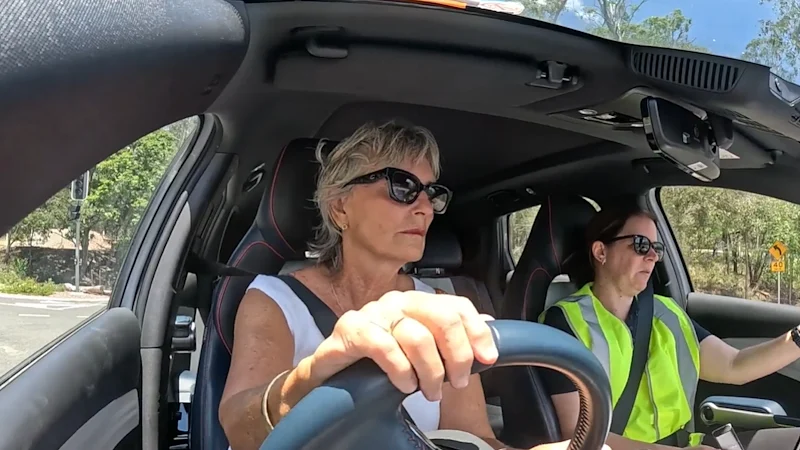
Image by HamZa NOUASRIA via Pexels | Not representative
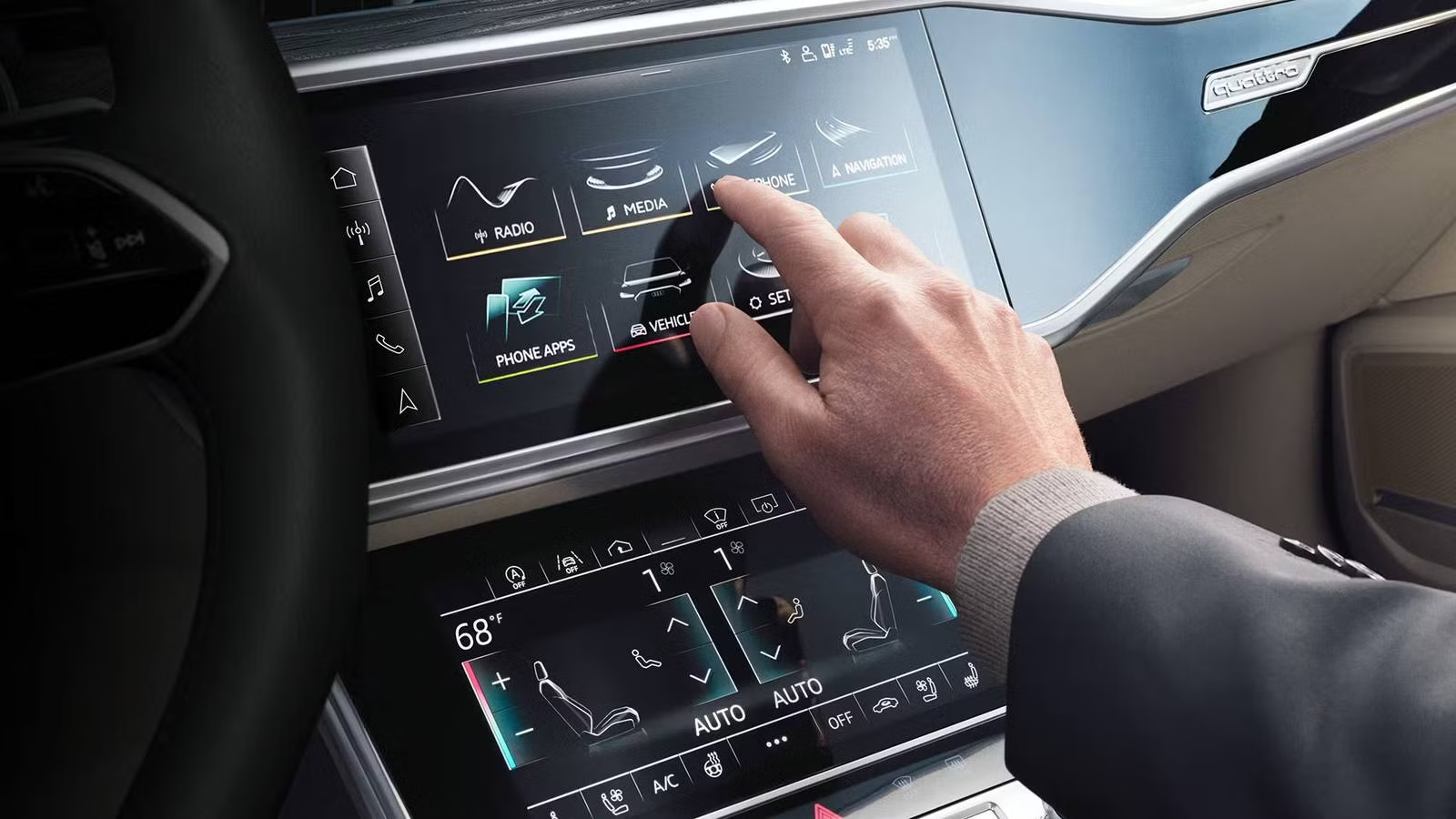
The growing use of touchscreen controls in modern vehicles is coming under closer scrutiny as research suggests these systems can distract drivers and affect how quickly they respond to hazards on the road. Safety assessment programs in Australia, New Zealand and Europe are now encouraging manufacturers to bring back physical buttons for key driving controls.
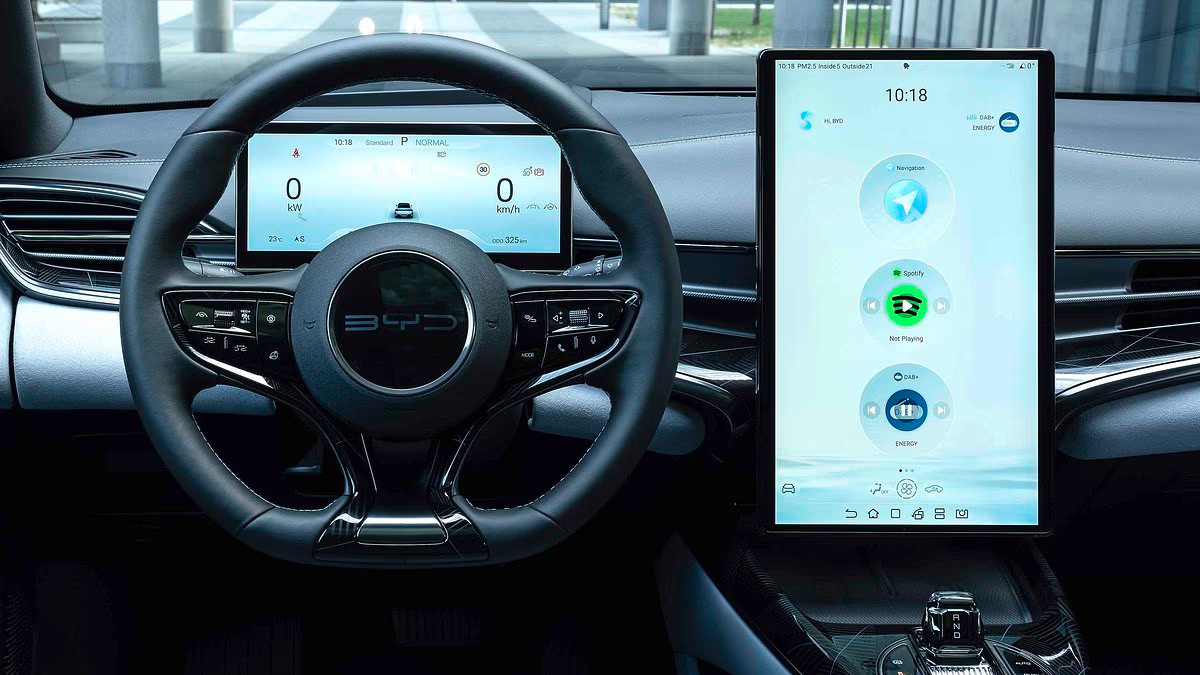
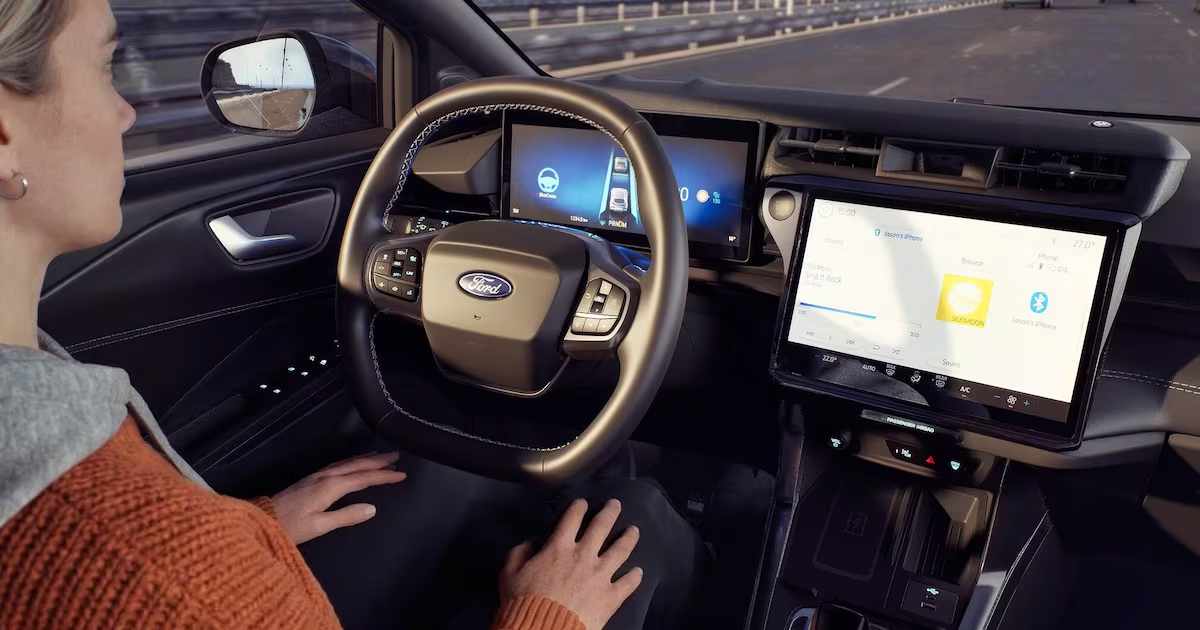
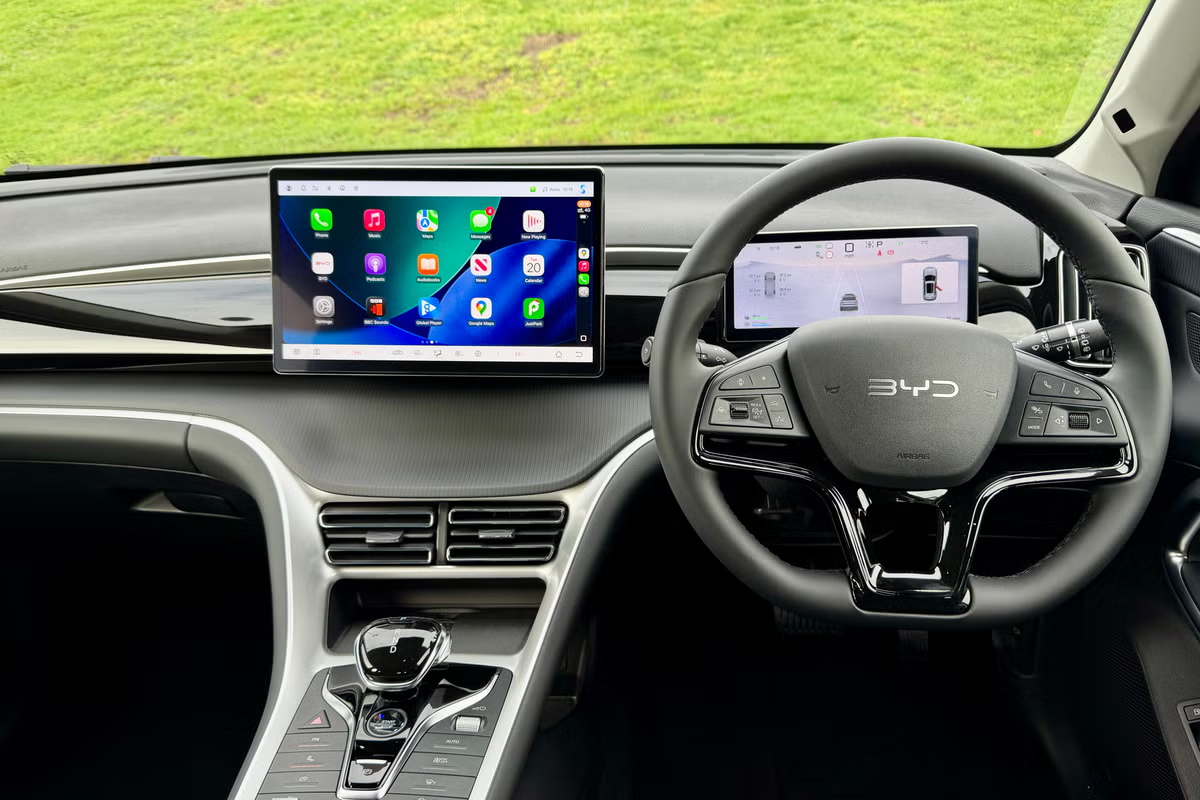
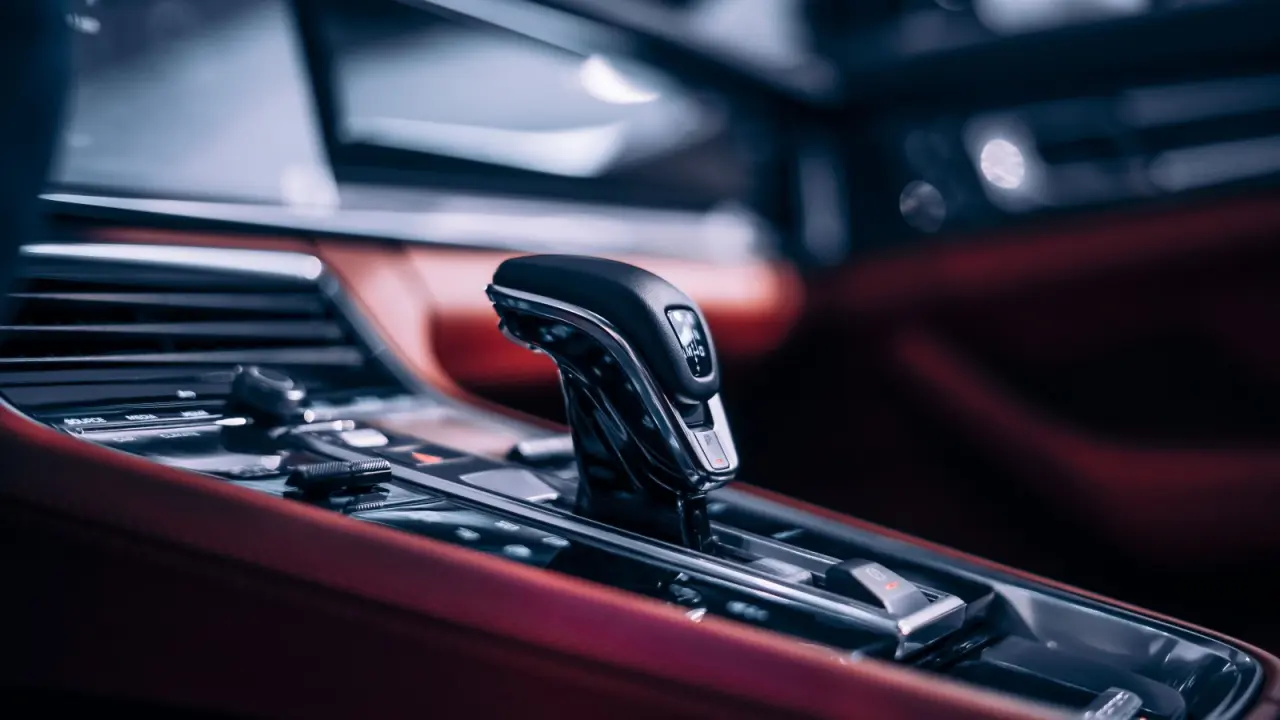
Over the past decade, many car makers have replaced traditional buttons and knobs with large central touchscreens that control everything from climate settings to headlights and windscreen wipers. While touchscreens first appeared in vehicle dashboards during the 1980s, they now handle far more functions, making many modern cars feel more like computers than conventional vehicles.
Safety experts say this shift may come at the cost of driver attention. Australasian New Car Assessment Program (ANCAP) Safety, the independent vehicle safety assessment program for Australia and New Zealand, has announced that from 2026 it will assess whether manufacturers provide physical controls for important driving functions such as headlights, windscreen wipers and hazard lights. Similar requirements are also being introduced by European New Car Assessment Programme (Euro NCAP), the European vehicle safety assessment program.