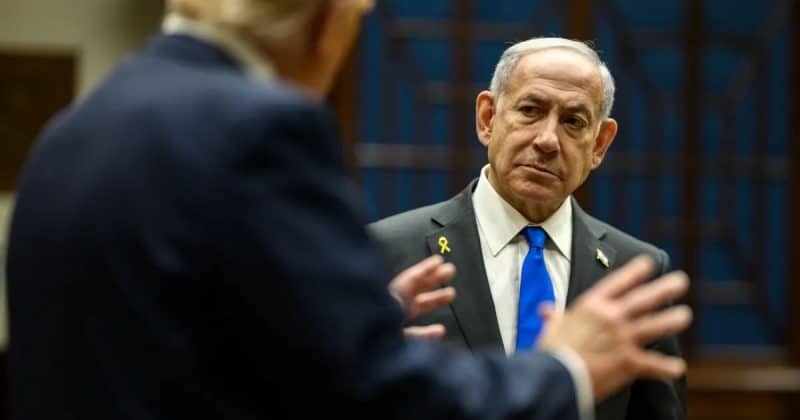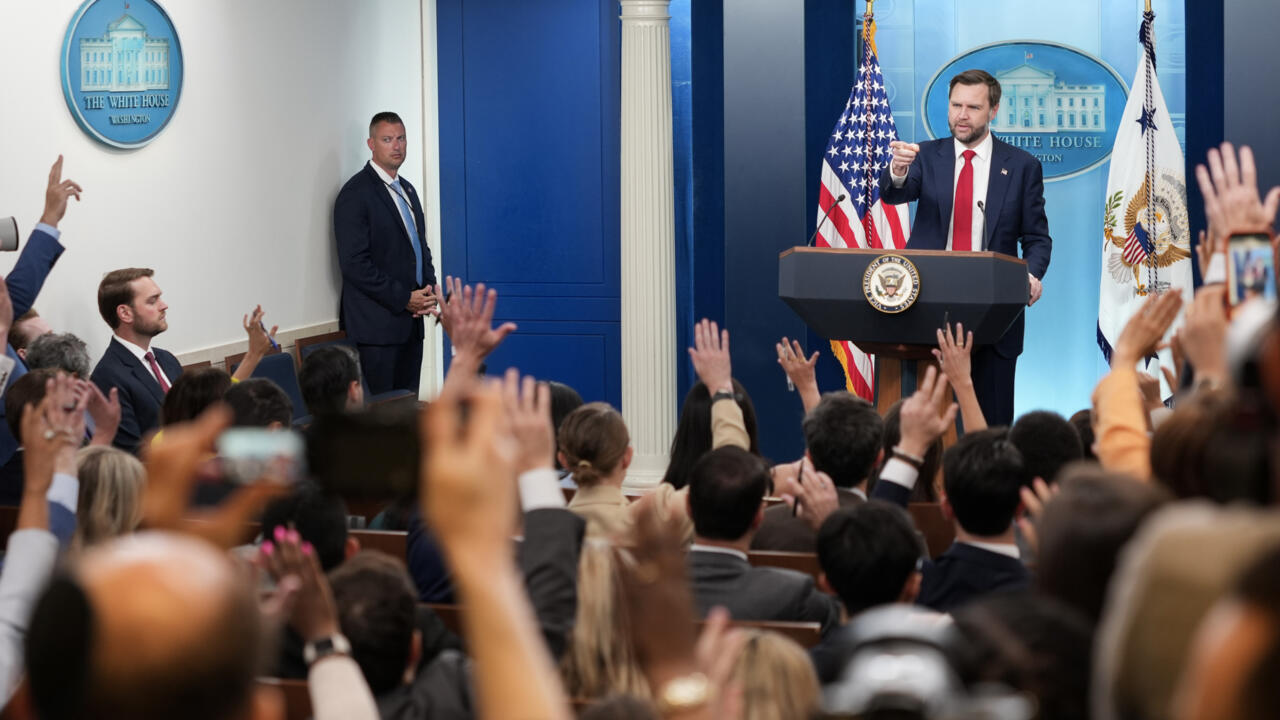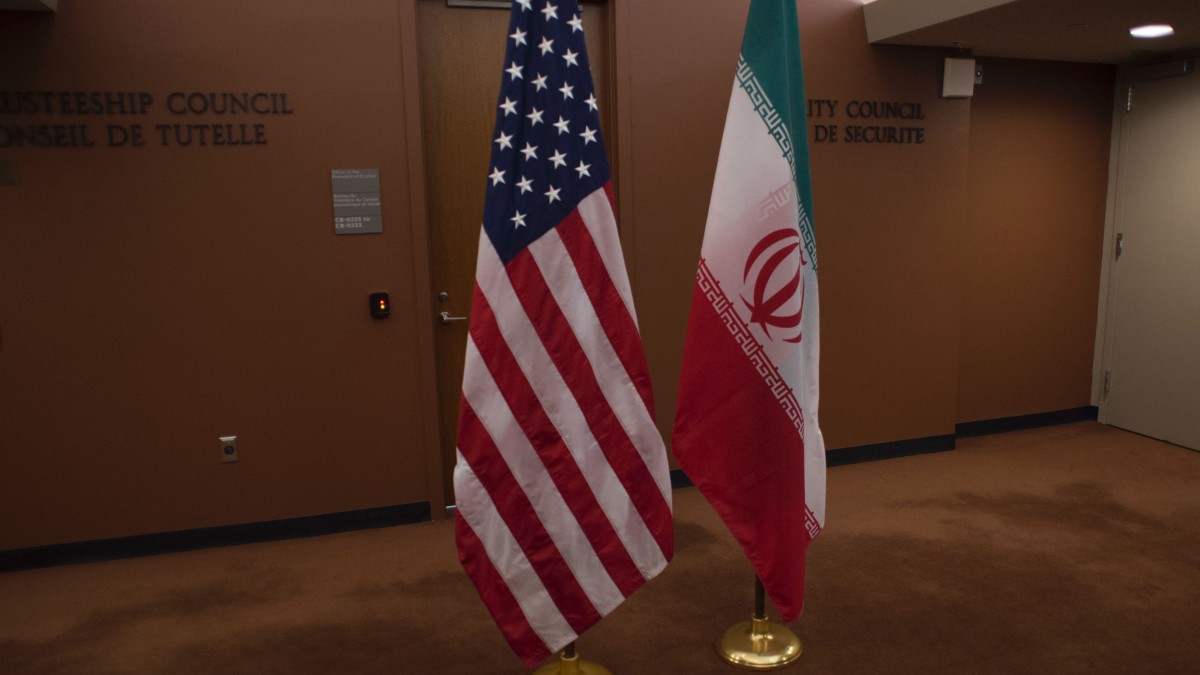
The US-Iran preliminary agreement reached on June 15, 2026, was supposed to be the off-ramp. Extend the ceasefire, reopen the Strait of Hormuz, start a 60-day negotiation window on Iran’s nuclear program and sanctions relief.
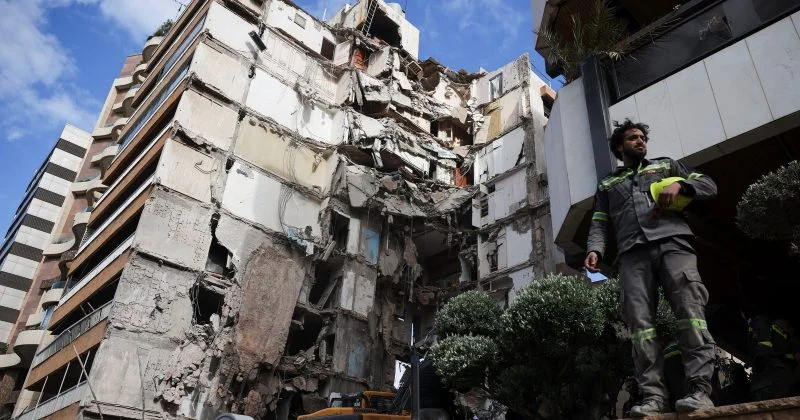
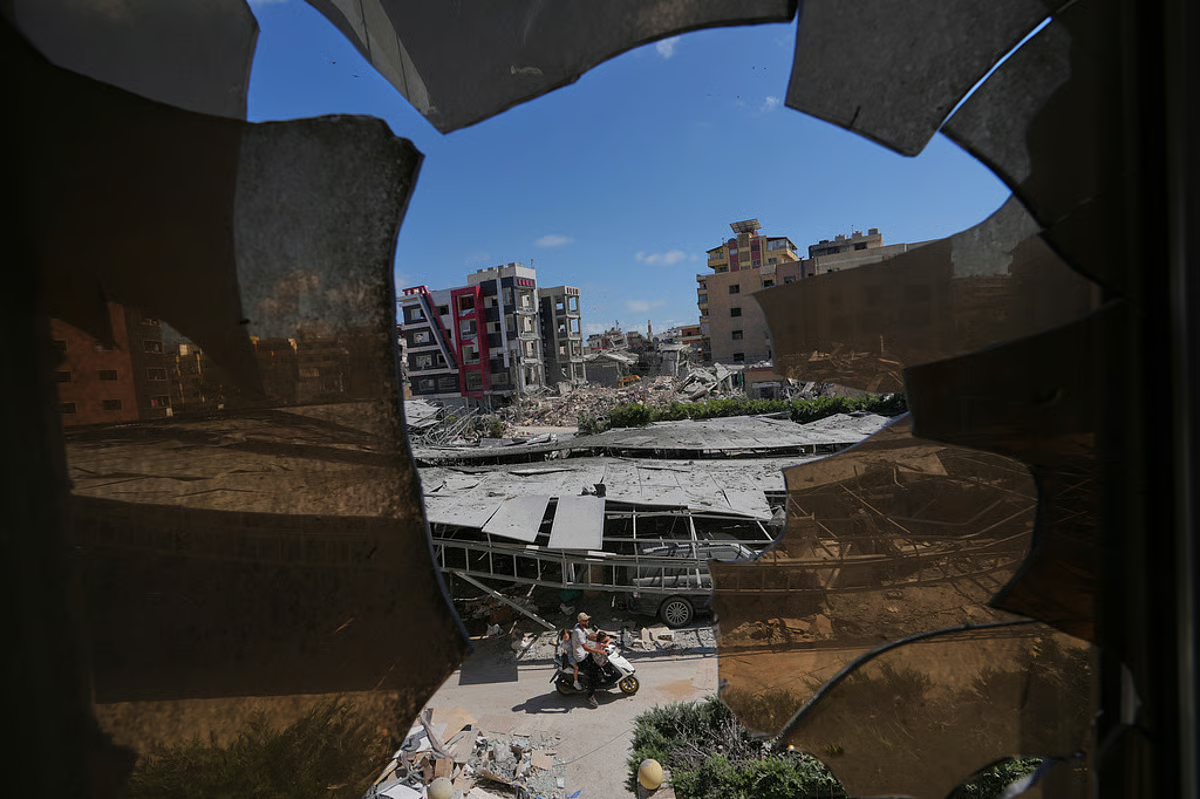
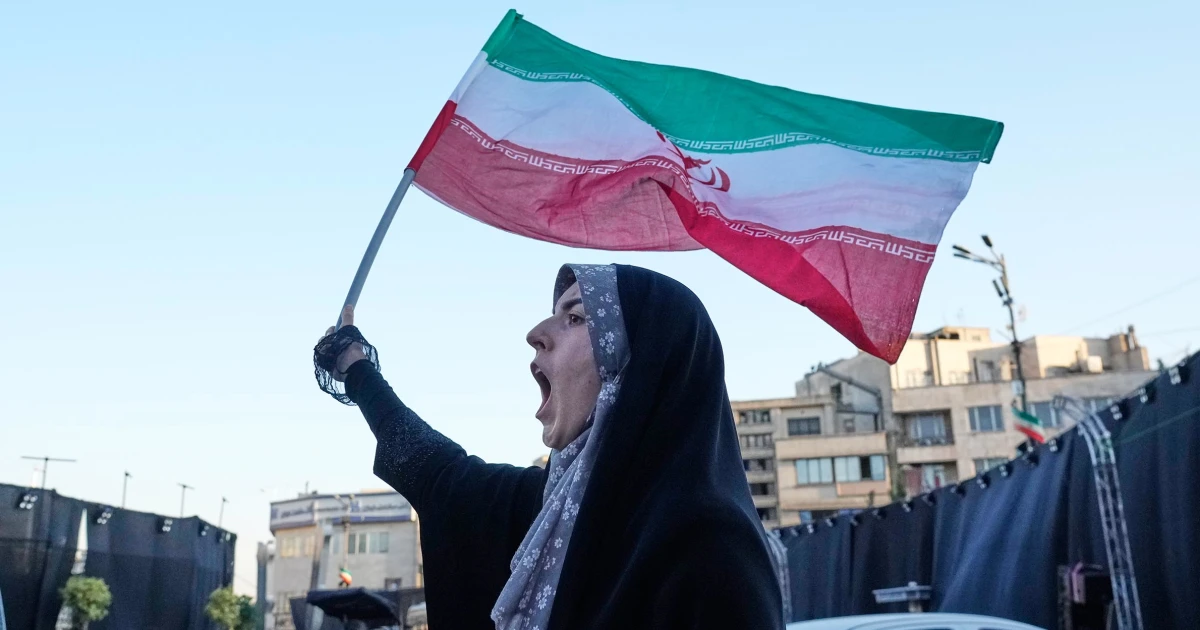
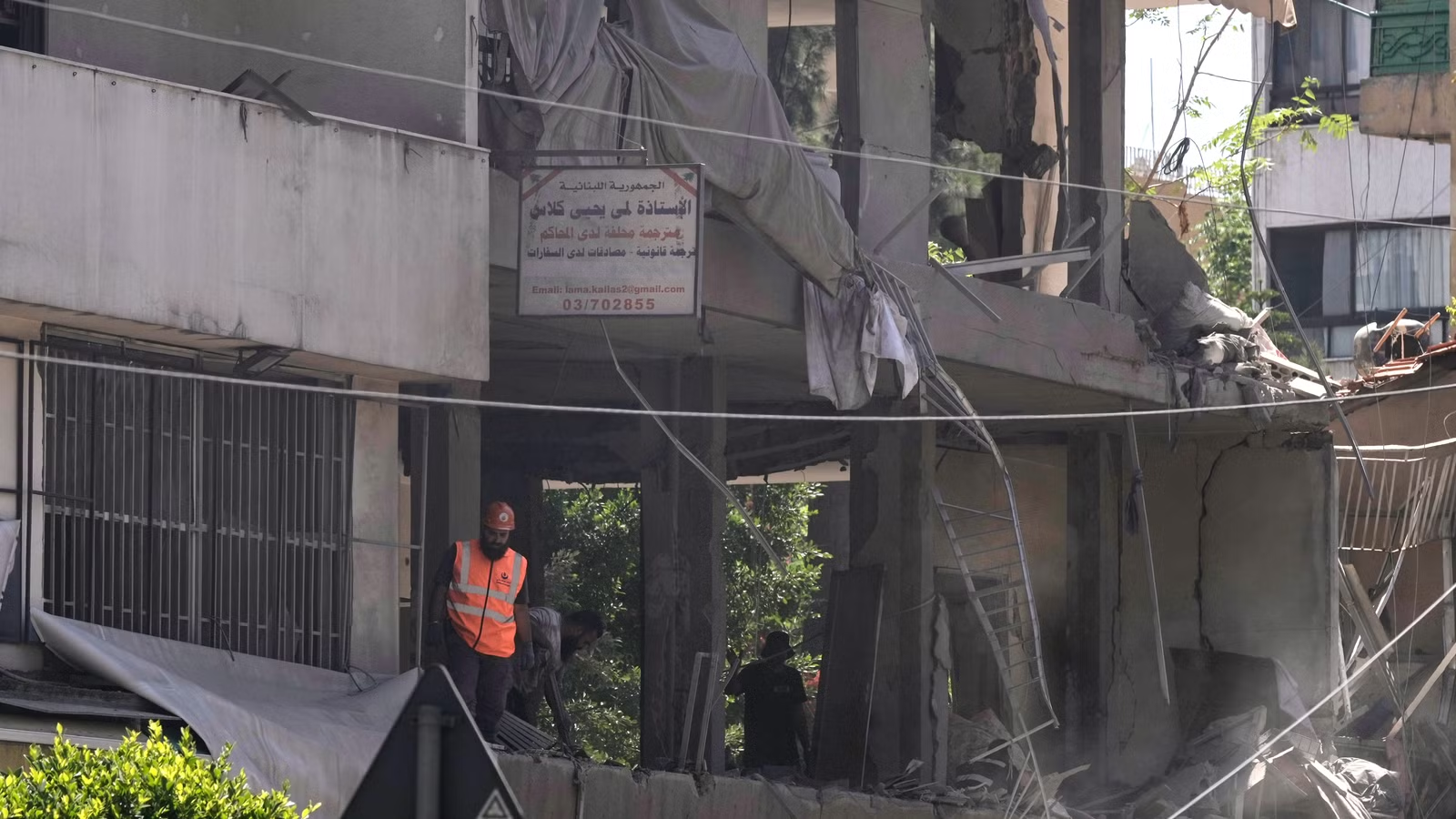
The renewed clashes between Israeli forces and Hezbollah have thrown the fragile diplomatic framework into immediate jeopardy. Iran has made its position clear: no end to the fighting in Lebanon, no moving forward on negotiations. That puts billions in frozen Iranian assets, the reopening of one of the world’s most critical shipping lanes, and any hope of broader de-escalation on a very precarious shelf.
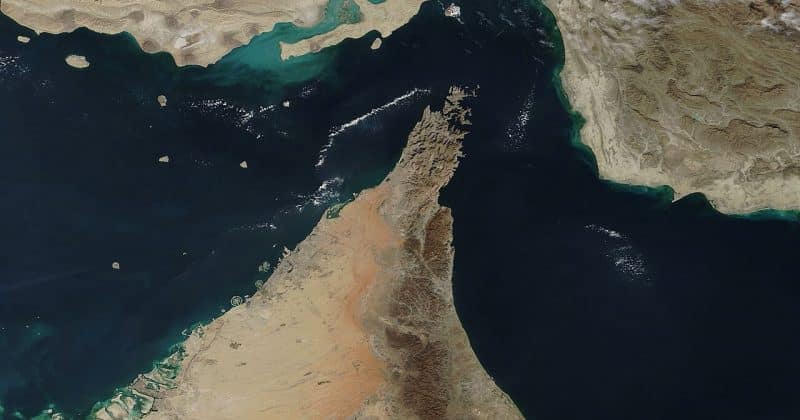
What’s actually at stake with the Strait of Hormuz
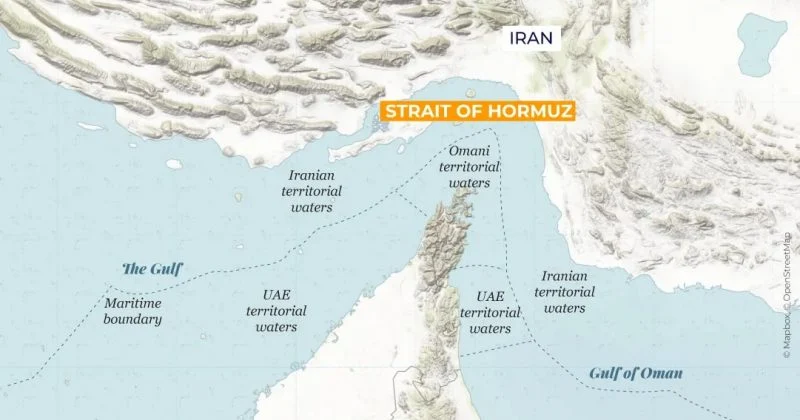
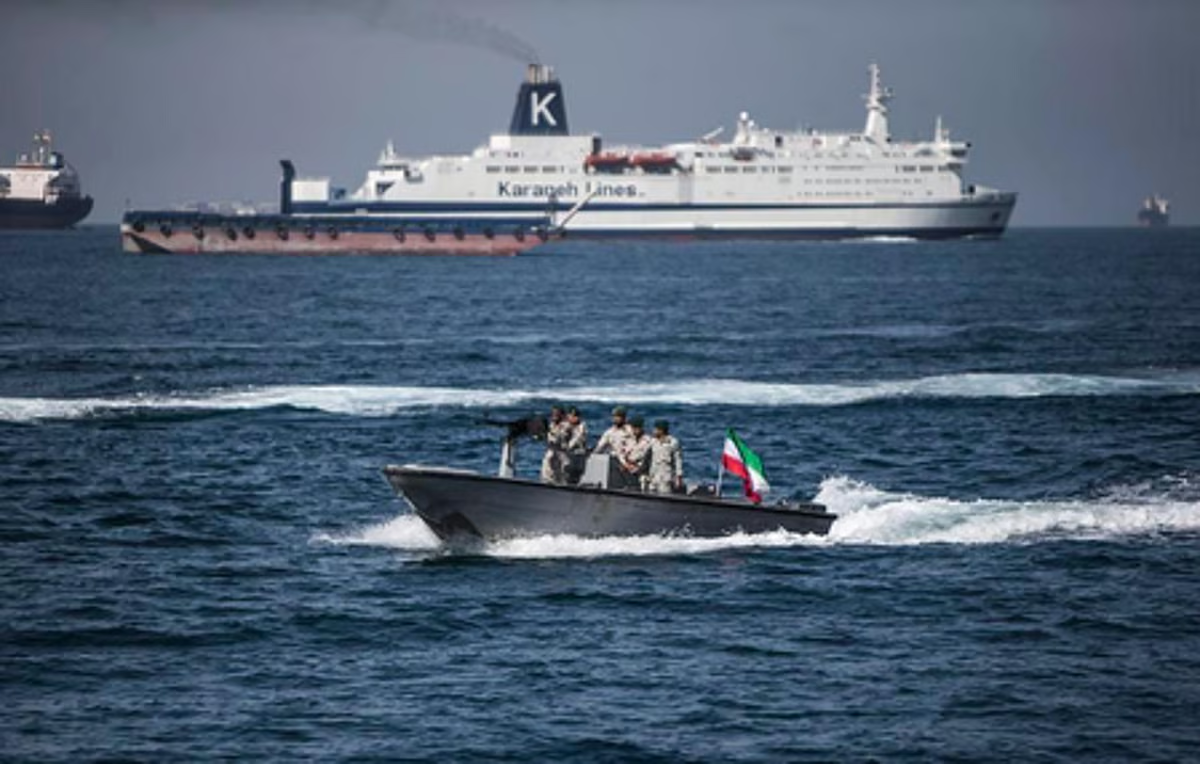
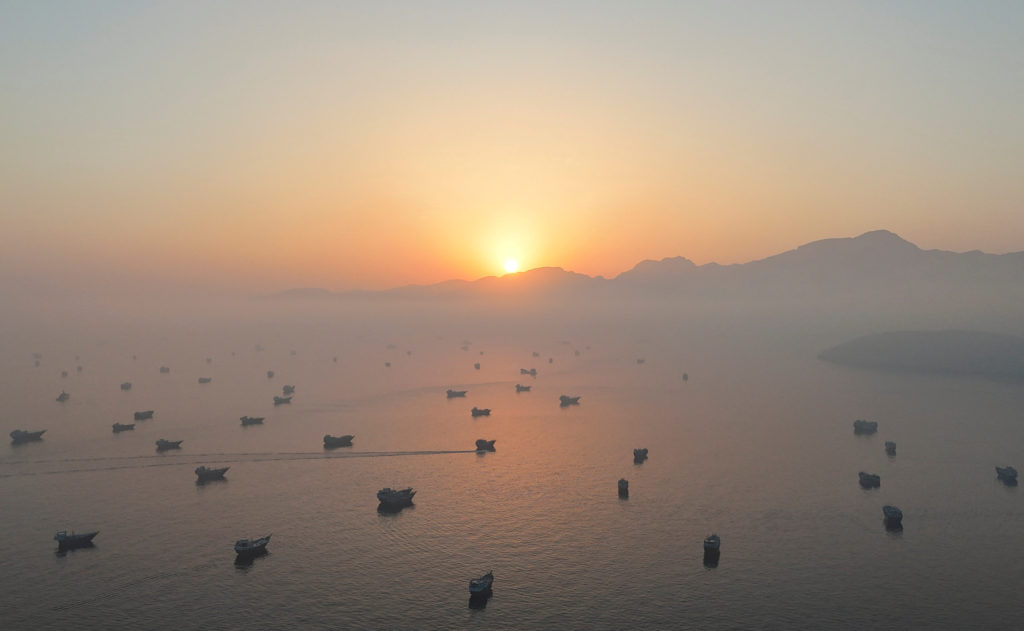
Roughly 20% of global oil and LNG shipments pass through the Strait of Hormuz. The strait has been functionally choked since hostilities escalated following US-Israel strikes on Iran that began on February 28, 2026. A US-brokered ceasefire in April 2026 managed to hold for a few months before hostilities resumed.
Oil prices climbed nearly 2% amid the renewed conflict and continued strait disruptions in early June. The preliminary agreement outlined a path to reopening commercial shipping through the strait while kicking off structured talks about Iran’s nuclear program and sanctions relief that would give Tehran access to billions in blocked funds.