The United States and Iran have agreed to a preliminary memorandum of understanding aimed at halting more than 100 days of escalating conflict between the two nations. The deal includes a plan to reopen the Strait of Hormuz for oil shipments and sets up a 60-day ceasefire window for negotiations on Iran’s nuclear program.
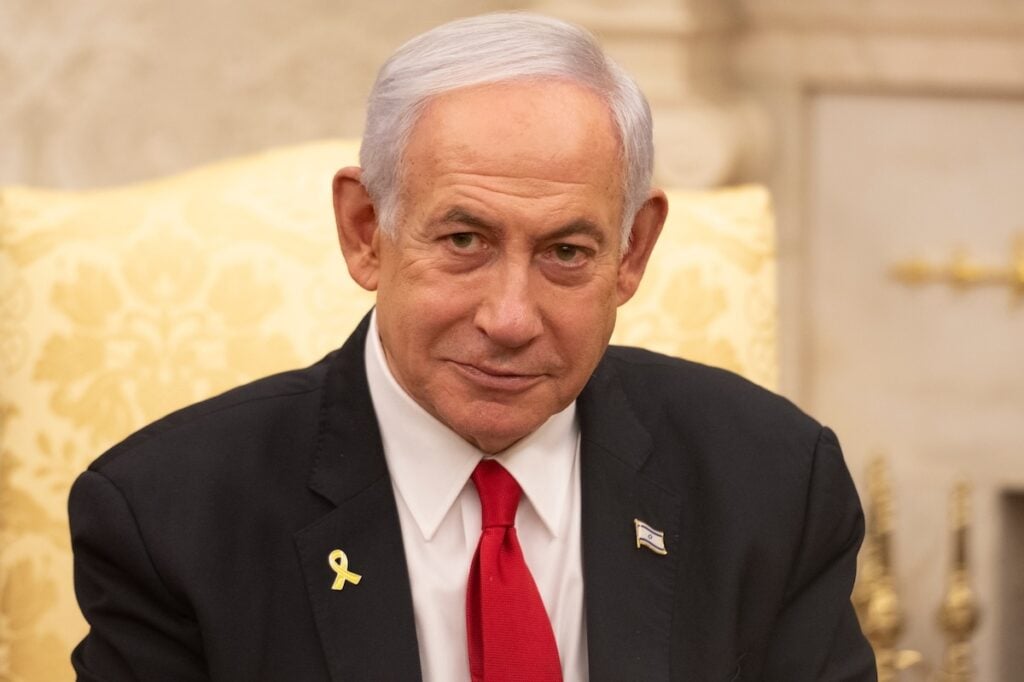
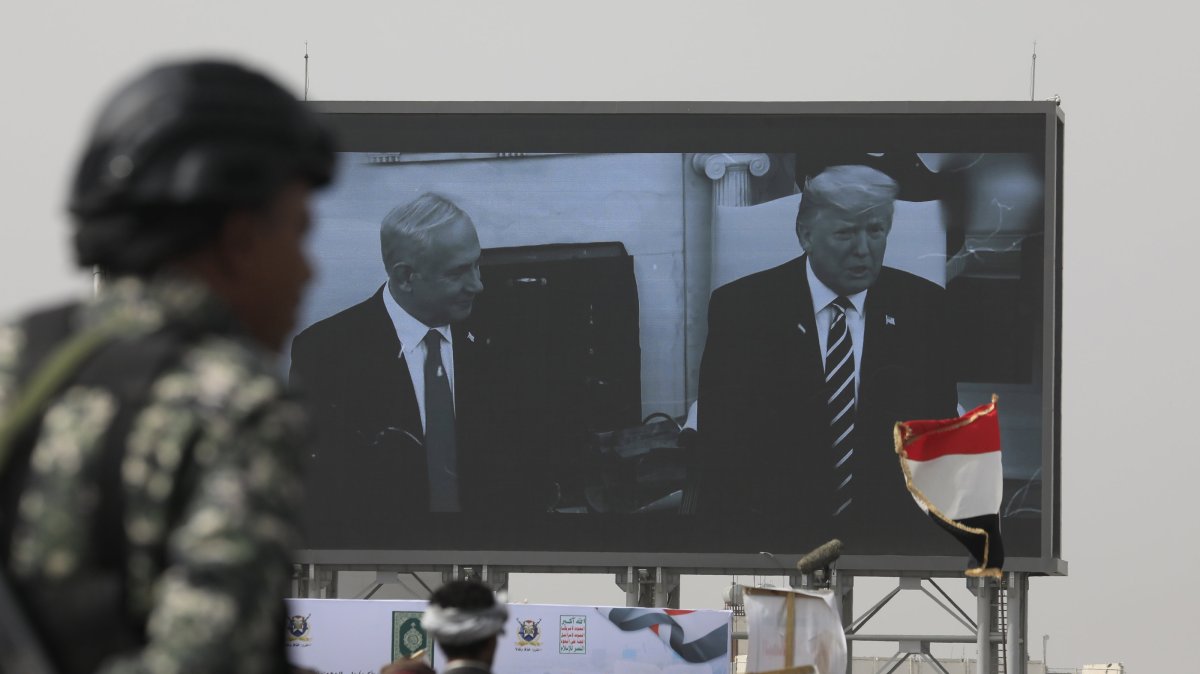
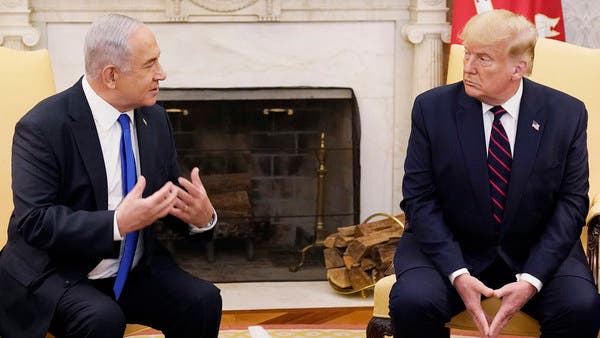
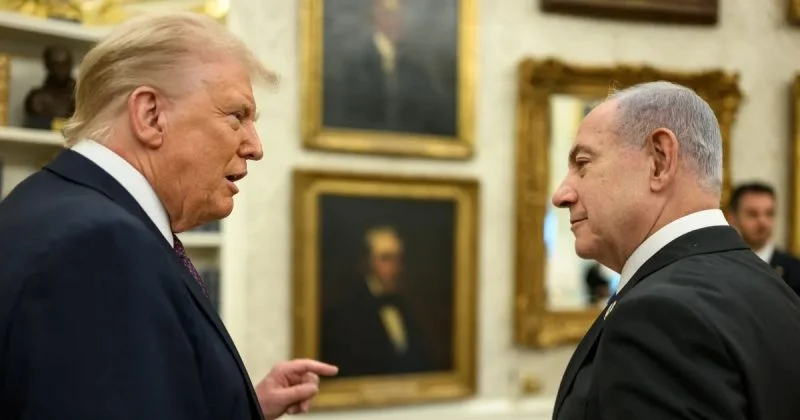
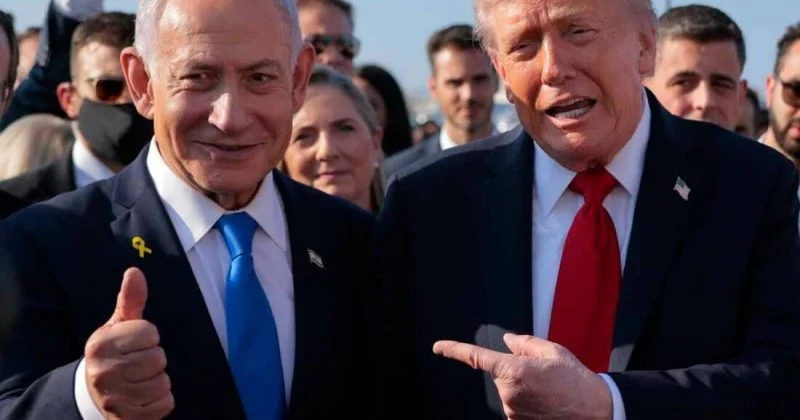
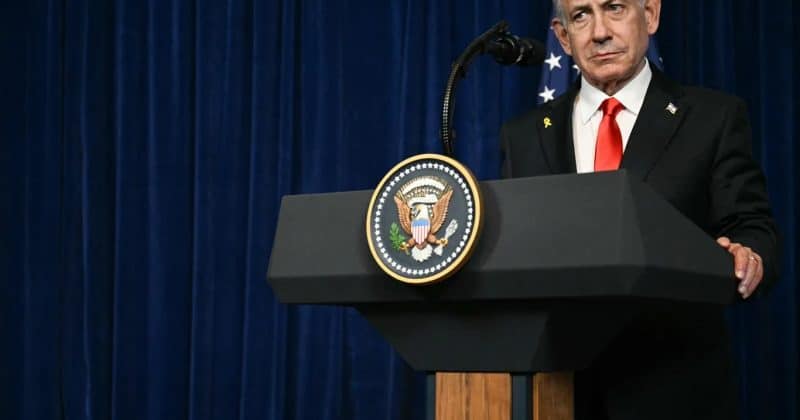
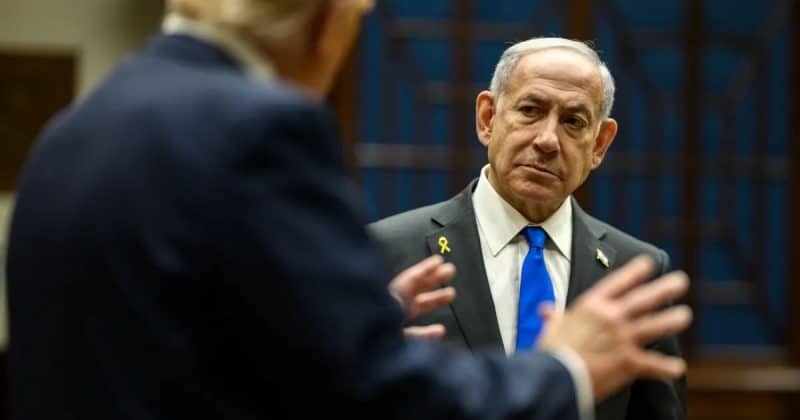
Israeli Prime Minister Benjamin Netanyahu isn’t on board. The leader who had been coordinating military strategy with US President Donald Trump against Iran now finds himself publicly distancing from the agreement, calling it “Trump’s decision.”
What the deal actually says
The MoU, reached around June 14-15, establishes a framework rather than a final resolution. The 60-day ceasefire creates space for both sides to negotiate on the thorniest issues, including Iran’s nuclear program. During that window, the Strait of Hormuz is set to reopen for commercial shipping.
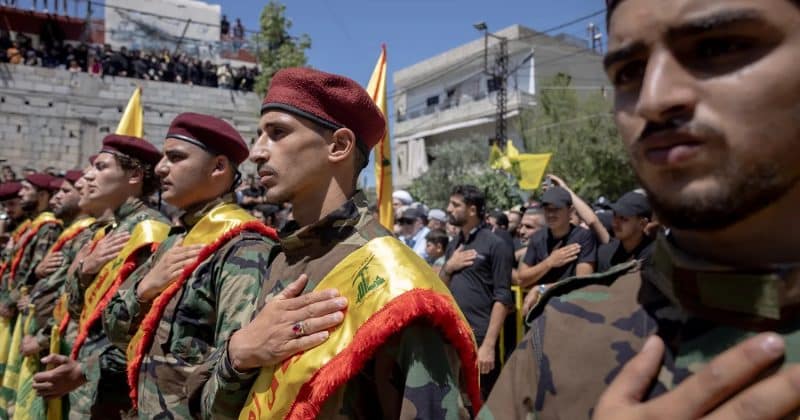
What the deal doesn’t do is equally important. Iran gets no immediate sanctions relief. There are no restrictions placed on its ballistic missile program as part of this preliminary agreement. And critically for Israel, the MoU imposes no strict measures on Hezbollah’s operations in Lebanon.