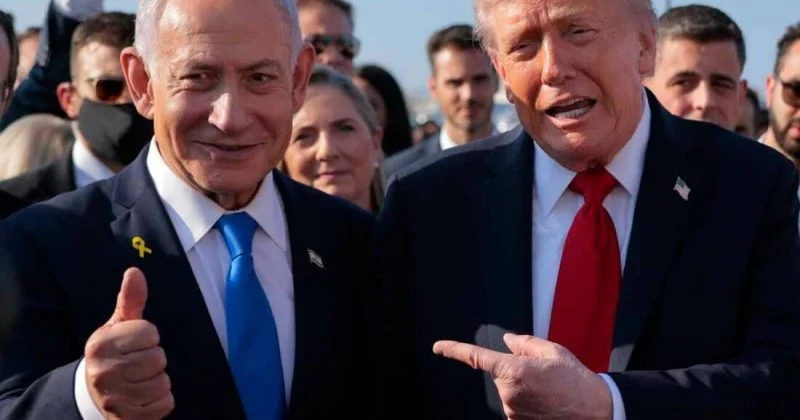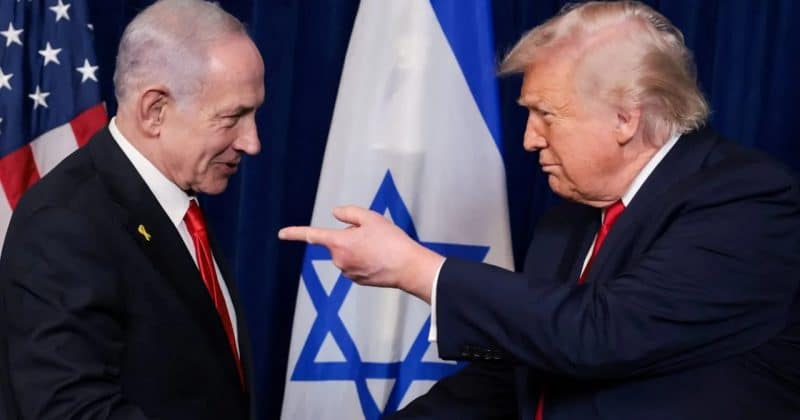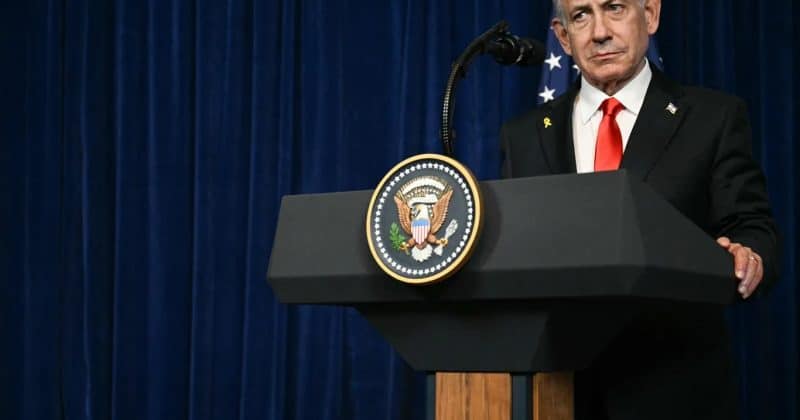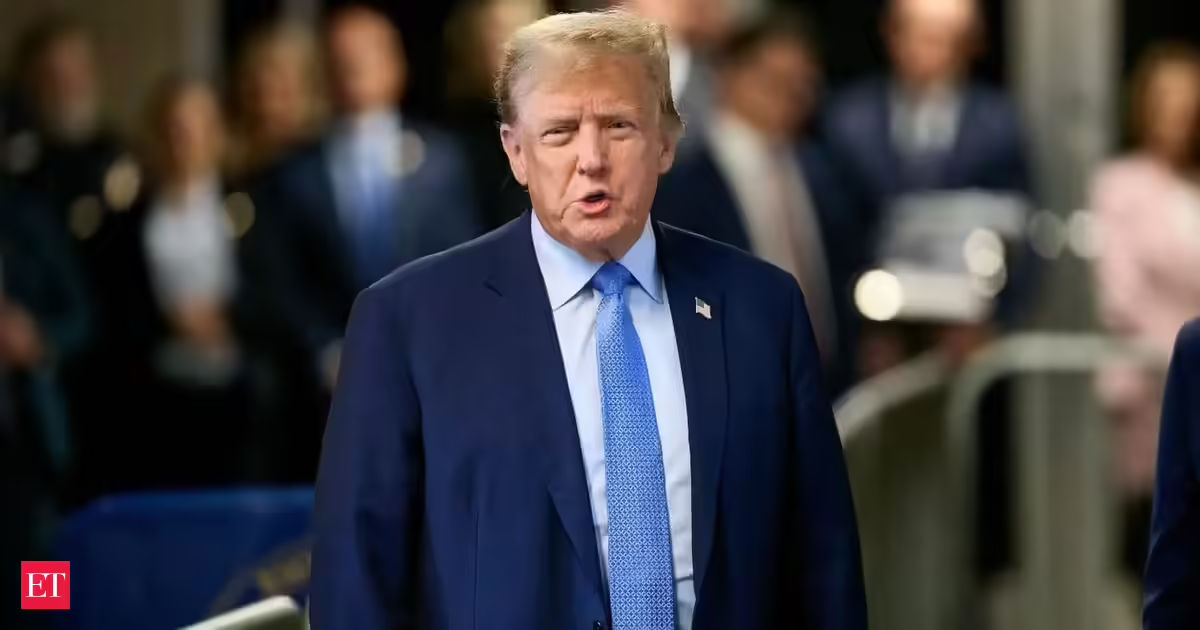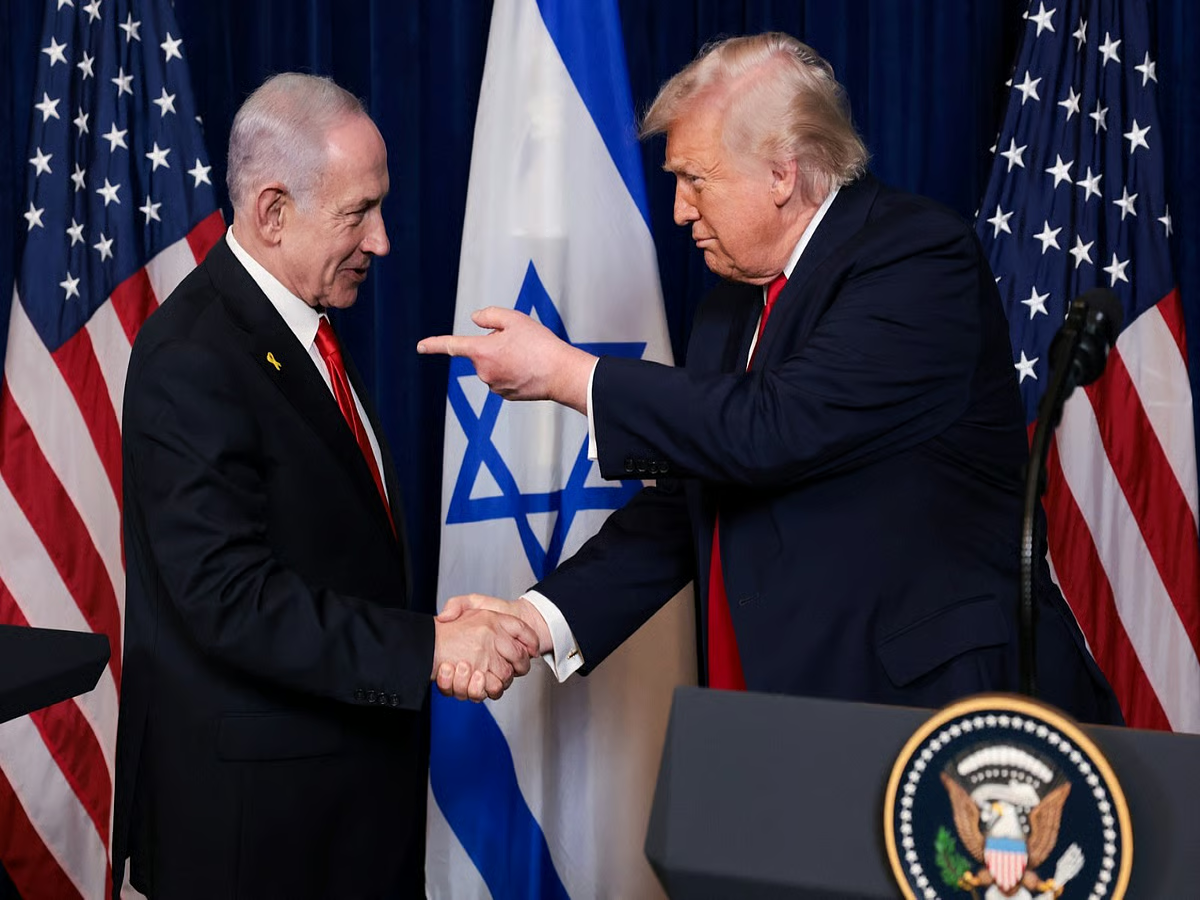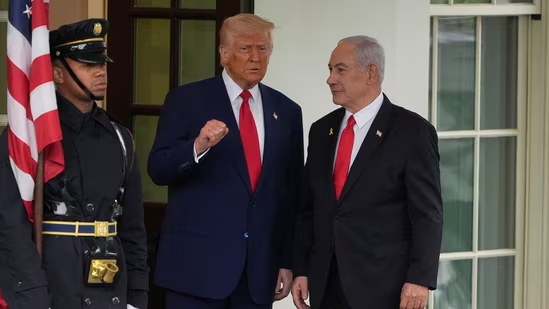
President Donald Trump declared on June 8 that Israeli Prime Minister Benjamin Netanyahu would have “no choice” but to accept a US-brokered deal with Iran, asserting that he, not Jerusalem, controls the diplomatic playbook. The statement came after Iranian missile strikes on Israel and weeks of active negotiations between Washington and Tehran.
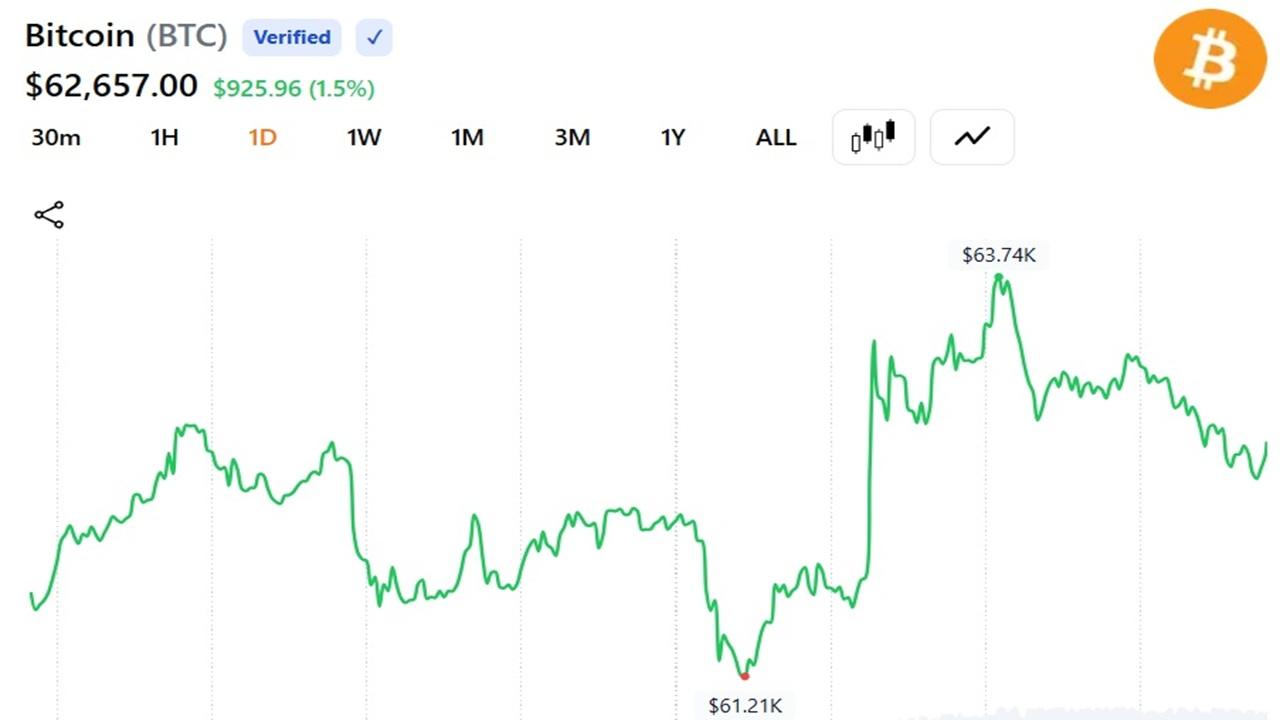
Bitcoin responded the way it usually does when geopolitical risk dials down a notch: it went up. The price surged roughly 5% to $64,000 before settling near $62,500 as traders digested the prospect of a Middle East that’s slightly less on fire.
What Trump actually said
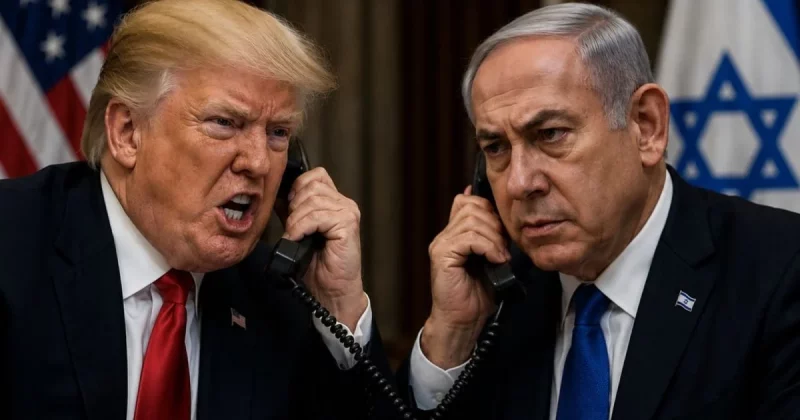
In interviews, Trump made clear that US policy toward Iran runs through the Oval Office, not through any allied capital. He told Netanyahu directly not to retaliate against Tehran, framing the directive as a necessary step toward a broader agreement that could ease hostilities across the region.
These talks have been active since at least May 2026. Trump had previously rejected an Iranian proposal that same month, signaling that while he was willing to negotiate, the terms needed to be on his terms. The rejection appeared partly motivated by congressional dynamics, a reminder that domestic politics and foreign policy remain inseparable in Washington.