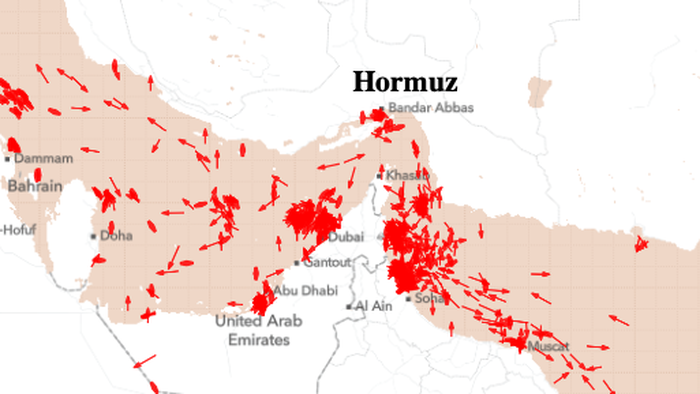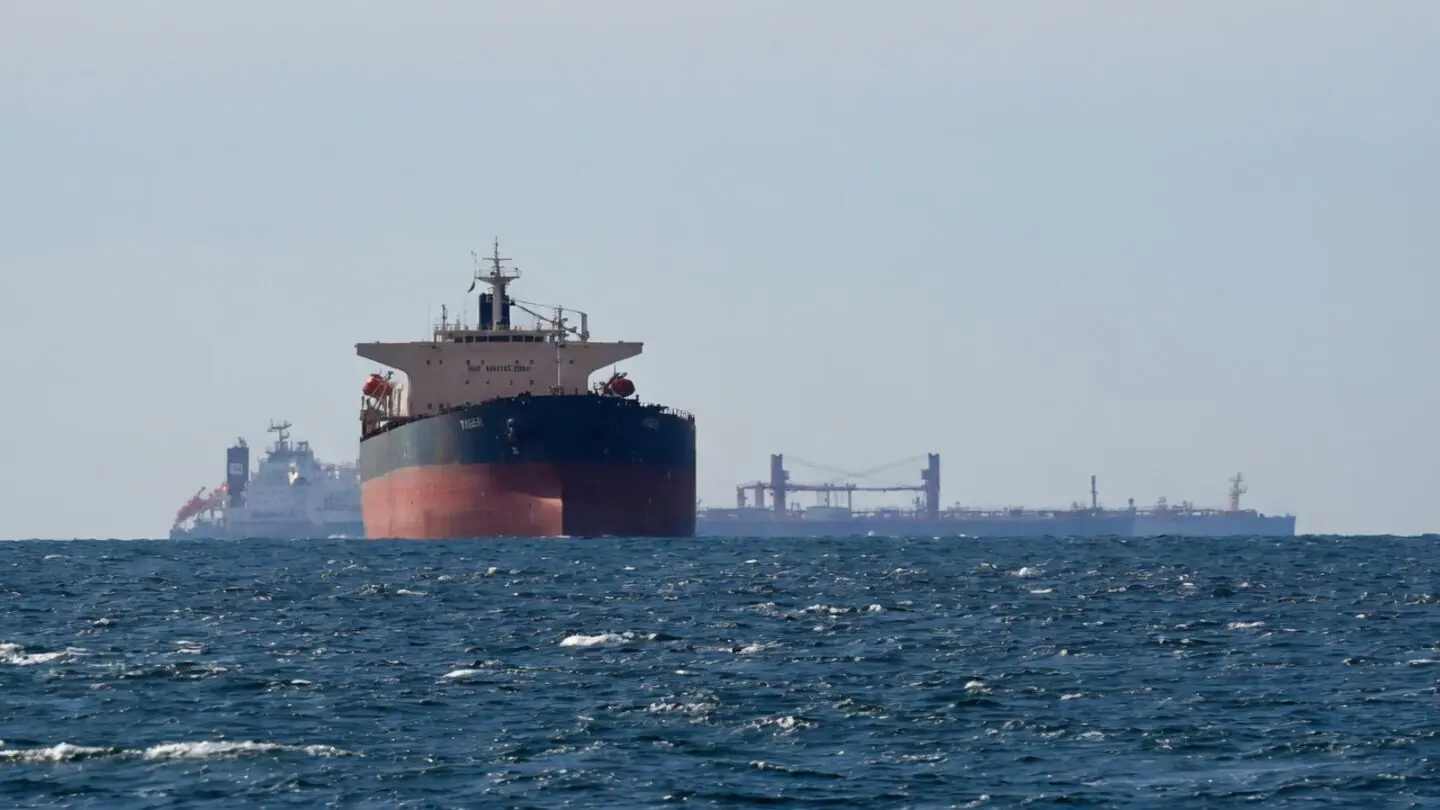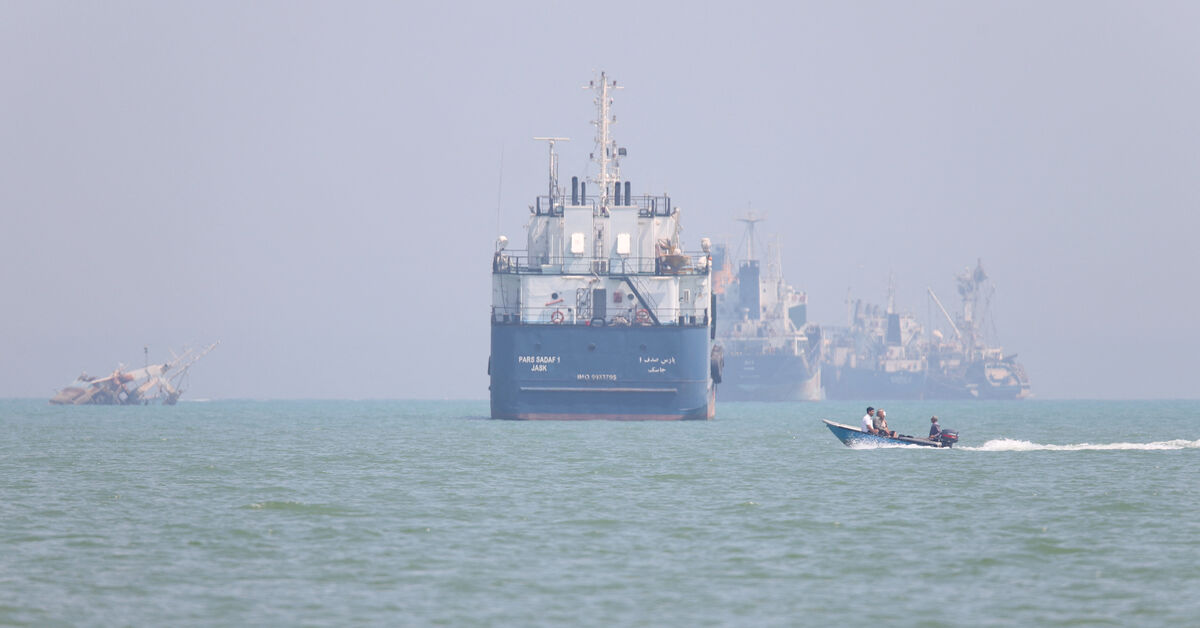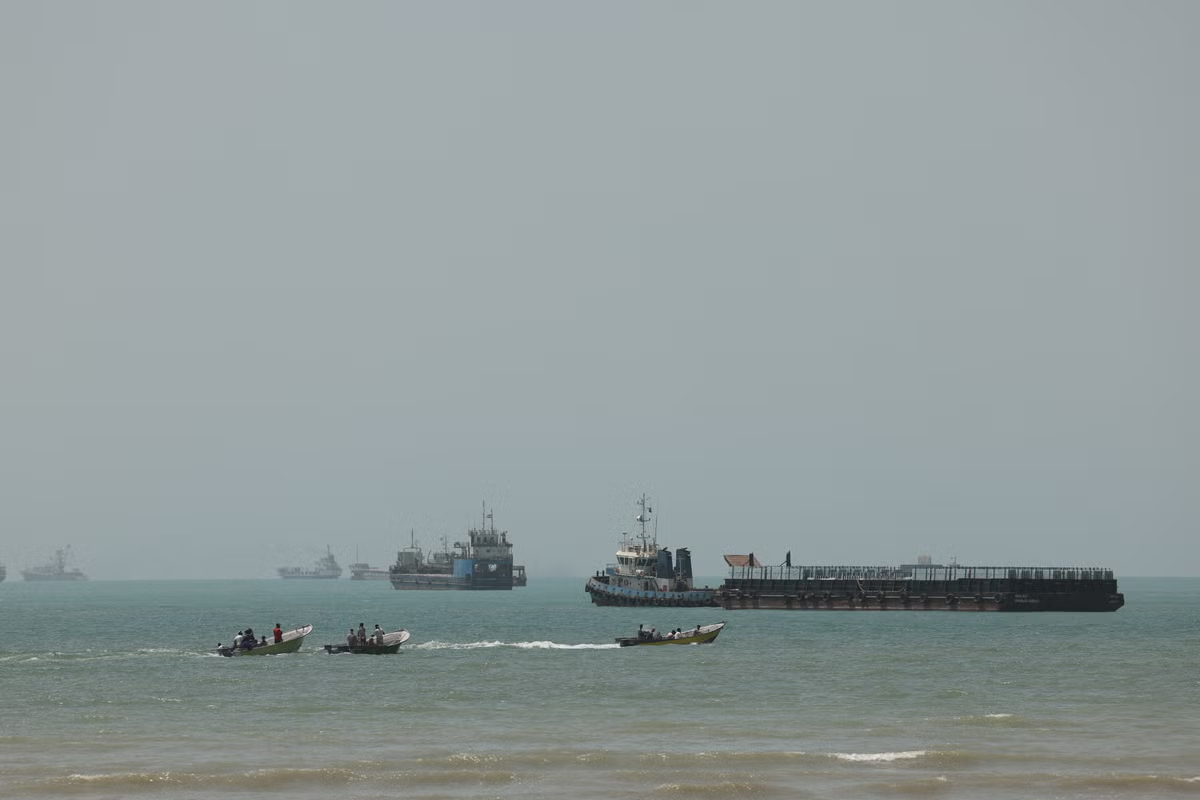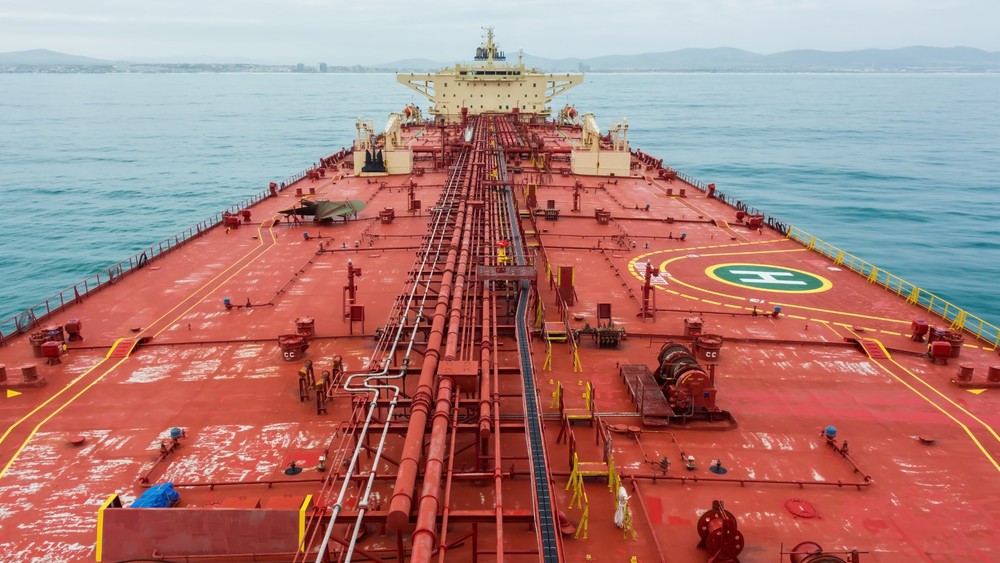
0843 GMT - Energy flows are expected to return to around 80% of pre-disruption levels by the end of the third quarter, says Neil Shearing from Capital Economics. "It is likely that it will take some time for oil flows through the Strait to return to prewar levels," the chief economist says. "Even if ships now have safe passage, tankers are in the wrong place, oil production/refining facilities need to get up to full capacity, and questions over the cost and availability of insurance for ships traversing the Strait will remain." Natural-gas flows instead are likely to recover more slowly as Iranian strikes against Qatari facilities have taken about 17% of output offline. (giulia.petroni@wsj.com)
Oil Prices at Crossroads as Supply Recovery Meets Demand Shifts, Barclays Says -- Market Talk
0805 GMT - Oil markets face three possible paths as geopolitical risks ease after the U.S. and Iran reached a deal, according to Barclays. In a bullish scenario, the normalization of trade flows through Hormuz could drive a rebound in consumption and trigger restocking, while logistical bottlenecks delay full supply recovery, pushing oil higher. A second, more balanced outcome sees prices stabilizing after an initial drop as markets adjust to expectations of rising supply and a lower risk premium, analysts at the bank say. Iranian exports would resume only gradually, helping anchor prices above preconflict levels. In a more bearish case, crude prices continue to fall as traders look ahead to additional barrels from Iran and increased output from Saudi Arabia and the U.A.E. Even if physical volumes ramp up slowly, expectations on future supply alone would push crude lower, Barclays says. (giulia.petroni@wsj.com)