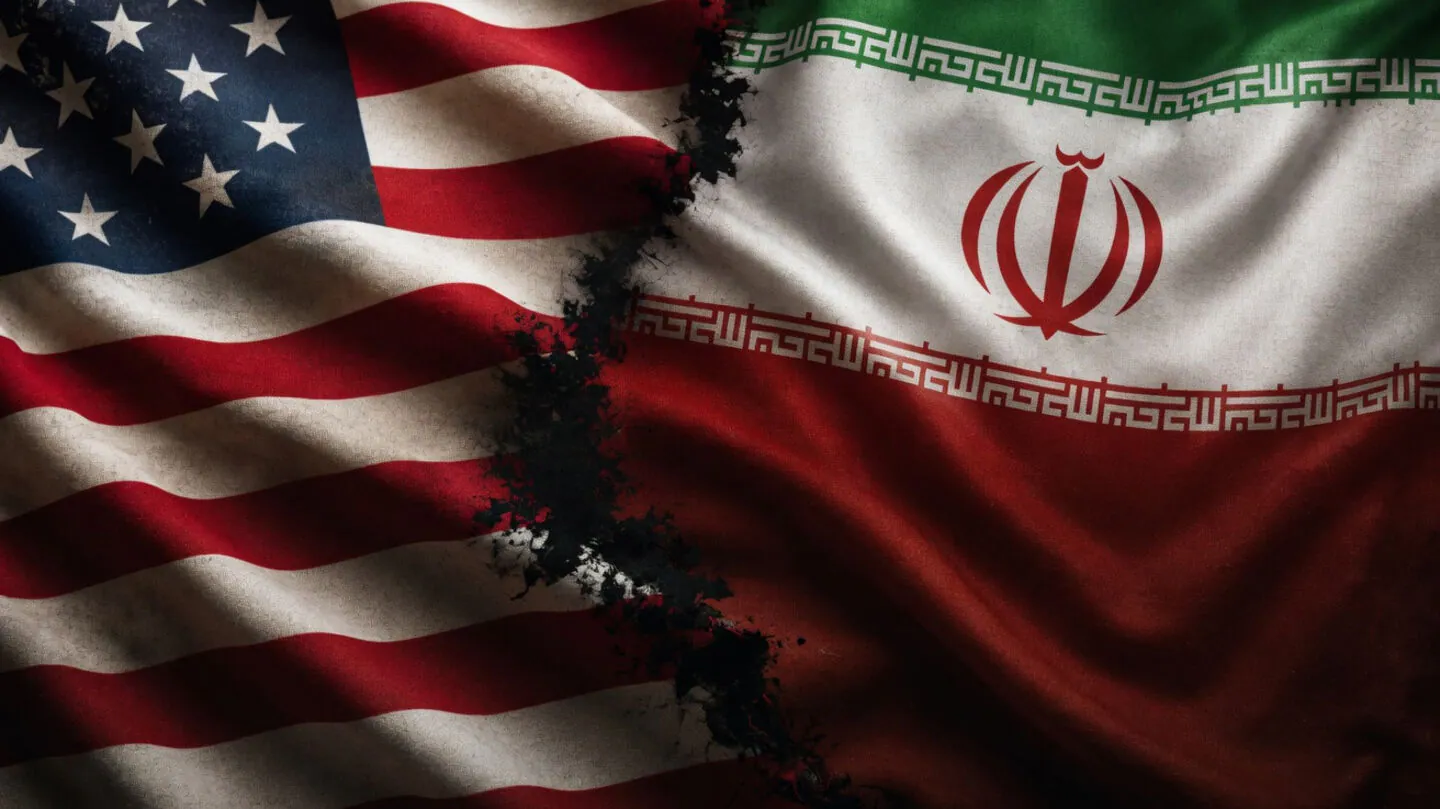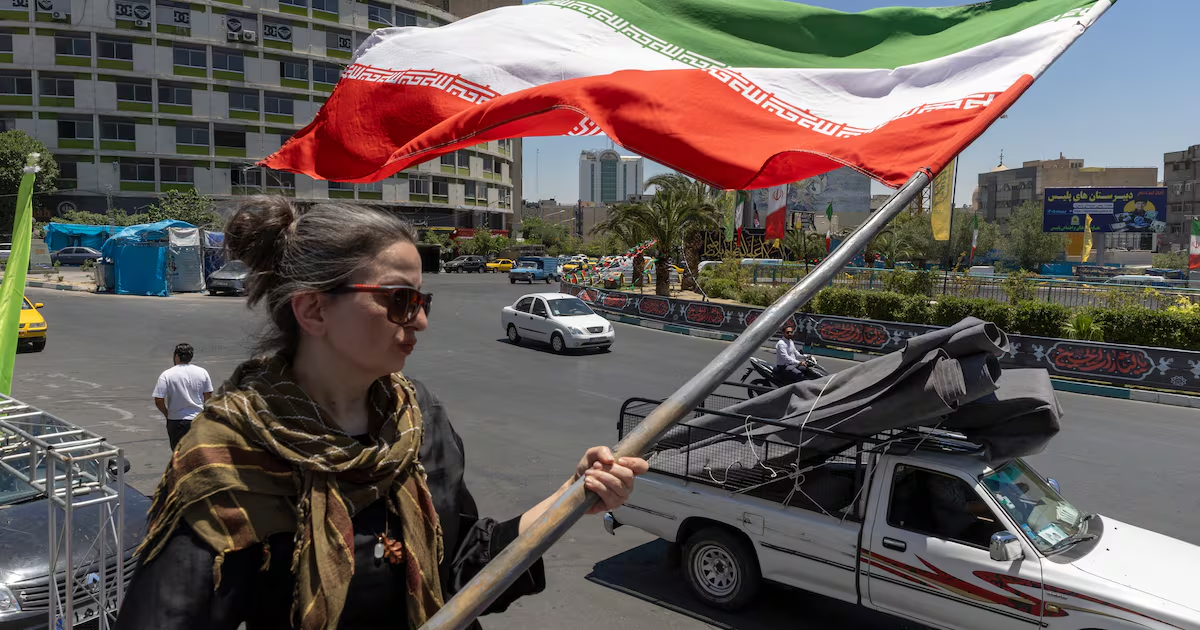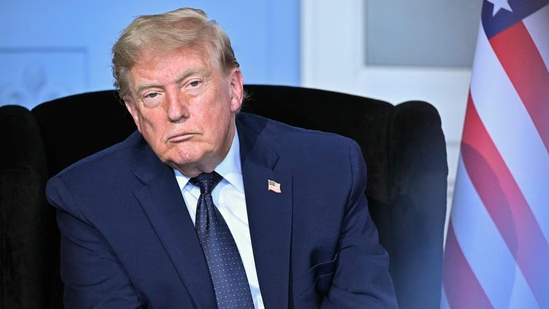
A proposed memorandum of understanding between the US and Iran would establish a reconstruction and investment fund worth up to $300 billion, contingent on Tehran meeting nuclear obligations and maintaining the current status of its nuclear program. The deal, which has been the subject of intense negotiations through May and June 2026, represents one of the most ambitious diplomatic carrots dangled in front of Iran in decades.
The proposed MoU goes well beyond a simple cash-for-compliance swap. The broader framework reportedly includes a tentative 60-day ceasefire extension, the reopening of the Strait of Hormuz, the lifting of US sanctions, and the release of frozen Iranian assets abroad. The core condition is straightforward: Iran must refrain from developing nuclear weapons and freeze its nuclear program at current levels until a final accord is reached.
A potential signing date has been floated around June 19, 2026, though no formal confirmation from either US or Iranian authorities has materialized as of June 15, 2026.
Separately, the UAE reportedly delivered $3 billion to Iran in June 2026 as part of a military de-escalation arrangement.
Senator Lindsey Graham went public with criticism of the fund concept on June 12, 2026. Graham drew parallels to the Marshall Plan, the post-World War II reconstruction program that rebuilt Western Europe with roughly $13 billion in US aid (about $170 billion in today’s dollars). His argument centers on feasibility: the Marshall Plan worked because it was deployed in countries with functioning democratic institutions and a shared interest in containing Soviet influence.