The Trump administration is weighing a $300 billion reconstruction and investment fund for Iran, contingent on Tehran holding up its end of an emerging peace agreement. The fund, which officials say would be bankrolled by Gulf countries rather than American taxpayers, represents one of the most ambitious, and controversial, financial components of a US diplomatic initiative in decades.
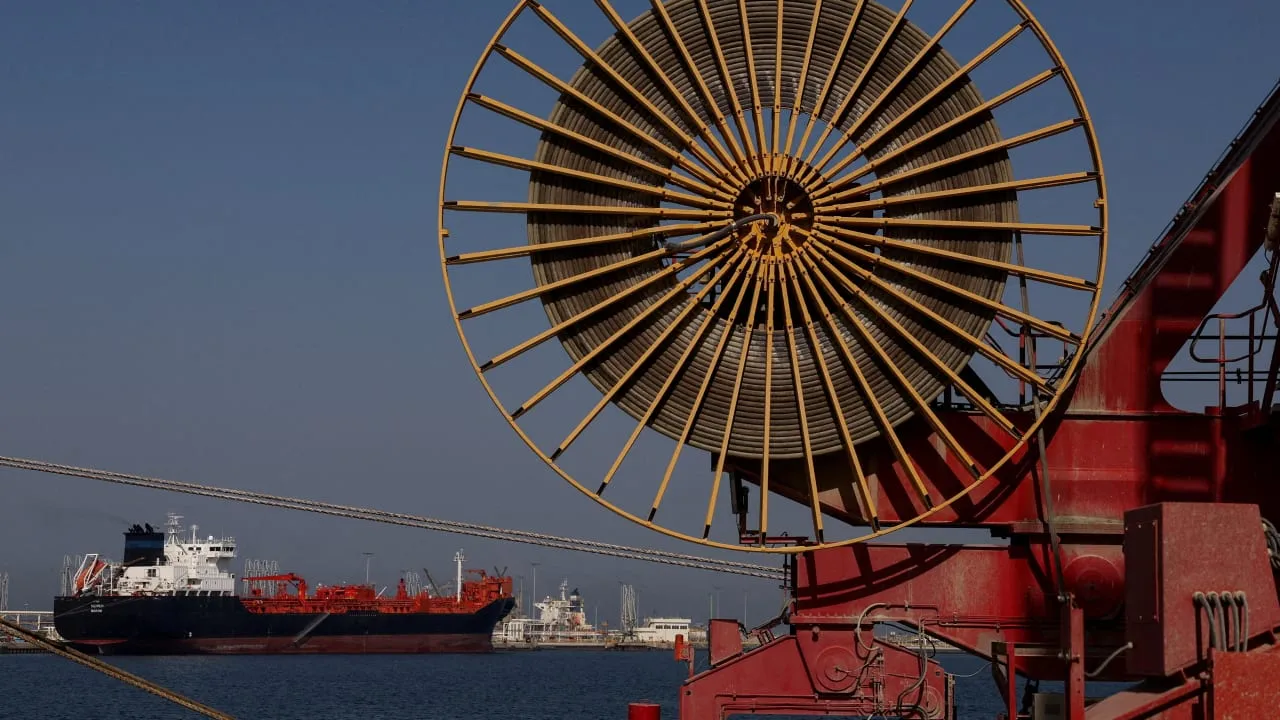
Vice President JD Vance confirmed on June 15, 2026, that Iran “could have access to” the fund if it fulfills its obligations under the deal. Those obligations reportedly include reopening the Strait of Hormuz, one of the world’s most critical shipping chokepoints through which roughly a fifth of global oil passes daily.
What’s actually on the table
The broader negotiation framework surfaced around late May 2026 alongside reports of a draft 14-point agreement. The deal addresses far more than money. It includes a 60-day window for discussions on Iran’s nuclear program, sanctions relief provisions, and efforts to stabilize regional flashpoints including the situation in Lebanon.
Here’s the thing about that $300 billion figure: it’s enormous. For context, that’s larger than Iran’s entire annual GDP in many recent years.