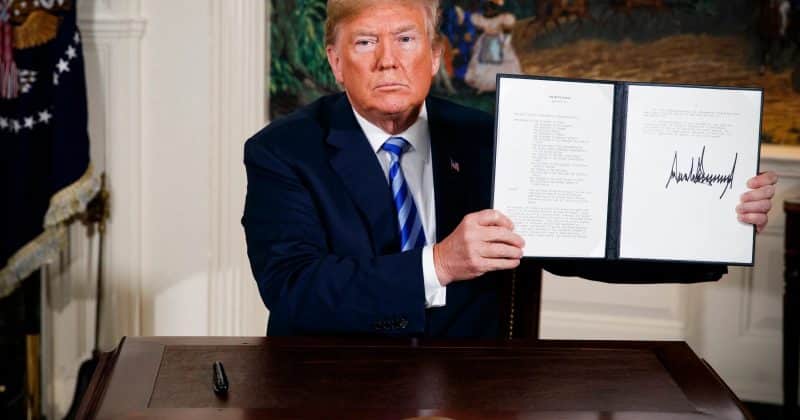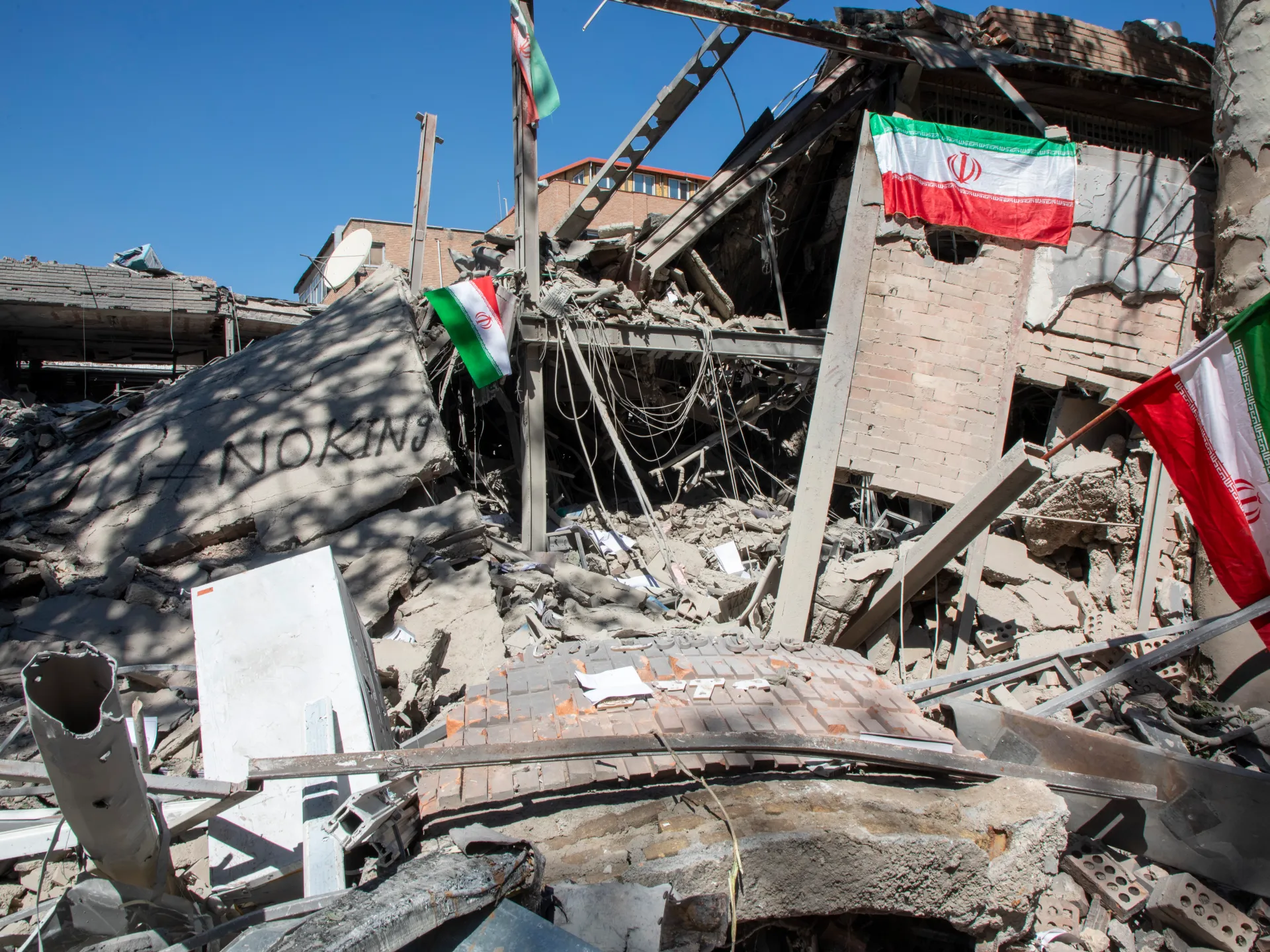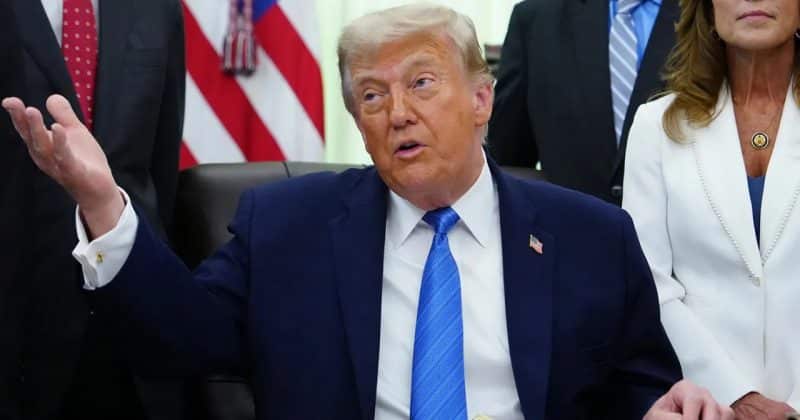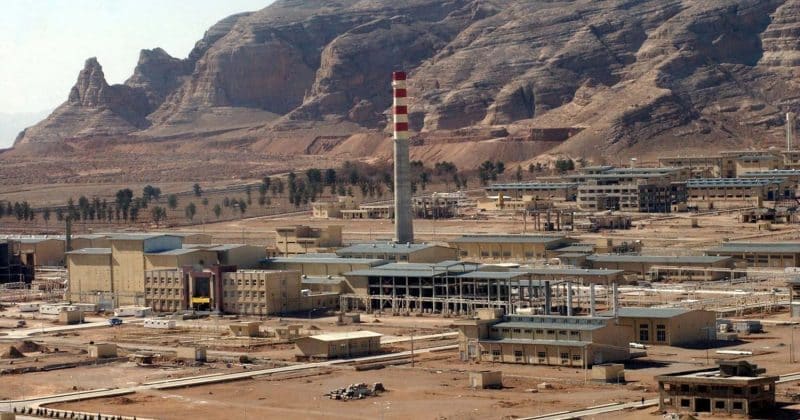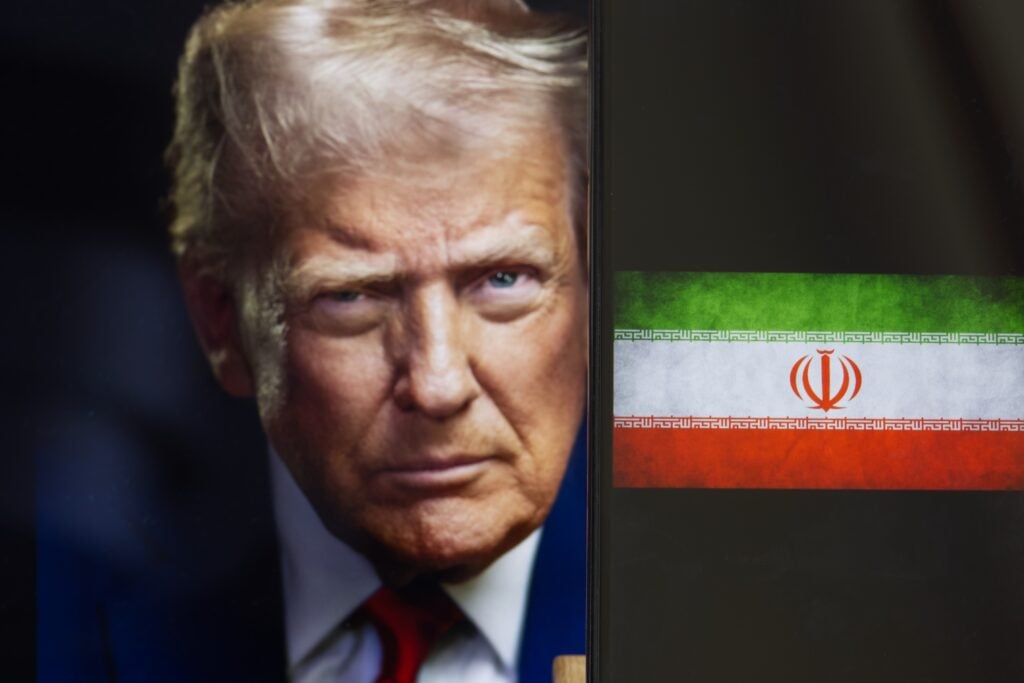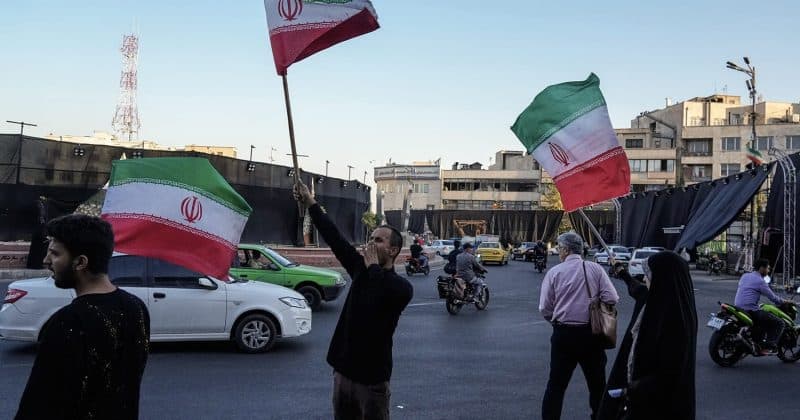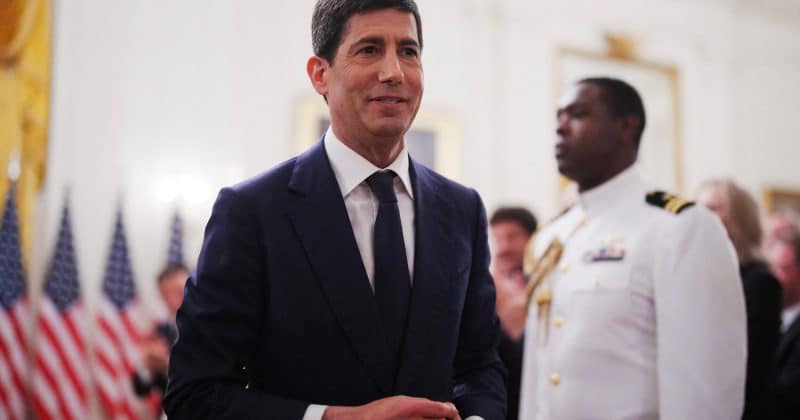
The Trump administration is prepared to allow the establishment of a $300 billion investment fund for Iran if Tehran agrees to a final settlement to end the war that includes a nuclear deal.A senior US official said Washington had discussed the possibility of sanctions relief and “a big $300 billon fund to rebuild their country”. The incentives would be connected to Iran’s “performance” adhering to the memorandum of understanding that is to be formally signed in Switzerland on Friday.A person briefed on the talks said the establishment of the fund would be contingent on a final settlement that is part of the MoU and would follow an extension of the ceasefire by 60 days, the reopening of the Strait of Hormuz and further negotiations on a nuclear deal.They added the fund would not come from governments and instead would be created for companies keen to invest in the nation of 90 million with abundant energy resources. The structure and management of the fund were not immediately clear.“There is interest from a lot of businesses in Europe, a lot in Asia, South Korea, Japan etc, and American companies and businesses as well,” the person said. “If the sanctions are lifted, this fund would be a significant amount and it will be huge.”[ US and Iran agree tentative peace deal but Israel says it will not withdraw from LebanonOpens in new window ]The $300 billion reconstruction fund would be “the sort of thing [Iran] could have access to . . . so long as they honour their end of the obligation,” vice-president JD Vance told CBS News.The scale of financial incentives the US has floated for Iran has been a contentious topic in the negotiations. It has also been among the most politically sensitive issues for Donald Trump because he is loath to be seen to be rewarding the Islamic regime.The US president was highly critical of the decision by Barack Obama’s administration to join other world powers in signing a 2015 nuclear accord with Iran that provided broad sanctions relief, accusing it of sending “pallets of cash” to Tehran.Critics of the MoU have said the financial incentives under discussion would amount to far more than those agreed under Obama.One senior official on Monday told reporters that “zero” dollars have flowed to Iran since Trump, Vance and Iran’s parliamentary speaker, Mohammad Bagher Ghalibaf, remotely signed the document.Under the terms of the MoU, any sanctions relief, including the unfreezing of Iranian assets held overseas, would be released in phases and be dependent on the progress of the nuclear talks and a final settlement, the person briefed on the discussions said.However, senior Trump administration officials said the US would offer “small gestures” of financial relief “in the beginning” as a trust-building measure.US officials also suggested that decisions to allow Iran access to the larger slate of funds would be subjective, rather than based on concrete benchmarks.“The sanctions relief is not tied specifically to any particular conduct,” one senior official told reporters on Monday. “It’s tied generally to them behaving appropriately. And obviously the thing that we care the most about is the nuclear programme.”As part of the MoU, Tehran and Washington have agreed to resolve the disposal of the stockpile of enriched uranium under an agreed mechanism. The minimum commitment is for all uranium to be diluted on site, under the supervision of the International Atomic Energy Agency, according to the person briefed on the talks.That programme has “already been systematically destroyed”, the official said, referring to the US’s bombing of Iran’s three main nuclear sites during Israel’s 12-day war against the republic last June.But the administration would want to see measures to ensure “they don’t rebuild it”.Iran has a stockpile of more than 9,000kg of enriched uranium. Most of it is at low levels, but 440kg is enriched to near weapons-grade levels — which Trump describes as the nuclear dust.- Copyright The Financial Times Limited 2026
Trump administration considers $300bn fund for Iran if deal is upheld
Incentives would be tied to Tehran’s ‘performance’ including over opening of the Strait of Hormuz and nuclear talks
653 words~3 min read