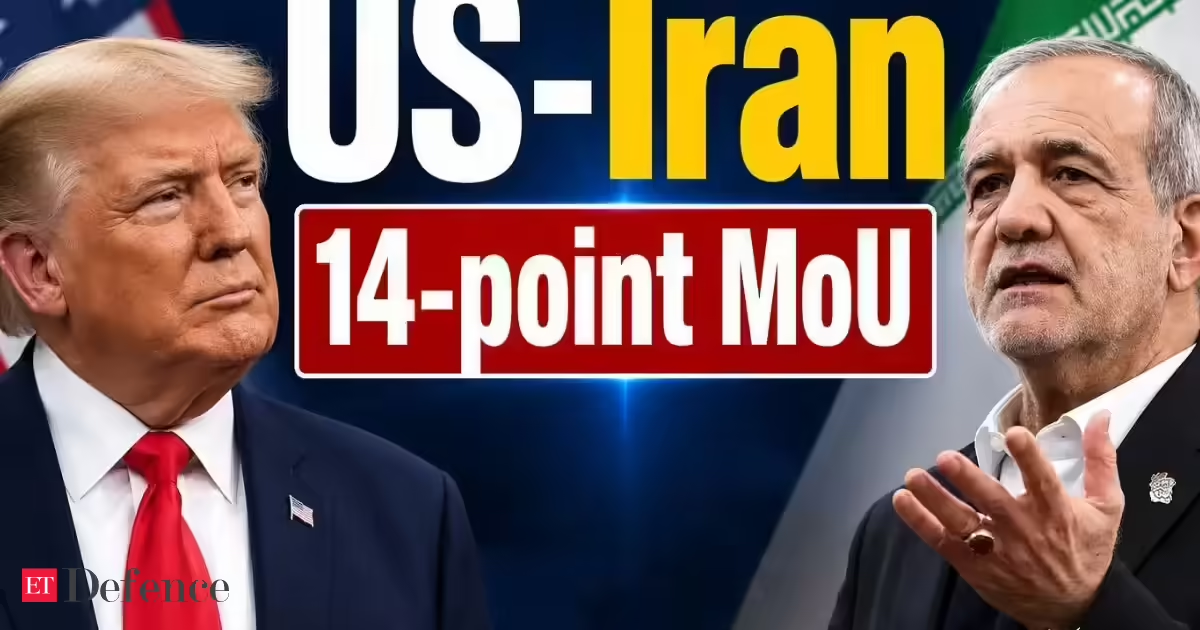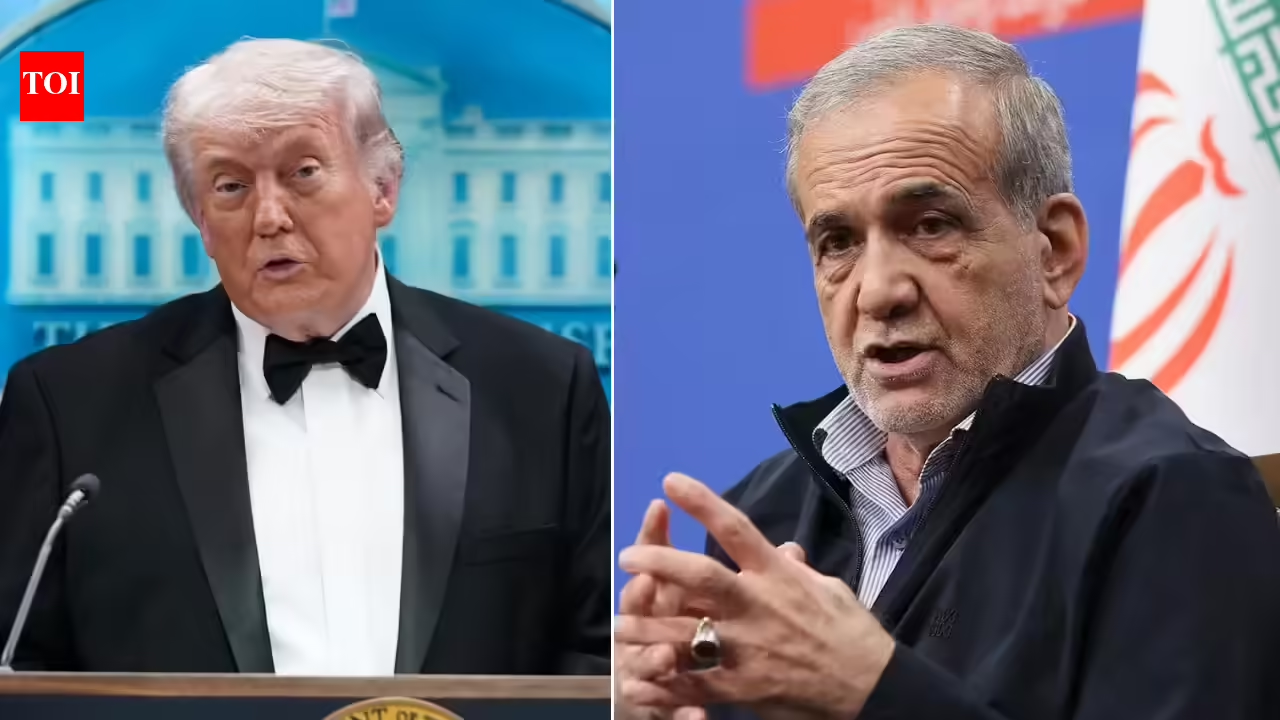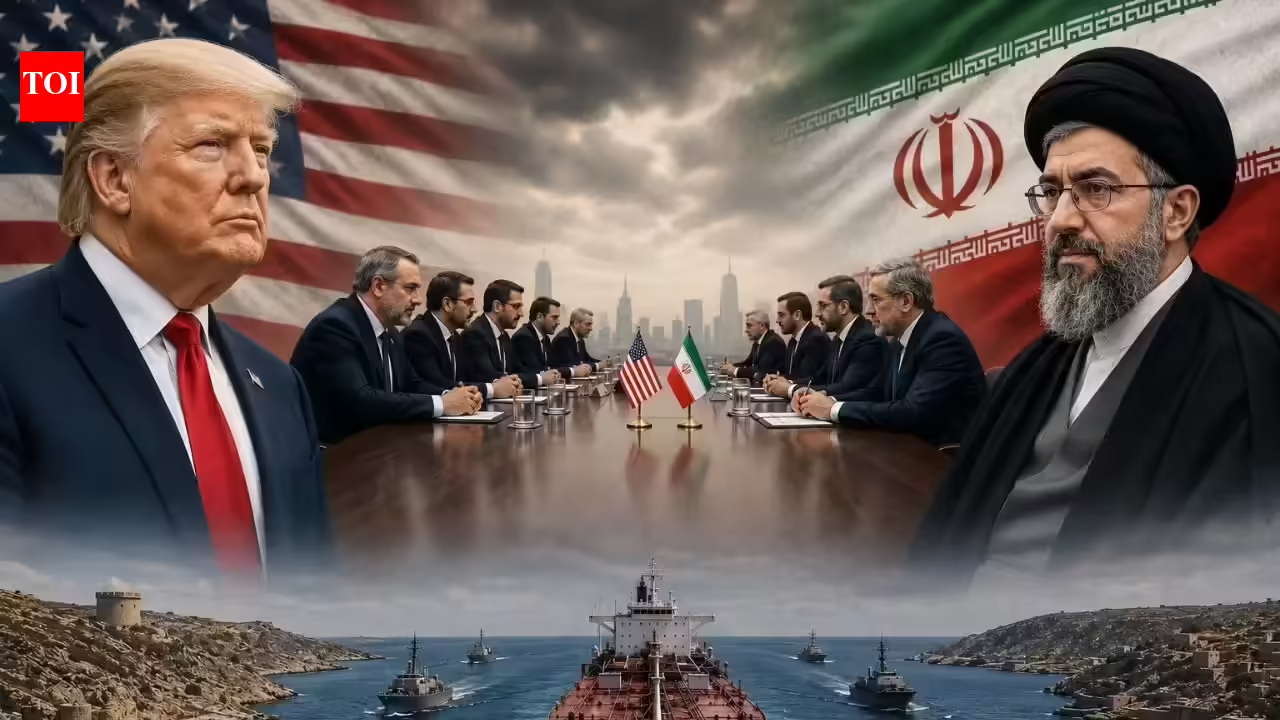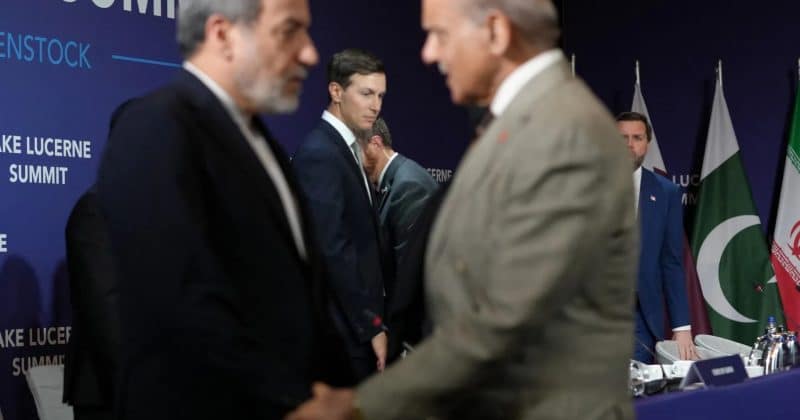
The US and Iran have signed a memorandum of understanding that could reshape the financial landscape of the Middle East. The deal, signed electronically on June 15, 2026, includes a 60-day ceasefire, the reopening of the Strait of Hormuz, and a package of financial incentives for Tehran that would have seemed unthinkable just months ago.
At the center of the agreement sits a proposed $300 billion reconstruction and development fund, primarily bankrolled by Gulf states and private investors, designed to fuel Iran’s post-conflict economic recovery. There’s also the matter of sanctions relief on Iranian oil exports and potential access to billions in frozen assets.
What’s actually in the deal
The MoU establishes a framework rather than a final agreement. A formal signing is expected on June 19, 2026, which means the next few days will determine whether this preliminary handshake turns into something binding.
The $300 billion fund isn’t US taxpayer money, a point President Trump has been eager to emphasize. The capital would come from Gulf states and private investors, with disbursement conditional on Iran meeting nuclear limitations and other compliance requirements.