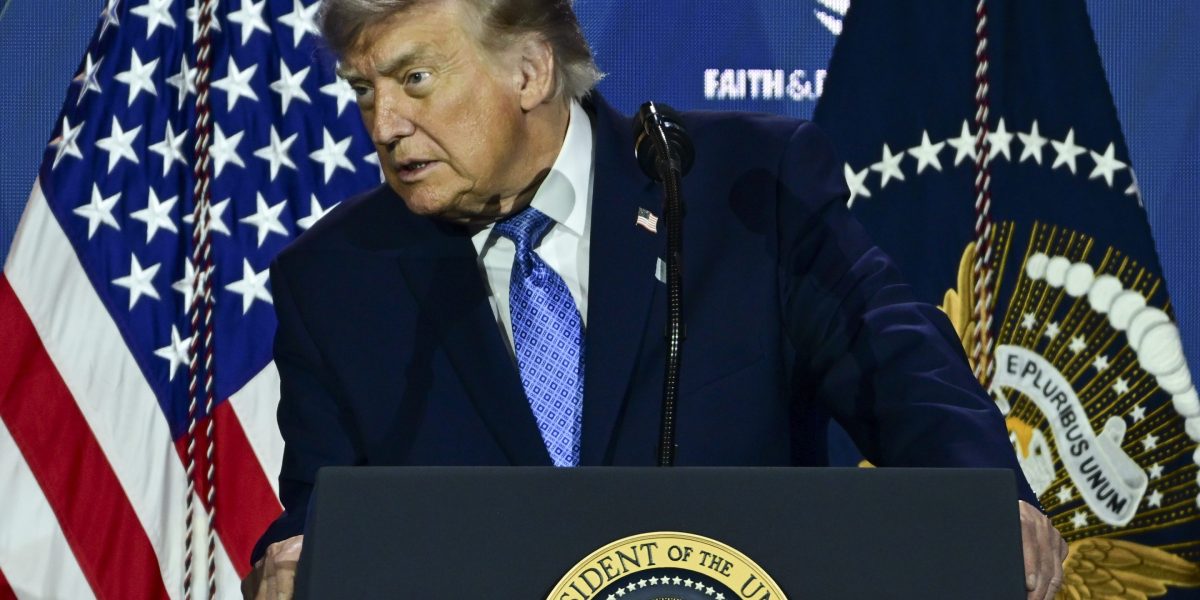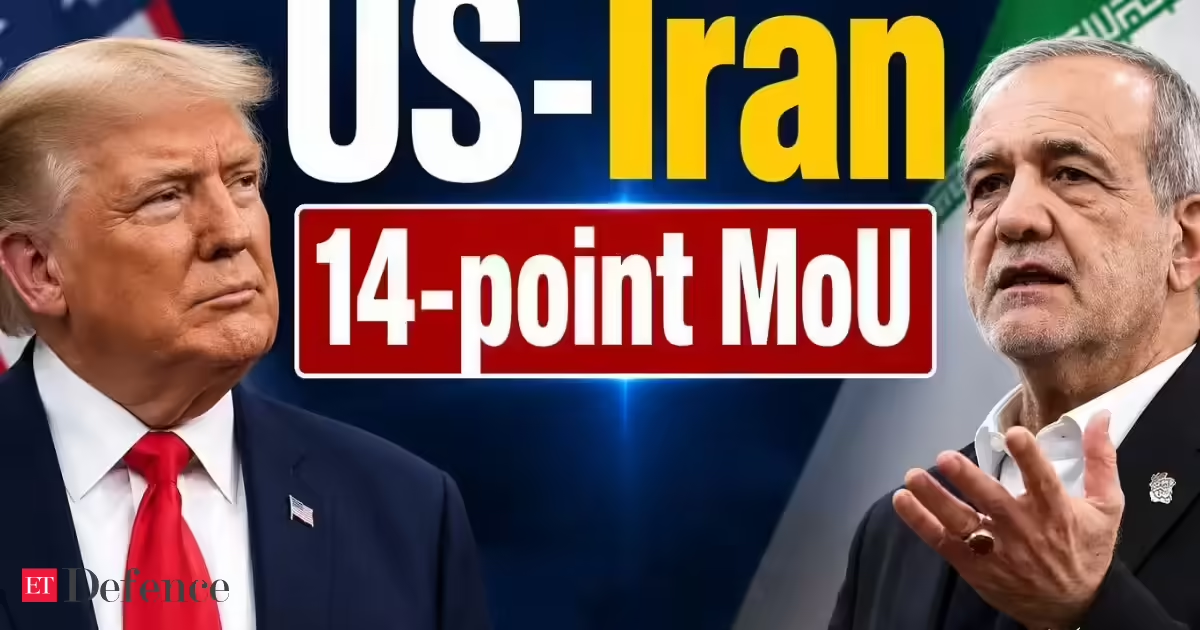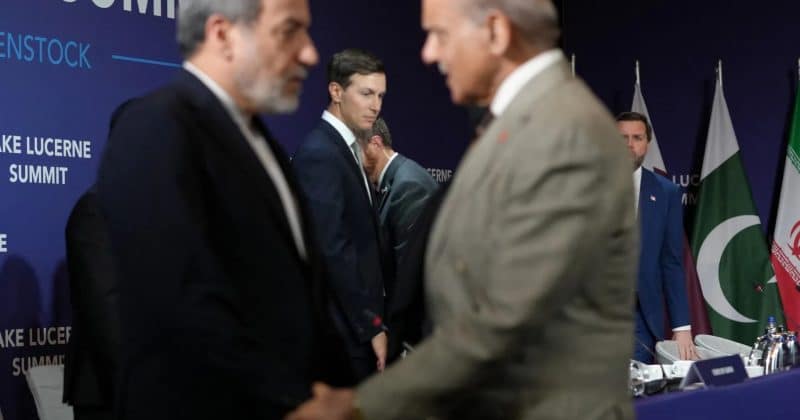
The United States just made the most dramatic pivot in its Iran strategy in over four decades. On June 17, President Donald Trump and Iranian President Masoud Pezeshkian remotely signed a memorandum of understanding that effectively trades the longstanding sanctions playbook for a carrot-heavy approach: up to $300 billion in reconstruction funding, immediate relief on fossil fuel export restrictions, and a path toward broader sanctions rollback.
In return, Iran has pledged to halt nuclear weapons development and begin down-blending its enriched uranium stockpiles, including material enriched to roughly 60%, under International Atomic Energy Agency supervision. The agreement also establishes a ceasefire and the resumption of commercial shipping through the Strait of Hormuz.
What the deal actually says
The MOU is an interim agreement, not a final treaty. The two sides have 60 days to work out the specifics: where the $300 billion in reconstruction funding actually comes from, how it gets disbursed, and which regional partners chip in. The deal appears contingent on cooperation from unnamed regional partners, which likely means Gulf states with deep pockets and their own complicated relationships with Tehran.