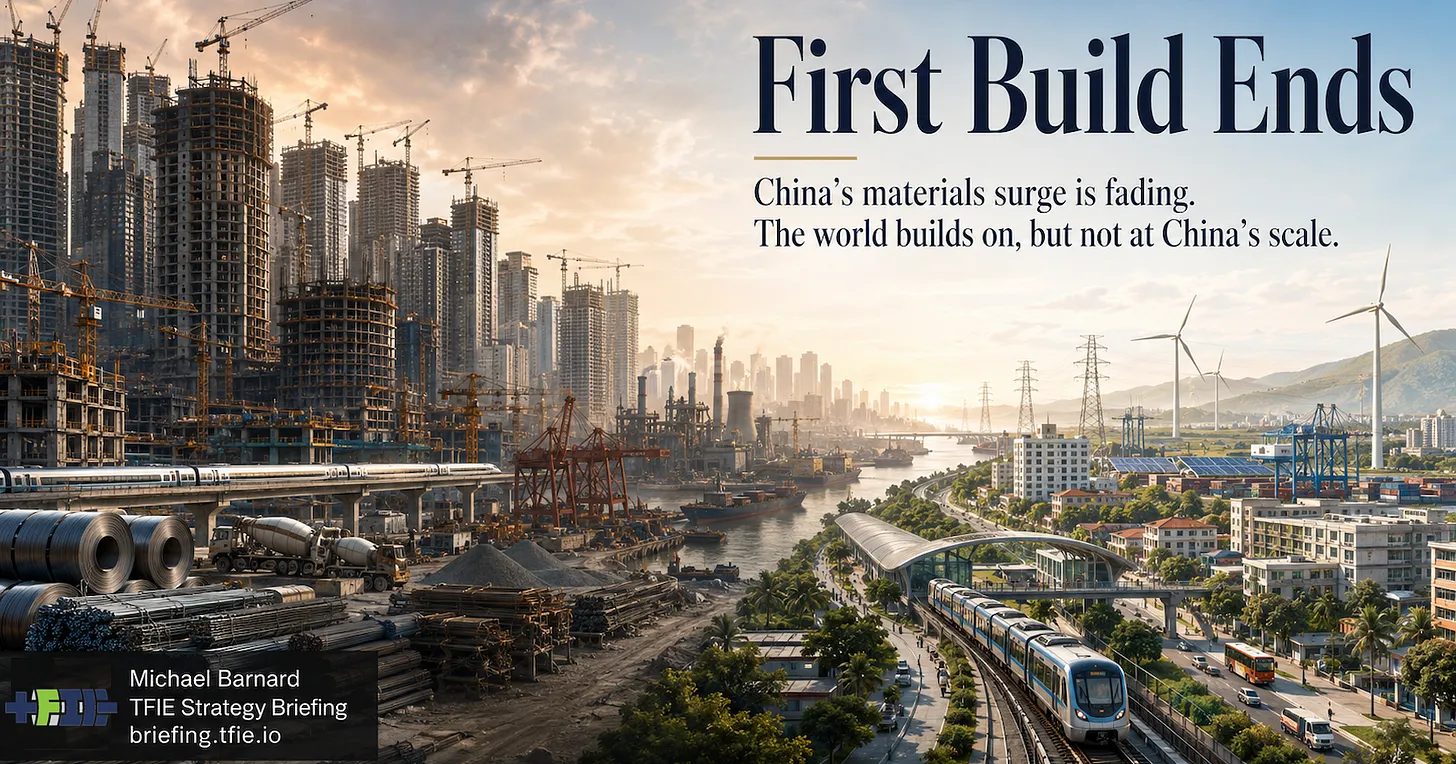
China’s infrastructure and property buildout was the materials event of the modern economy, and its decline changes the denominator for steel, cement, coal, freight, and fuels.
Support CleanTechnica's work through a Substack subscription or on Stripe.
One of the easiest ways to get long-range energy and materials demand wrong is to treat first-build infrastructure demand as a permanent condition. Countries build their first stock of housing, highways, ports, rail, power systems, water systems, industrial parks, and concrete-and-steel cities once. After that, the demand structure changes.
The economy still needs capital, labor, materials, maintenance, replacement, retrofits, resilience, and selective expansion, but it no longer behaves like a country building its first modern physical economy from a much lower base. Mature stock still consumes money and materials. It is just a different kind of demand from national first build.
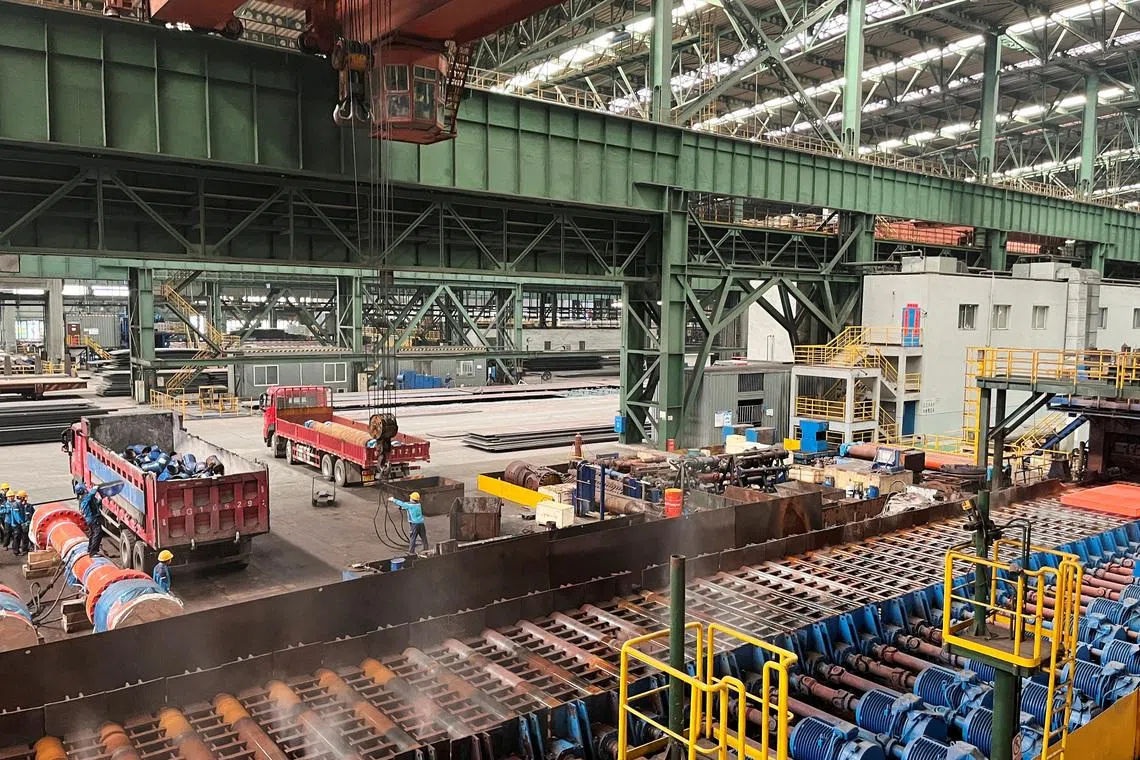
This matters because China’s infrastructure and property buildout was the materials event of the modern economy. It pulled steel, cement, coal-linked industrial demand, iron ore shipping, construction equipment, and much of the global bulk materials system upward for decades. China still accounts for roughly half of global steel and cement markets, but the infrastructure and property cycle that created that position is now in decline. When a country that large moves from first-build acceleration to saturation, overbuild, and contraction, it changes the global denominator.