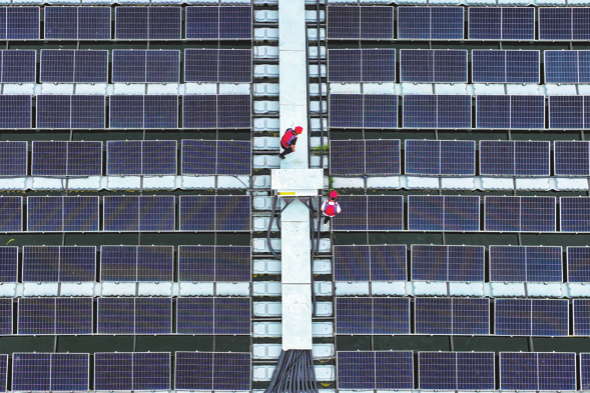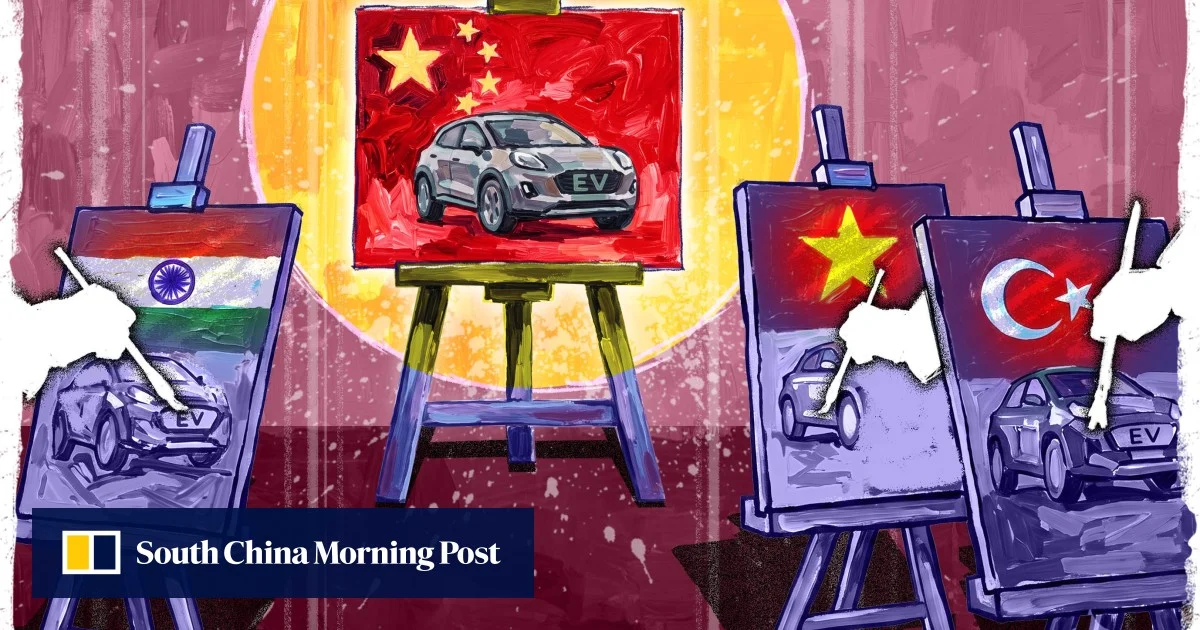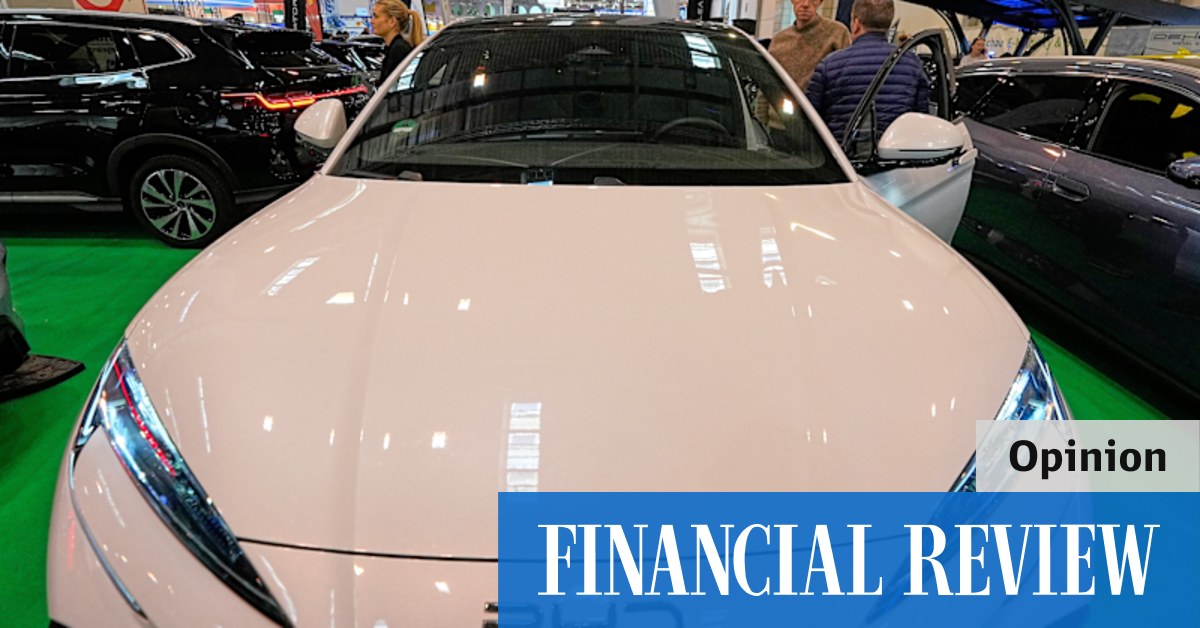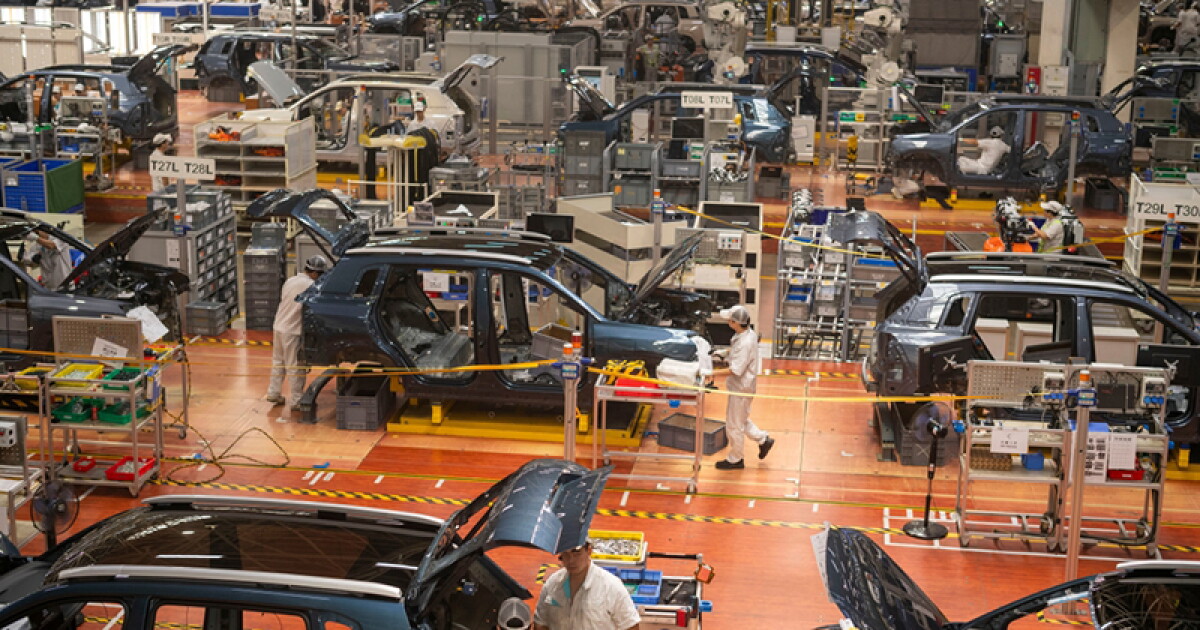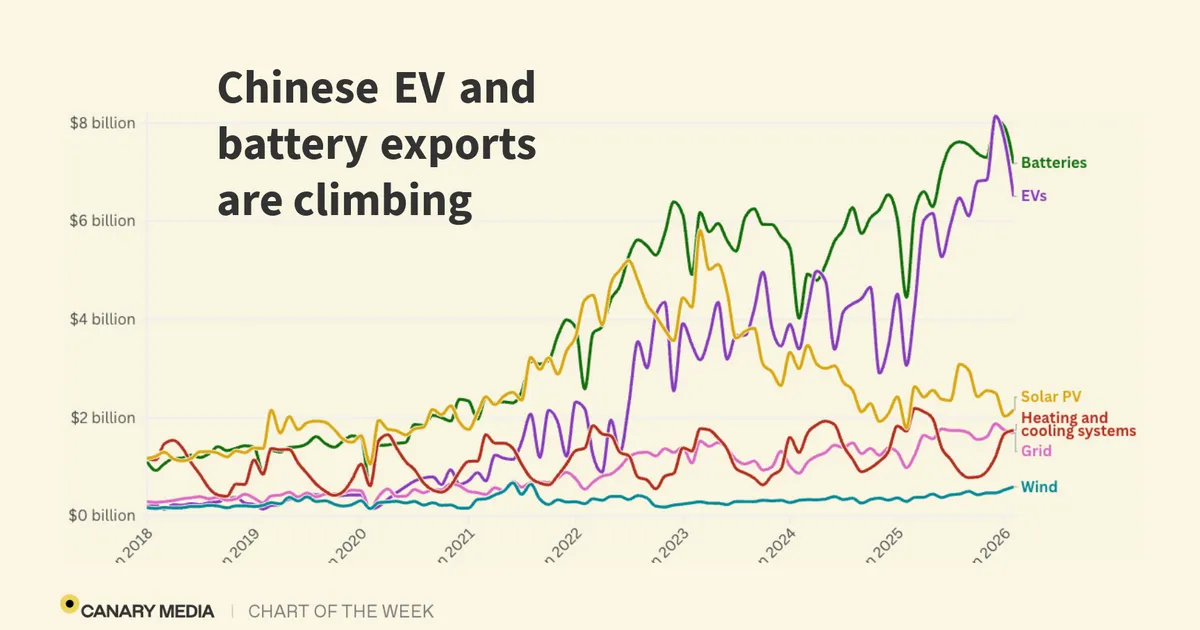
For years now, China has been the world’s most generous sponsor of alternative energy systems and electric vehicles. This has not only made it the biggest market for such technologies but also the biggest exporter, and that has helped the country offset economic troubles in other sectors and cement its place as the top transition player globally.China’s economy is undergoing a seismic shift, where the previously dominant real estate sector has been hit by turmoil and is no longer the engine of the country’s growth, Reuters’ Gavin Maguire wrote in a recent column. Instead, China’s growth increasingly depends on things like wind and solar power equipment sales, electric cars, and of course, critical minerals processing where China is the global hegemon.While overall, China’s economy has moved from primary to secondary and, eventually, tertiary industries to support growth, just like other advanced economies, the alternative energy sectors have remained major contributors. Interestingly, so have some industries that would normally be tied to real estate, and when that suffers, they suffer, too. Per Maguire, cement and clinker production is a case in point. While China’s real estate sector contracted and remains depressed, cement and clinker production is thriving—because of growing exports.Earlier this week, the news broke that HSBC was setting up a special fund to lend money to Chinese alternative energy exporters at a time of heightened demand for such products. “China is home to some of the world's most dynamic low-carbon companies,” said HSBC’s global head of sustainable finance and transition, Natalie Blyth, as quoted by Reuters. These companies are “setting new benchmarks in high-end manufacturing,” she added. “As they scale internationally, they need financial partners with the global reach and expertise to support them. This facility is designed to provide exactly that,” Blyth also said. The timing could not be better: China’s exports of wind and solar equipment, and electric cars are running at all-time highs amid the Middle East energy crunch. The value of these exports in march soared to $25.77 billion, per data from climate outlet Ember, which was a 30% increase on February and a 50% increase on March 2025. In other words, China is reinforcing its dominance in the alternative energy field—and expanding it.“The scale of China's EV and battery industries alone has reshaped global flows of related commodities, including lithium, graphite, nickel, cobalt and rare earths, of which China is the top global consumer,” Reuters’ Maguire noted in his column, advising analysts following China to pay special attention to these industries and the effect of China’s growing presence abroad on the respective industries in countries that are turning from producers into importers—because China’s global control of supply chains has made it uneconomical for most other producers to keep producing. Buying from China has become easier.Naturally, this has raised concerns about heavy dependence on a country with which other parts of the world have geopolitical differences of opinion, notably in Europe. Indeed, earlier this month, the Financial Times reported the European Union’s central command was preparing plans to mandate European companies to buy critical components from suppliers other than China to reduce the bloc’s reliance on the country.The chances of success for such a mandate are dubious at best. This is not the EU’s first attempt to use force to reduce its dependence on China, and China has not responded positively to the previous ones. When it comes to energy, however, Europe simply cannot go it alone or switch to another supplier of panels and inverters—there are no other suppliers that sell at the same prices. As analysts have noted, without China, there can be no energy transition.By Charles Kennedy for Oilprice.comMore Top Reads From Oilprice.comNigeria Needs New Export Markets as UAE's Exit Rattles OPECGermany Launches Formal Sale Process for UniperIran’s Floating Oil Stockpile Jumps 65% as U.S. Naval Blockade Bites
China Turns Green Tech Into an Economic Lifeline | OilPrice.com
China is increasingly relying on clean energy industries like solar, wind, EVs, and battery supply chains to drive economic growth as its real estate sector weakens.
635 words~3 min read