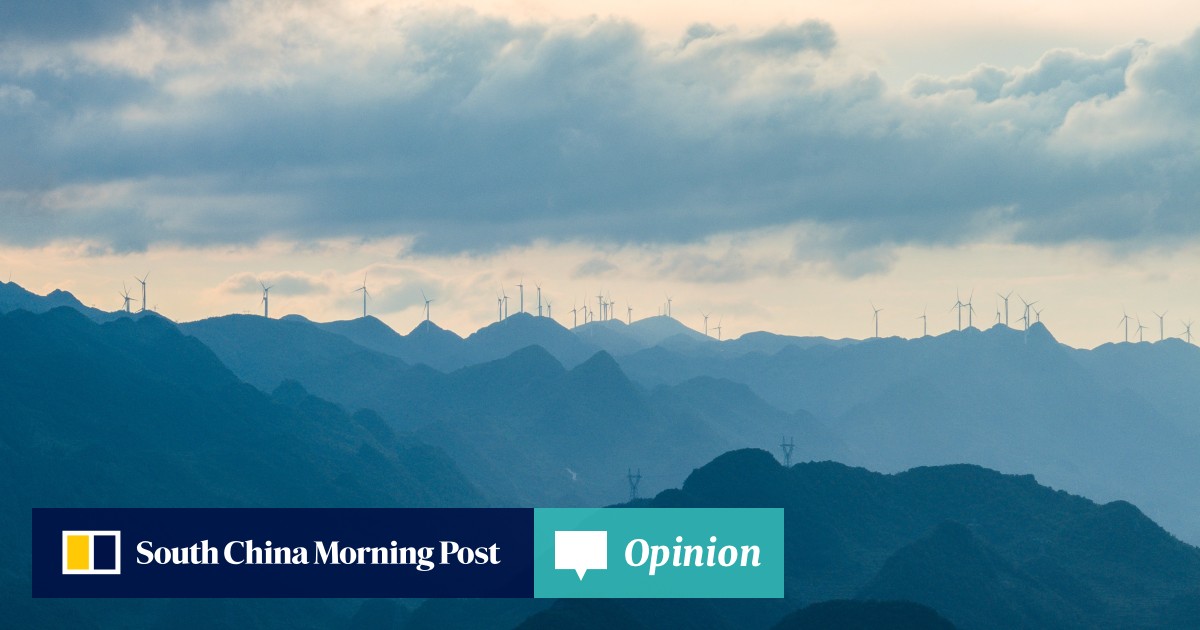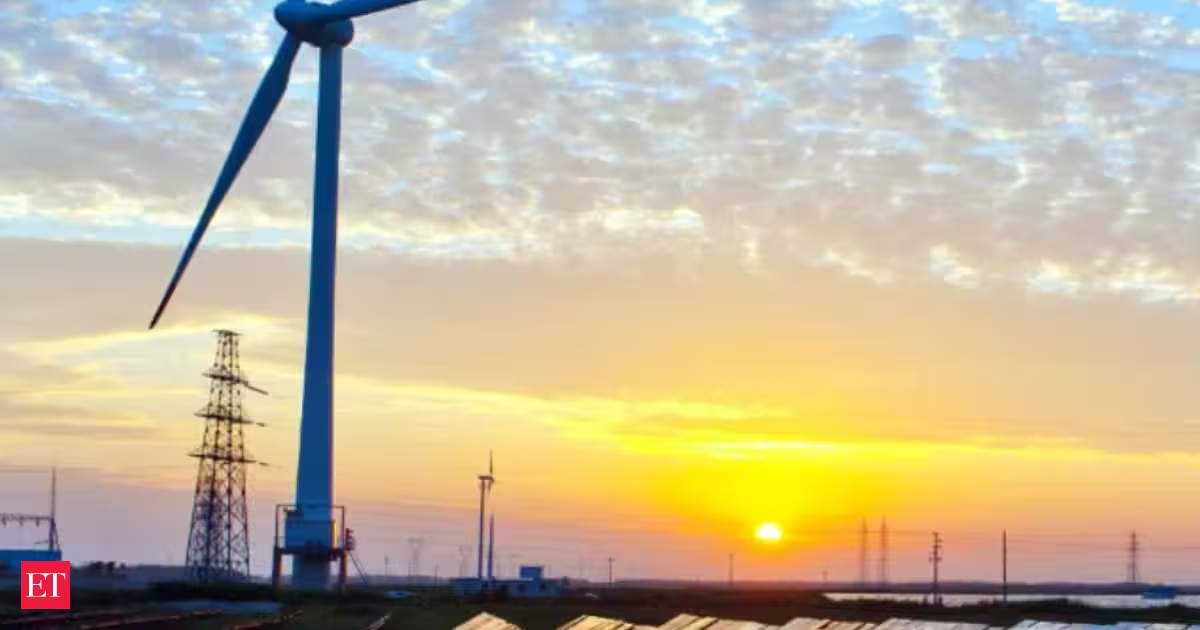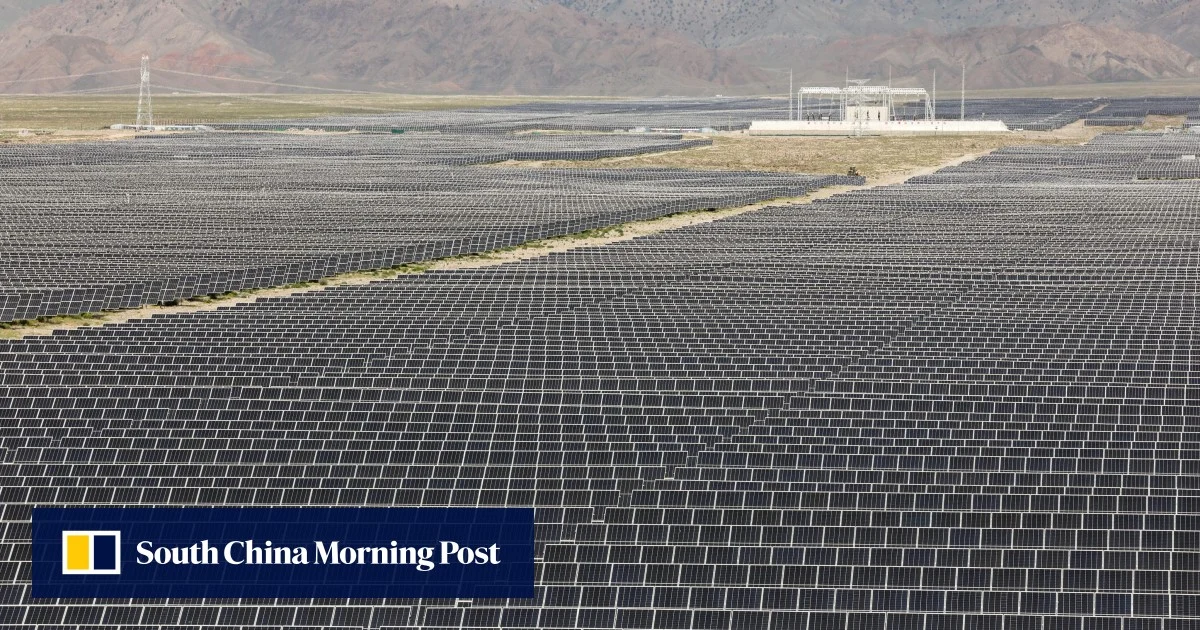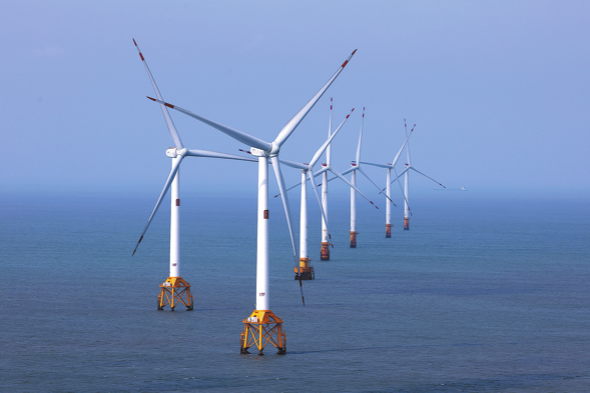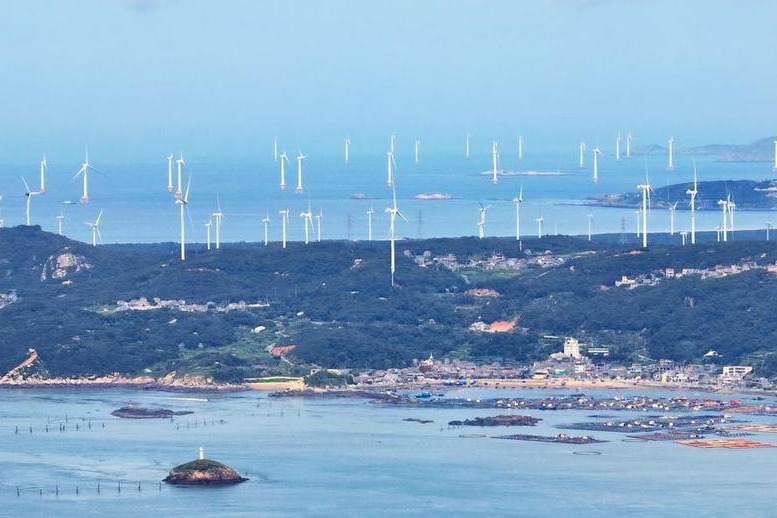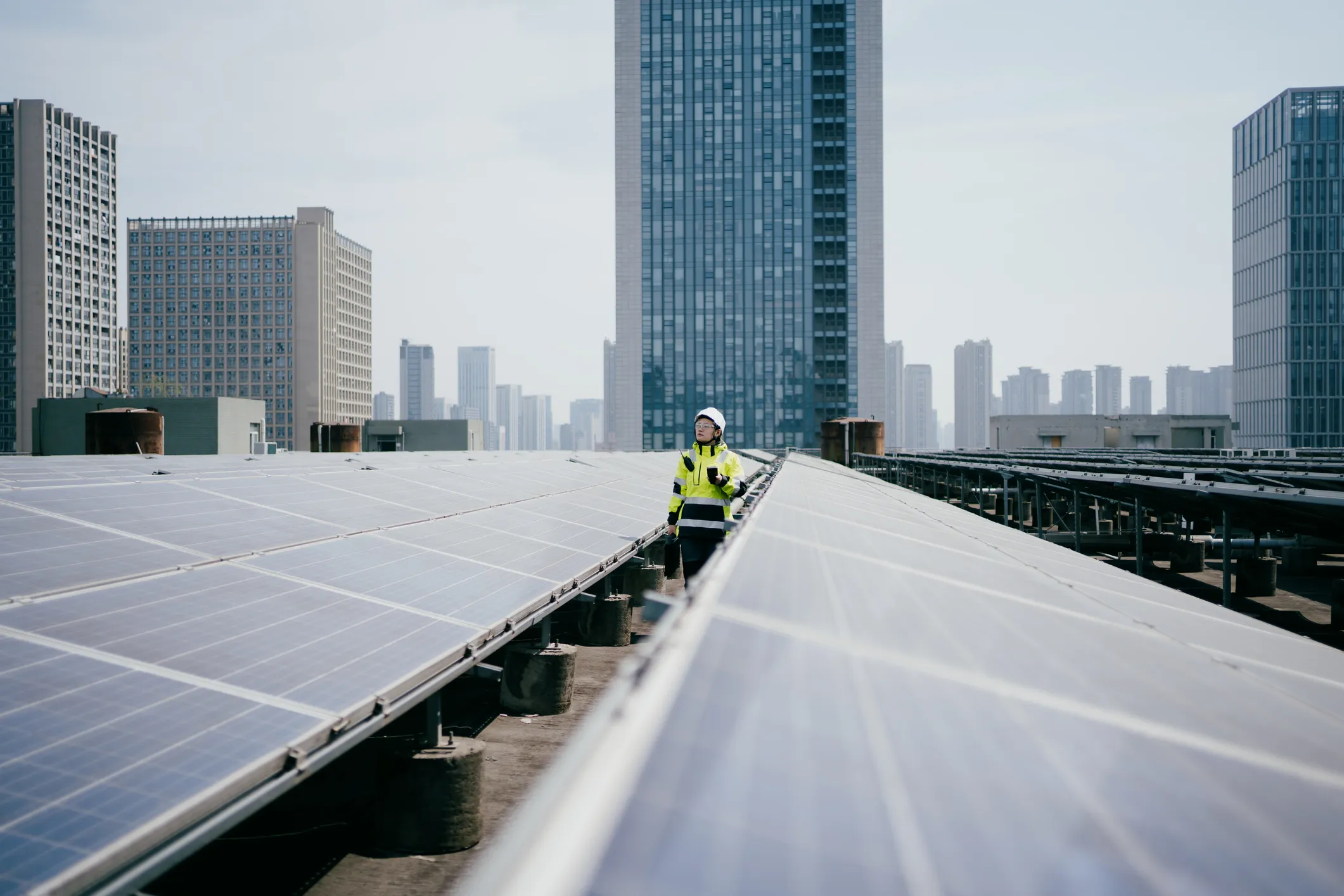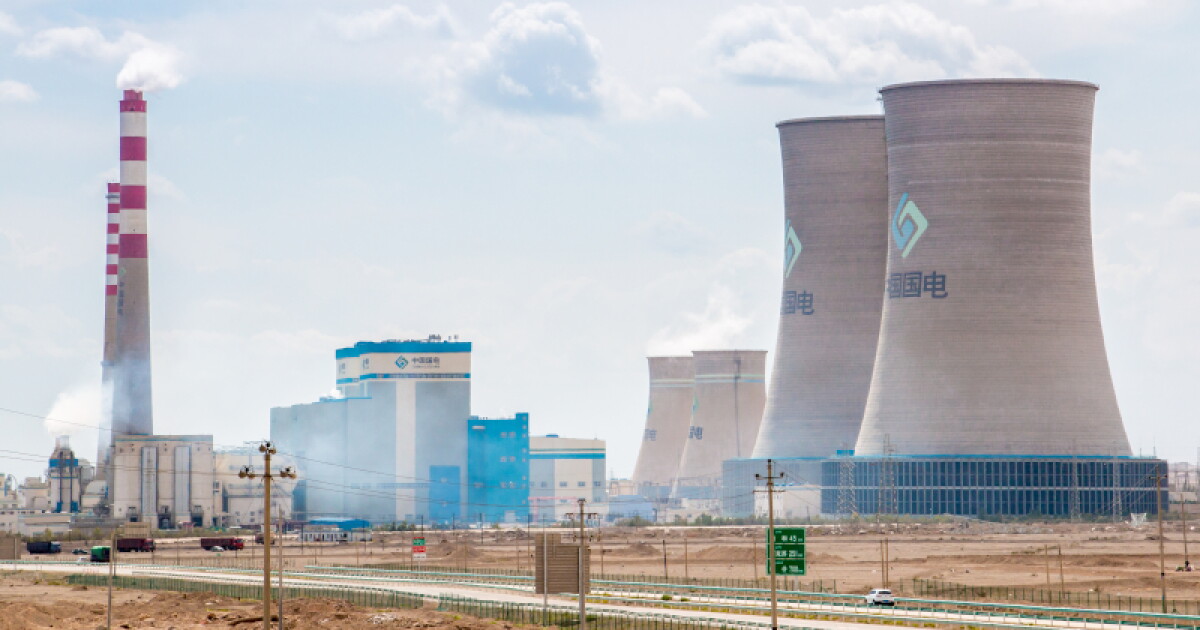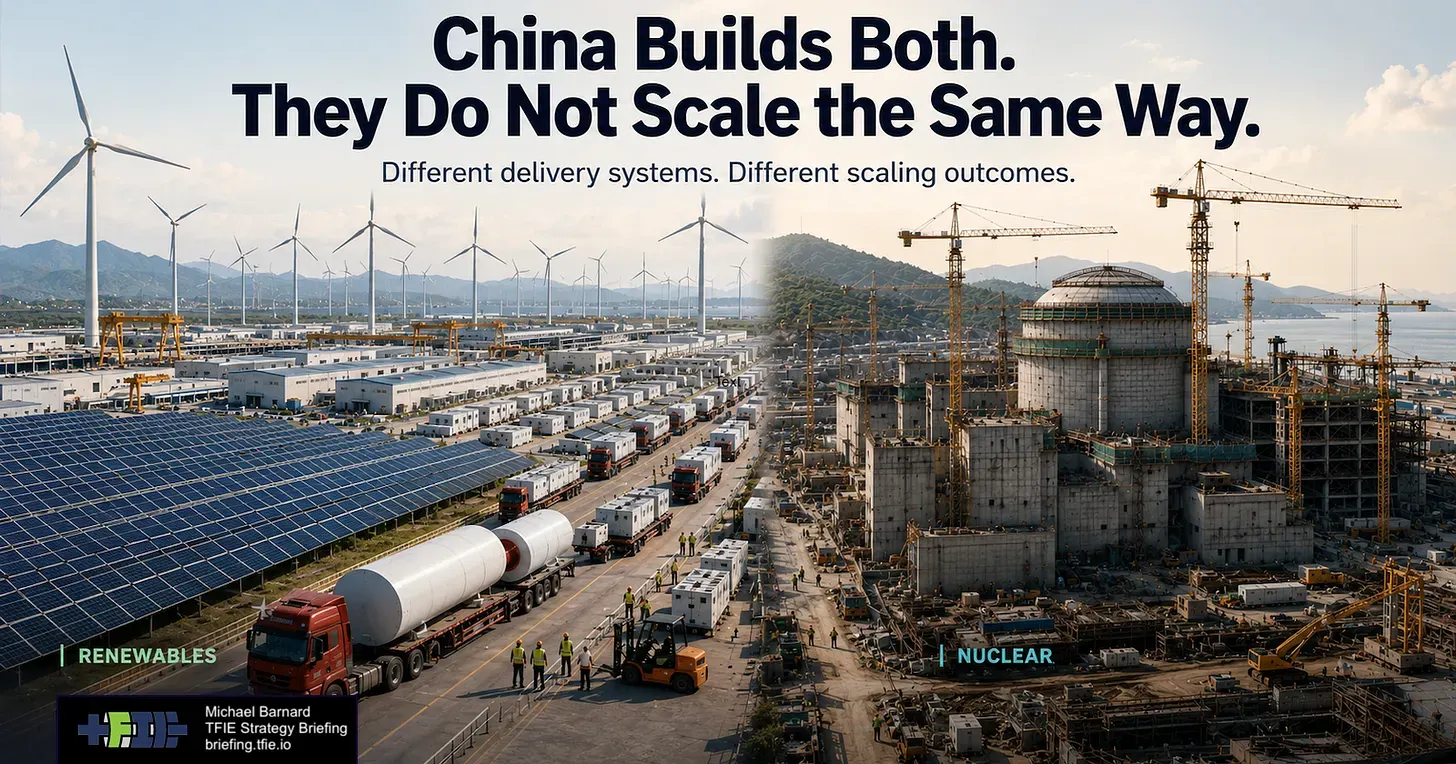
China is building renewables and nuclear power simultaneously, but one scales through repeated industrial throughput while the other advances project by project.
Support CleanTechnica's work through a Substack subscription, on Patreon, or on Stripe. Help us produce all of the high-quality, original content we publish week after week despite the challenges of content-scraping AI, antisocial media, inflation, and other hurdles.
China’s renewable and nuclear targets are often quoted as equivalent statements about the future. The delivery record says otherwise. Wind and solar targets have repeatedly been overtaken, sometimes years early, while nuclear operating-capacity targets have been missed despite continued approvals, construction and political support. Forecasts should be built from what each delivery system has demonstrated that it can bring into operation.
China makes this comparison unusually difficult to dismiss. It has centralized planning, large state-owned developers, deep domestic supply chains, abundant state-directed capital and experienced engineering organizations. The familiar explanations for weak nuclear delivery elsewhere, including fragmented permitting, political hostility, financing difficulty and limited industrial capability, have much less explanatory power. China is committed to building wind, solar and nuclear capacity, yet the same state keeps getting different results. I’ve been following this natural experiment since 2014, when it was obvious to me that renewables would vastly outscale nuclear.