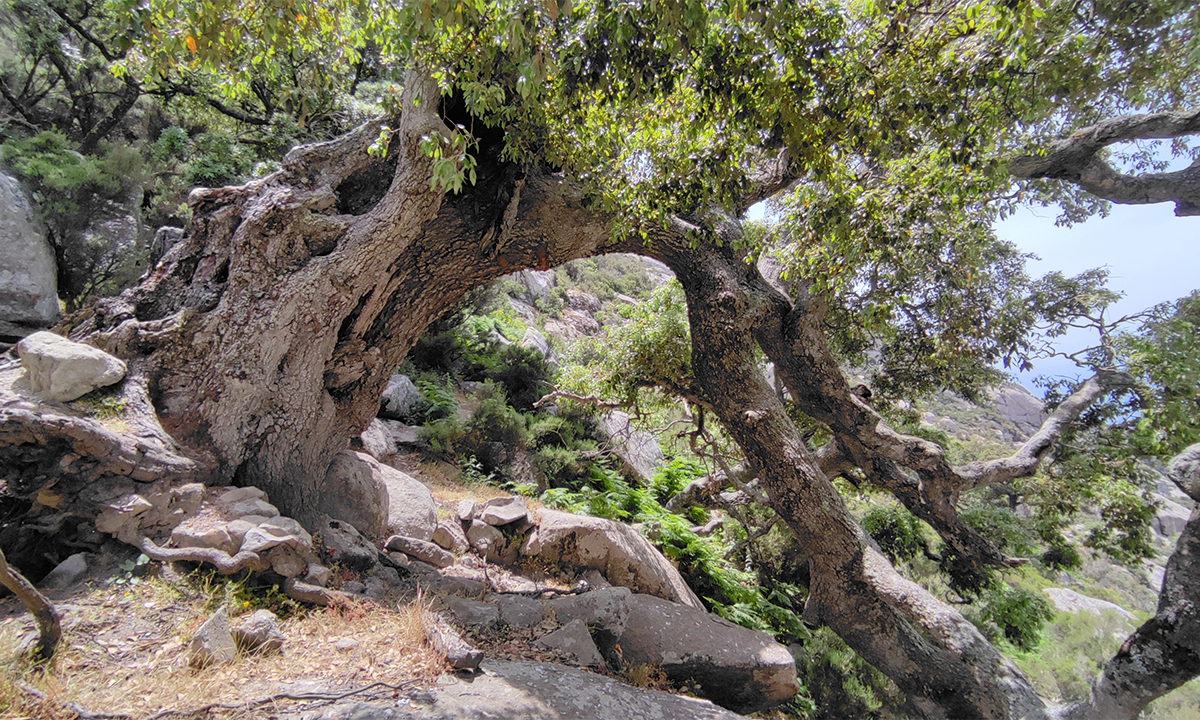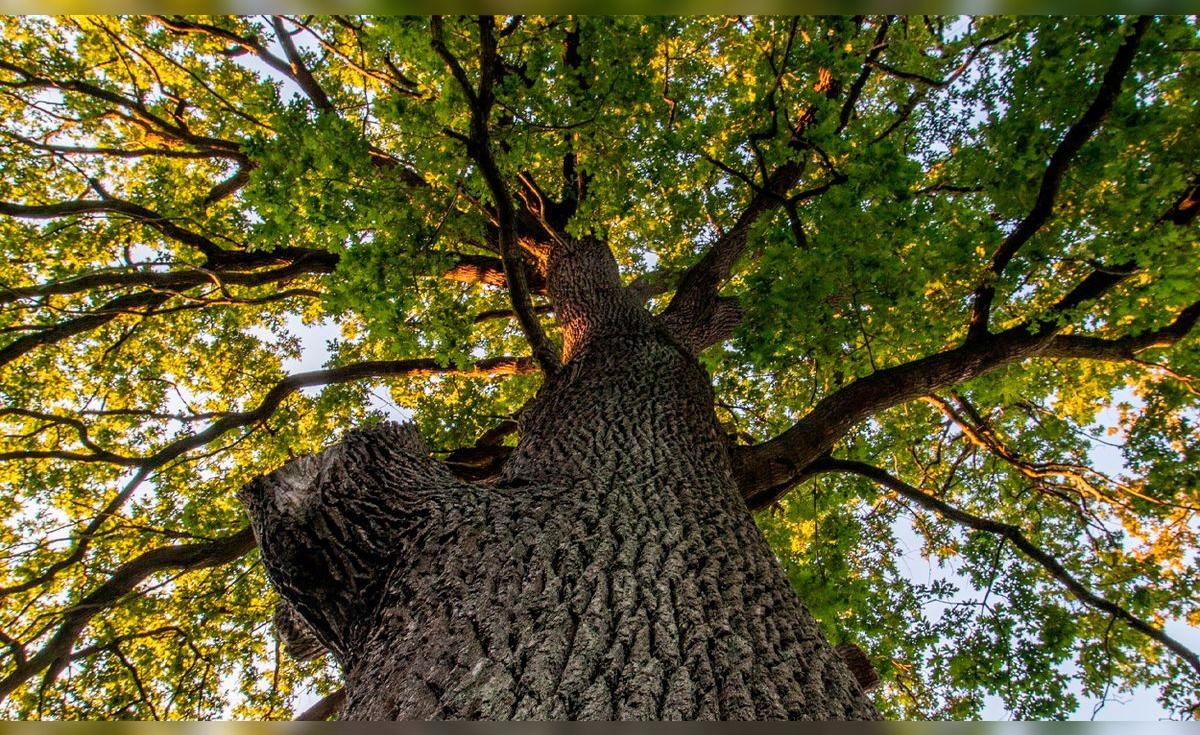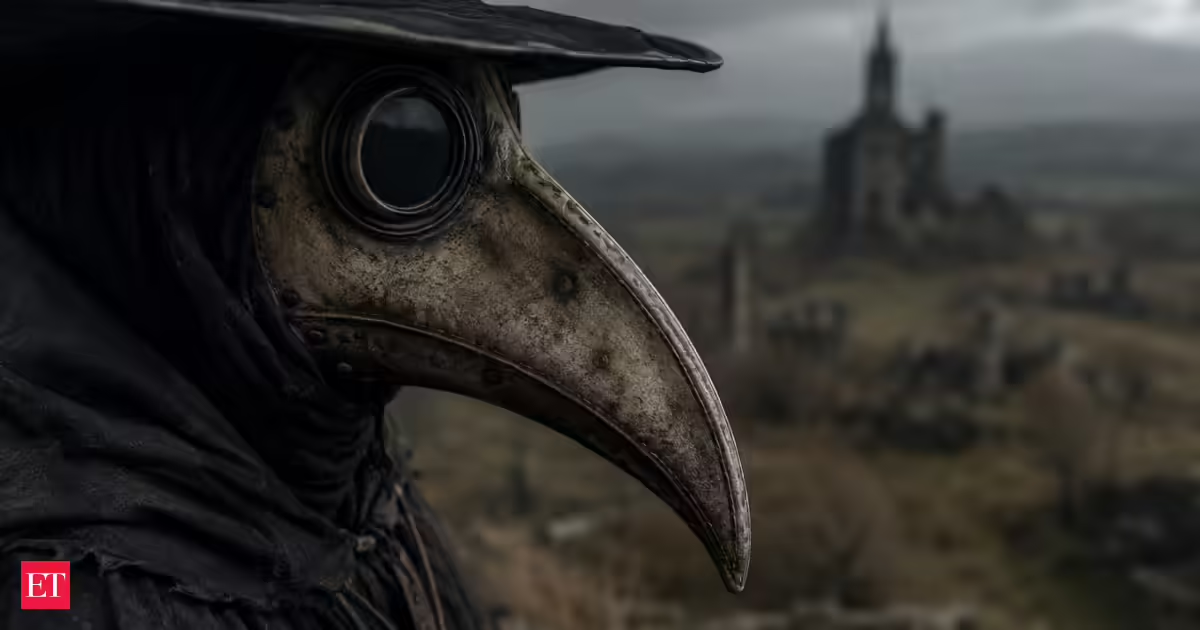
In the 1300s, a plague emptied many of Europe’s farms. Scientists were surprised at what grew back.It might seem like a win for nature: a pandemic that wiped out huge chunks of Europe’s population in just six years. Abandoned villages, untended fields, woods reclaiming former farmland. That must have left room for plants and wildlife to thrive, right?But a new study published in Ecology Letters by researchers at the University of York’s Leverhulme Center for Anthropocene Biodiversity suggests the opposite actually happened. The study found that the human population crash in Europe during the Black Death caused a crash in plant biodiversity, which remained low for about 150 years.When people disappeared, so did plant varietyThe Black Death spread throughout Europe from 1347 to 1353, killing one third to one half of the population of the continent, with some cities losing up to 80 percent of residents, the authors of the study wrote in The Conversation. To find out what happened to plant life after this, researchers analyzed pollen preserved in mud from more than 100 lakes and bogs across Europe. Centuries later, the pollen grains settle into sediment layer by layer. This creates a sort of timeline of which plants were growing in a given area.In Ecology Letters, the study found that plant diversity in Europe increased gradually from around year 0 to 1300, reaching its peak just before the plague. Then, the same study says that diversity plummeted after 1348 and remained low for some 150 years. According to the University of York's summary of the findings, it took roughly 300 years for biodiversity to recover to pre-pandemic levels.Plaque in Weymouth, England: The spot where the Black Death entered England. Image Credits: Wikimedia CommonsWhy empty fields are bad news for plantsAccording to the Ecology Letters study, the reason has to do with the structure of European farmland before the plague. Farms at that time were not the vast single-crop fields of today, but rather a patchwork of closely packed small plots of crops, pastures, woodlots, and hedgerows. That was what allowed so many different plant species to coexist, with the variety of habitats side by side, the researchers said.Abandoned fields did not stay open when the Black Death killed off the workers who kept the patchwork going, the study said. They got swallowed up by the forest, and that loss of habitat variety is what brought plant diversity down, even though human pressure on the land had fallen dramatically.This isn't just ancient historyA similar pattern has been seen in Europe's mountain regions since World War II, according to a frequently cited study in the Journal of Environmental Management by researchers including D. MacDonald, of the Macaulay Land Use Research Institute. As the rural population has declined and farmers have abandoned marginal land, the abandoned fields have gradually reverted to scrub and forest. The study found that although impacts are not uniform from place to place, abandonment has generally had negative effects on the local environment, including the loss of open, mixed habitats that once supported a greater variety of plants and animals.In other words, the same basic dynamic that played out after the Black Death, fewer people actively managing the land, leading to a more uniform, less varied landscape, is still showing up today, just for very different reasons.When farmers leave, the land doesn't stay the same. Image Credits: Wikimedia CommonsSo is rewilding the wrong approach?Not necessarily, but researchers in Ecology Letters say the assumption that removing humans is good for biodiversity does not hold in landscapes shaped by centuries of low-intensity farming. In those cases, pulling people out entirely can backfire.A widely cited study published in the Proceedings of the Royal Society B says that decades of large-scale intensive farming across Europe have led to steep declines in farmland bird populations. That is a world away from the small, mixed farms described in the Ecology Letters study.The takeawayThe bigger picture here, according to the study's authors, is that humans and biodiversity aren’t inherently at odds. Their research shows how centuries of small-scale, low-intensity land use created some of the most biodiverse places in Europe.This research is a helpful reminder for American readers considering land conservation, urban green spaces, or letting abandoned lots “go wild.” Sometimes the best thing for biodiversity is just not to disappear altogether. It’s about being involved and treating the land with care as people did for thousands of years before industrial farming took over.
When the Black Death killed half of Europe in the 1340s, ecologists expected the land to bloom; instead, plant diversity plummeted for 150 years until farming returned
A recent study uncovers how the Black Death led to a decline in plant biodiversity in Europe, contradicting expectations of flourishing nature post-plague. Researchers explore the historical implications and relevance to modern land management.
740 words~3 min read