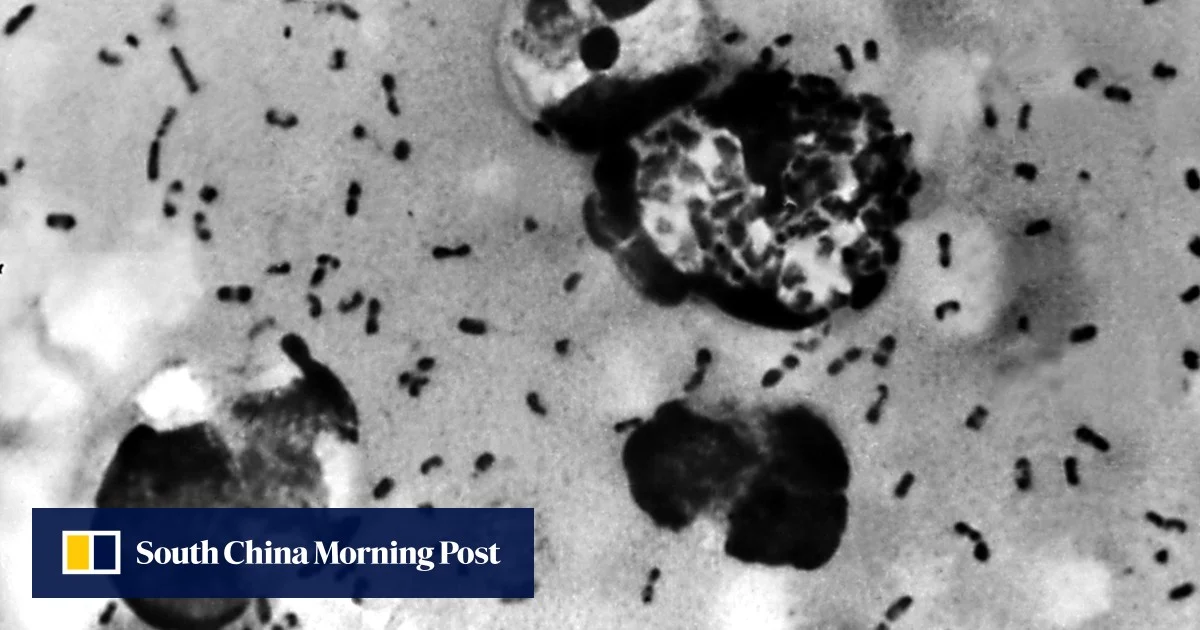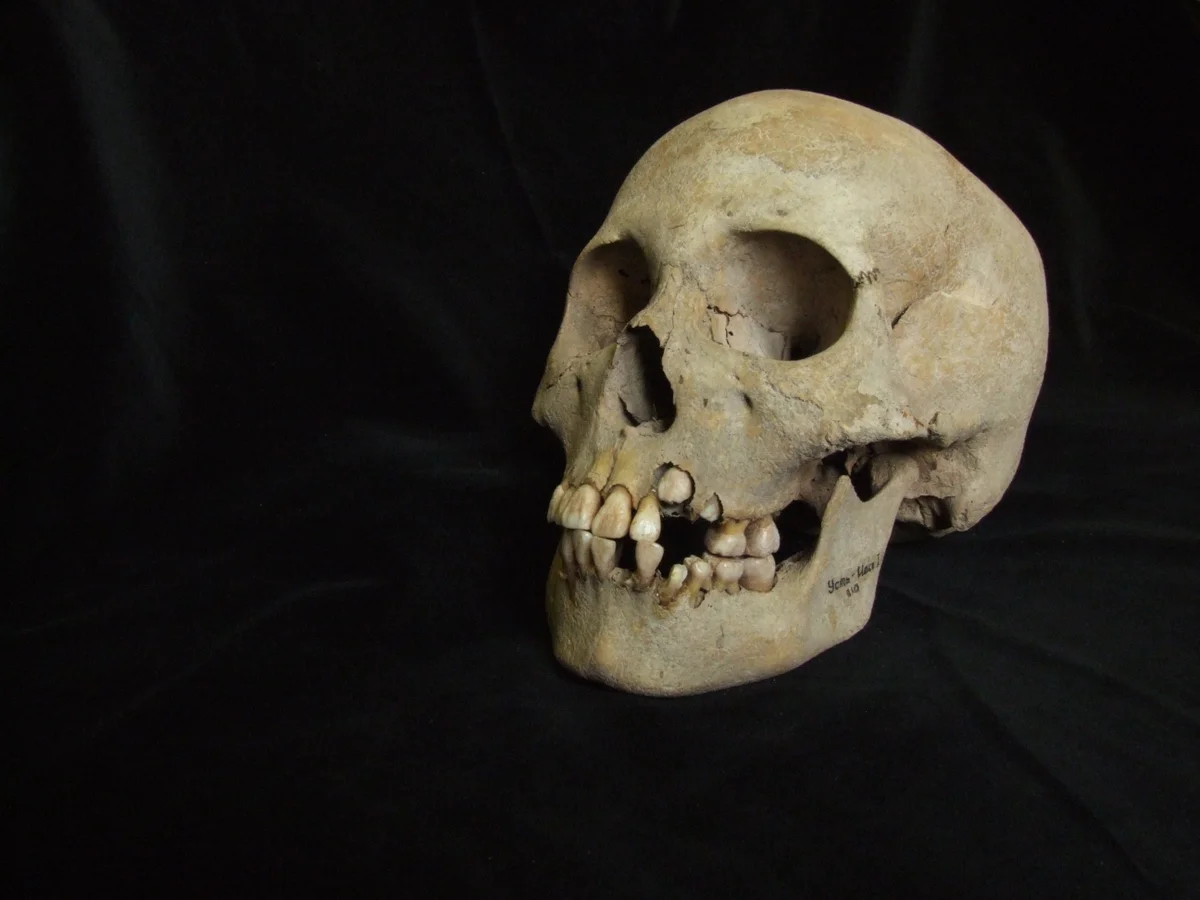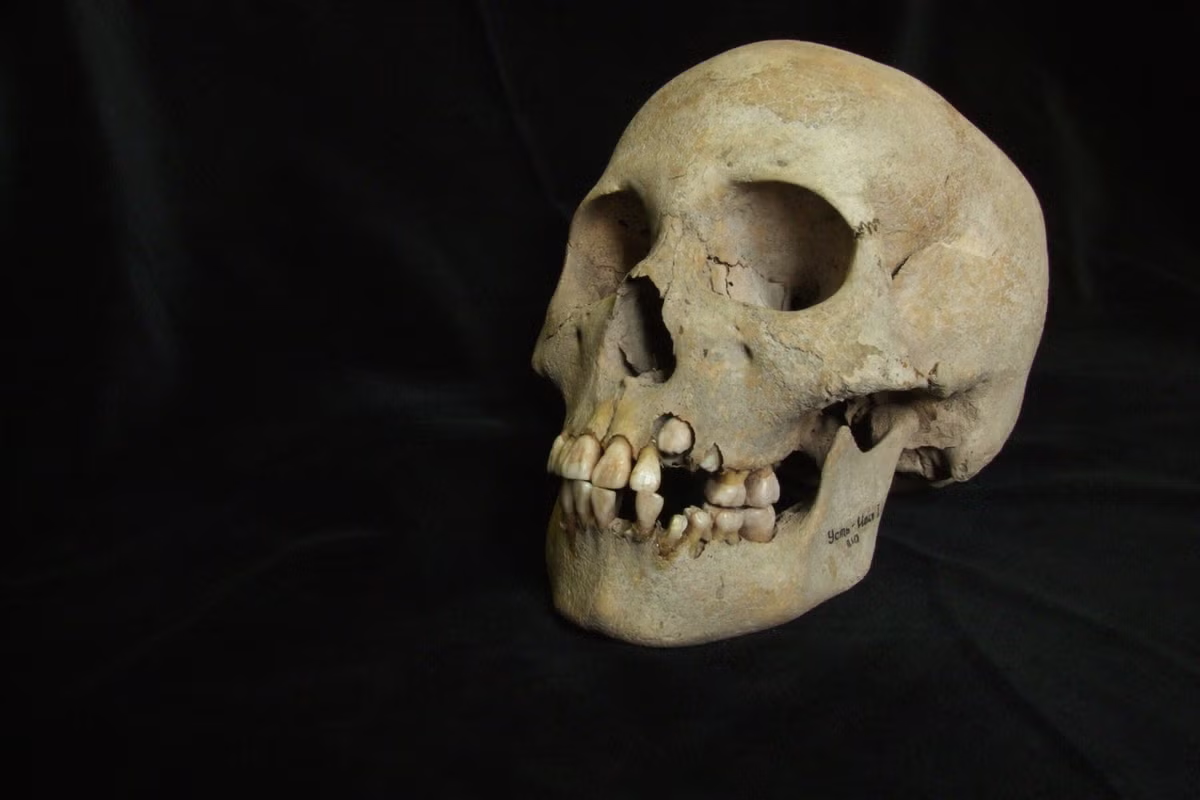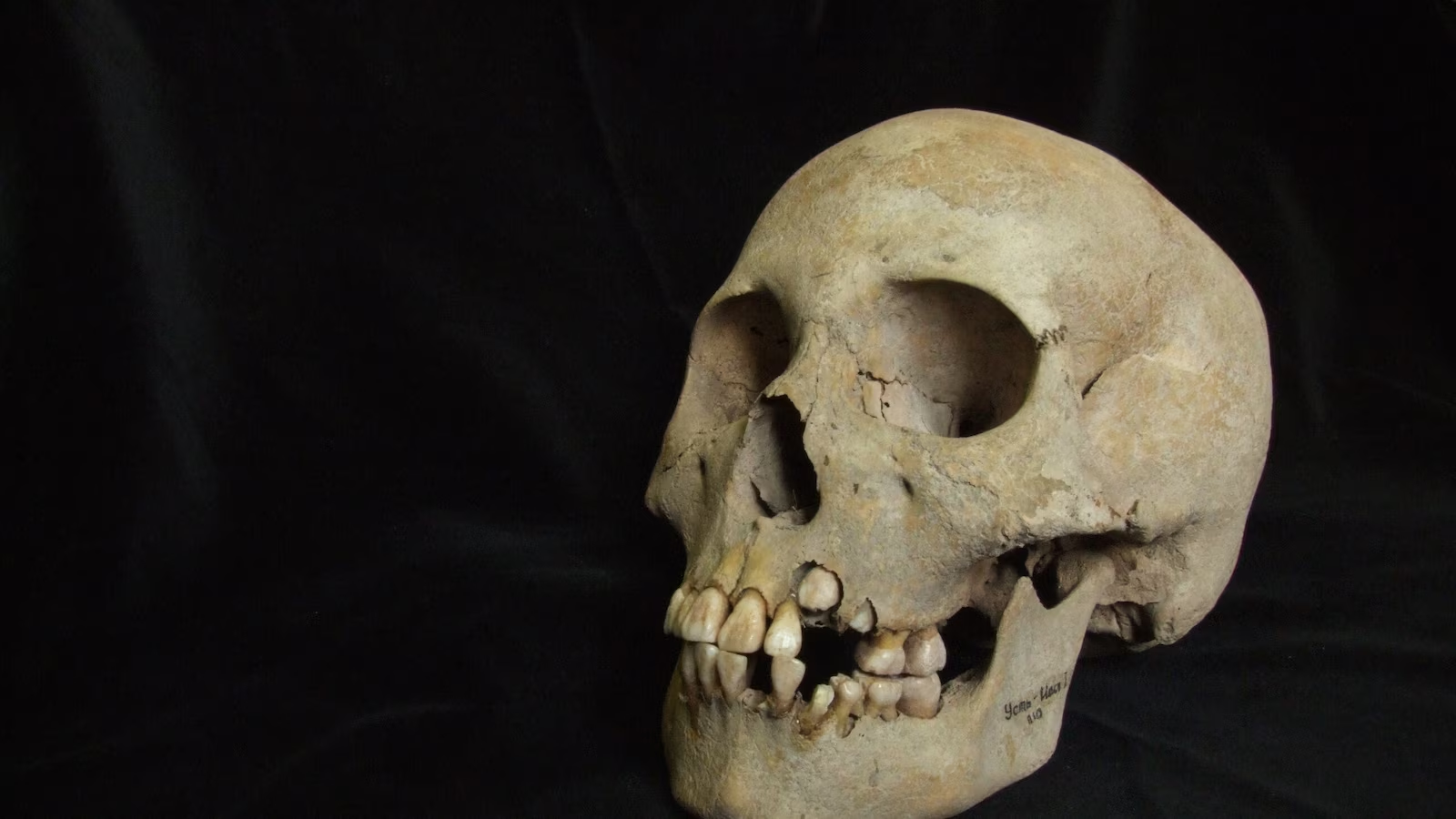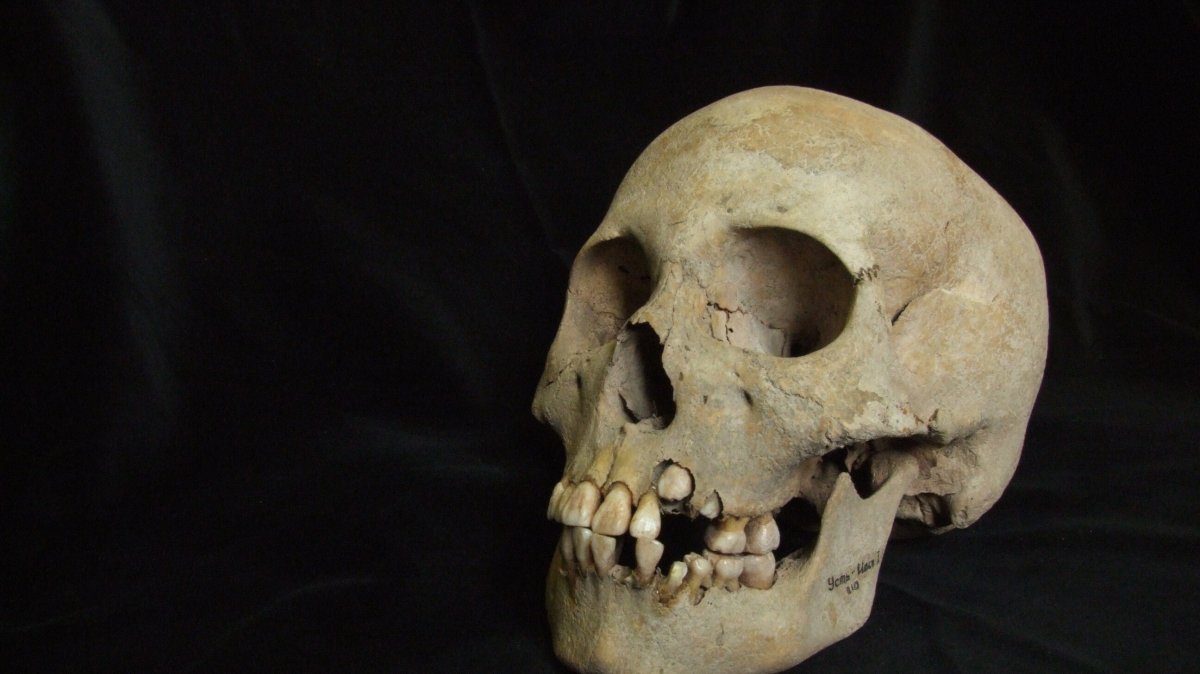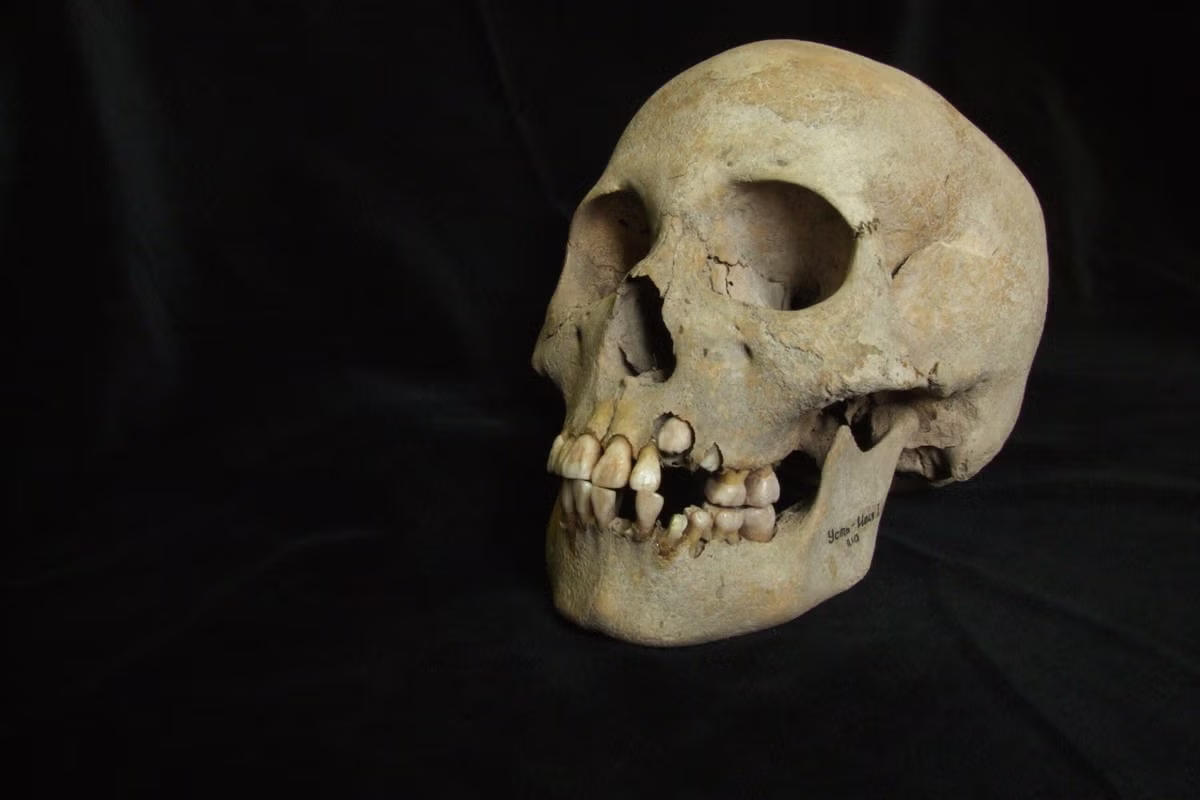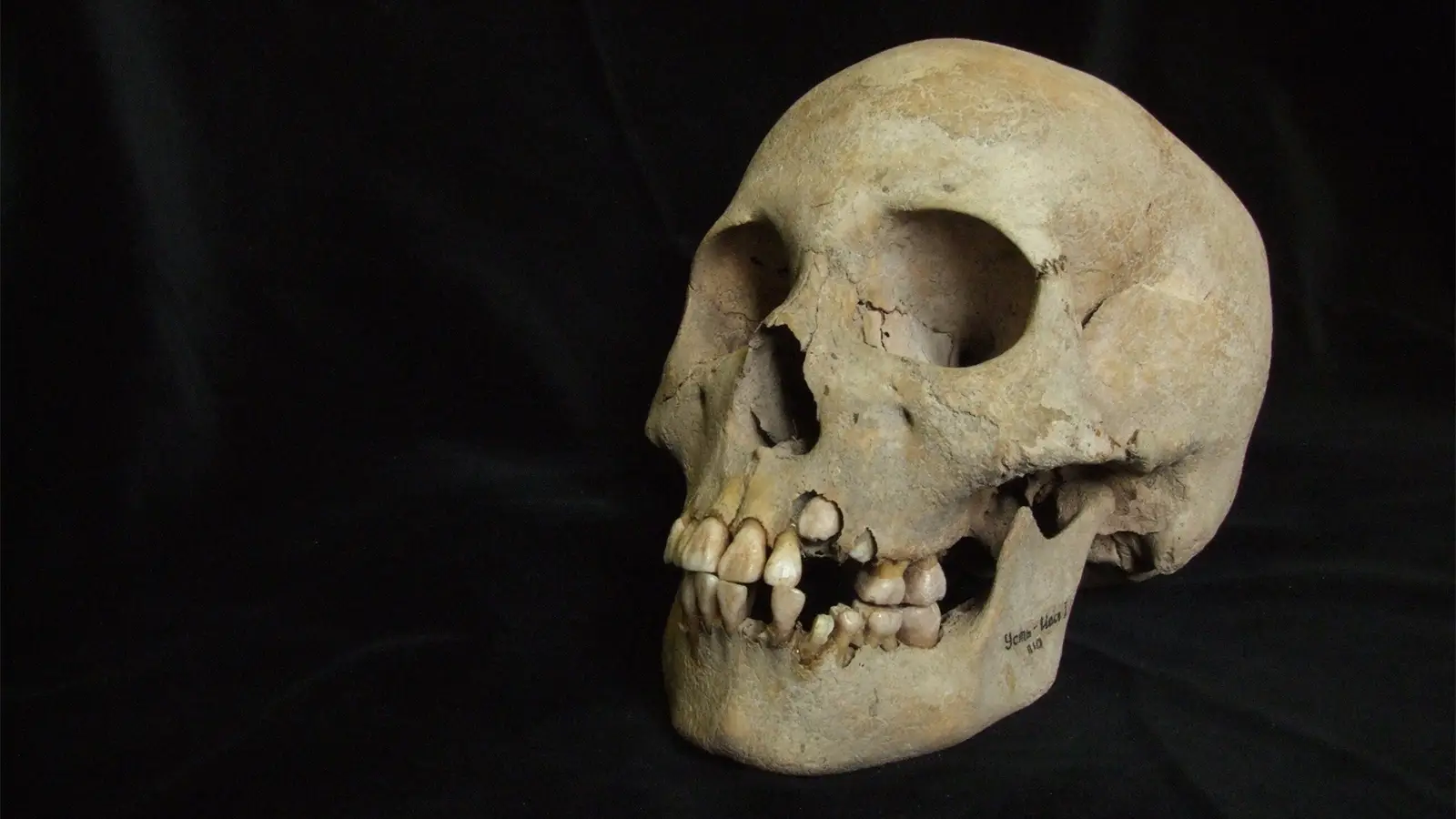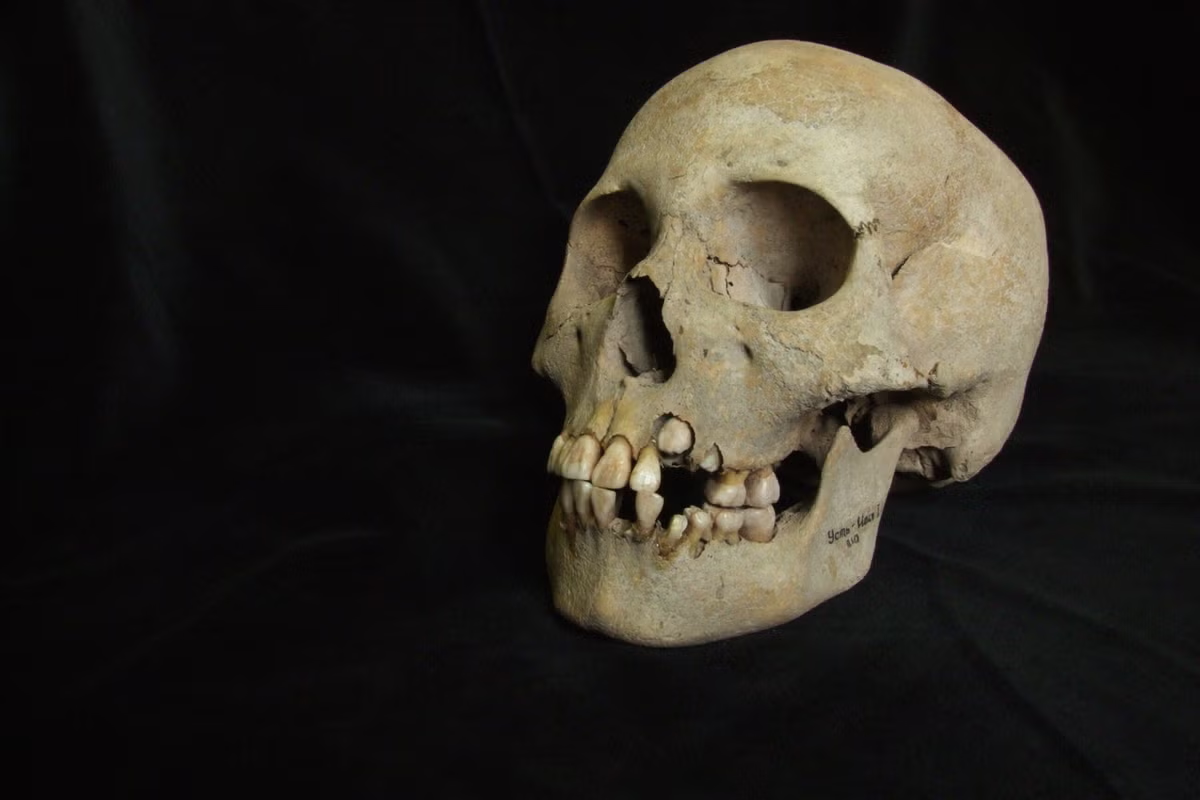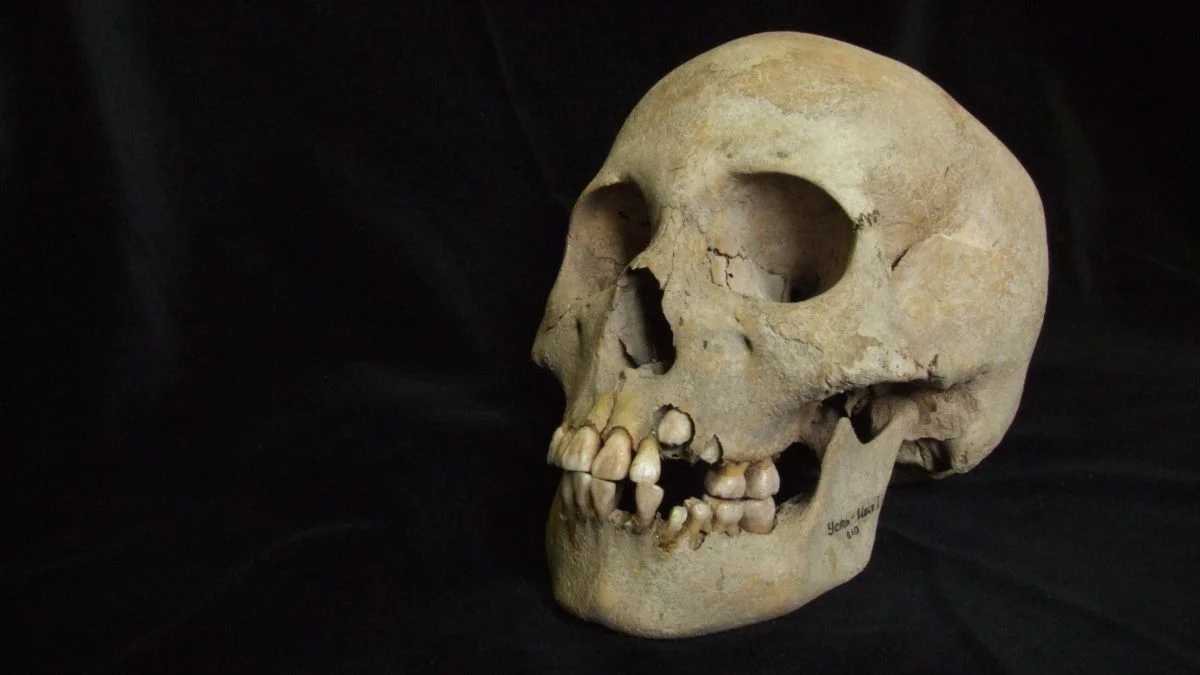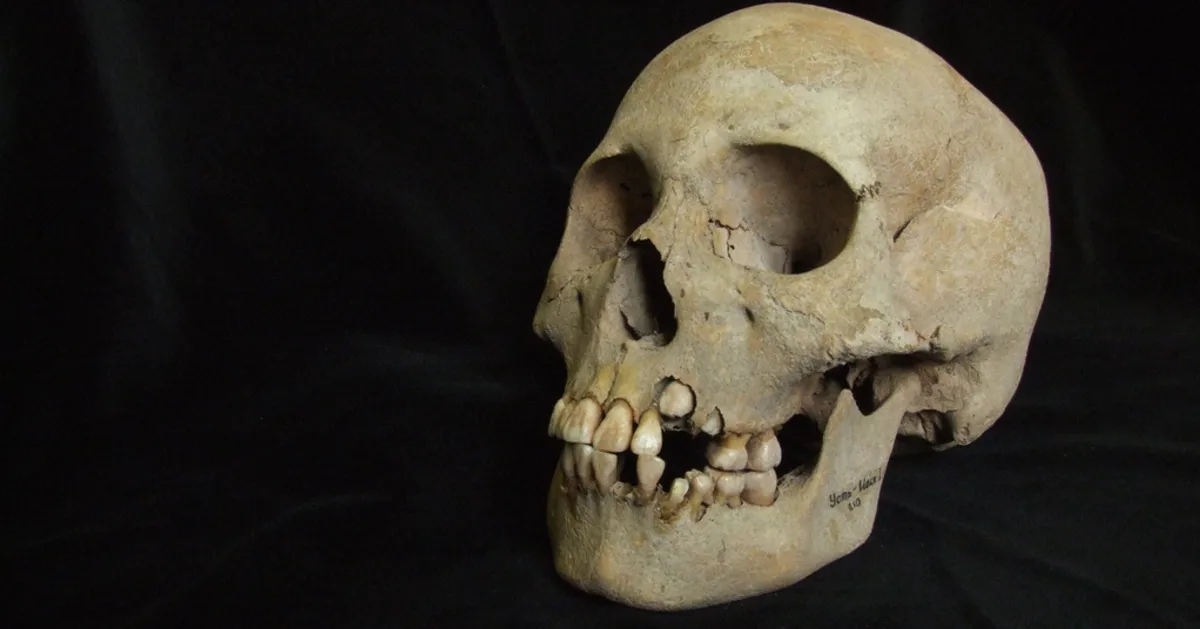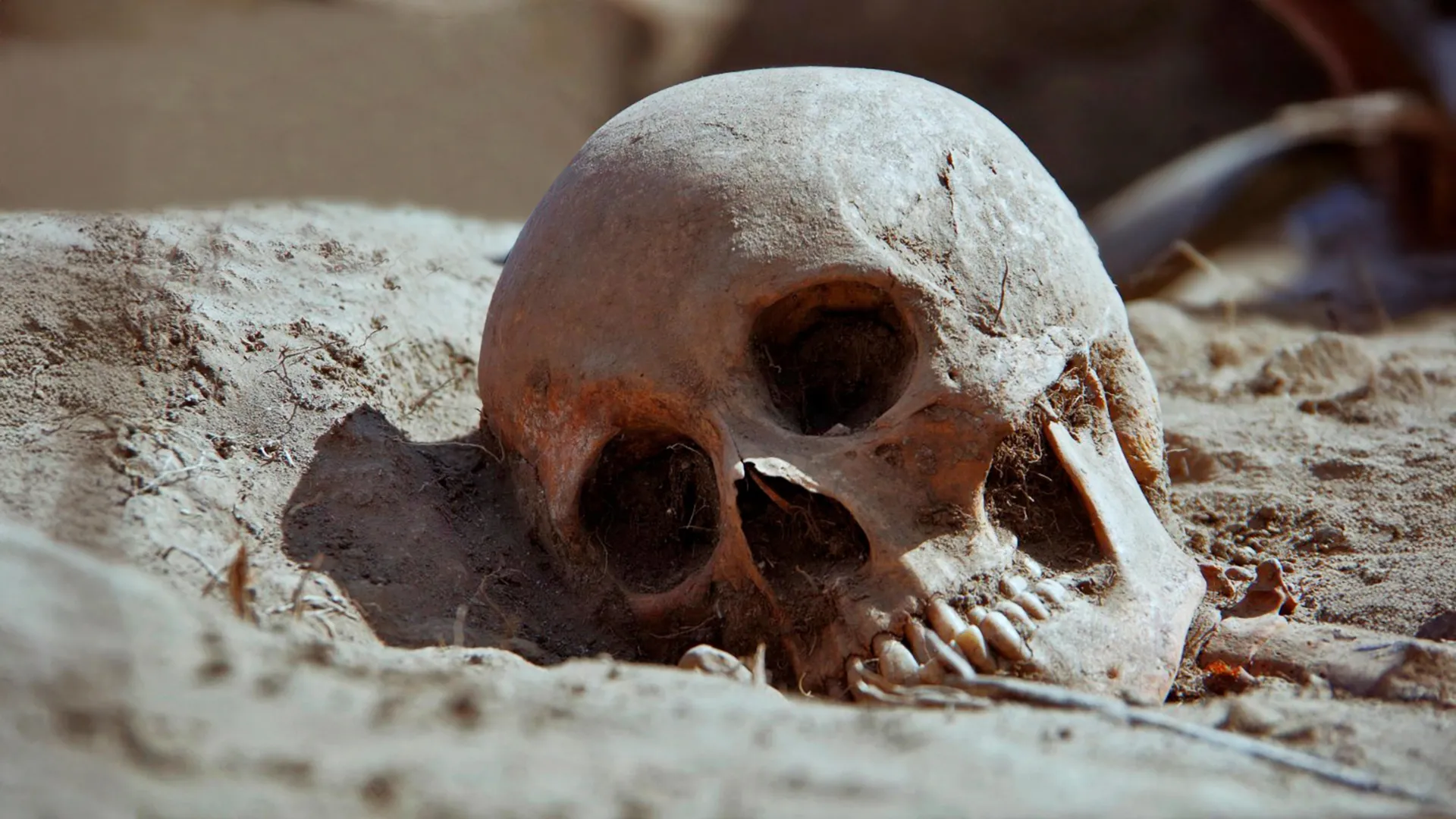
In the Middle Ages, the Black Death infamously swept through Europe, killing an estimated 25 million people. While the plague existed before this time, many researchers believed that it wasn’t as fatal or contagious before the medieval pandemic—until now. In a study published today in Nature, an international team of researchers reports the discovery of ancient bacterial genomes pointing to a previously unknown strain of the plague. The genetic information comes from the teeth of humans in small hunter-gatherer communities from approximately 5,500 years ago. Shockingly, 18 of 46 individuals studied had traces of Yersinia pestis DNA, the bacterium that causes the plague. The findings represent the earliest plague genome ever identified and suggest that the deadly virus originated in Central Asia long before the famous outbreak in Europe. The skull of a 9- to 11-year-old girl who died and was buried along with plague victims at the Ust’Ida I burial ground. Credit: Angela Lieverse “This provides conclusive evidence that these outbreaks of plague would have been deadly,” Ruaridh Macleod, the study’s first author and an archaeologist at the University of Oxford in the U.K., said during a press briefing on the paper. “That’s something that up until this point has been very hotly debated between archaeologists and scientists.”
Scientists Just Rewrote the Origin Story of One of Humanity’s Deadliest Diseases
The outbreak occurred much earlier than the Middle Ages and had an unexpectedly high mortality rate.
618 words~3 min read