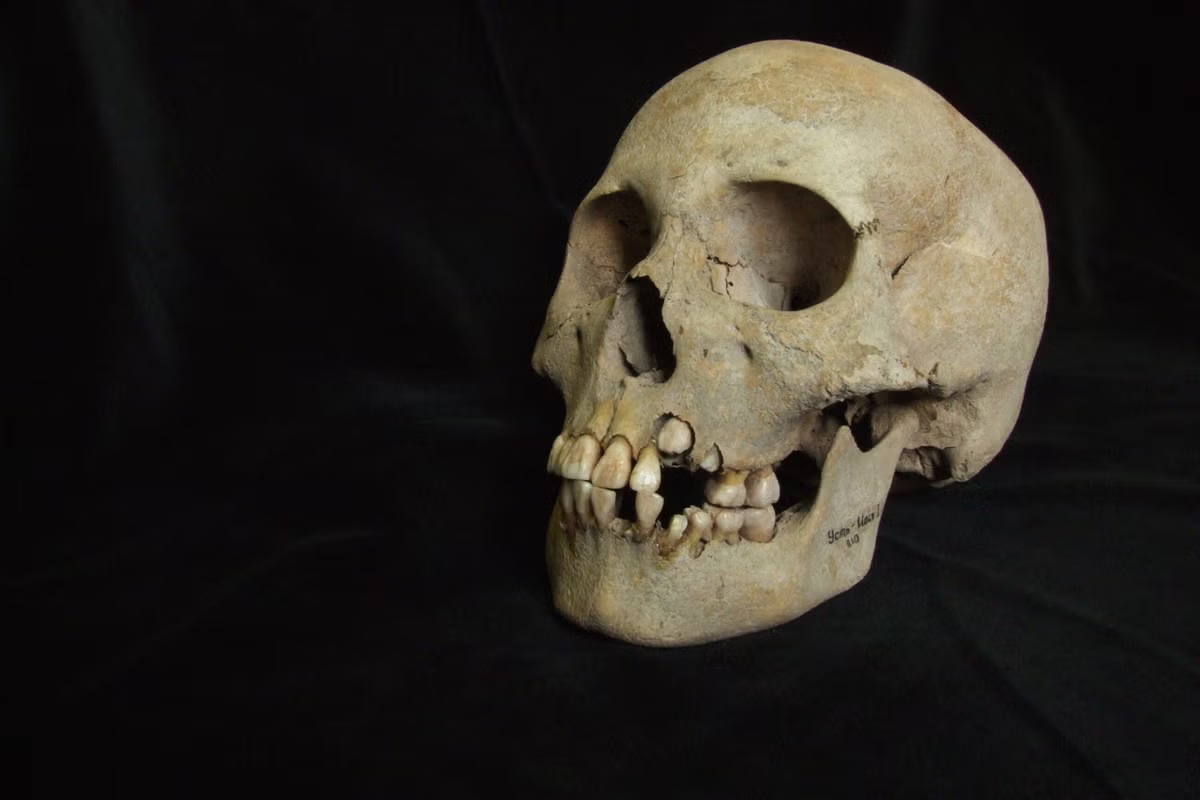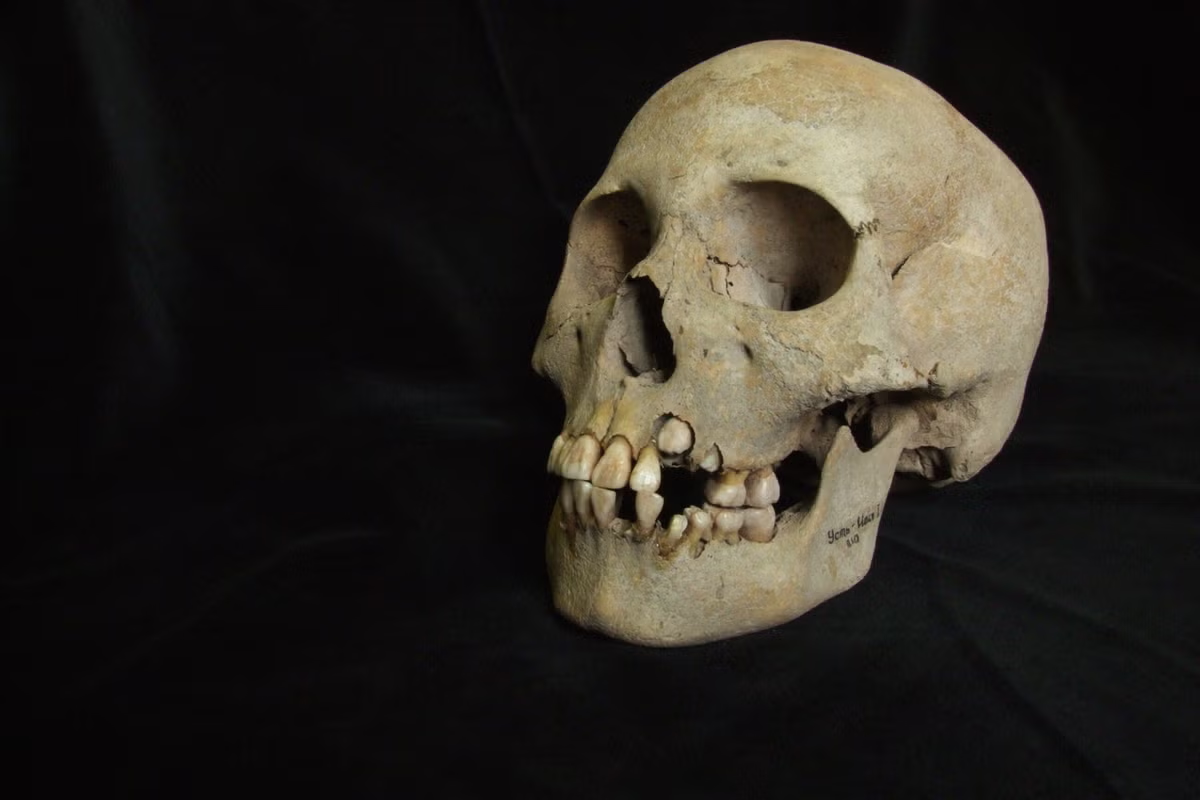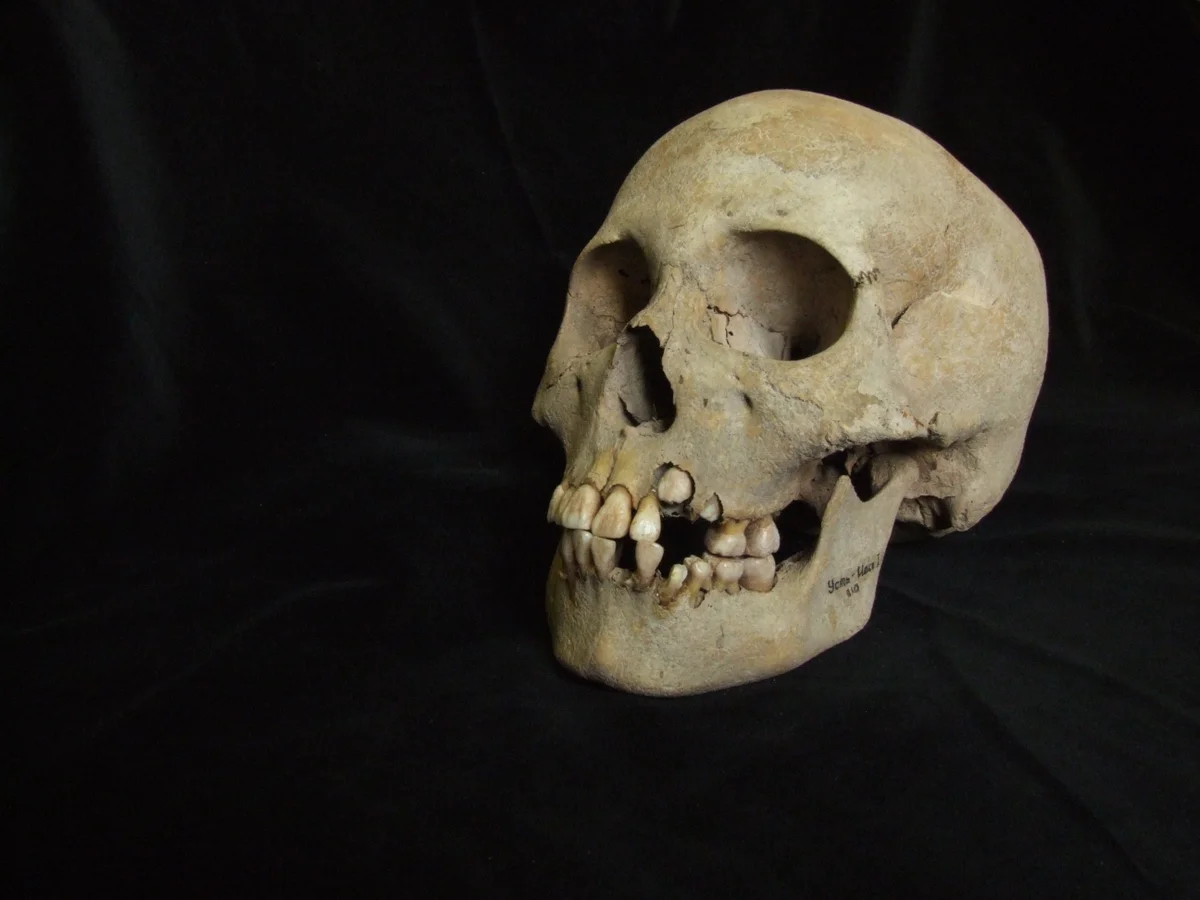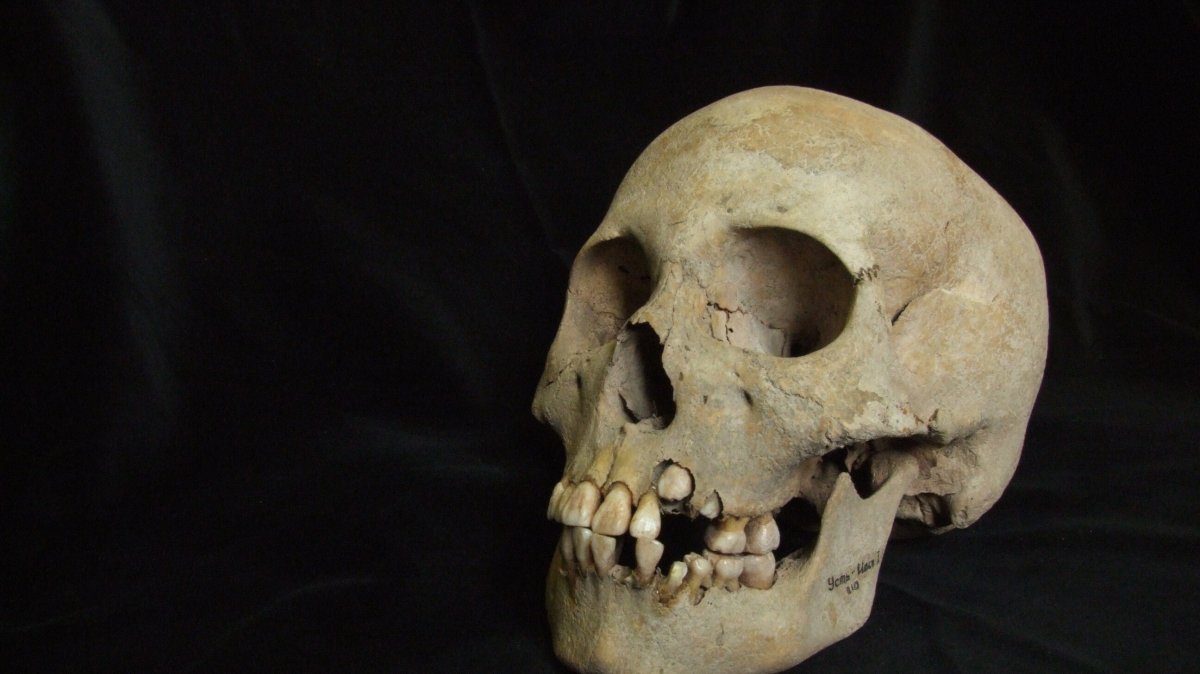
Scientists have identified the oldest known evidence of plague, tracing the deadly disease back approximately 5,500 years and pushing its origins at least 200 years earlier than previously documented, according to new research.
The disease has sickened humans for thousands of years and wiped out a significant chunk of Europe's population in the 14th century during what's known as the Black Death. Though rare, the plague is still around today and is treated with antibiotics.
"To understand our own history, we believe that understanding the history of plague is extremely important,” said study co-author Eske Willerslev, an evolutionary geneticist with the University of Copenhagen in Denmark.
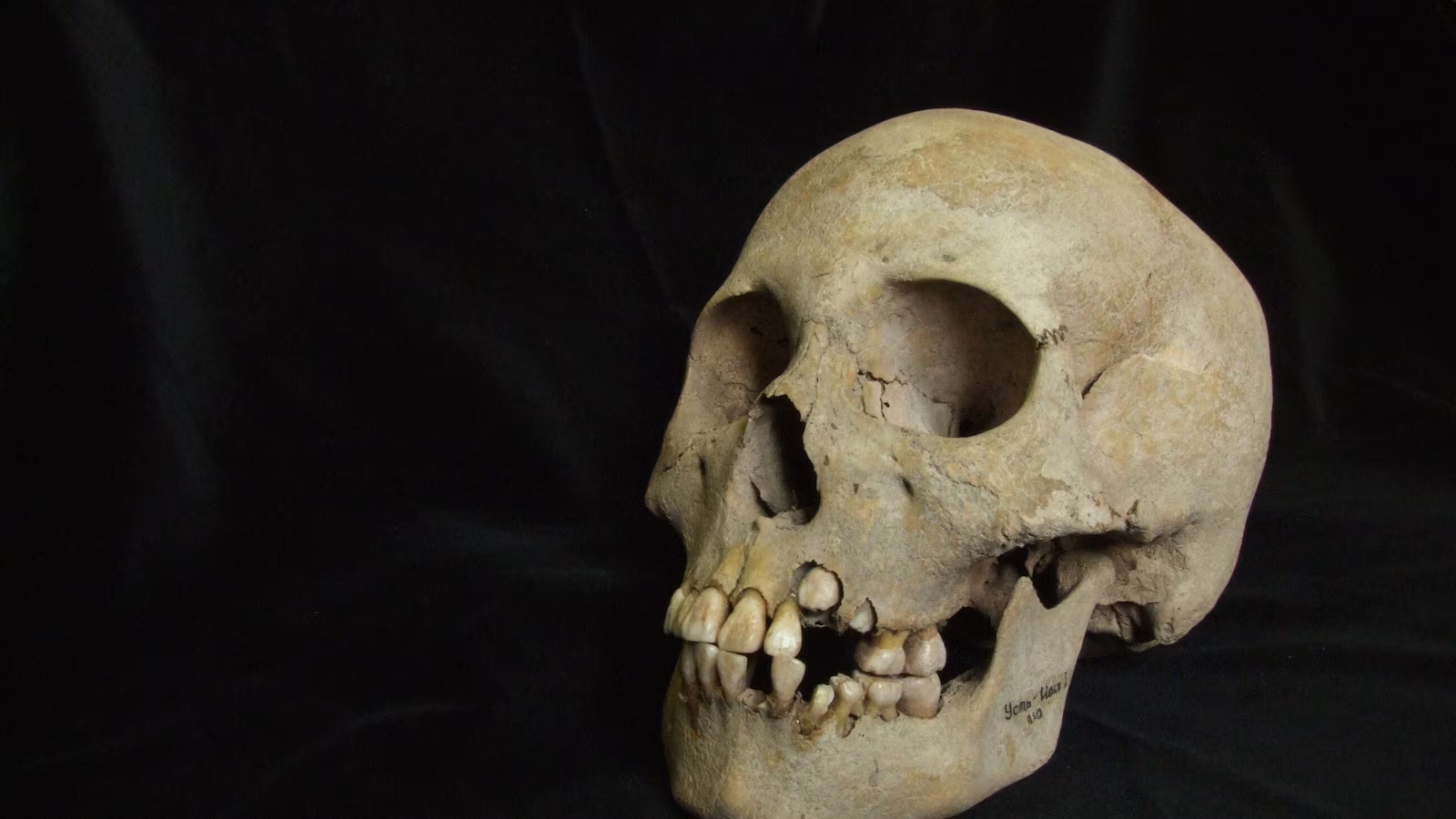
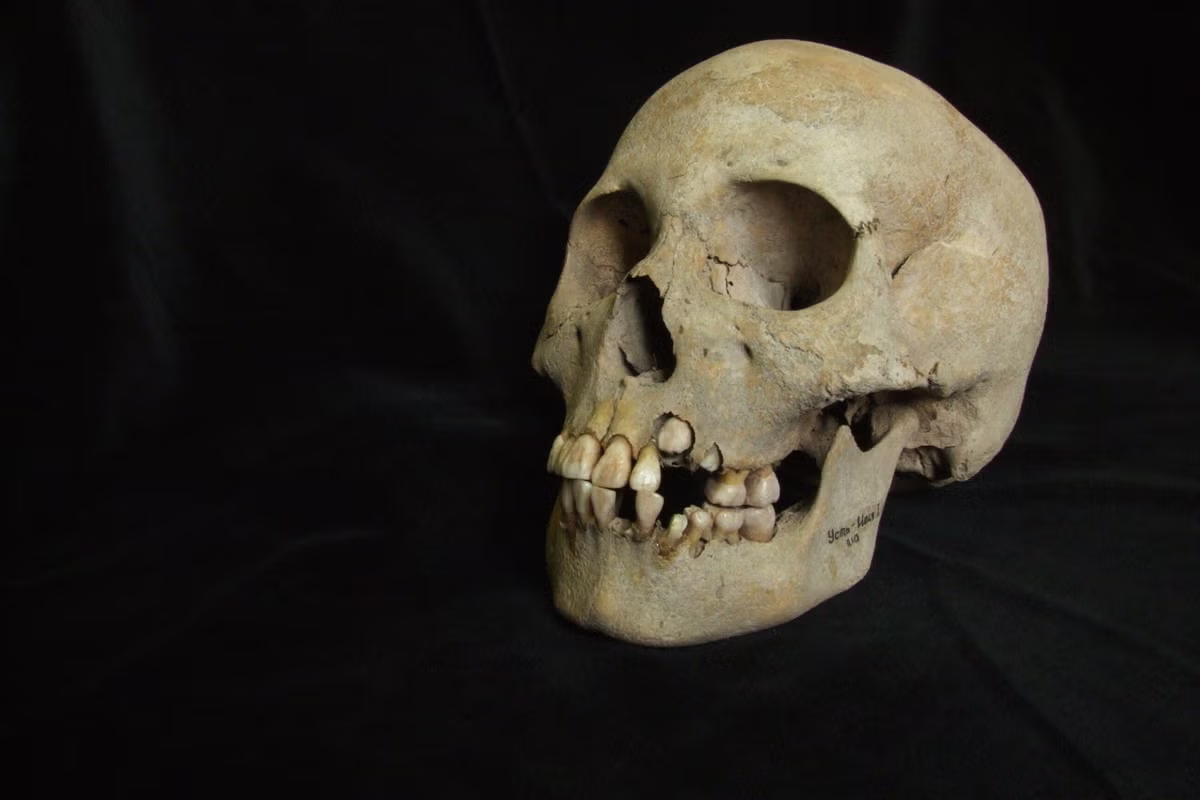
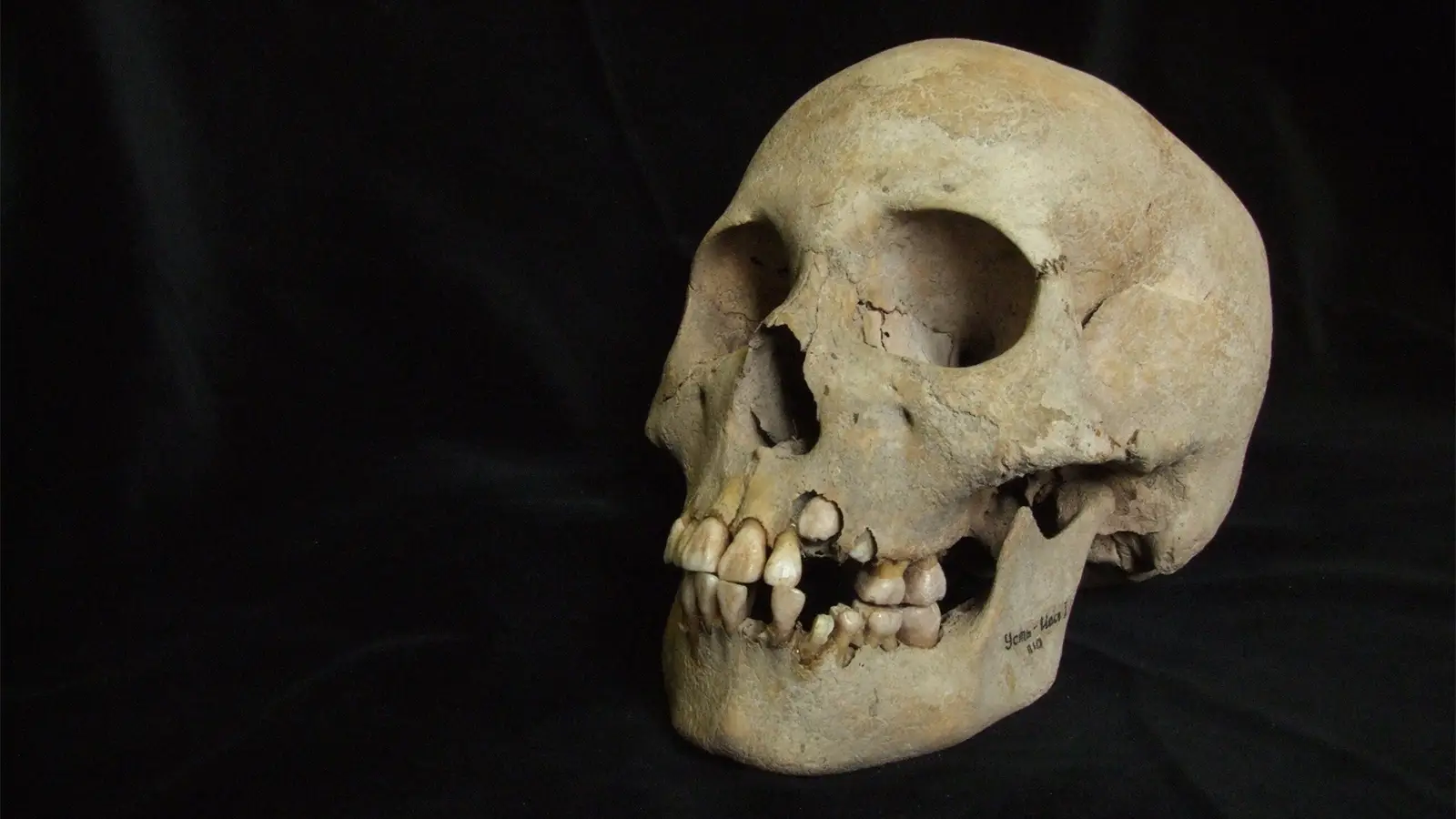
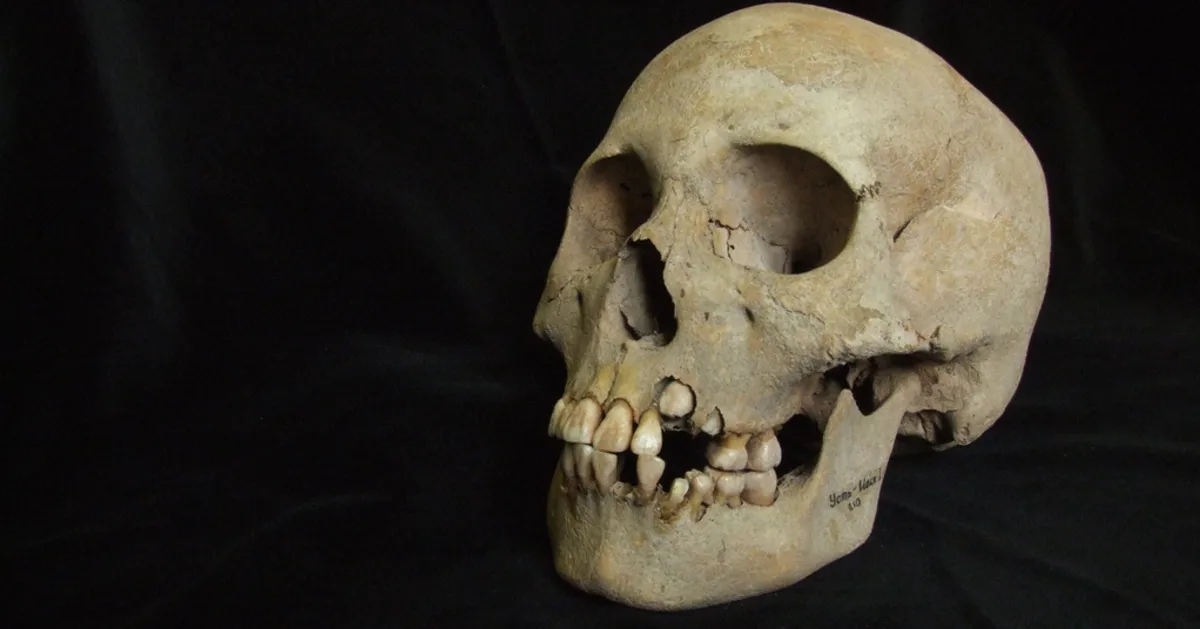
Willerslev and other researchers looked for traces of plague-causing bacteria in remains from four cemeteries near Siberia's Lake Baikal. They found remnants of plague DNA in teeth from 18 ancient hunter-gatherers.
Dating the carbon in the bones revealed that the plague triggered two outbreaks, with the first cases detected around 5,500 years ago.