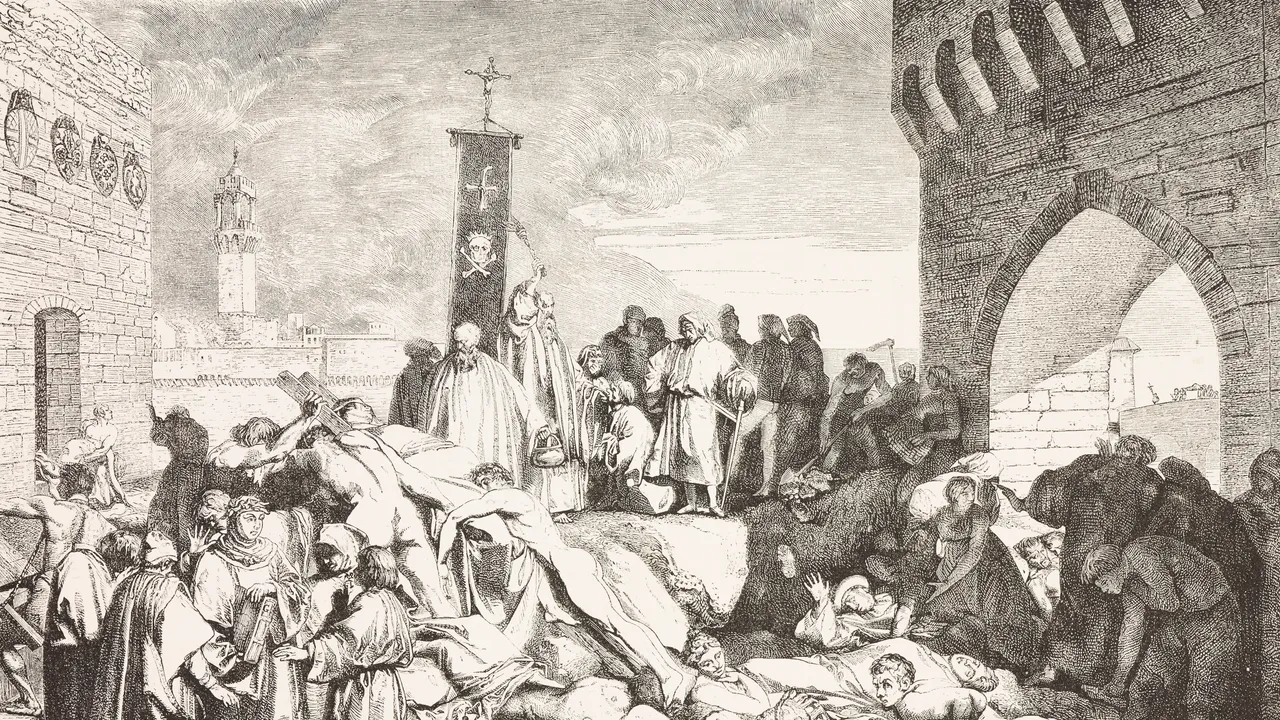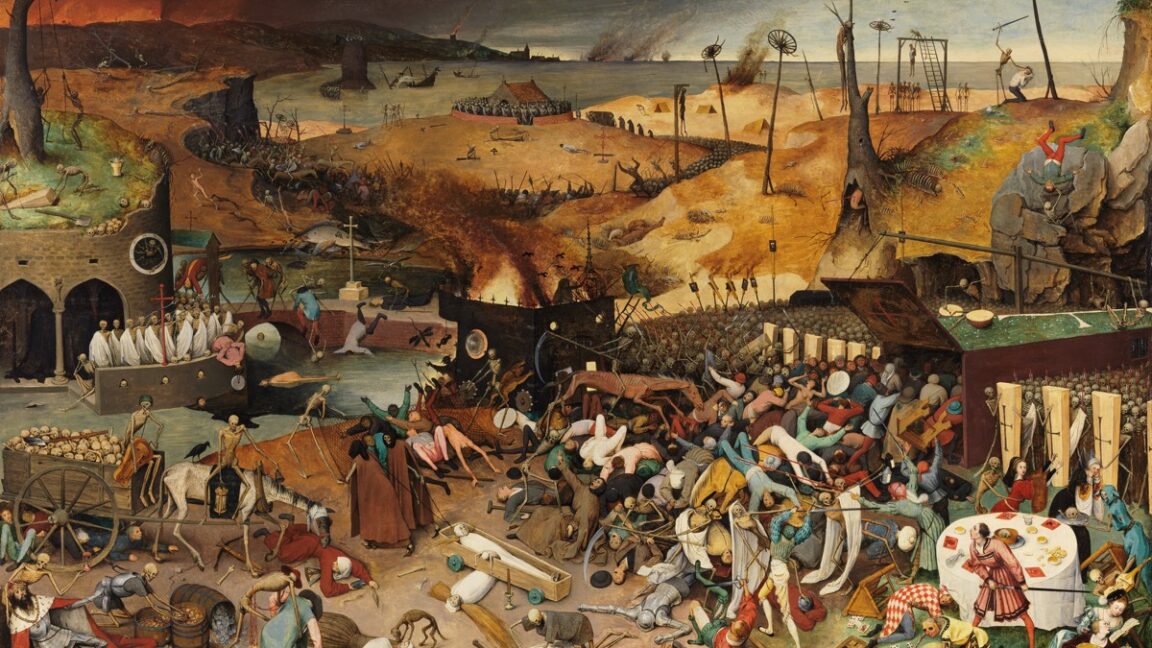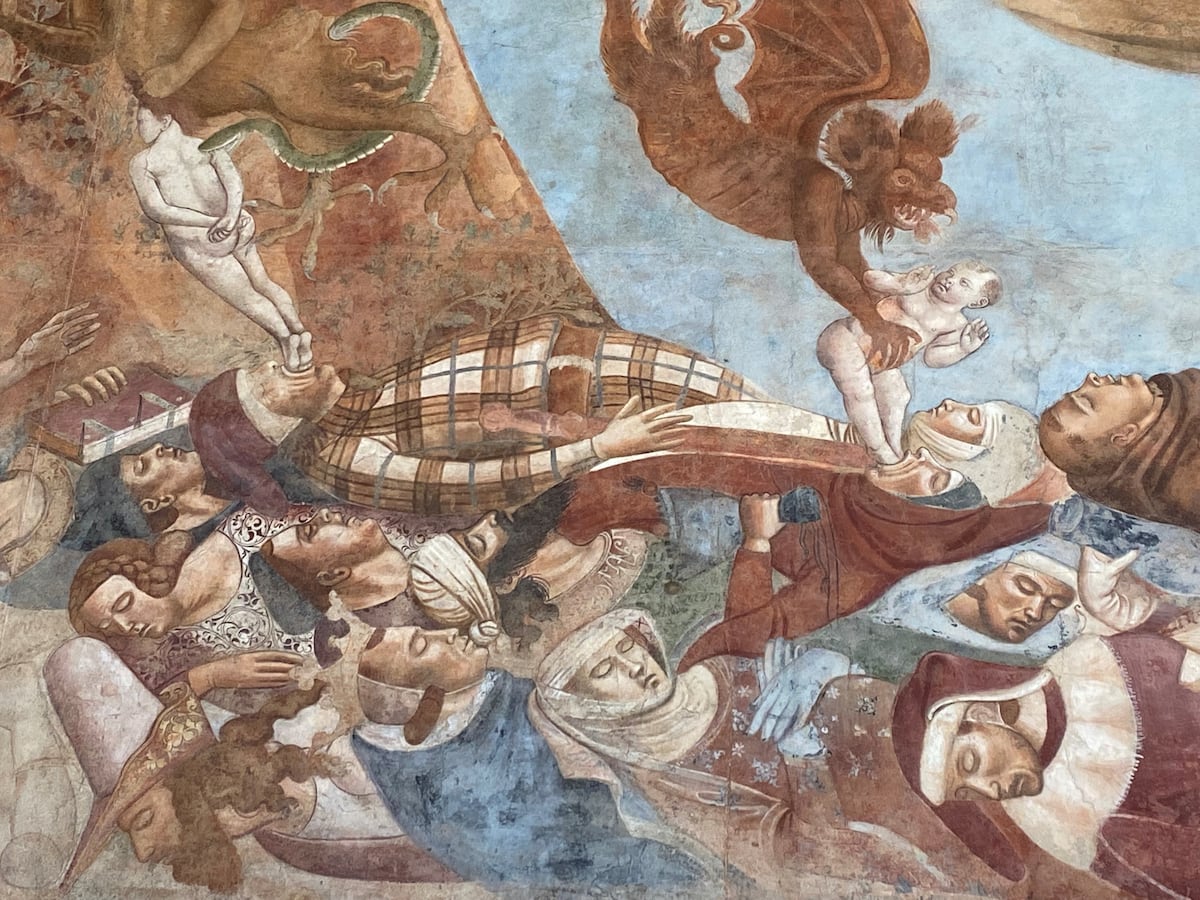
A volcanic eruption around 1345 may have set off a chain reaction that unleashed Europe's deadliest pandemic the Black Death, scientists say.
Clues preserved in tree rings suggest the eruption triggered a climate shock and led to a string of events that brought the disease to medieval Europe.
Under this scenario, the ash and gases from a volcanic eruption caused extreme drops in temperature and led to poor harvests.
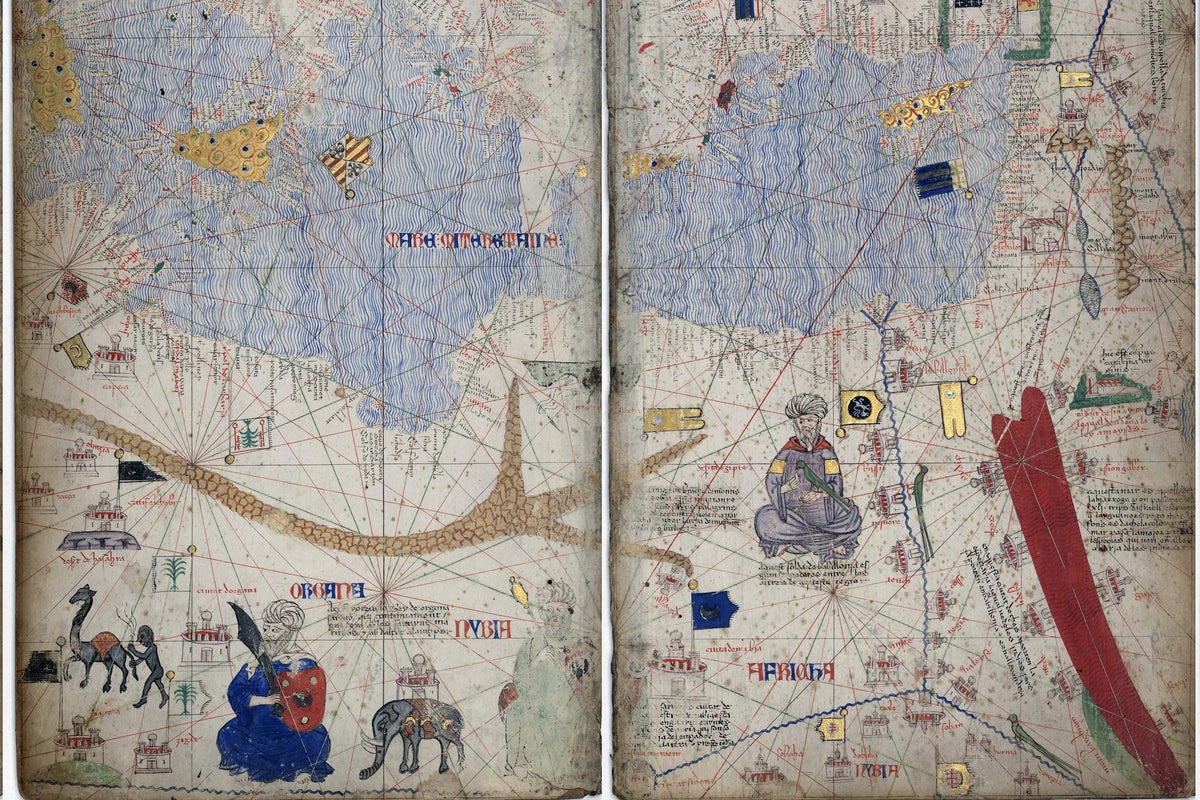
To avert famine, populous Italian city states were forced to import grain from areas around the Black Sea - bringing plague-carrying fleas that carried the disease to Europe as well.
This "perfect storm" of a climate shock, famine and trade offers a reminder of how diseases can emerge and spread in a globalised and warmer world, according to experts.