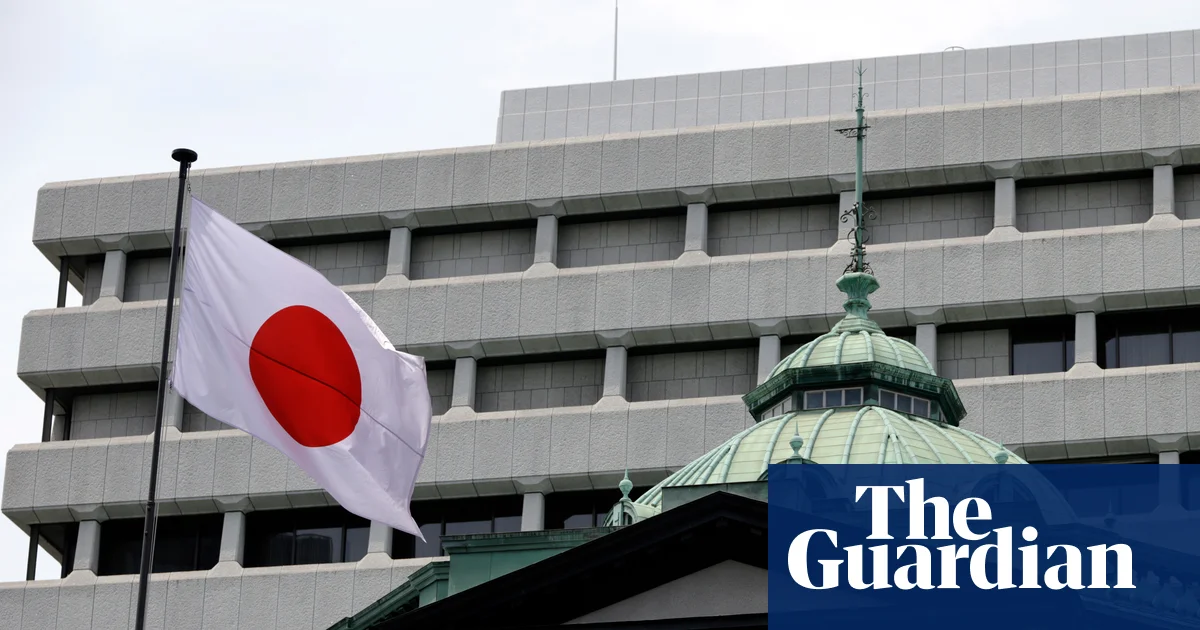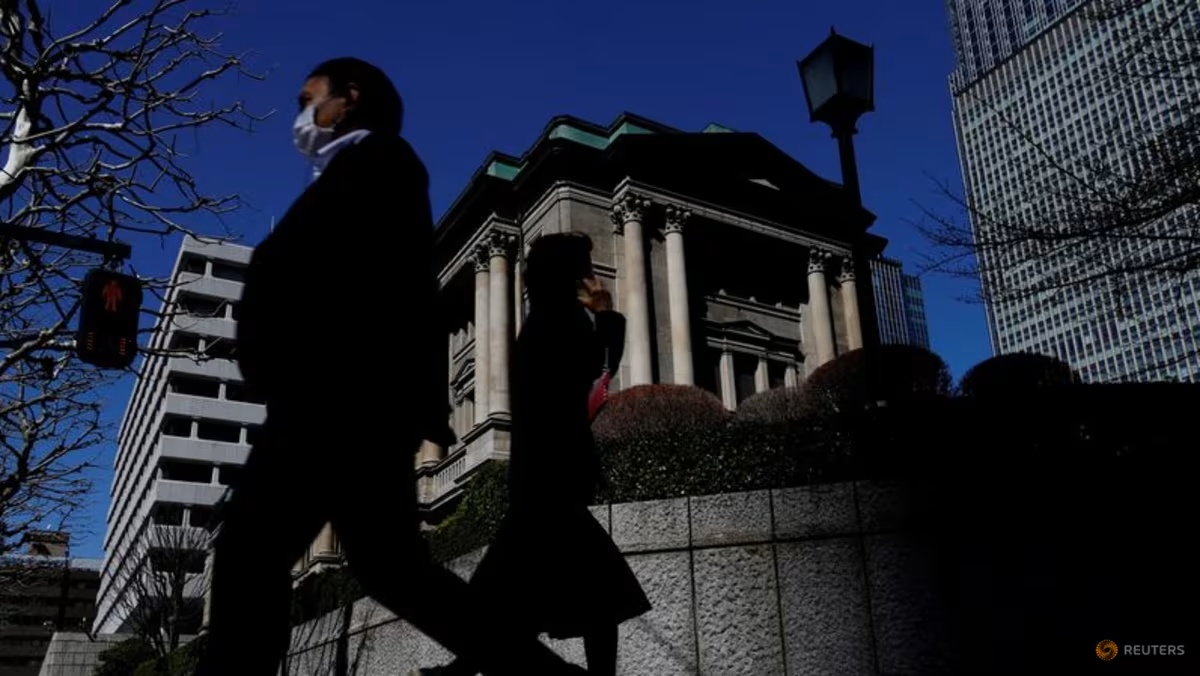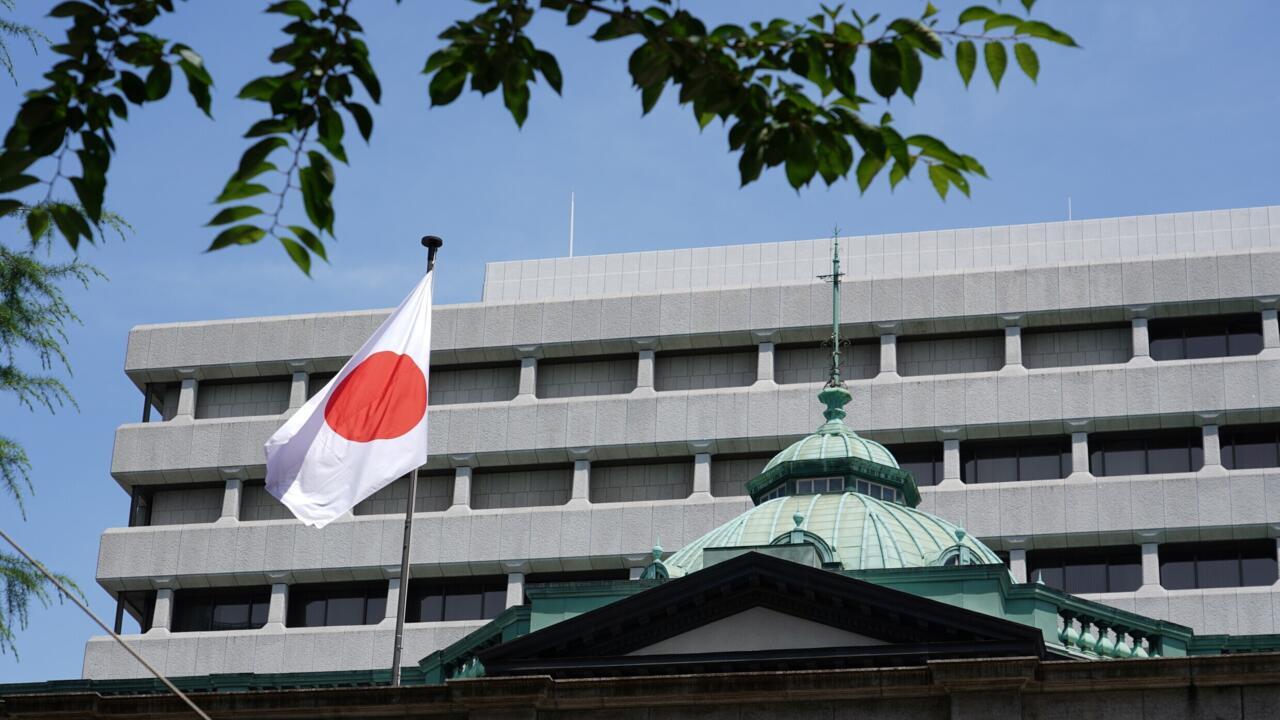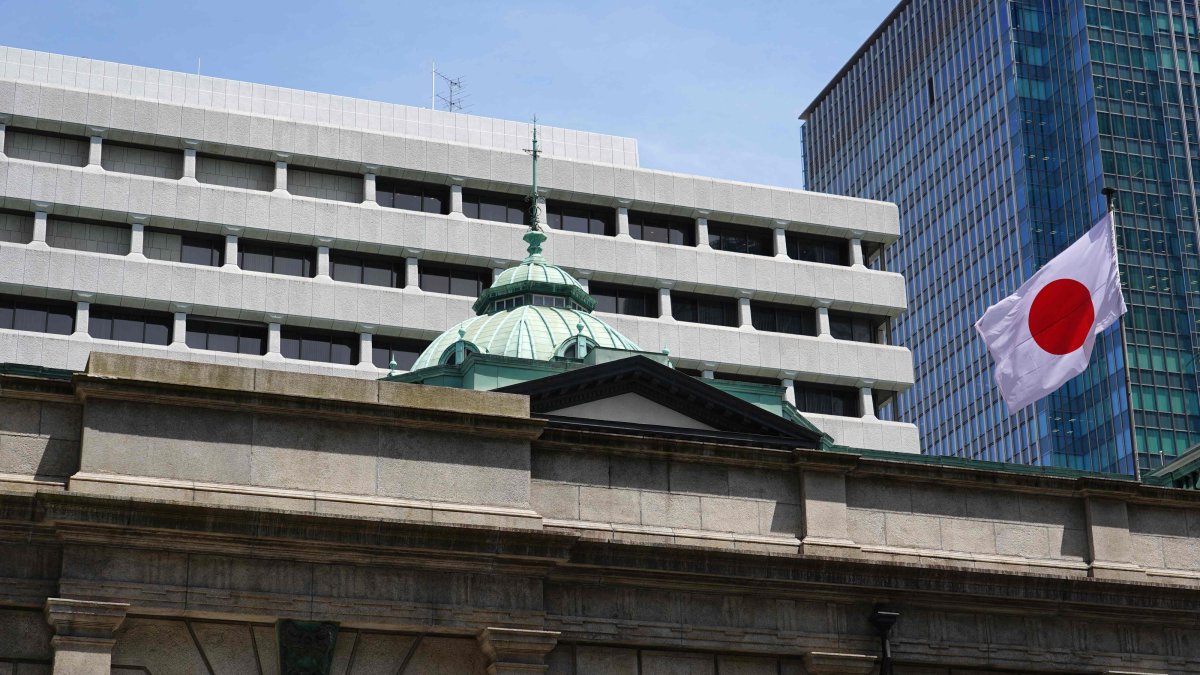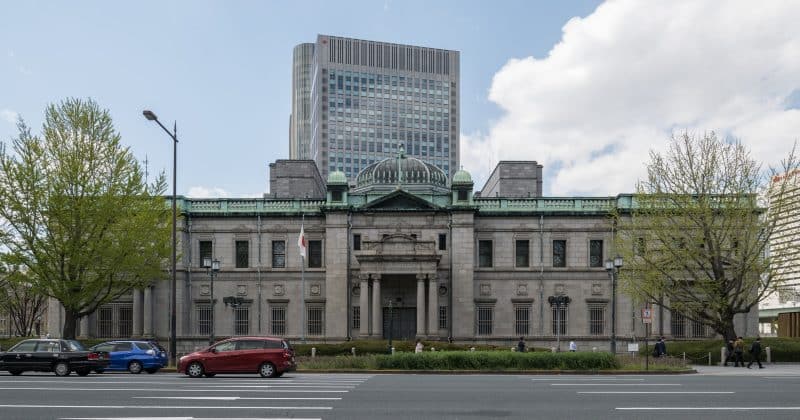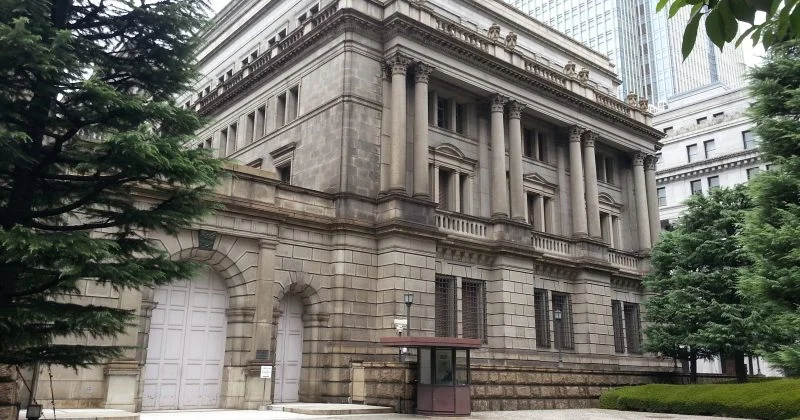
The Bank of Japan is about to do something it hasn’t done in over three decades, and a peace deal in the Middle East isn’t going to stop it.
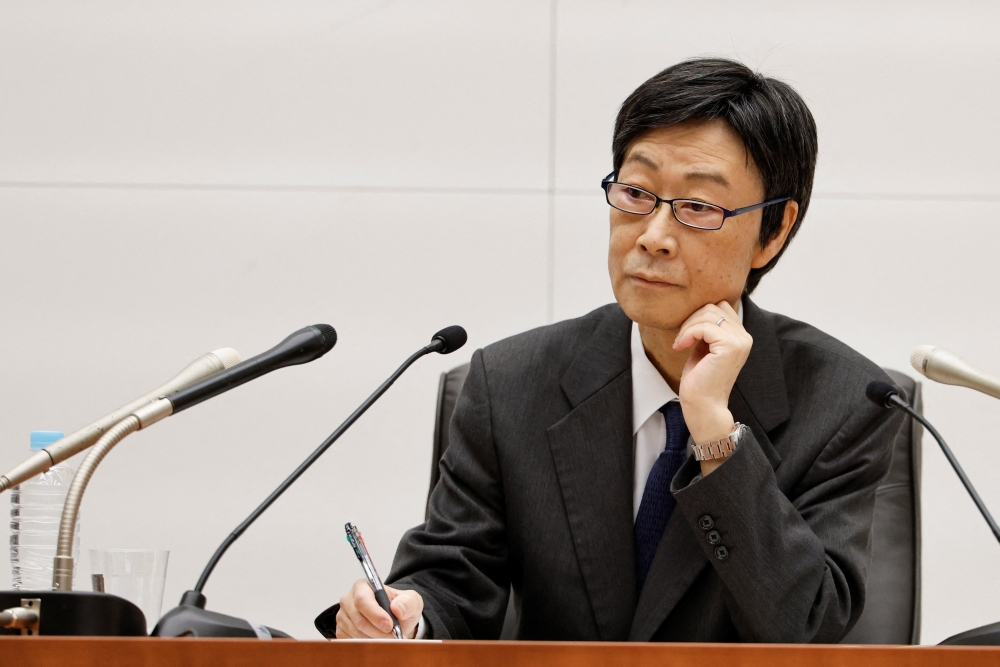
Seisaku Kameda, former chief economist at the BOJ and now executive economist at Sompo Institute Plus, said on June 15 that the recent US-Iran peace agreement will not alter the central bank’s plans for rate hikes in 2026. The BOJ is expected to raise its short-term policy rate to 1% on June 16, which would mark the highest level in 31 years.
The expected rate increase follows an unchanged decision that held the policy rate at 0.75% back in April. Kameda, who maintains close contact with current BOJ policymakers, indicated that a further hike could come as soon as October or December this year.
The US-Iran peace agreement was announced on June 14 and is set to take effect on June 20. Among its provisions is the reopening of the Strait of Hormuz, one of the most critical chokepoints for global oil trade. Roughly a fifth of the world’s petroleum passes through that narrow waterway on any given day.
Markets responded the way markets do when a major source of geopolitical risk suddenly evaporates. Risk assets caught a bid across the board. Japanese Government Bond yields shifted as traders recalibrated expectations. Oil prices fell on the prospect of smoother supply flows.