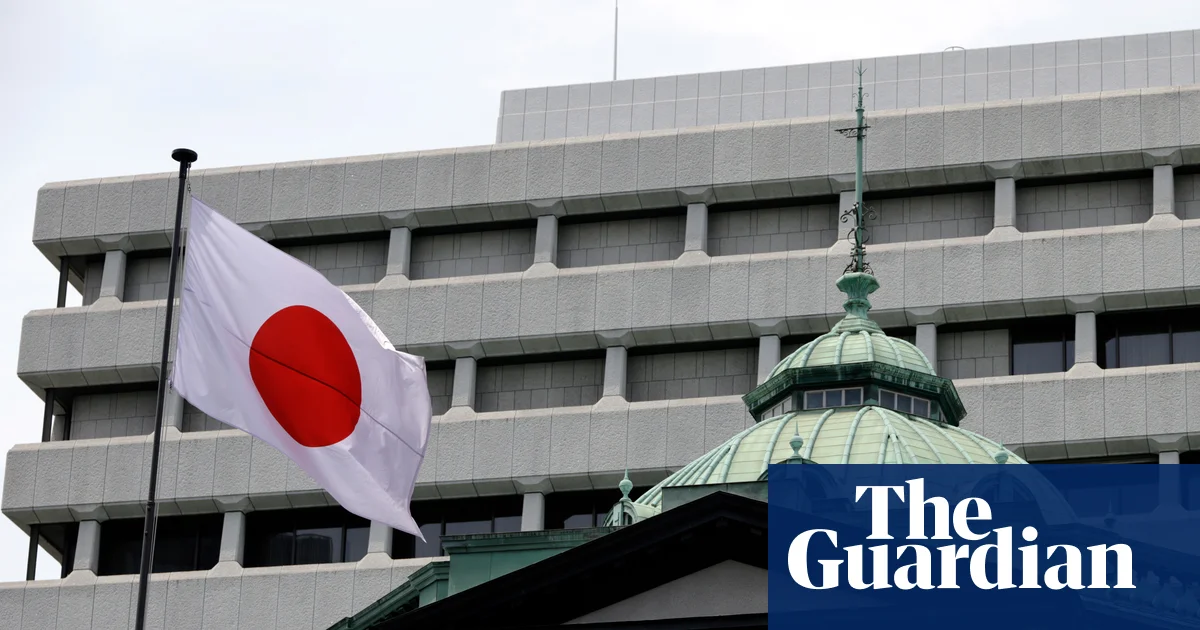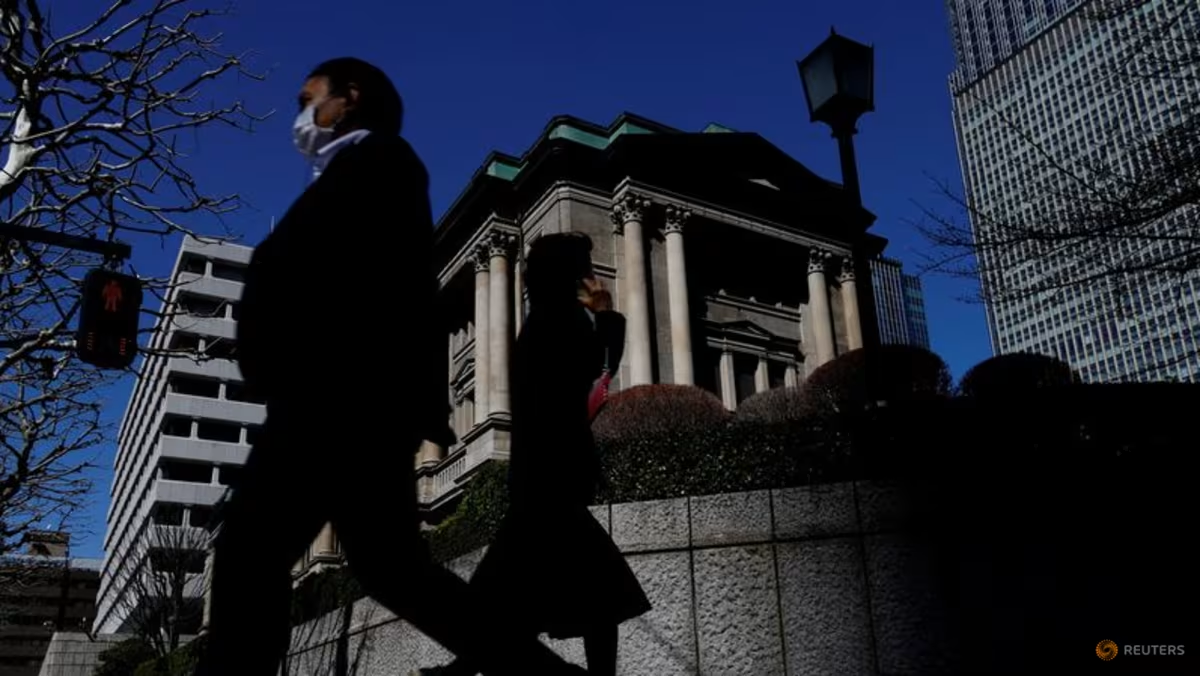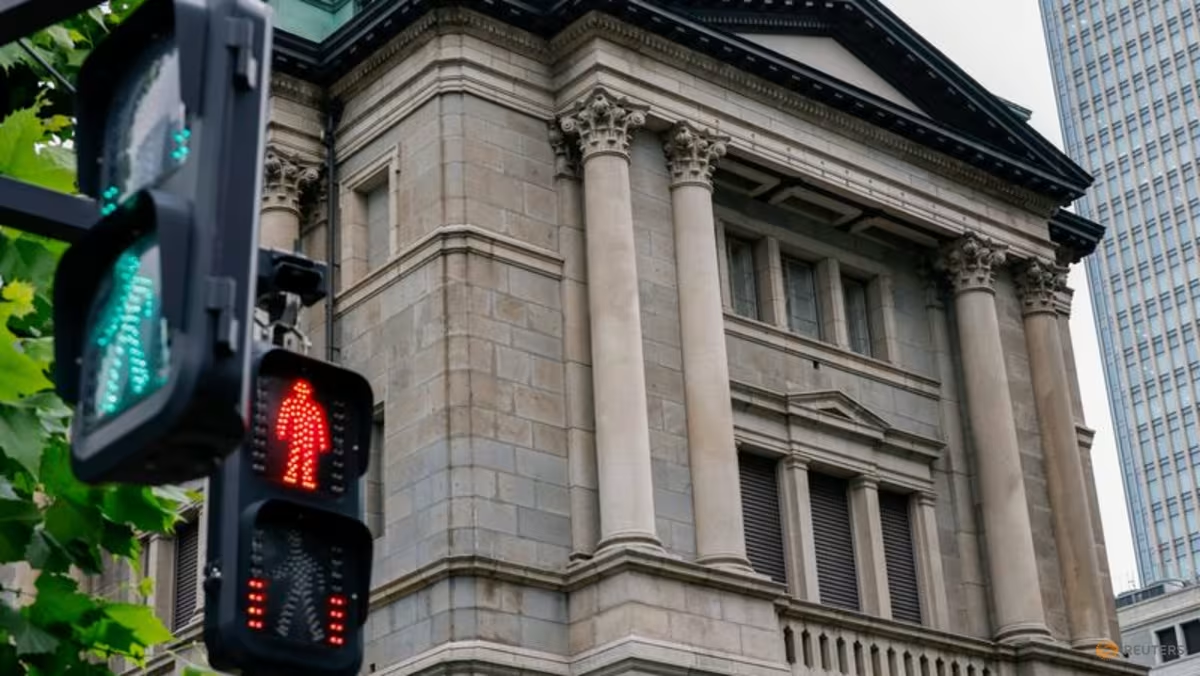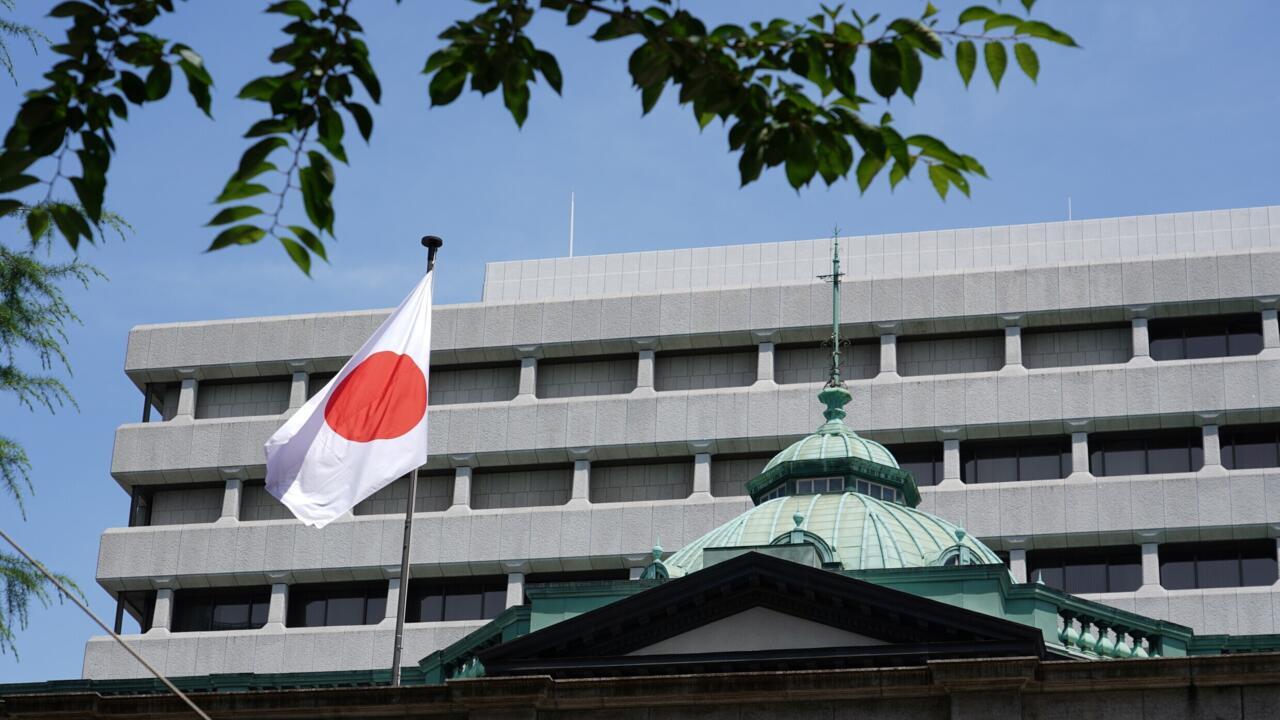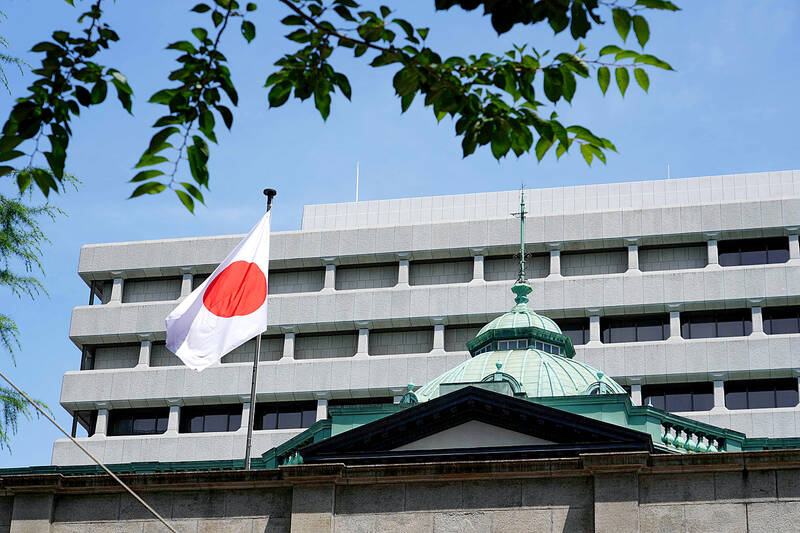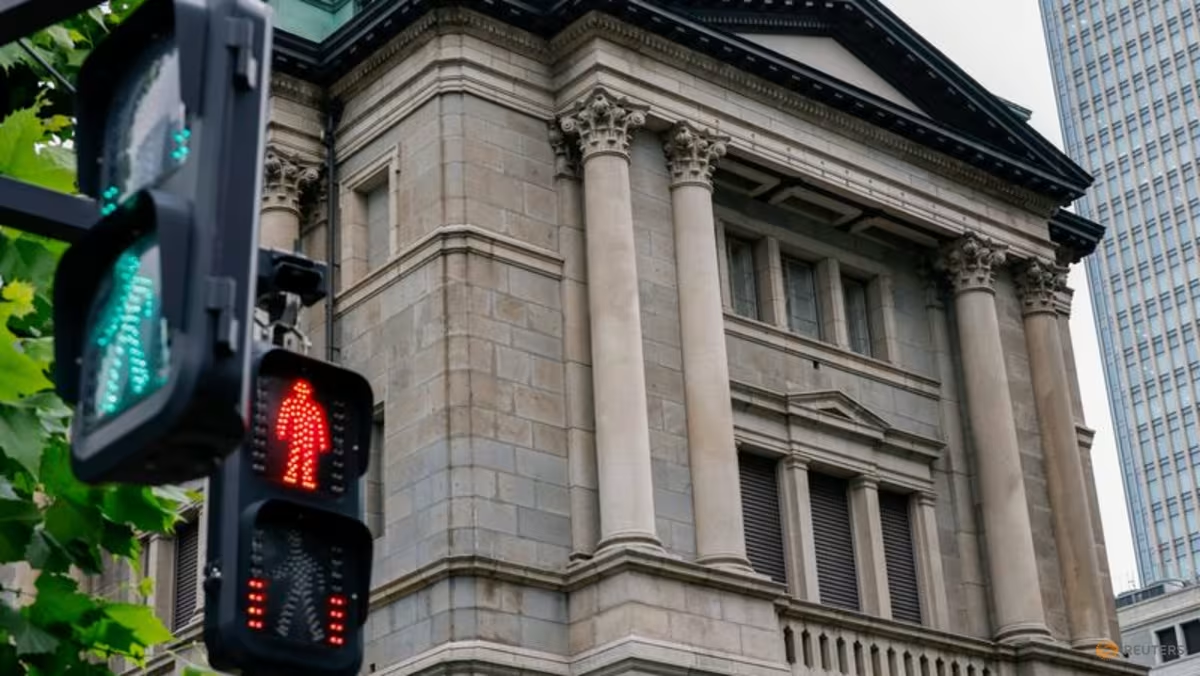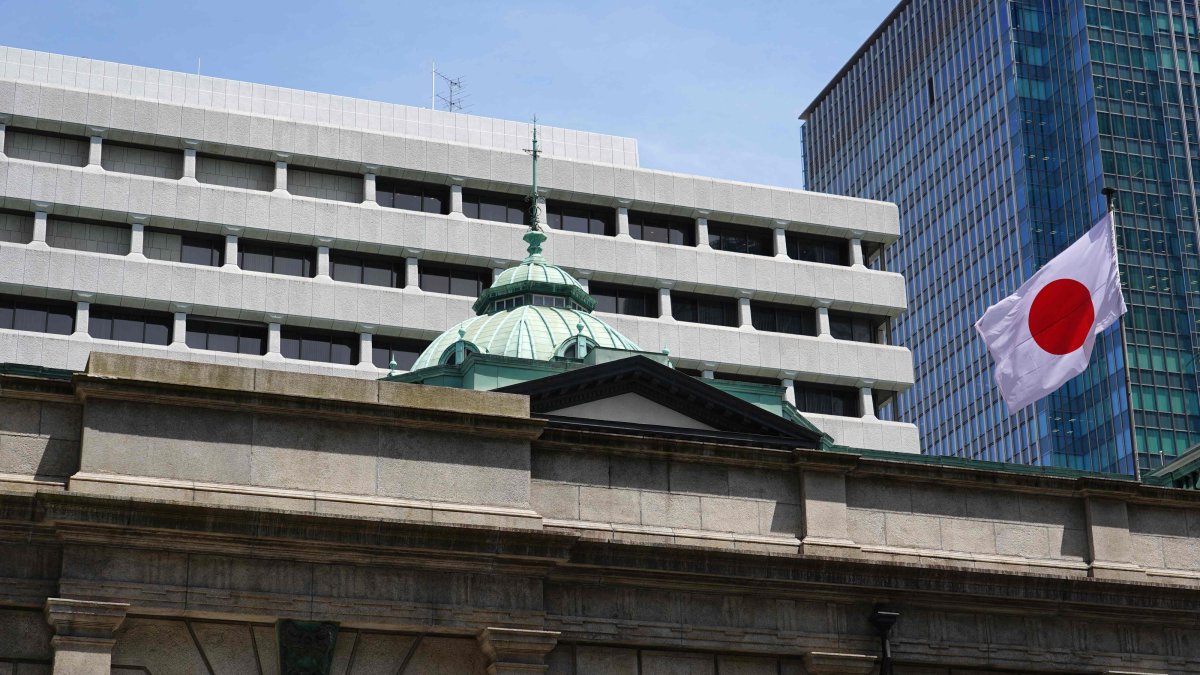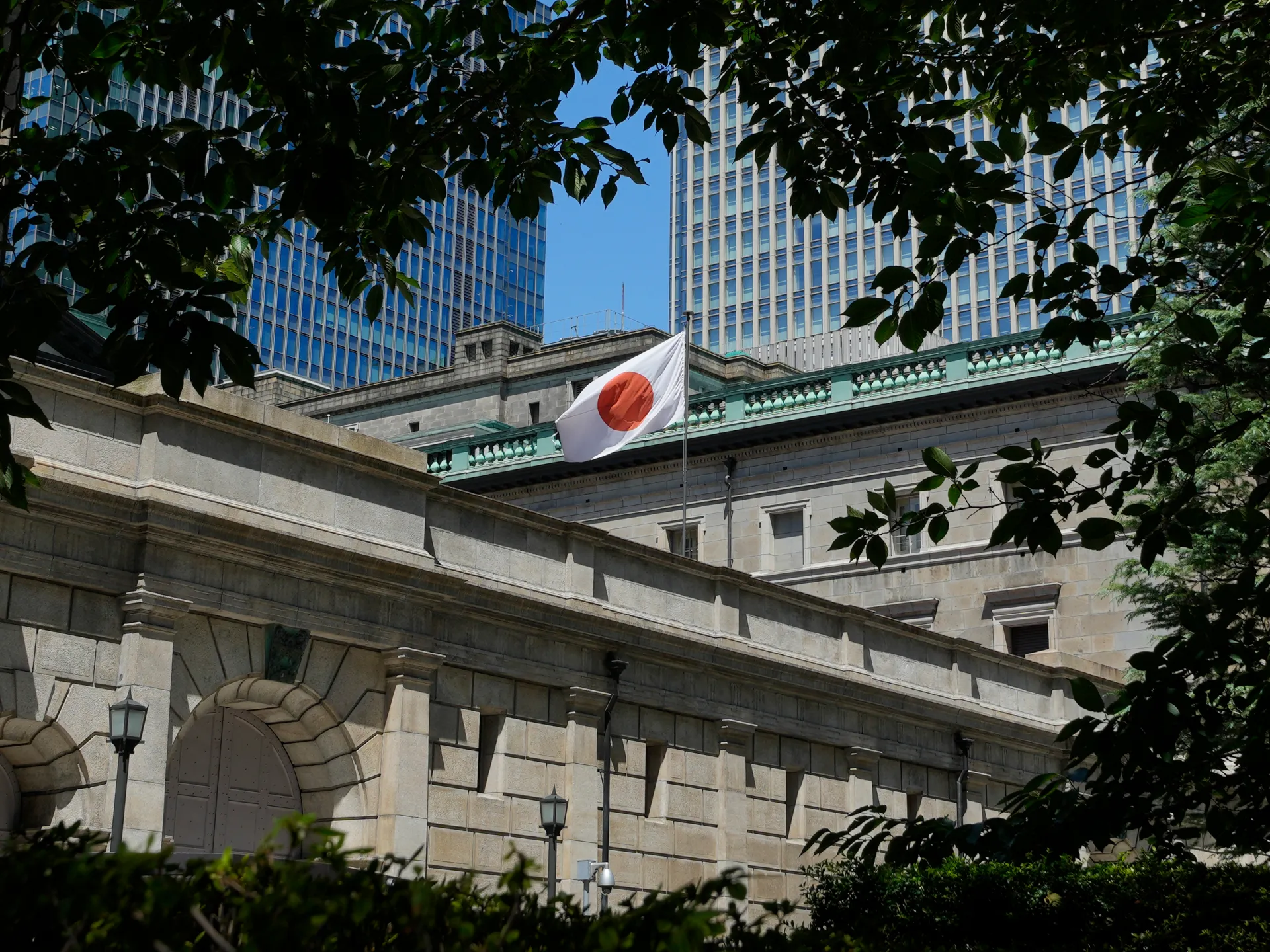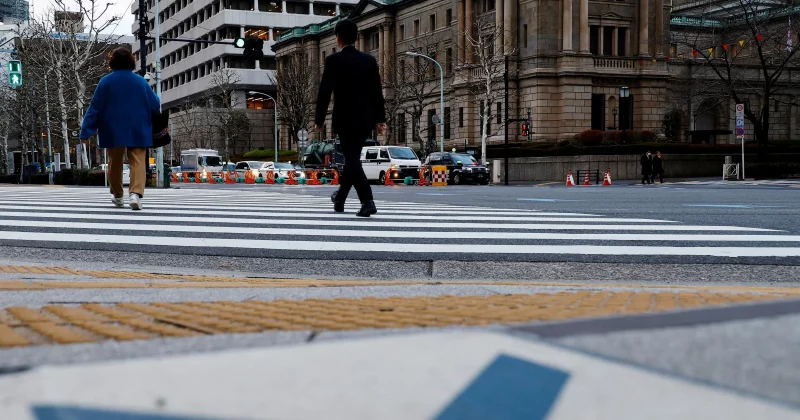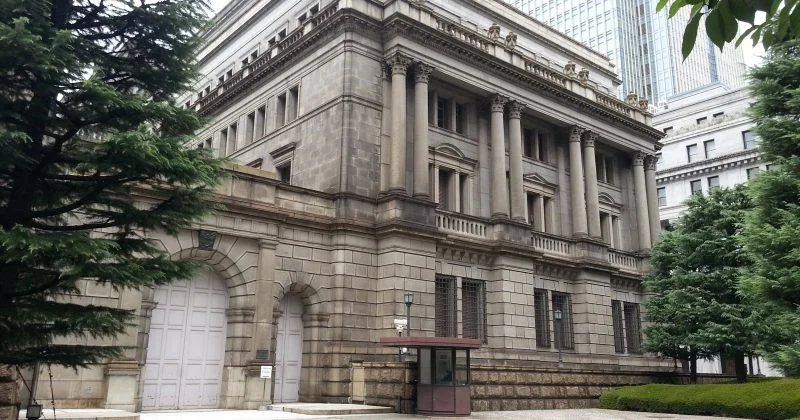
The Bank of Japan is expected to raise its short-term policy rate to 1% on June 16, 2026. That would be the highest level in 31 years, and apparently, a newly minted US-Iran peace deal isn’t going to change a thing about it.
Seisaku Kameda, a former economist at the BOJ, stated on June 15 that the geopolitical agreement between Washington and Tehran will have no bearing on the central bank’s trajectory for rate hikes. Japan’s monetary policymakers have their eyes fixed squarely on domestic inflation dynamics, not Middle Eastern diplomacy.
The BOJ’s quiet revolution
The anticipated move to 1% would represent a decisive step in what Kameda described as the BOJ’s strategy of incrementally raising rates twice per year. The goal: normalize monetary policy and address persistently low real borrowing costs that have defined Japan’s economic landscape for a generation.
Kameda indicated that further rate hikes could follow in the fourth quarter of 2026. In other words, 1% isn’t the ceiling. It’s a waypoint.