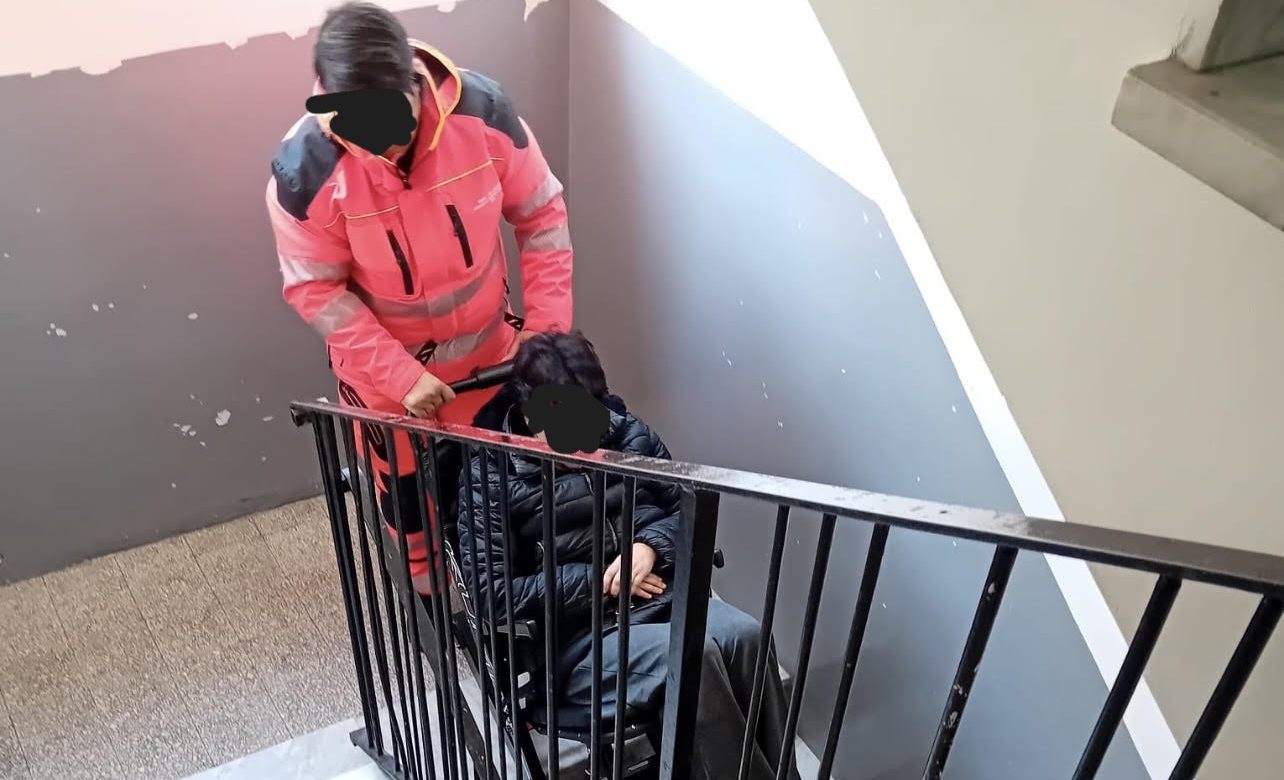
It’s hard for Jennifer Kucera to escape the past. The nursing home where she says she got scabies, was punched in the face, and was sexually assaulted is just three short blocks away from her current home in Berea, Ohio.
“I didn’t even know what scabies were,” said Kucera, who has spinal muscular atrophy and needs around-the-clock care from Medicaid-funded providers to help her bathe, dress, and otherwise navigate her life. “These are all things that really shouldn’t happen in a place where you’re supposed to be protected.”
She spent three long years in that nursing home and doesn’t intend to go back, especially after receiving 12 years of stable care from local in-home care providers. But now, after looming changes to state Medicaid regulations and a crackdown on purported fraud, Kucera fears she may have to return to the nightmare nursing home.
The dread started with a YouTube video. In May, the conservative news outlet the Daily Wire published an investigation into Medicaid fraud in Ohio’s home care system, suggesting that caregivers were just getting paid “to hang out with their own families.” Ohio Gov. Mike DeWine (R) quickly placed a six-month moratorium on new home care providers and is expected to sign into law a bill that tightens restrictions on who receives Medicaid-funded care and who can provide that care — all in a bid to curb fraud.