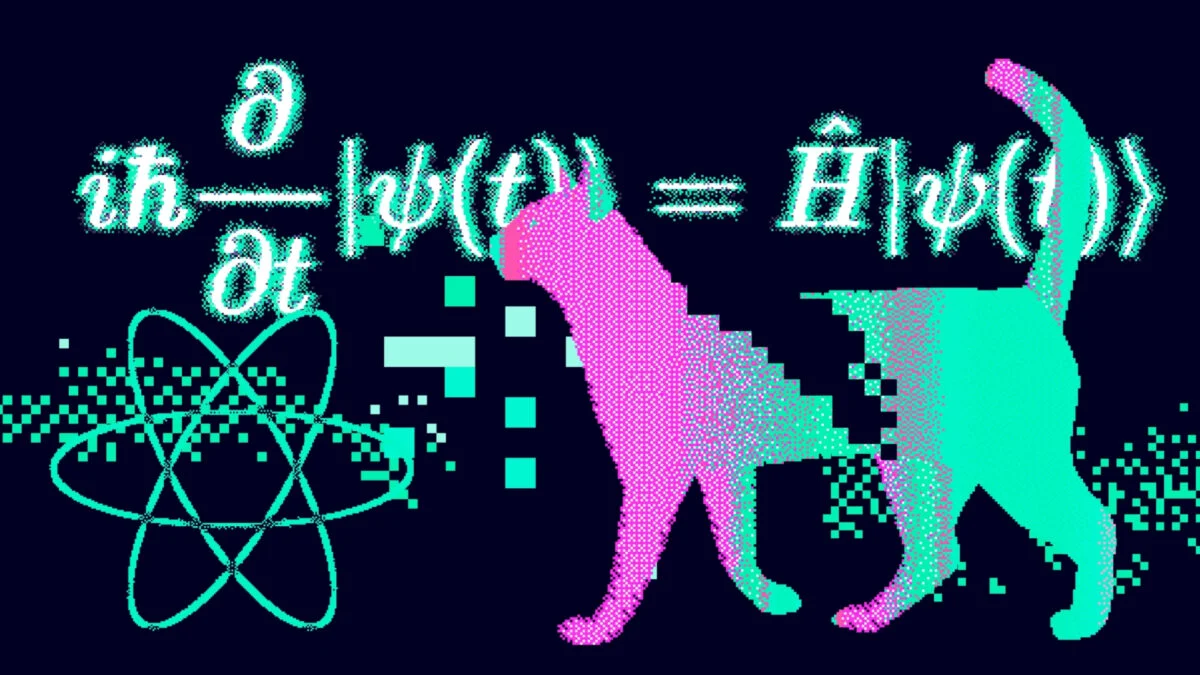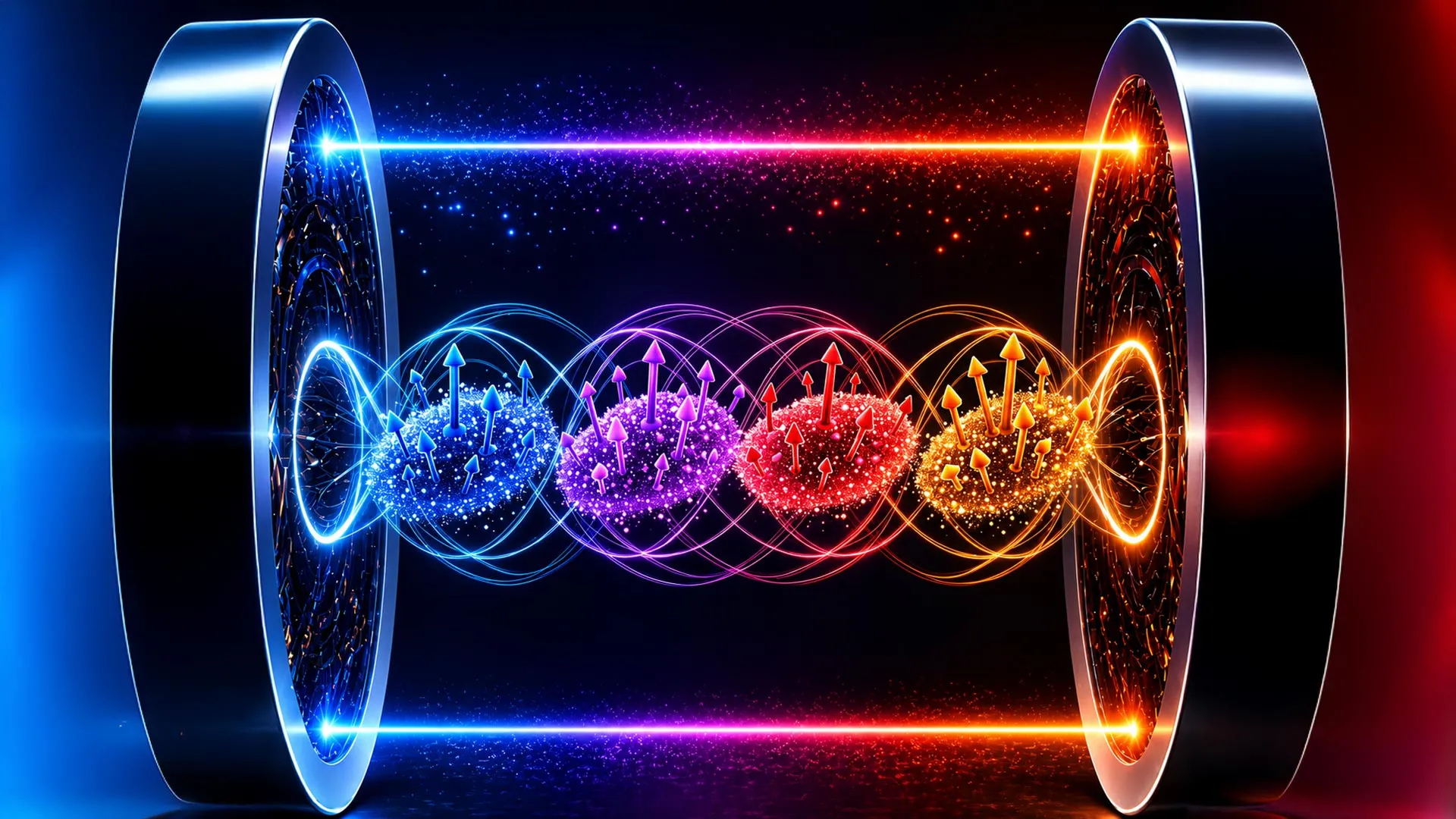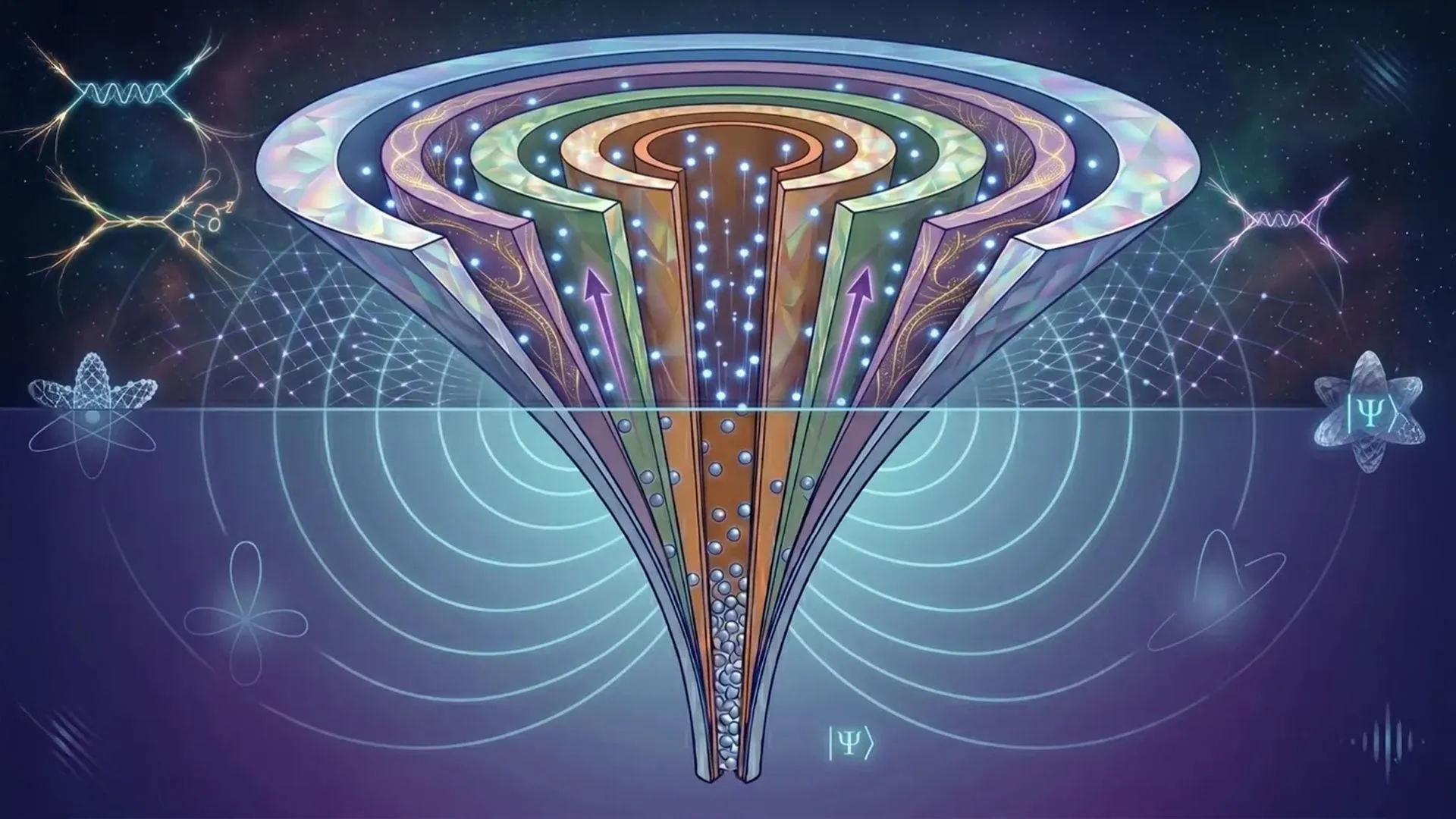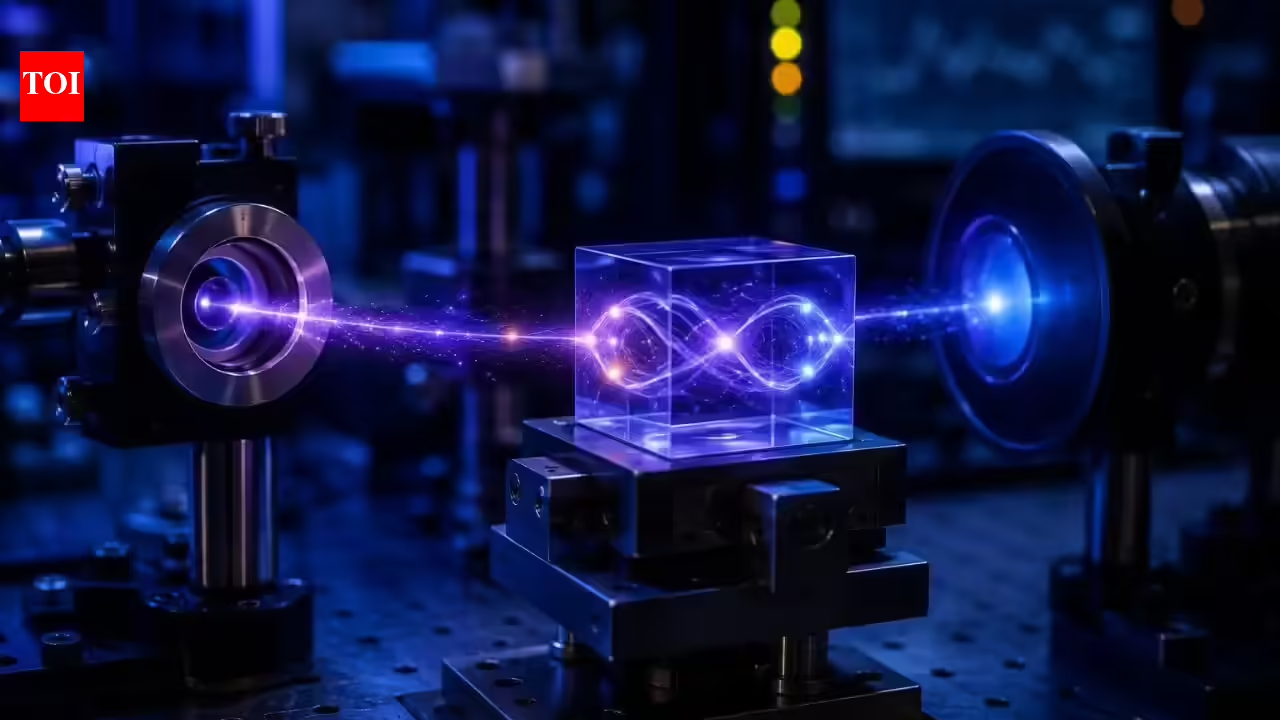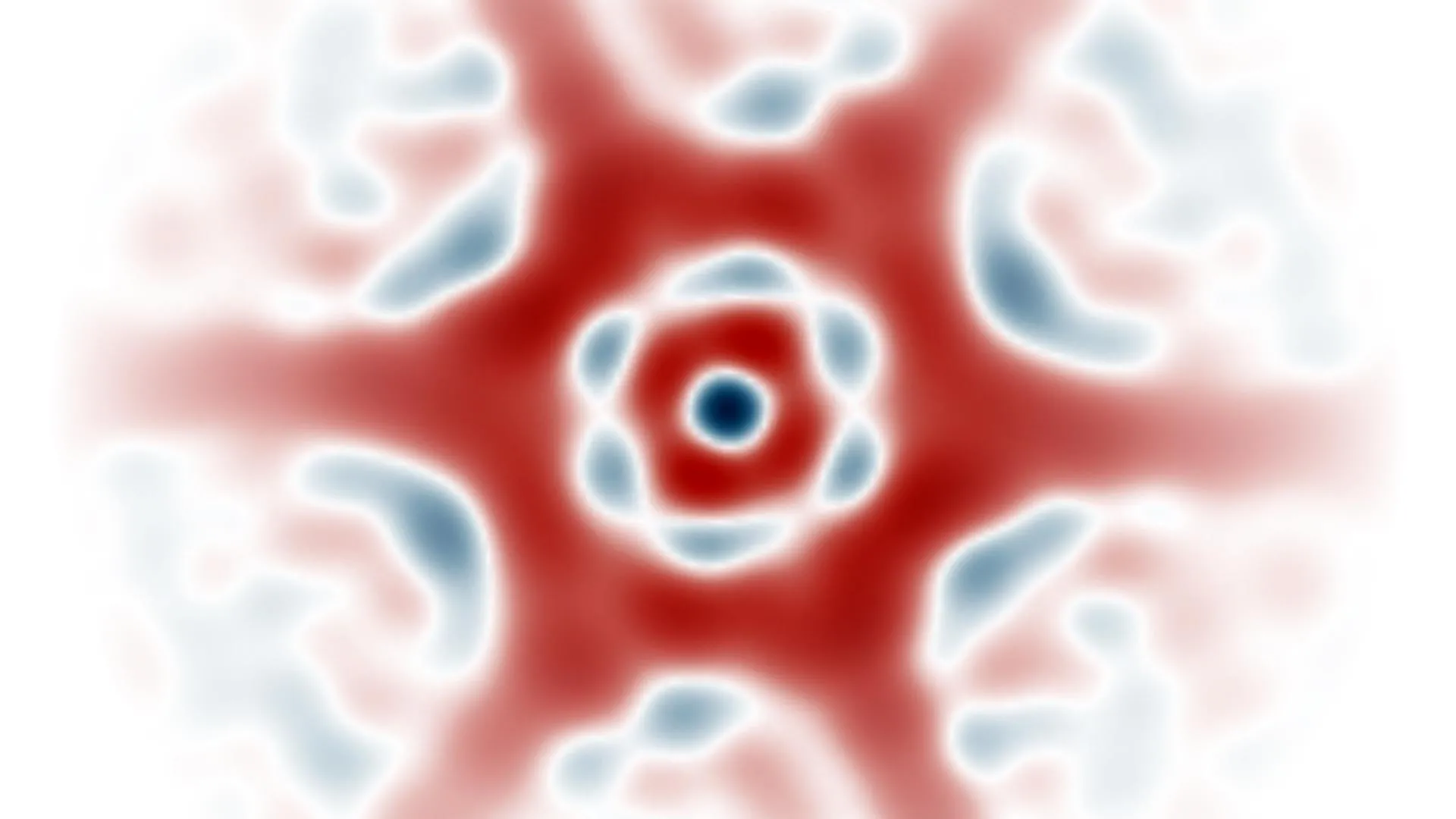
Researchers at the University of Oxford have created a new type of quantum superposition, a phenomenon often associated with the famous Schrödinger's cat thought experiment. Unlike previous versions, these newly demonstrated states are built from highly nonclassical quantum components. The achievement could help advance quantum computing beyond traditional binary systems, improve sensing technologies, and provide new insights into the foundations of quantum physics.
One of the most surprising features of quantum mechanics is that objects can exist in multiple states simultaneously. This concept is commonly illustrated by Schrödinger's cat, a hypothetical cat that is considered both alive and dead until it is observed.
While the thought experiment is fictional, scientists routinely create real quantum superpositions in the laboratory. Atoms, light, and even motion can be placed into multiple quantum states at once. The ability to generate and control these states is critical for technologies such as quantum computers and ultra-precise clocks.
A familiar example is a quantum bit, or qubit, which can exist in a combination of both 0 and 1 at the same time. However, quantum systems are capable of much more than two-state behavior.