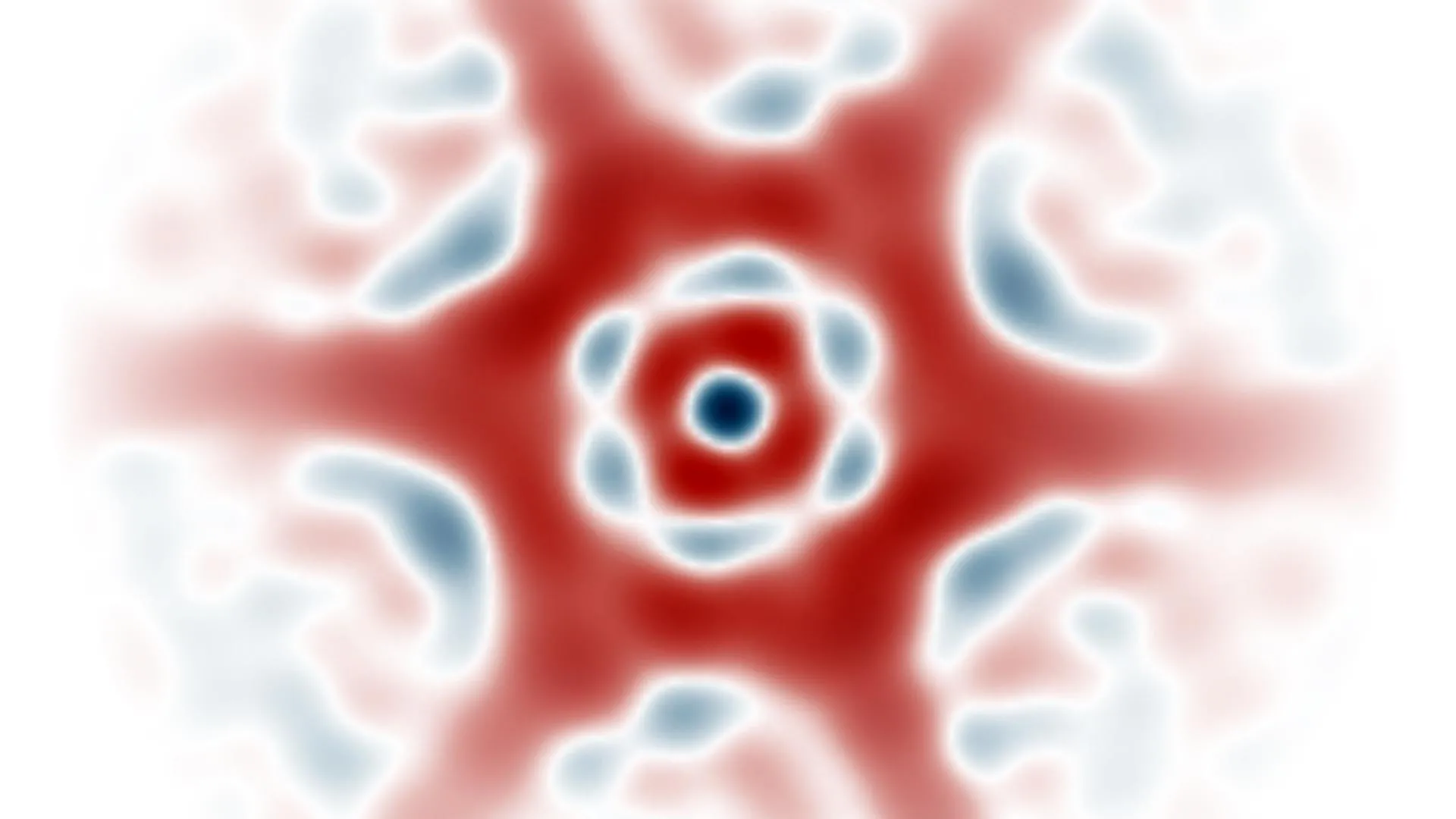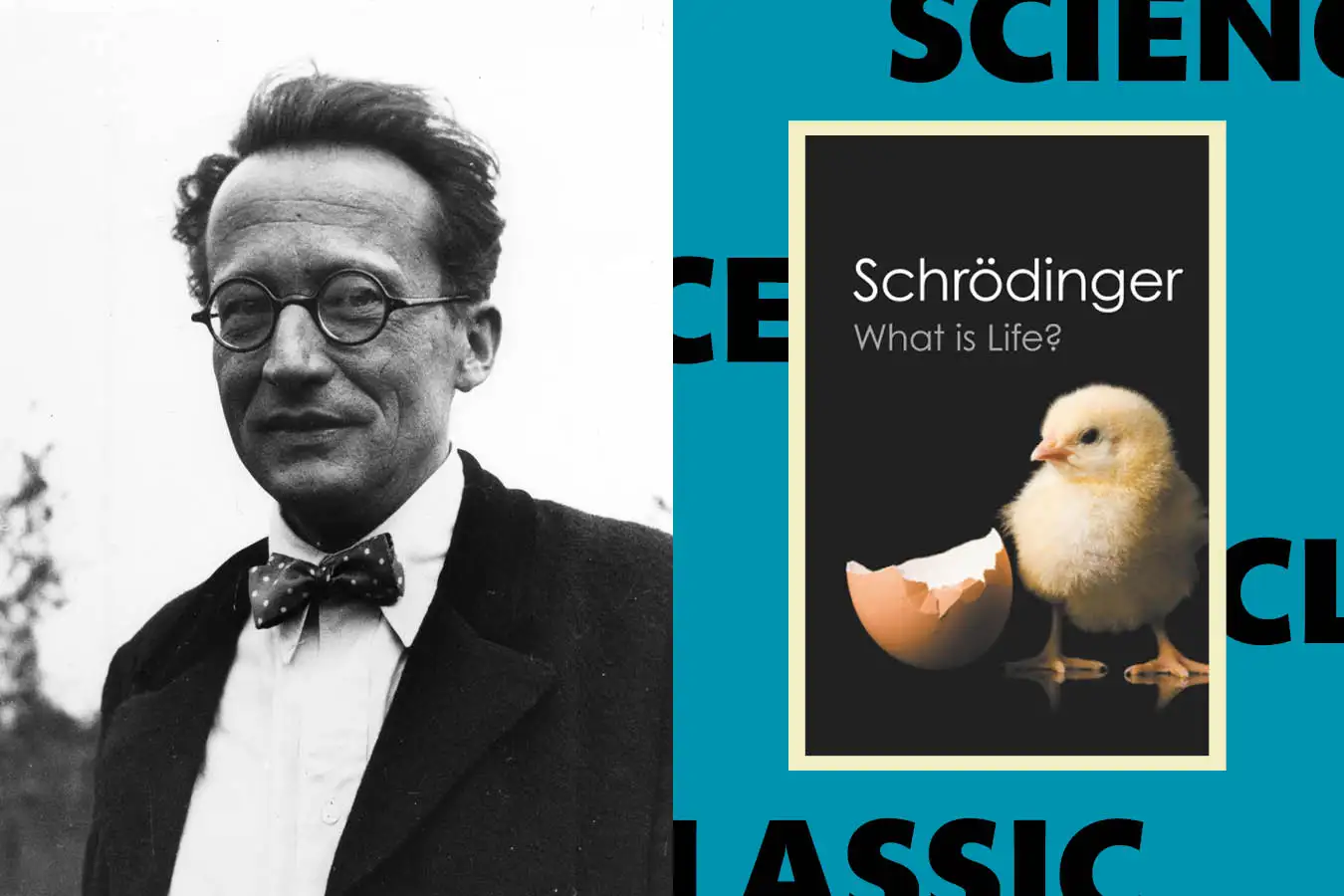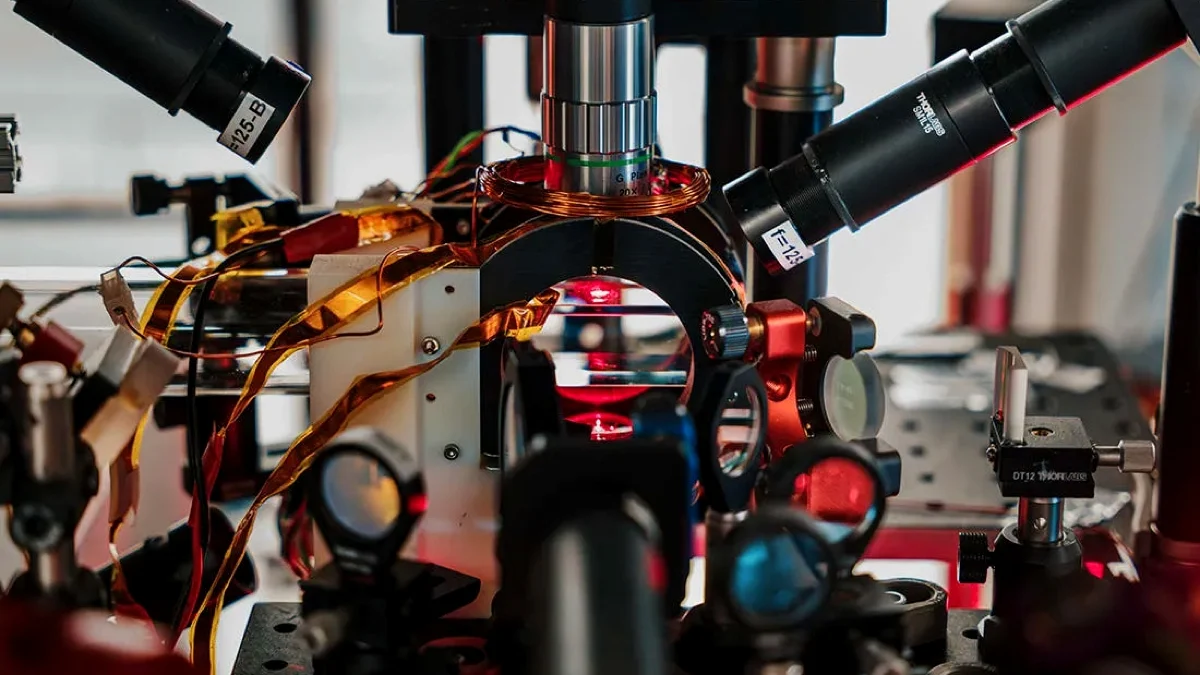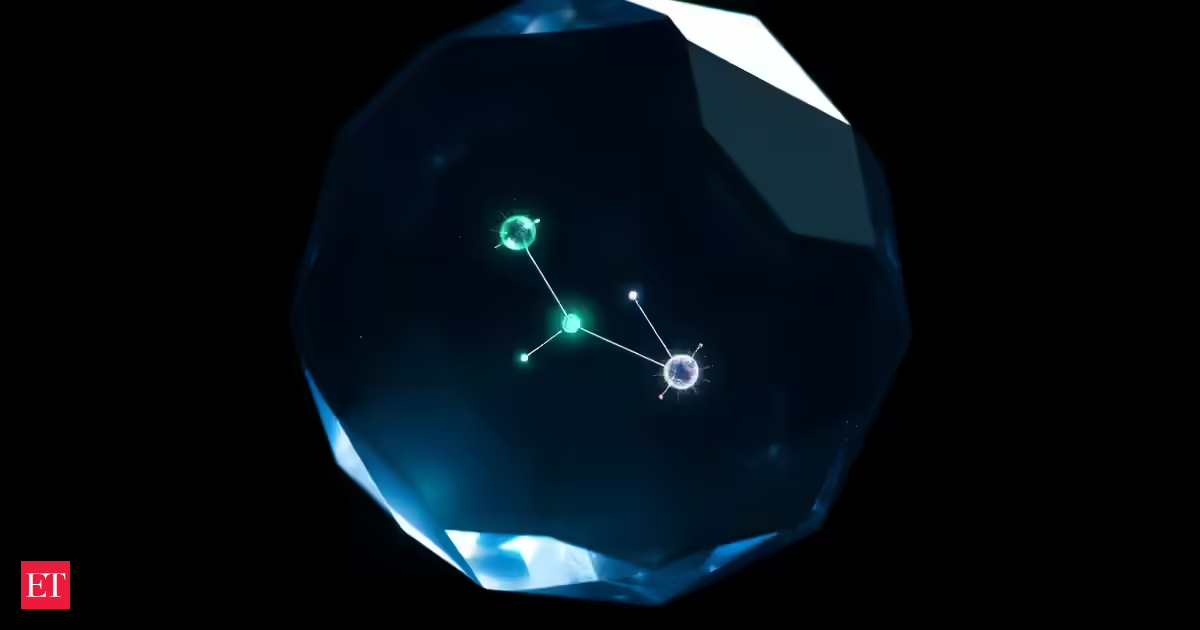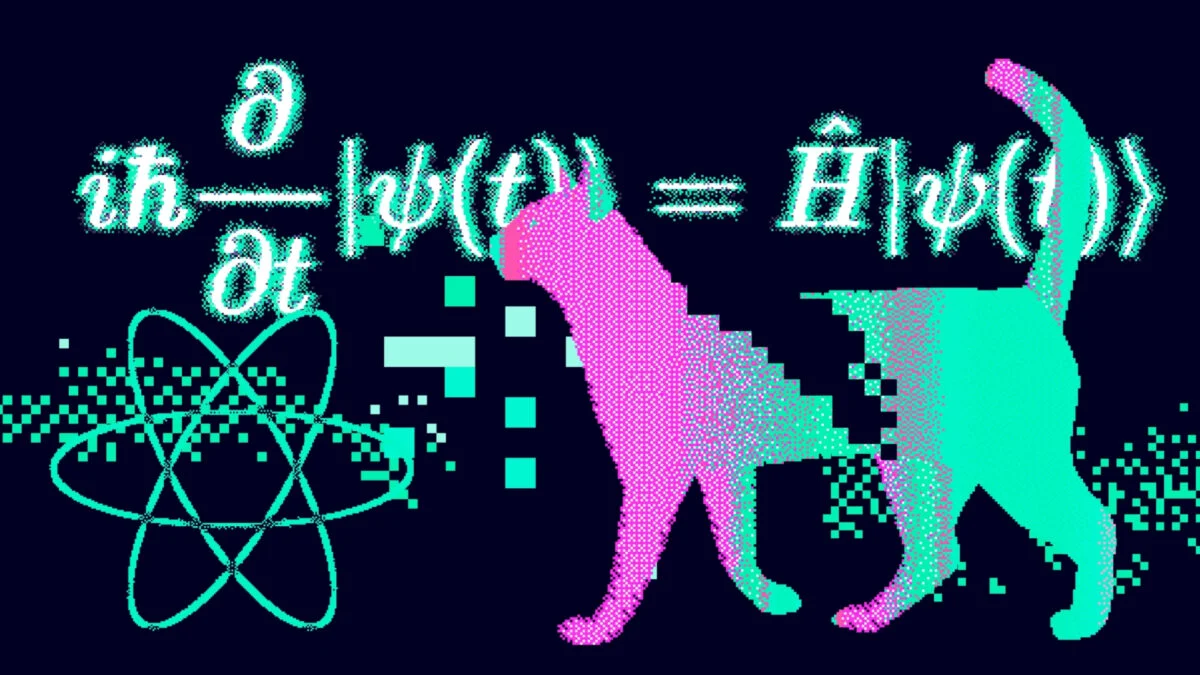
In an iconic thought experiment, Austrian physicist Erwin Schrödinger imagined a cat that could be dead or alive—a clever analogy to the quirkiness of quantum superpositions. Nearly a century after Schrödinger’s cat, physicists have created a new family of exotic “cat states” in the quantum realm. Quantum superpositions refer to how quantum systems can exist in more than one state at the same time. The act of observation determines the system’s “final” state, so to speak. In a recent Physical Review X paper, physicists report the development of a new way to create and control quantum superpositions in the motion of a trapped ion system. As a result, the team created a variety of states with “distinctive interference patterns, rotational symmetry, and clear signatures of nonclassical behavior,” study lead author Sebastian Saner told Gizmodo. In other words, physicists built an expanded family of quantum superposition based on exotic quantum states. What’s more, the new method gives researchers a greater degree of freedom in working with the quantum world.
“Even though physicists have been thinking about quantum superpositions for more than a century, we are still finding new ways to create, control, and understand them,” said Saner, physicist at Oxford University in the U.K. Either or neither According to an explainer by the California Institute of Technology, Schrödinger intended the cat experiment to “demonstrate what he saw as the absurdity of quantum science.” Indeed, there’s something odd about the idea of anything—never mind a cat—being dead and alive at the same time, just because we can’t “see” and confirm it’s either one.