Get the latest news and updates from Dawn
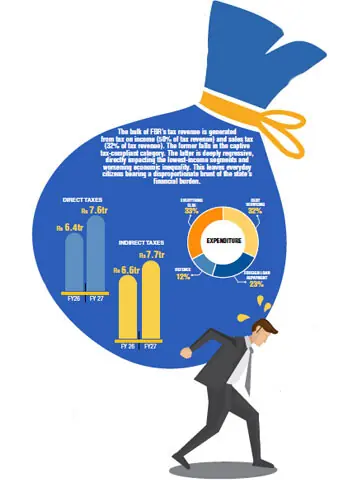
The budget serves as a reminder that the vast majority of Pakistanis in the middle of the social spectrum will continue to bear the cost of government missteps and the inefficiencies of inadequate physical and social infrastructure providers, in addition to the fallout of the volatile global situation and tensions with Afghanistan. In the fiscal year ahead, their relentless struggle to make ends meet and to provide a decent life for their families will remain all-consuming.
The proposed budget offers the salaried class a modest three to five per cent reduction in tax liability, applicable only for those earning at least three times the taxable monthly income threshold of Rs50,000. While the relief may be meaningful for its beneficiaries, excluding poor and lower-middle-class taxpayers, who arguably need support even more, is difficult to justify.
Unless policymakers attach value to retaining a larger number of lower-income taxpayers in the tax net, the rationale of this exclusion remains unclear.
Pakistan’s income tax compliance remains dismally low. A wide gap persists between the number of registered taxpayers and those who actually pay taxes. By some estimates, fewer than 5pc of adults in Pakistan pay income tax. Enforcing compliance is challenging in a cash-dominated economy with a vast informal sector and limited documentation.