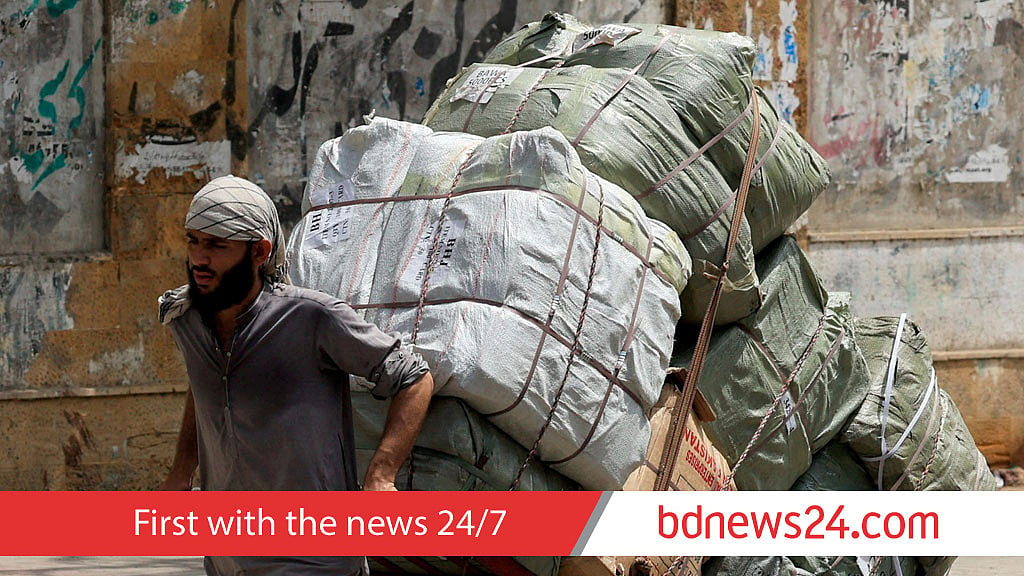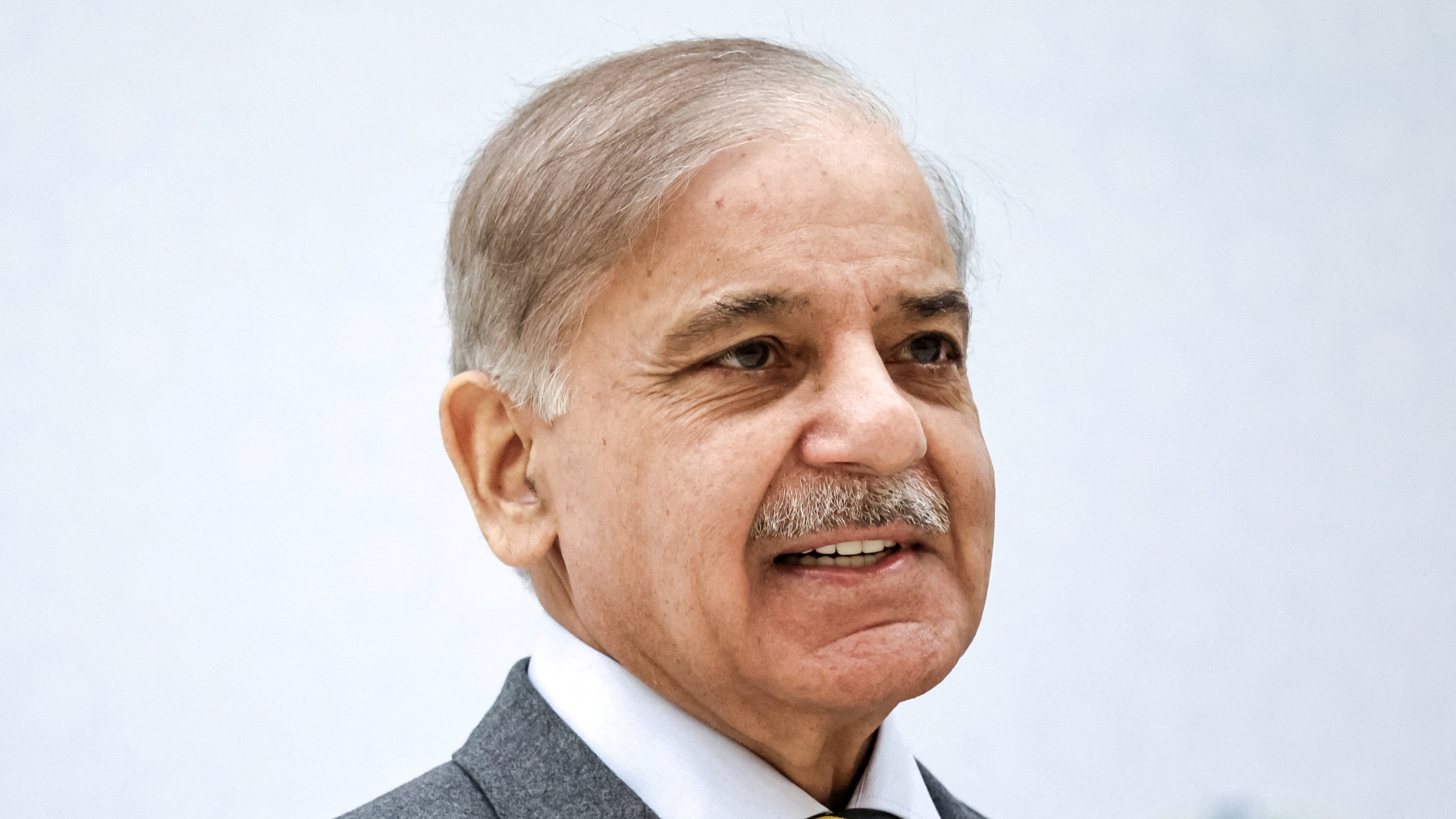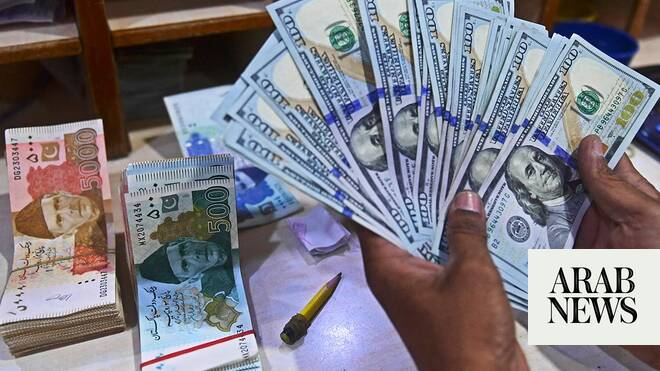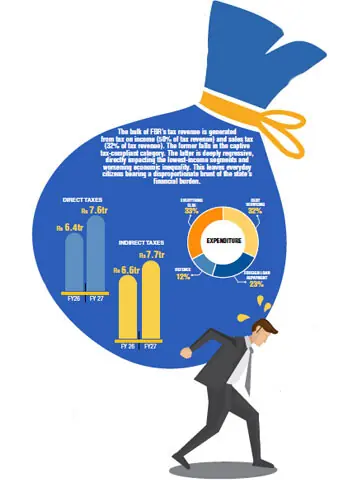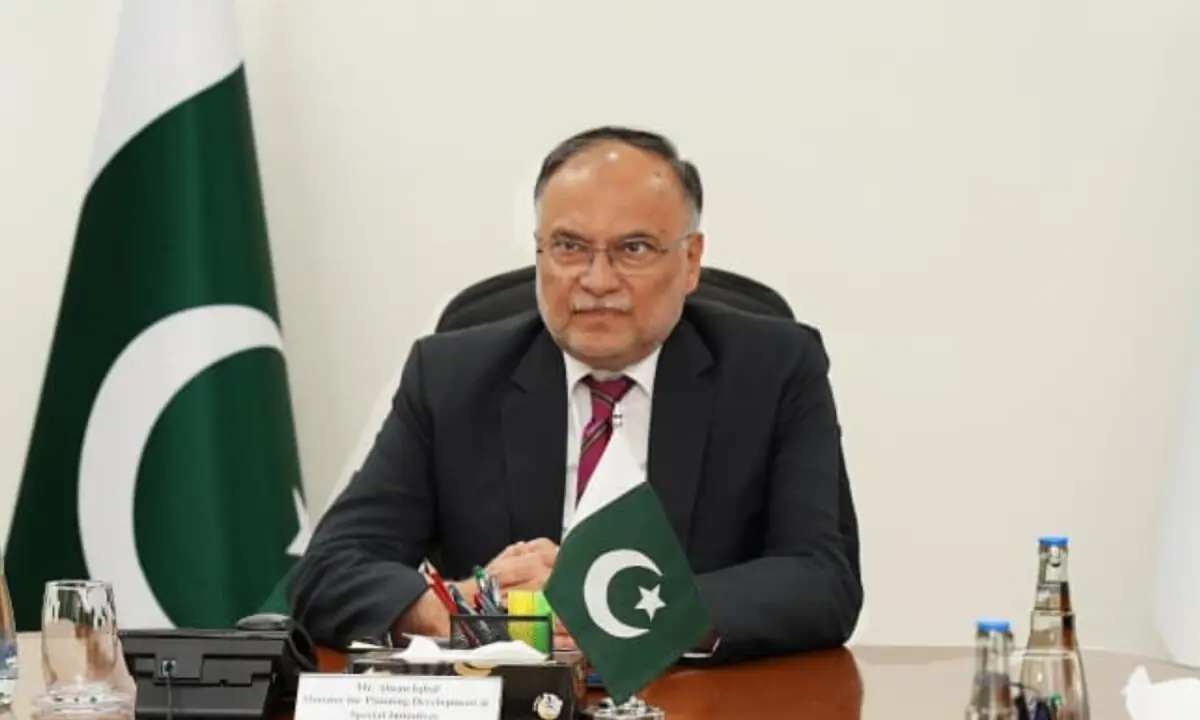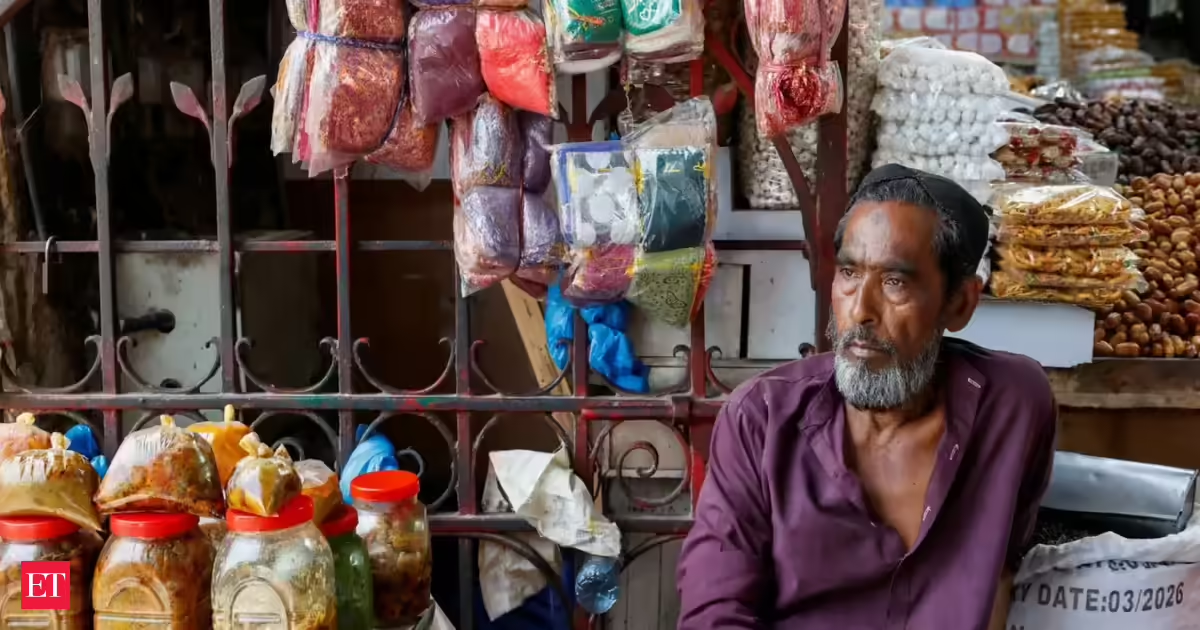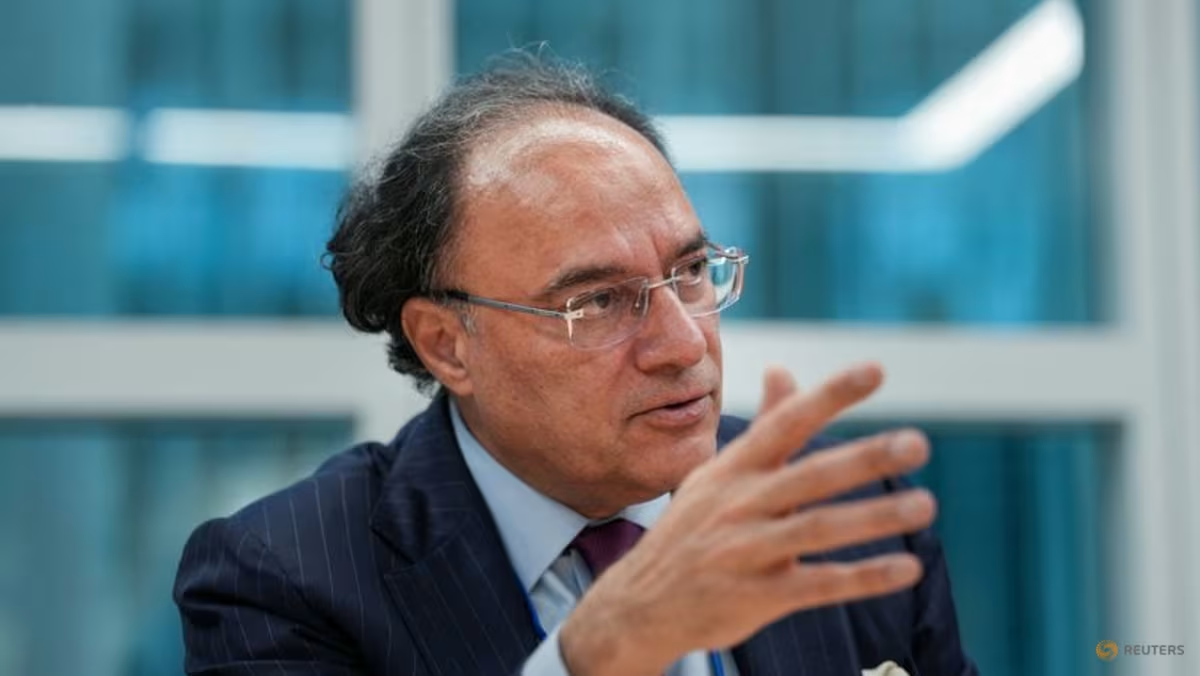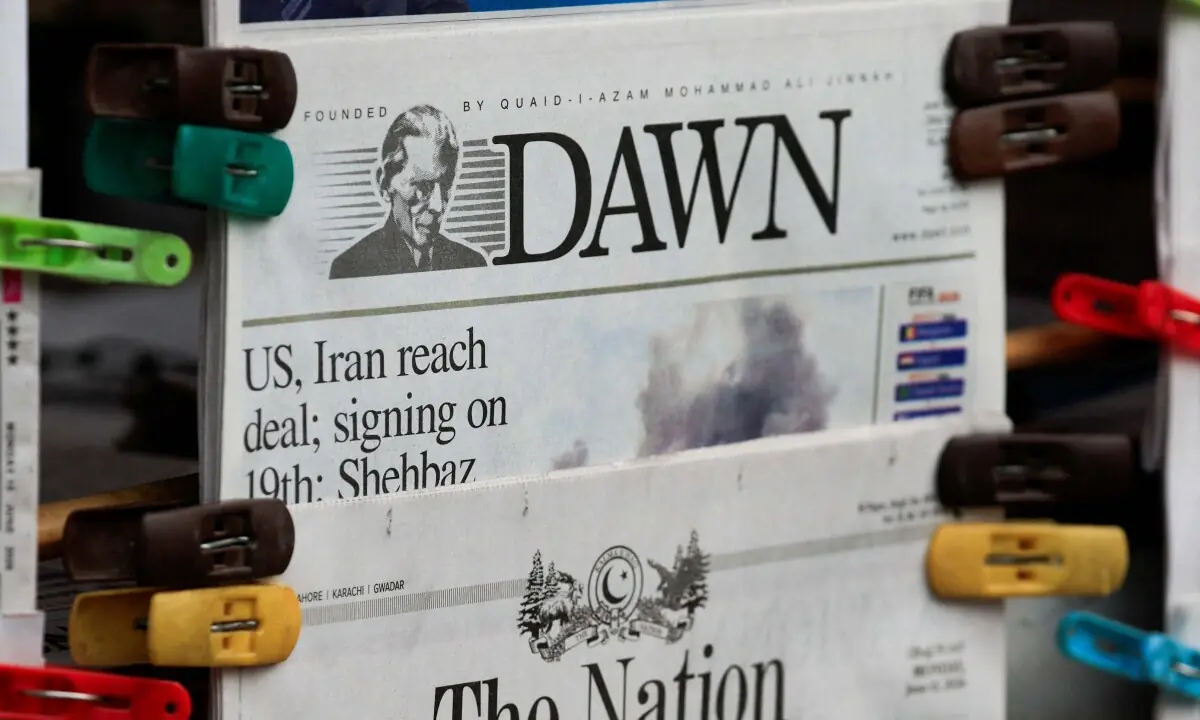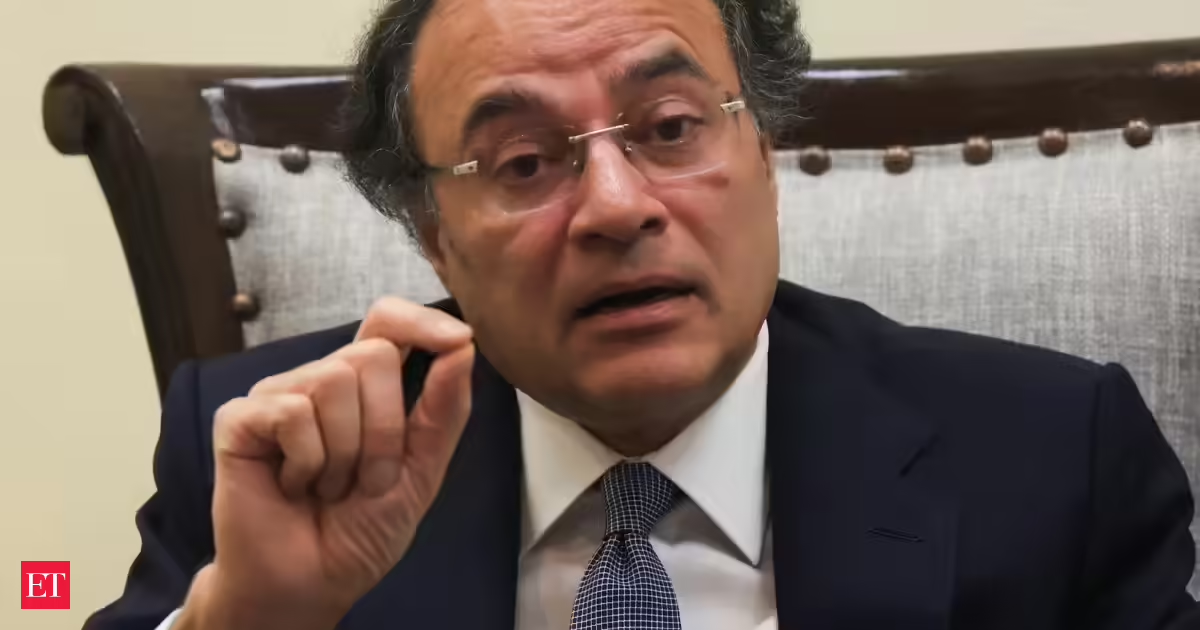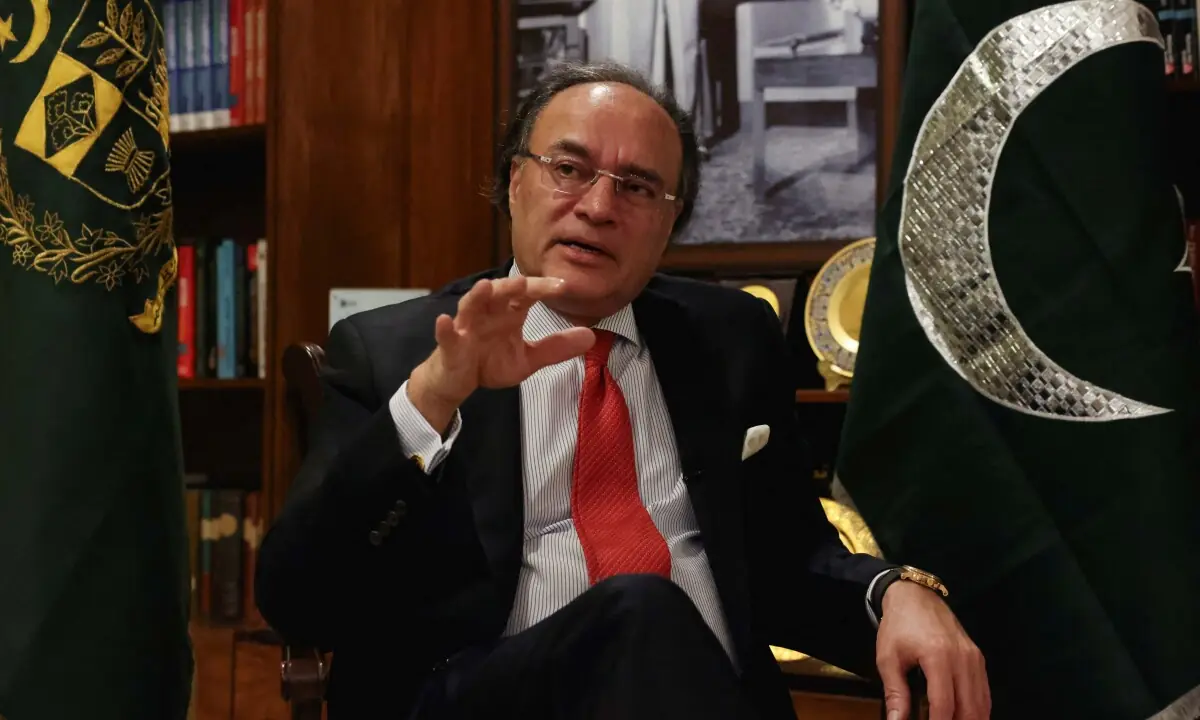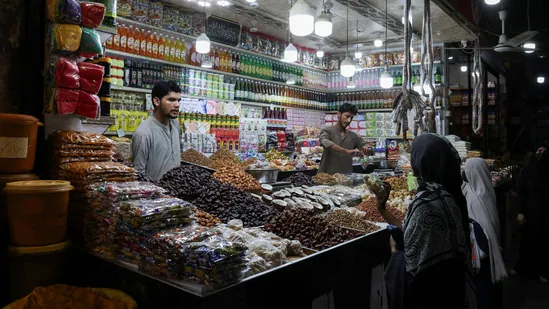
The Iran-US war has taken a toll on already battered economy of Pakistan with the middle class bracing for more shocks as the government is set to propose a budget on Friday.Shopkeepers serve customers at a dry fruit and grocery shop in Karachi, Pakistan. (Photo for representation) (REUTERS)The fresh budget, for the next fiscal year starting next month, is likely to impact the middle class and registered businesses as it seeks to raise revenue and cut spending while shielding the nation's poorest, news agency Reuters reported, adding that Pakistani finance minister Muhammad Aurangzeb will submit a delayed 17.1-trillion-rupee ($61-billion) budget tomorrow. Track latest updates on Iran US warFuel prices have risen as a result of the Iran-US war that started with Israel and the US launching coordinates strikes on Iran on February 28. While the fighting was halted with a temporary truce on April 8, uncertainty kept the oil prices on an uptick as negotiations failed to calm the tempers.The rise oil prices triggered by the war has pushed Pakistan's inflation back to double digits just as the economy had appeared to be finding its footing.Iran and the US resumed strikes again on Wednesday.What experts sayThe burden of higher fuel and power costs and taxes will fall largely on formally registered businesses and salaried workers in the South Asian nation, as politically powerful sectors such as agriculture, retail and real estate remain difficult to tax, Reuters quoted experts as saying.Also read: ‘Arrogance', ‘nepotism’: Why is Abhishek Banerjee, not Mamata, the main problem of TMC rebels"The government's hands are tied as it will once again prioritise fiscal consolidation over economic growth," Mustafa Pasha, chief investment officer at Lakson Investments, was quoted as saying by Reuters."To achieve its targets, the government will have to crack down on non-filers, agriculture and traders," Pasha added. “But the political will to materially expand rather than deepen the tax net is missing.”Pakistan's dependence on Gulf for oilWhile Pakistan is pushing hard to finalise a peace deal between Iran and the US by positioning itself as the mediator, its economy remains vulnerable owing to its dependence on Gulf energy imports, remittances and financing support from the region, Ahmad Mobeen, principal economist at S&P Global Market Intelligence, told Reuters.The government is aiming for fiscal 2026-2027 economic growth of 4.1%, up from this year's projected 3.7% and above the IMF's 3.5% forecast, and is targeting 8.2% full-year inflation, well below the 11.7% reported for May.Also read: Three days, three attacks: How Indian-crewed vessels got caught in fresh US-Iran crossfireBut business confidence was the lowest in May since S&P began its manufacturing survey last year, while input costs hit a 21-month high and employment fell for a second month. The central bank raised interest rates by a percentage point in April, its first increase in almost three years.Pakistan's government is pressing the Federal Board of Revenue to raise next year's tax collections to 37% above the target for this year - which the agency is set to miss.Higher income taxes to hit middle classAs the Pakistani middle class is already grappling with two years of inflation, a higher income tax is likely to further crush the purchasing power. The extensive unofficial economy keeps much of Pakistan's cash beyond the FBR's reach: just 1.3% of Pakistanis filed returns showing taxable income last year, and just 7.7% of adults hold a debit or credit card.The number of tax filers has risen, but revenue has not kept pace.Without taxing agriculture, real estate and retail, "the fiscal deficit may narrow, but the trust deficit between citizens and the state will widen", said Abid Suleri, executive director of the Sustainable Development Policy Institute.Also read: ‘Salary decent, but…’: CBSE OSM whistleblower Nisarga says IIT Kanpur pay is less than what he expectedSpending on economic development is feeling the squeeze: Planning Minister Ahsan Iqbal said no new projects would be launched in the coming year except for defence and interior policies.The budget is expected to protect the poorest citizens by providing them with cash transfers.The delay in budgetThe budget presentation has been delayed by a week's time, though the government has not explained what led to it. However, Reuters quoted sources saying the delay caused as the government was trying to resolve some issues with the IMF, including on funds to be relinquished by the provinces for federal spending.The global lender said last month that Pakistan had agreed to target a budget surplus of 2%, excluding debt-service payments, for the coming fiscal year."Traditionally, IMF programmes have been used as political cover for unpopular measures," Waseem said. “This is unlikely to change.”
Iran-US war adds to Pakistan's woes as middle class braces for Sharif govt's budget shock
The fresh budget is likely to hit the middle class and registered businesses as it seeks to raise revenue and cut spending while shielding the nation's poorest. | World News
764 words~3 min read