Get the latest news and updates from Dawn
For much of the four years, Pakistan’s fiscal budgets have been defined by one overriding objective: stabilisation. Under the International Monetary Fund (IMF) programme, the government seems to have no choice other than to focus on fiscal consolidation, external sector stability and revenue mobilisation. But after a long stretch of austerity, there finally appears to be a signal that the stabilisation phase is finally behind us and the economy is ready to transition into the growth phase.
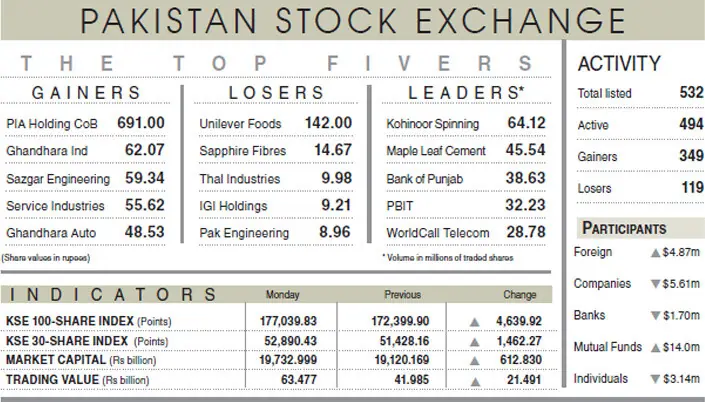
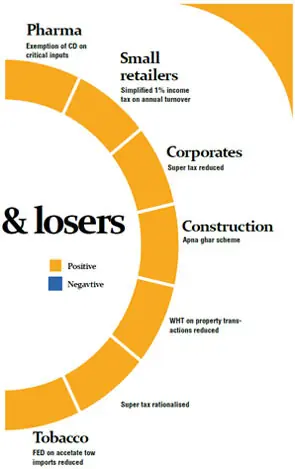
From a capital markets perspective, the budget is relatively uneventful with no major changes to the taxation of equities or investment income. However, the reduction in super tax for most sectors is set to provide a meaningful boost to corporate profitability in the listed and unlisted space. While the benefit excludes sectors such as banks, fertilisers and oil exploration companies, the impact can still be significant for companies operating in other sectors. Based on the State Bank of Pakistan’s unconsolidated financial data of non-financial listed companies, 216 listed companies can be expected to benefit from a reduction in super taxes (excluding the ones that are not profitable).