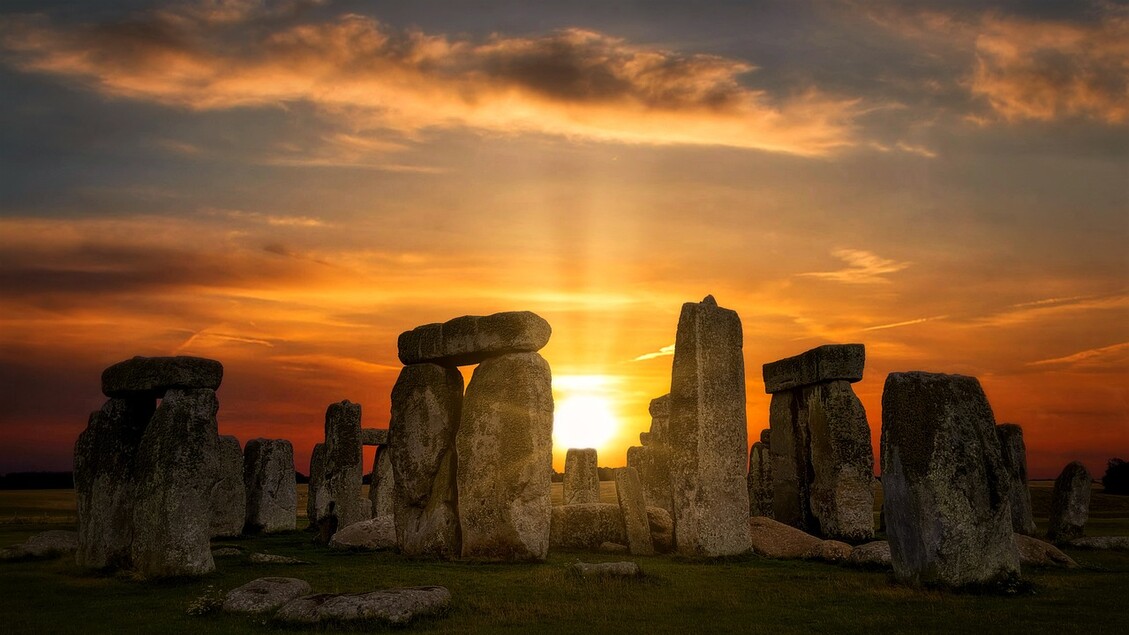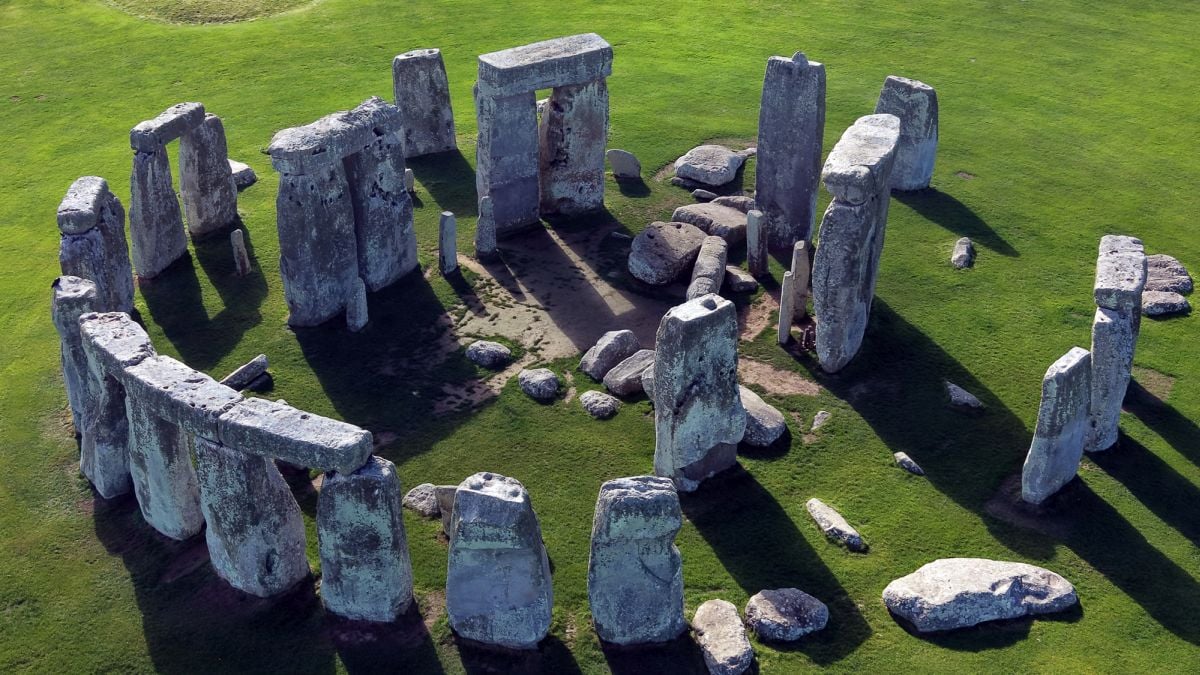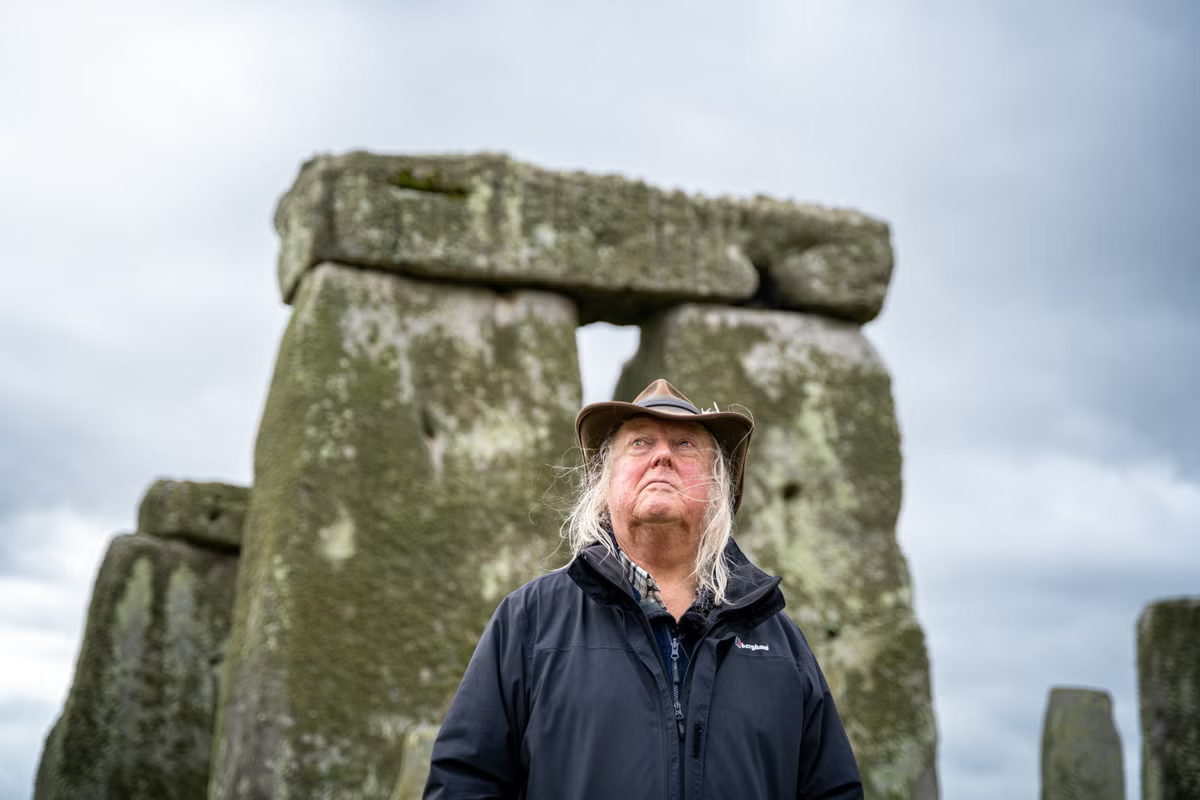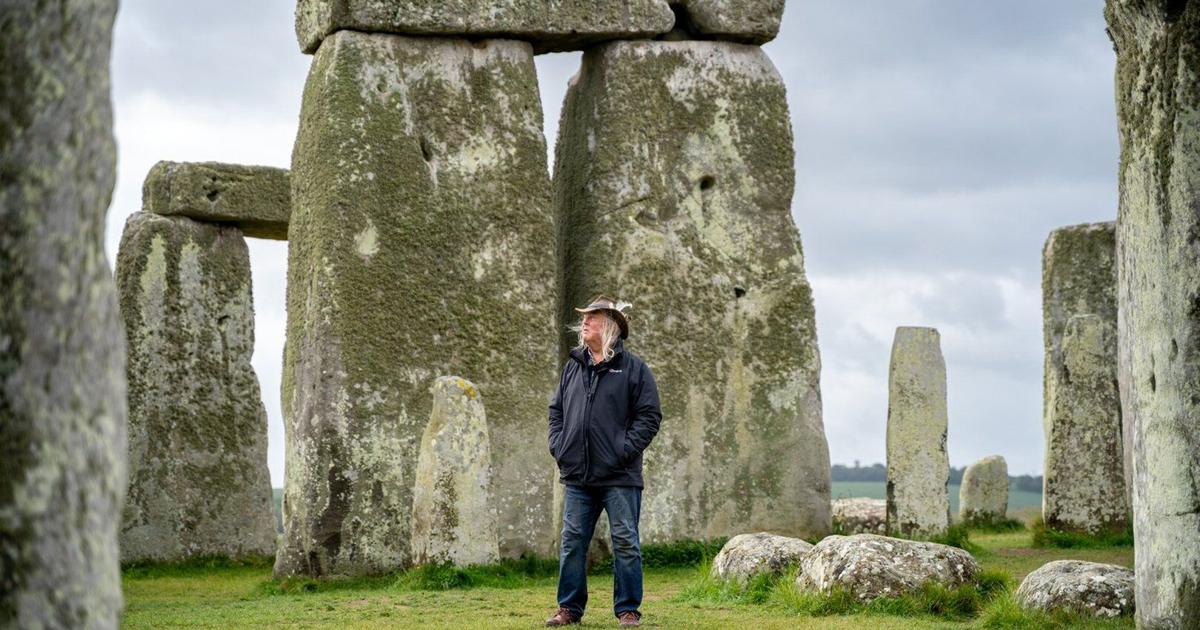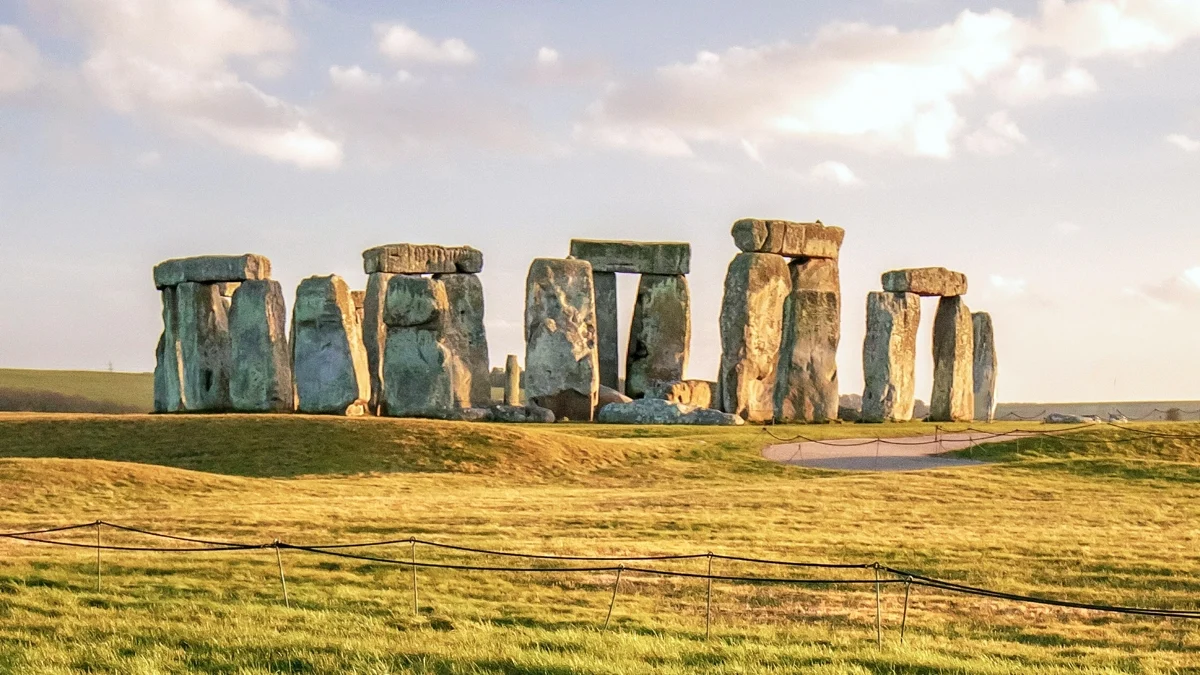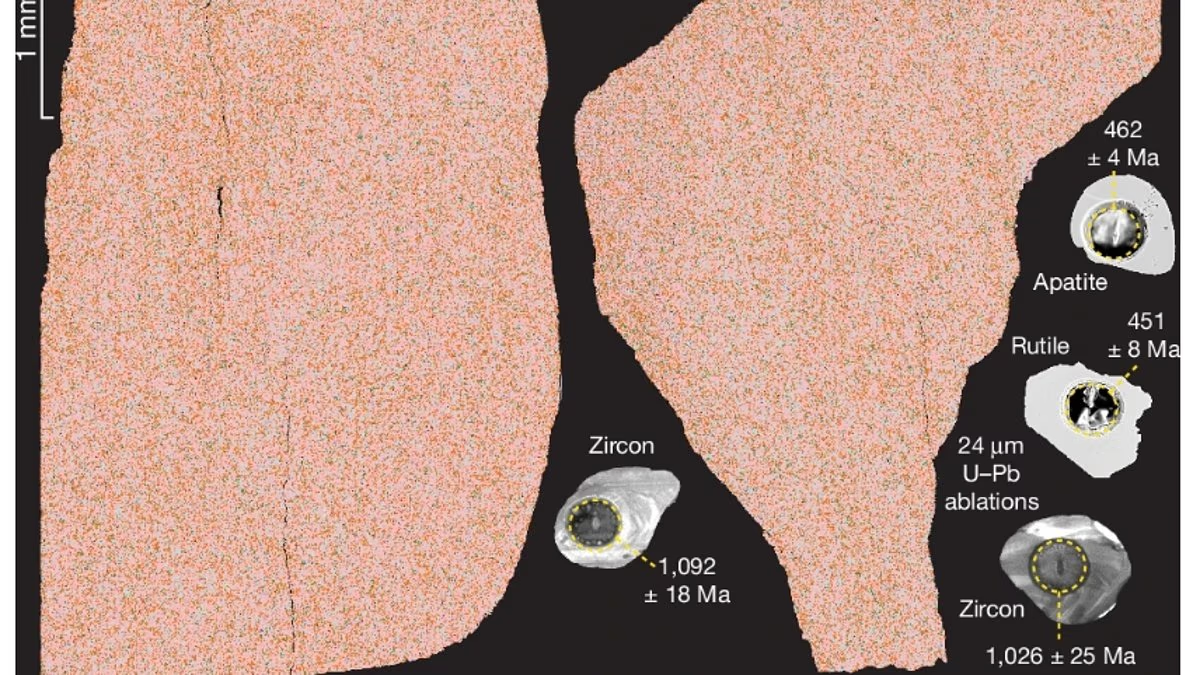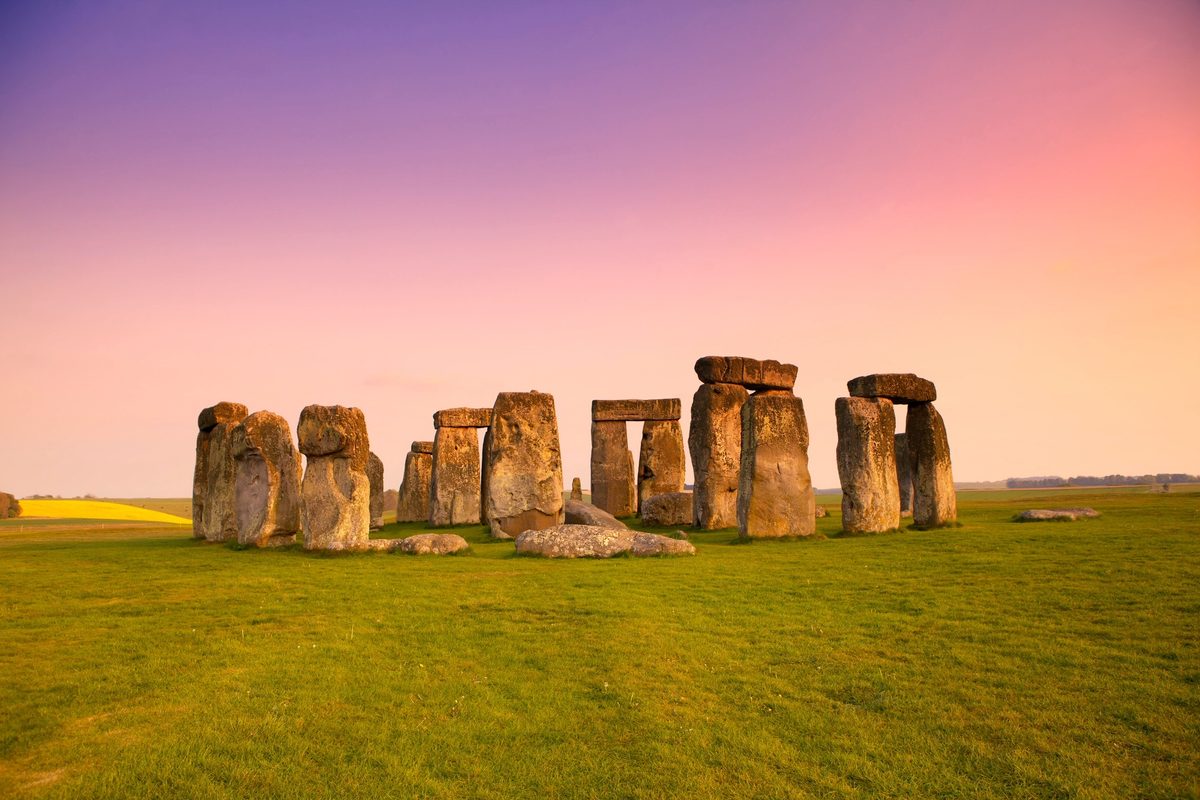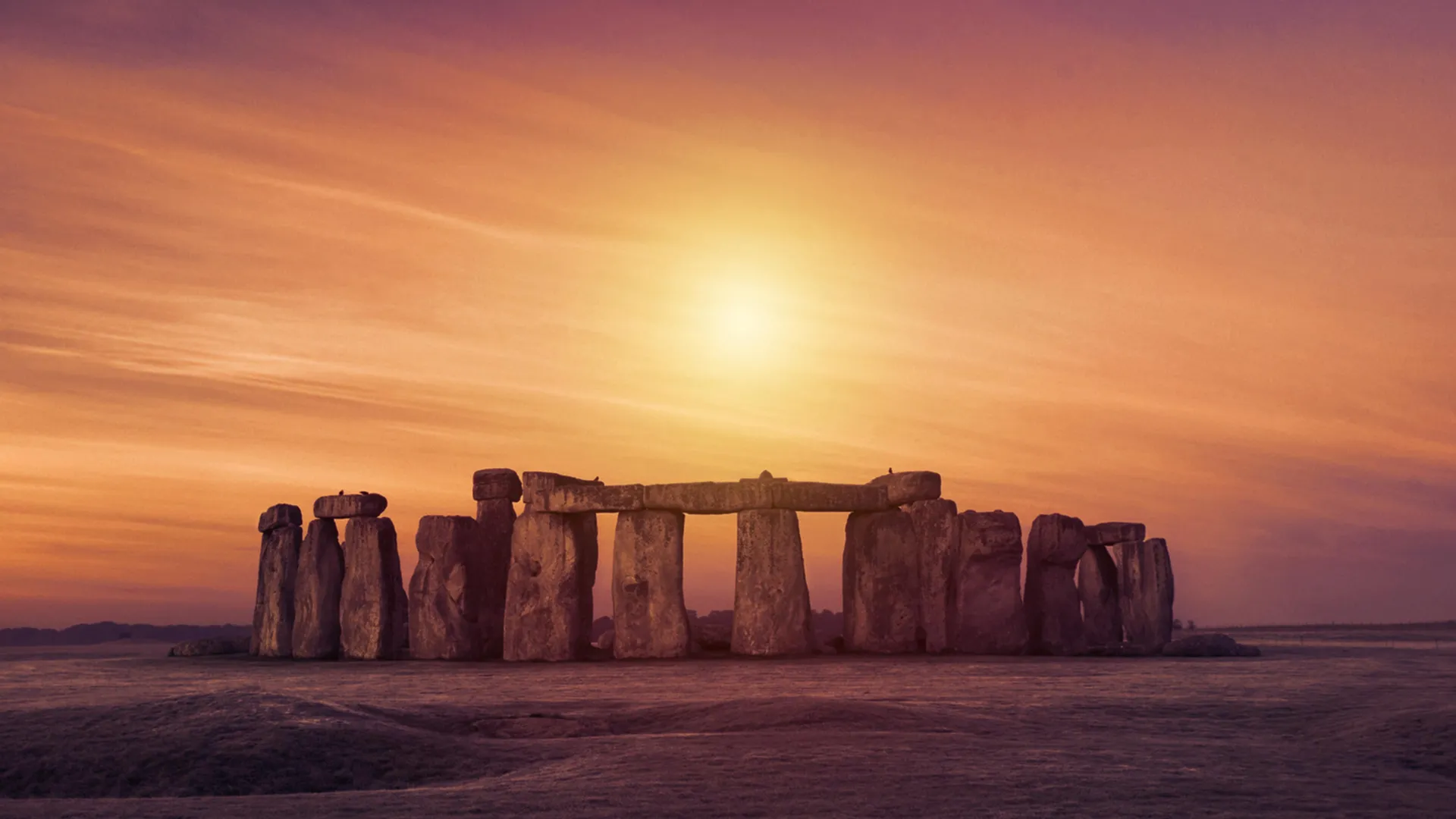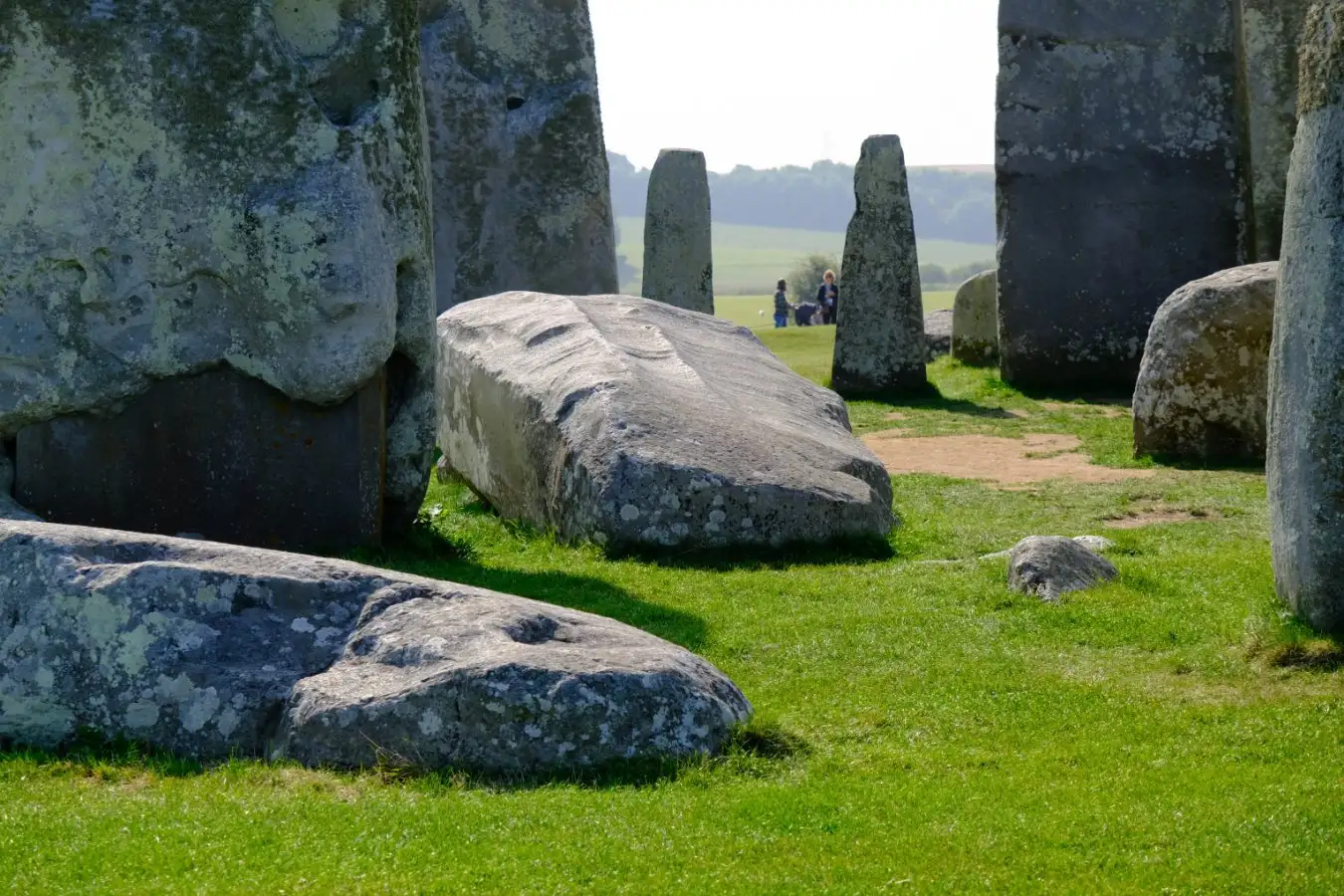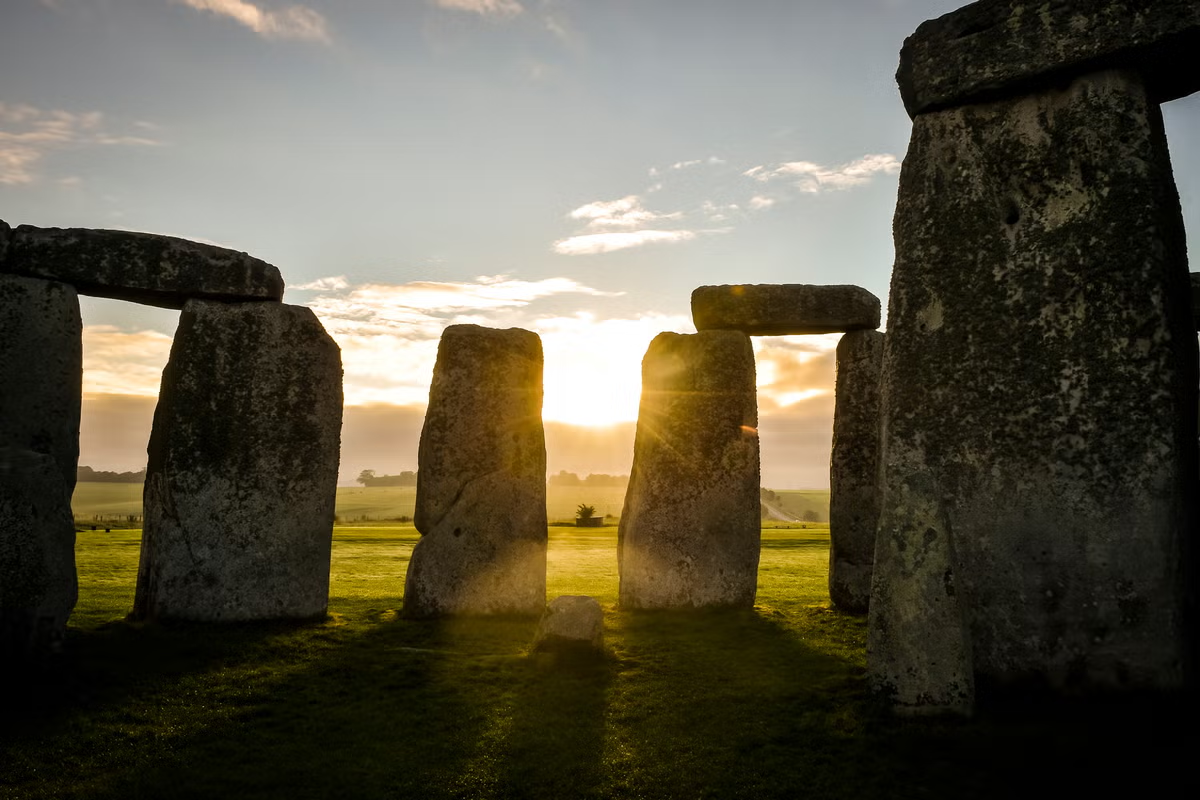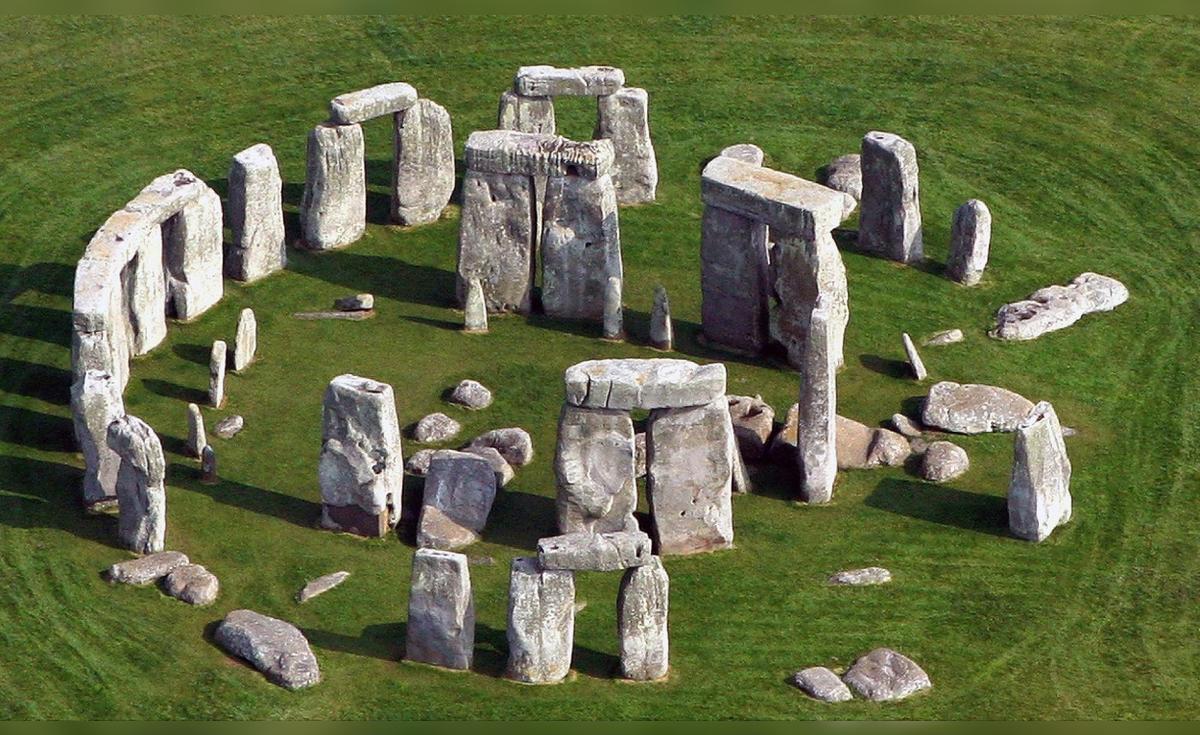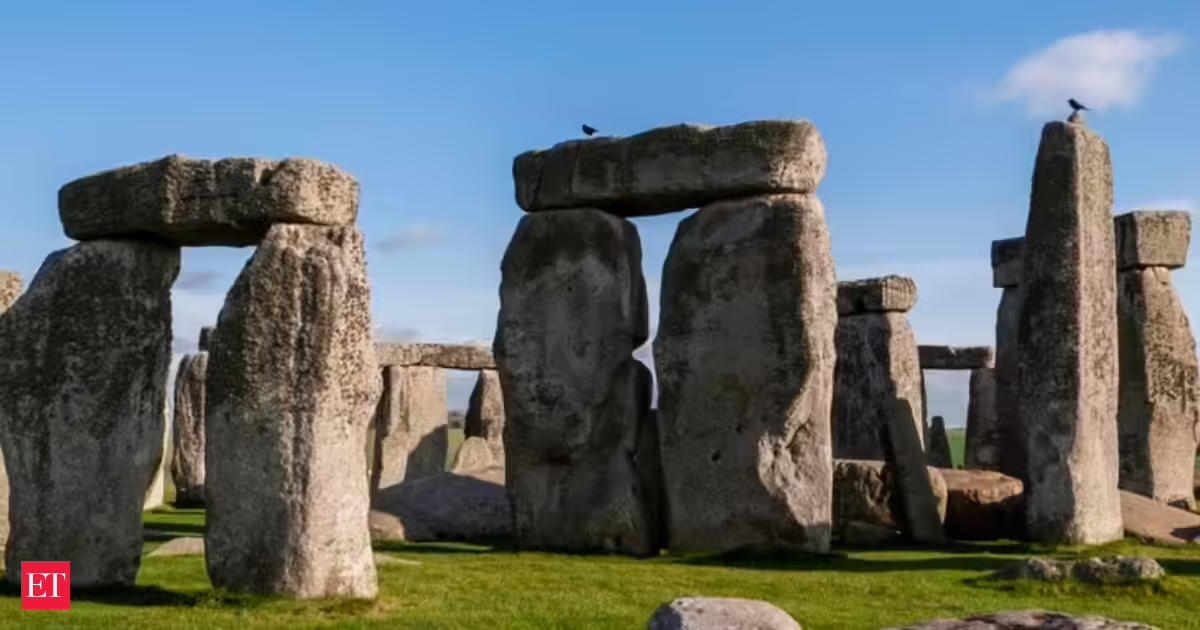
If you ever wondered how the ancients moved massive rocks across whole countries without the benefit of trucks, cranes or even wheels, you are not alone. Stonehenge's famous Altar Stone, a sandstone slab weighing six tons, standing at the center of the monument, is believed to have been transported to Salisbury Plain some 5,000 years ago after a journey of about 700 km (435 miles). How it got there, nobody could figure out.Now, according to a new study published in the Journal of Quaternary Science, scientists think part of that journey may have been aided by a glacier, with the rest attributed to sheer human determination.So did a glacier really move it?Researchers from Sheffield Hallam University in the UK and Curtin University in Australia modeled ancient flows of ice from the last Ice Age, which occurred between around 33,000 and 11,700 years ago. Their findings suggest a glacier could have transported the stone from the Orcadian Basin in north-east Scotland to the area known as Dogger Bank.If you’re picturing the North Sea as you read this, you're on the right track. Today, Dogger Bank is underwater, but in those days it was part of Doggerland, the great swathe of land that connected Britain to the rest of Europe. Since Dogger Bank has no large rocks lying around naturally, any large boulders found there would have had to be dropped off by glaciers.But the thing is, the glacier couldn't have done the whole job. The study’s models found no evidence of glacial transport reaching directly to Stonehenge, meaning long-distance human transport must have been required.This stone may have mattered to people long before Stonehenge existed. Image Credits: Wikimedia CommonsWhy this matters more than you might thinkThis isn’t just a fun fact for your next trivia night. It really changes our perspective on the people that lived in this region thousands of years ago.Dr Remy Veness, one of the study's co-lead authors from Sheffield Hallam University, pointed out that if the glacier theory is right, the people who lived on Doggerland may already have considered the Altar Stone significant long before it was ever part of Stonehenge. What other reason would they have for moving a six-ton rock, not once but possibly twice, first to prevent it from disappearing under rising sea levels at the end of the ice age and then on its final journey to Salisbury Plain?Co-lead author Dr Anthony Clarke from Curtin's School of Earth and Planetary Sciences explained that even with help from glaciers, the math still doesn’t add up entirely without human effort. The stone may have been carried partway by ice during the ice age, perhaps as far as Dogger Bank, but not into southern England. People still had to haul it hundreds of kilometers on their own.The human effort behind it allAnd this is where the story gets really good. The team did not identify a clear glacial pathway from Scotland to Stonehenge. The best guess is therefore that the stone was moved by Neolithic communities in stages, using a mix of overland routes, coastlines and rivers.Just think about that for a second. No trucks, no pulleys we would know today, just pure planning and teamwork. Moving something this big over this distance would have required serious coordination, a good knowledge of the landscape in the area and a ton of grit, Clarke noted.To put that into perspective, the Altar Stone is over 13,000 pounds and 16 feet long, the size of a small school bus, dragged over hundreds of kilometers of rough, uncharted territory.Moving six tons without wheels would have taken serious organization. Image Credits: Wikimedia CommonsWhat this means for how we see ancient BritainFor decades, the prevailing theory was that the Altar Stone, like the smaller “bluestones” at Stonehenge, came from Wales. But the idea was turned on its head when the mineral analysis of the stone traced it back to northeastern Scotland, in work led by a team of scientists from Curtin University, Sheffield Hallam University, the University of Sheffield, Wessex Archaeology and the University of Bristol.All of these findings together give us a much more connected and organized picture of prehistoric Britain than most of us learned at school. We’re talking about communities that could probably do long-distance planning, share resources, and cooperate on a large scale without writing anything down.So next time you see a photo of Stonehenge, remember that quiet stone slab in the middle may have a backstory involving glaciers, disappearing coastlines, and an ancient journey that could put most cross-country road trips to shame.
Scientists say Stonehenge’s Altar Stone may have been moved by ice, not people, rewriting part of the monument’s story
A groundbreaking study suggests that Stonehenge's Altar Stone, previously thought to have been moved solely by human effort, may have been aided by glacial transport from Scotland to England. Understanding this shift rewrites prehistoric narratives about the Neolithic people and their monumental achievements.
TL;DRAI
Stonehenge's 6-ton Altar Stone may have traveled 700km from northeast Scotland partly via glacier, with Neolithic humans hauling it the final stretch. The discovery shows prehistoric British societies possessed sophisticated coordination and long-distance planning.
757 words~3 min read