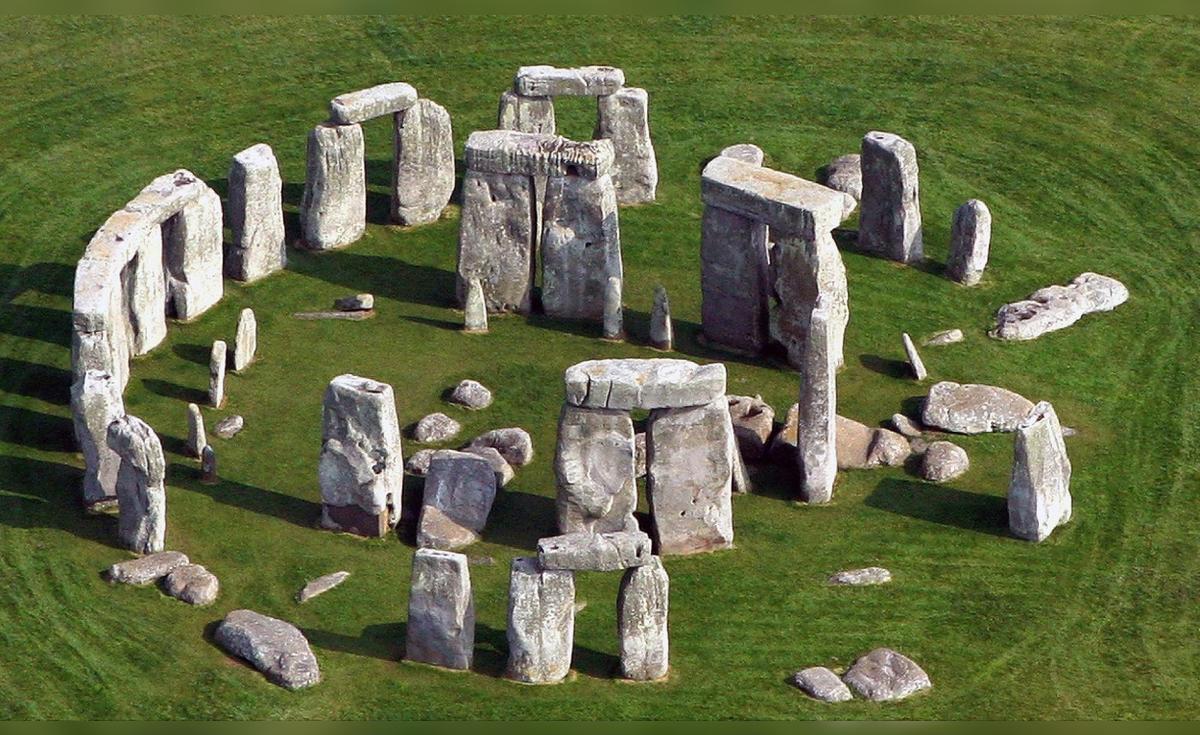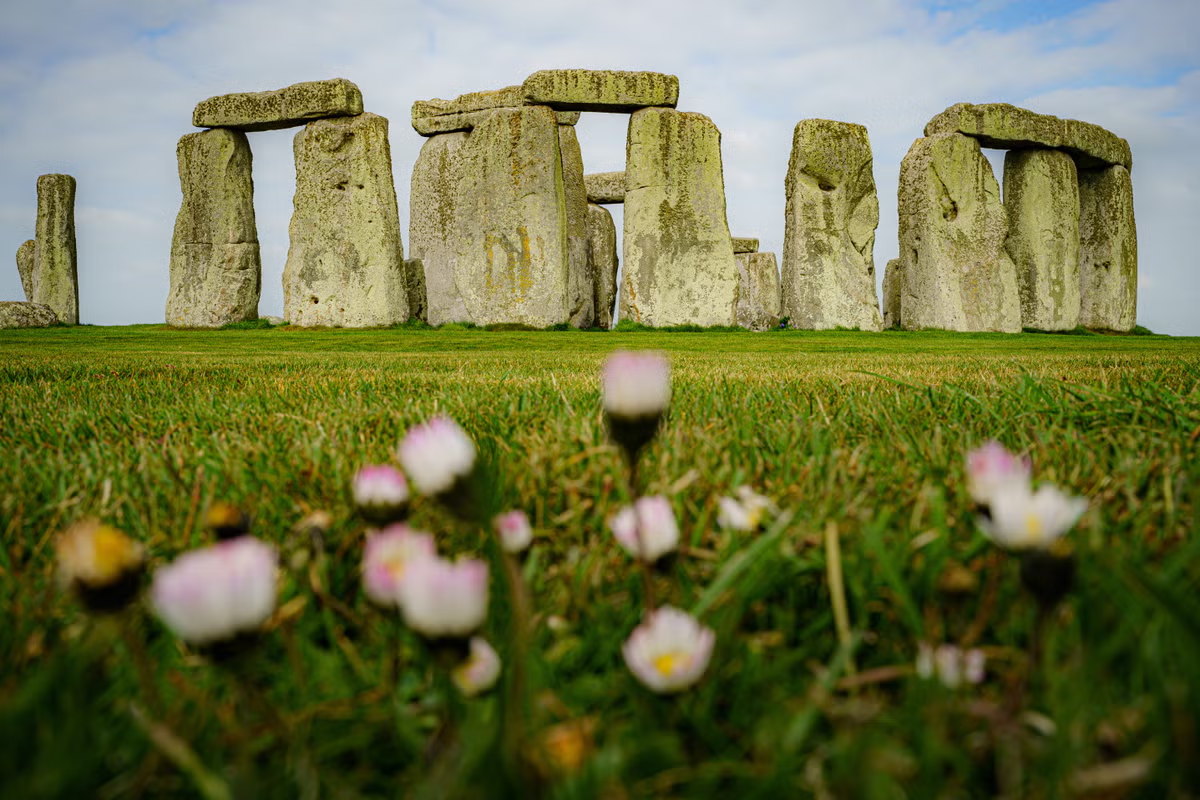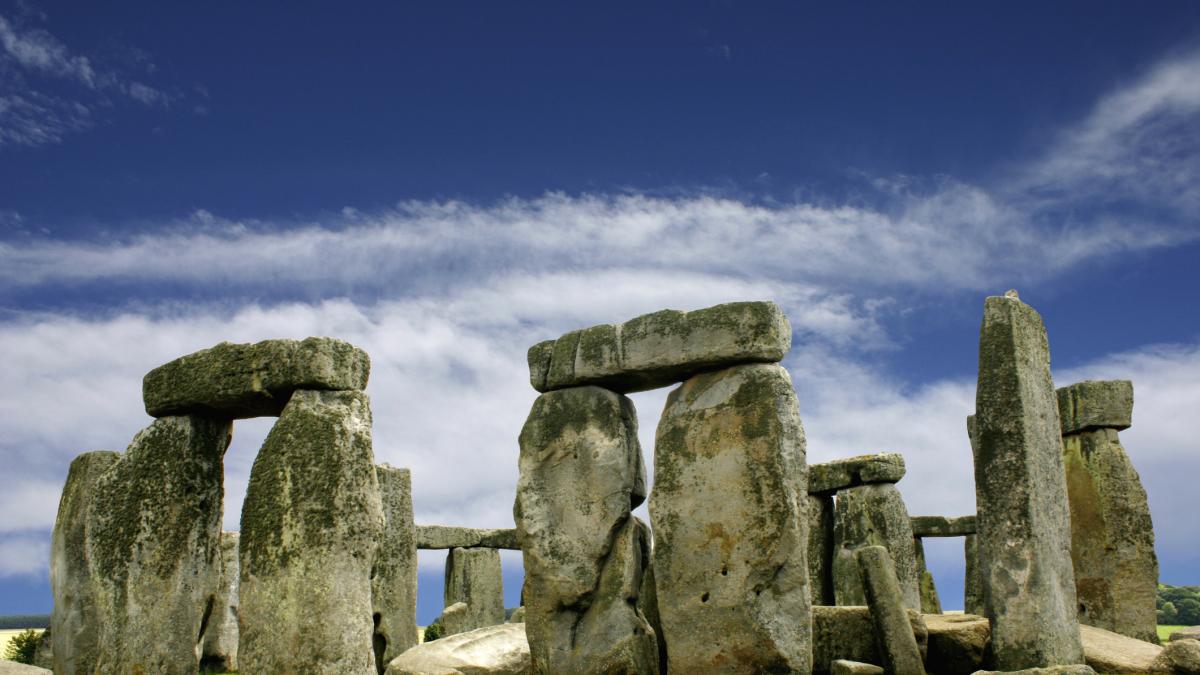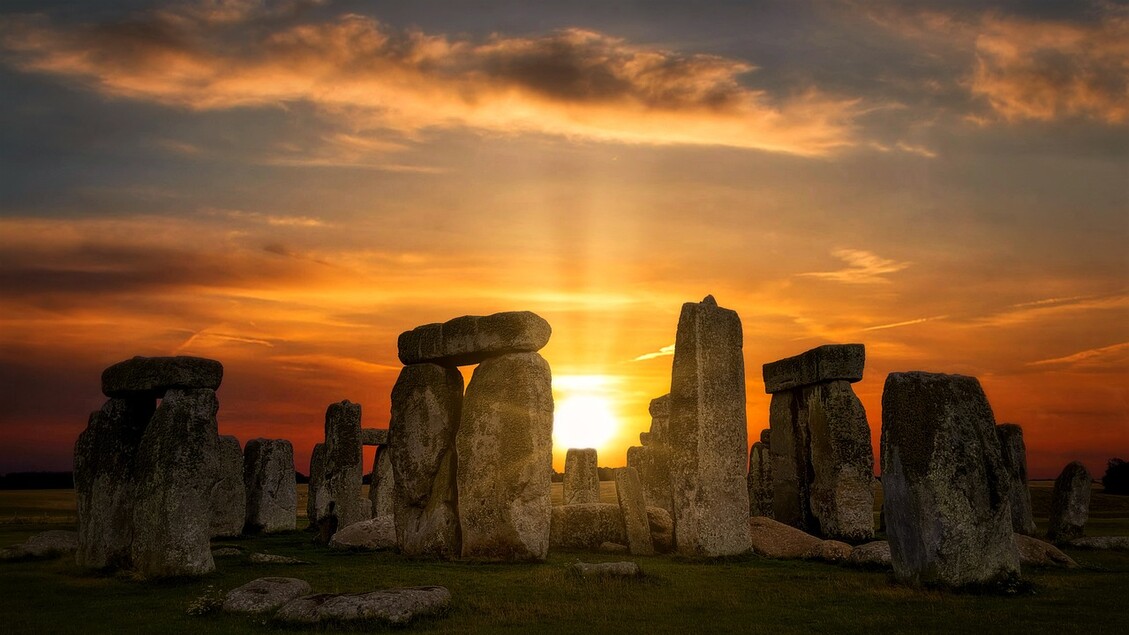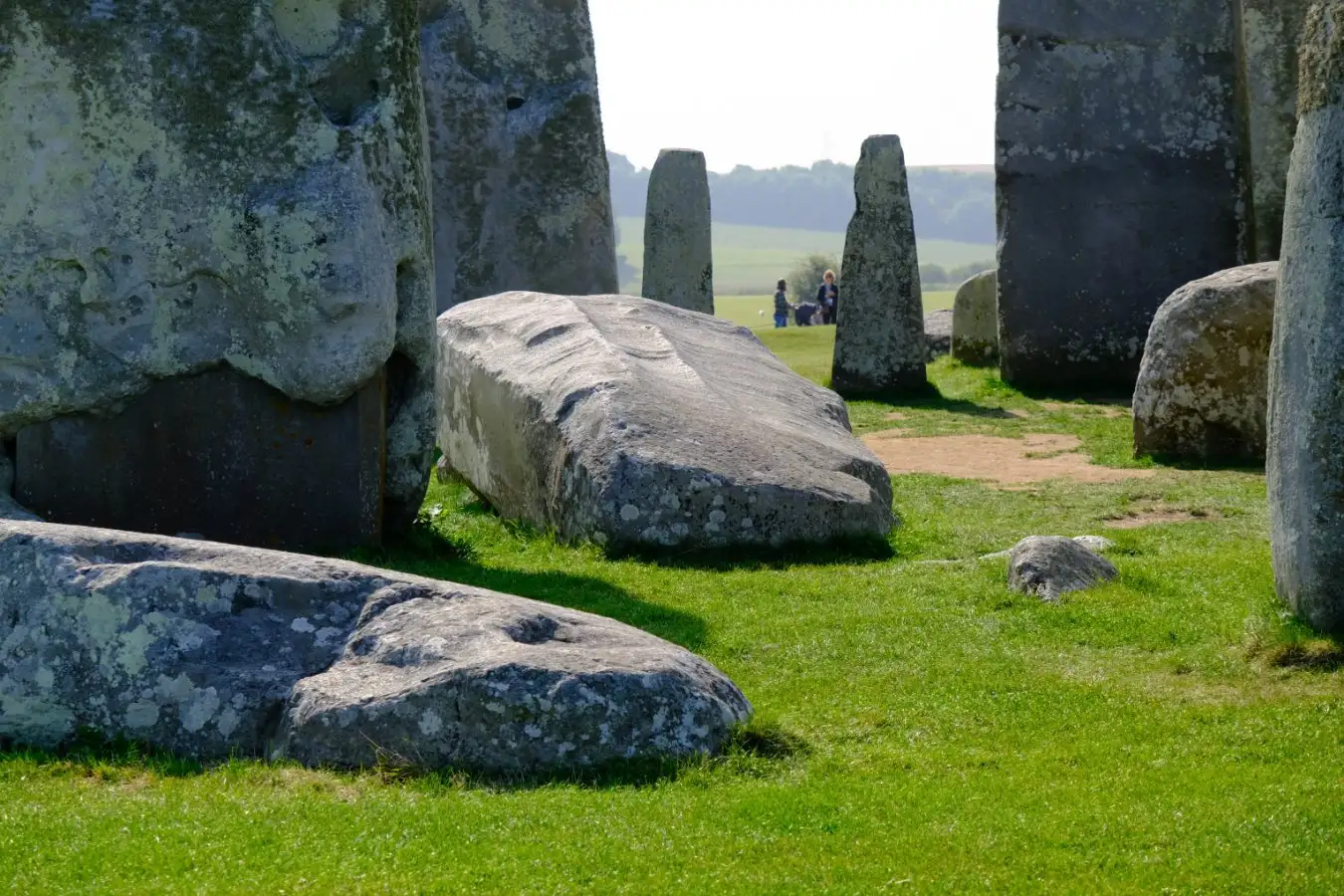
The 5-metre-long altar stone lies mostly buried at the centre of StonehengeLaurence Berger/Getty Images
Researchers investigating the origins of Stonehenge’s enigmatic altar stone say it is possible that the 6-tonne rock was carried southwards from Scotland by a glacier – but this hypothesis relies on an unlikely series of events, making it more likely that humans transported it.
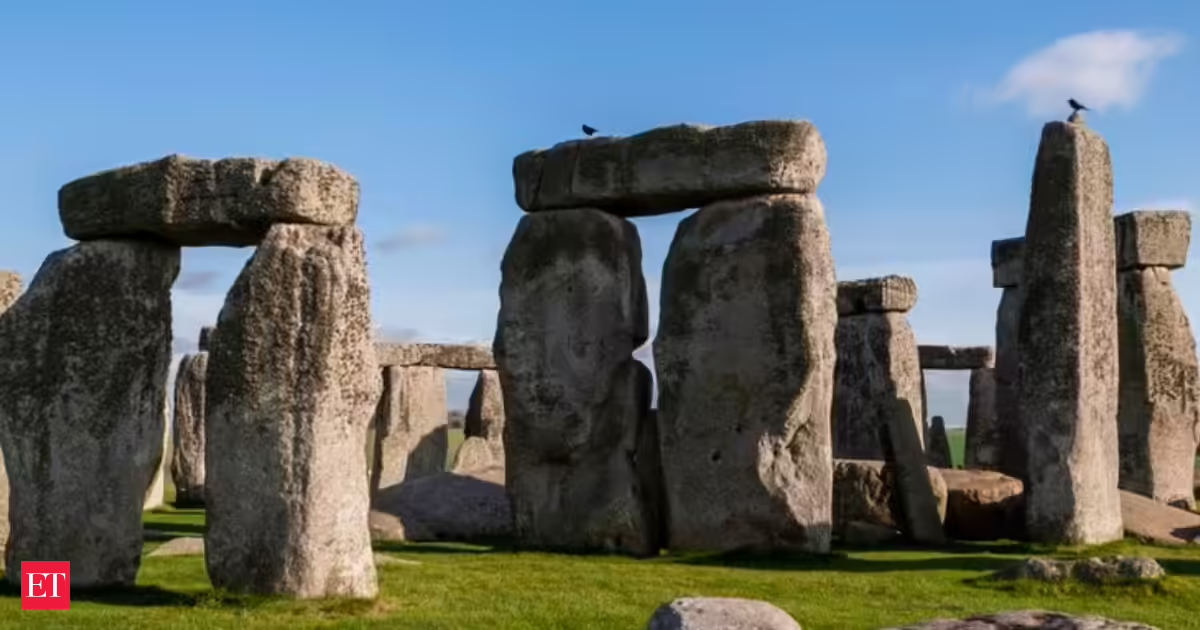
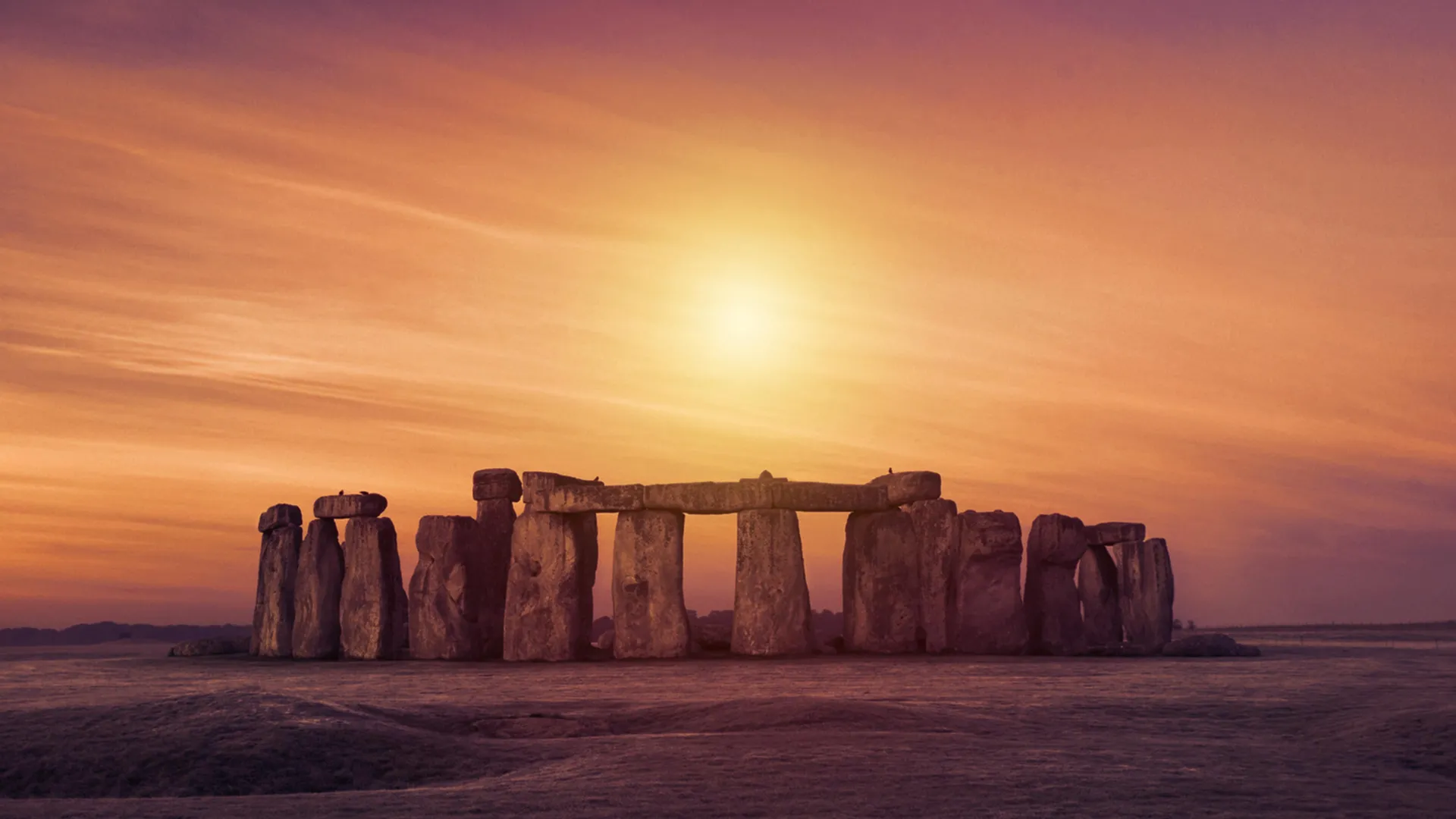
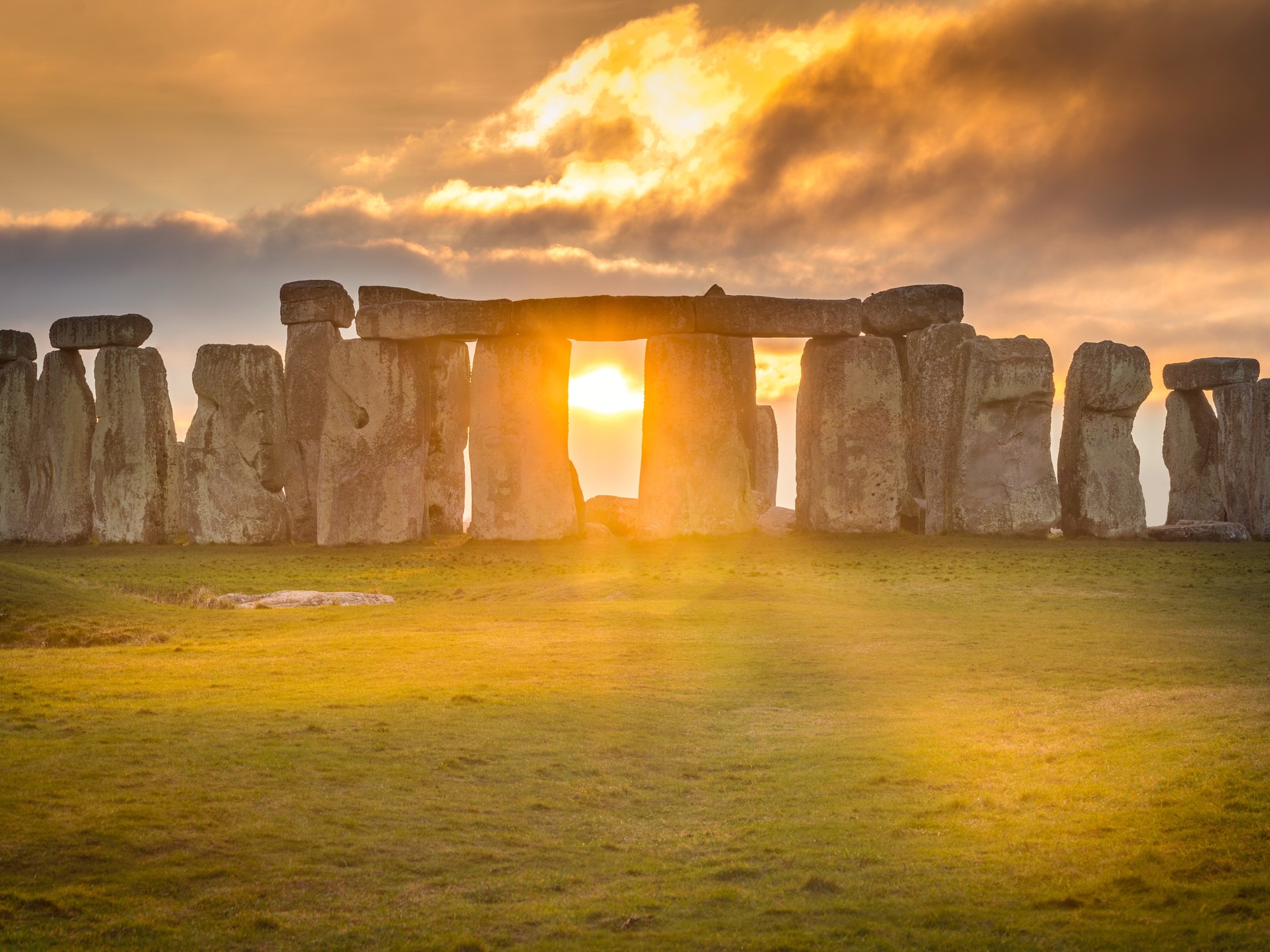
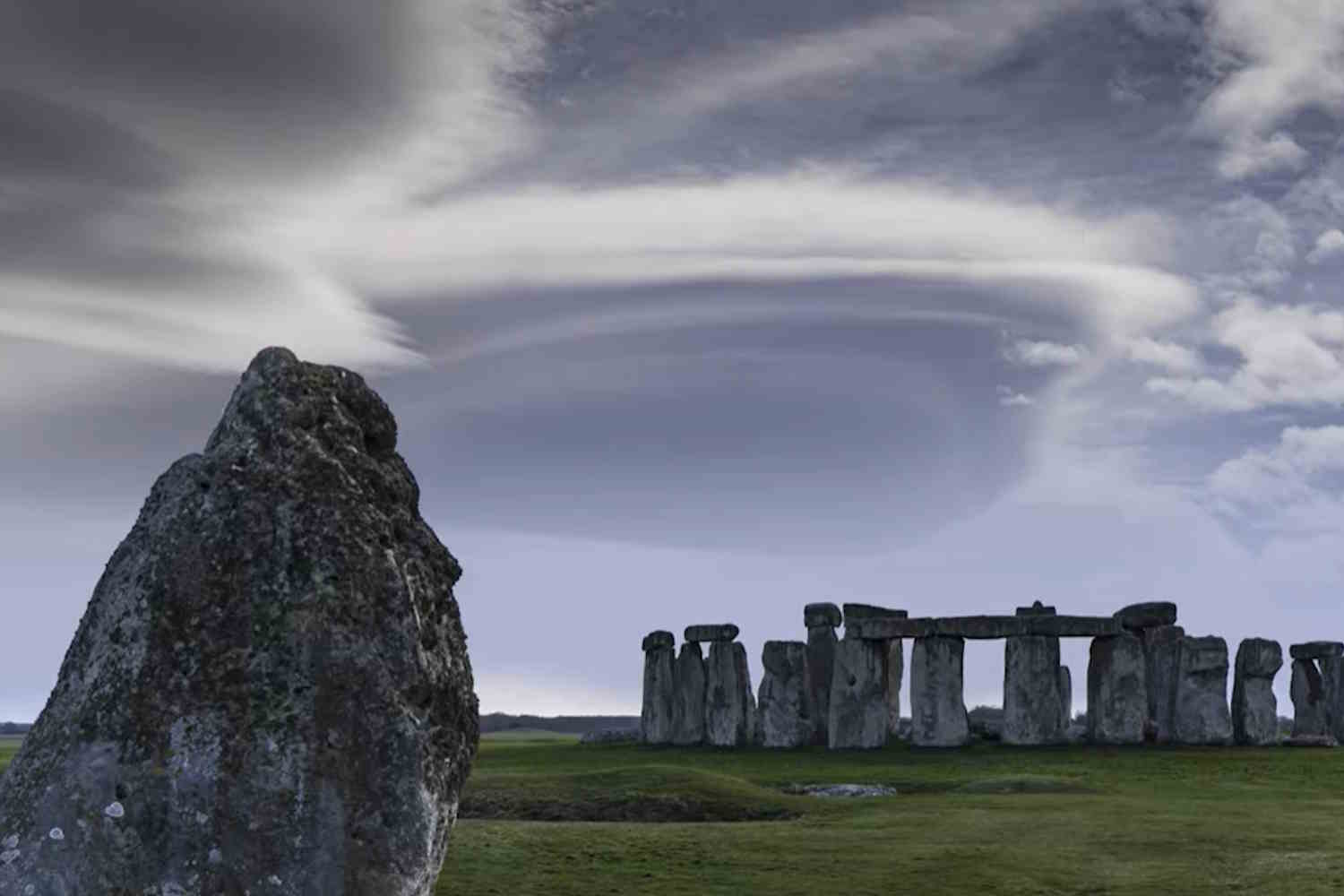
The 5-metre-long monolith, which is partially buried and overlain by two other stones, has been in its present location, at the centre of Stonehenge’s ring of worked boulders, for around 4500 years.
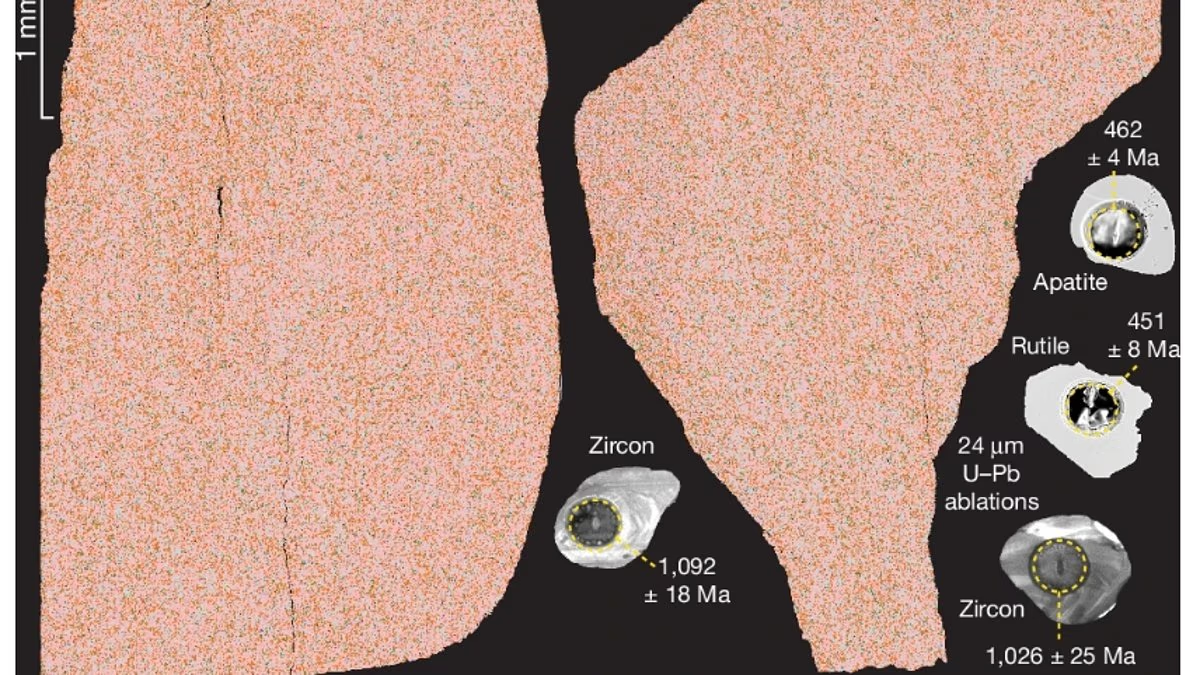
In 2024, researchers including Anthony Clarke at Curtin University in Perth, Australia, determined that the altar stone came from north-east Scotland, based on the chemistry of the rock.
“The altar stone is a sandstone – you can imagine grains of sand at the beach that have been squished together,” says Clarke. “We can get an age and the chemical composition for each of those grains and build up a fingerprint, which we can then forensically compare to other rocks throughout the UK and Ireland.”