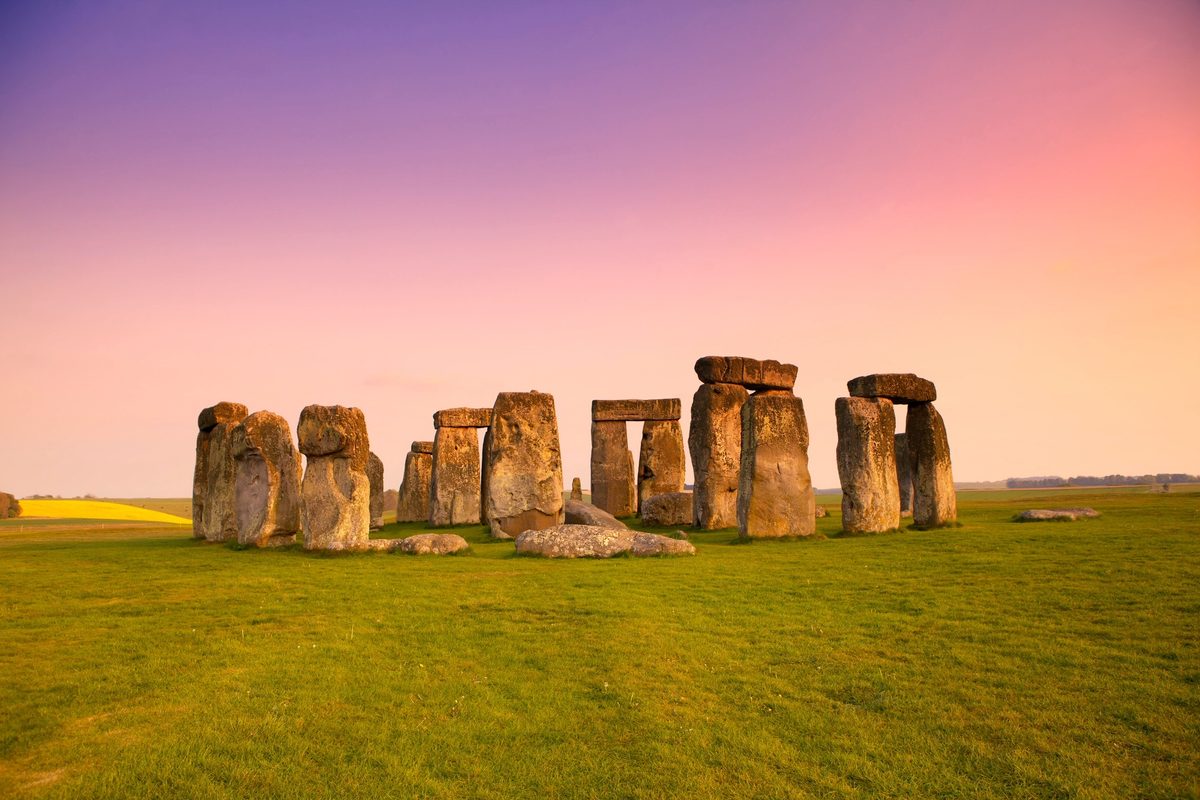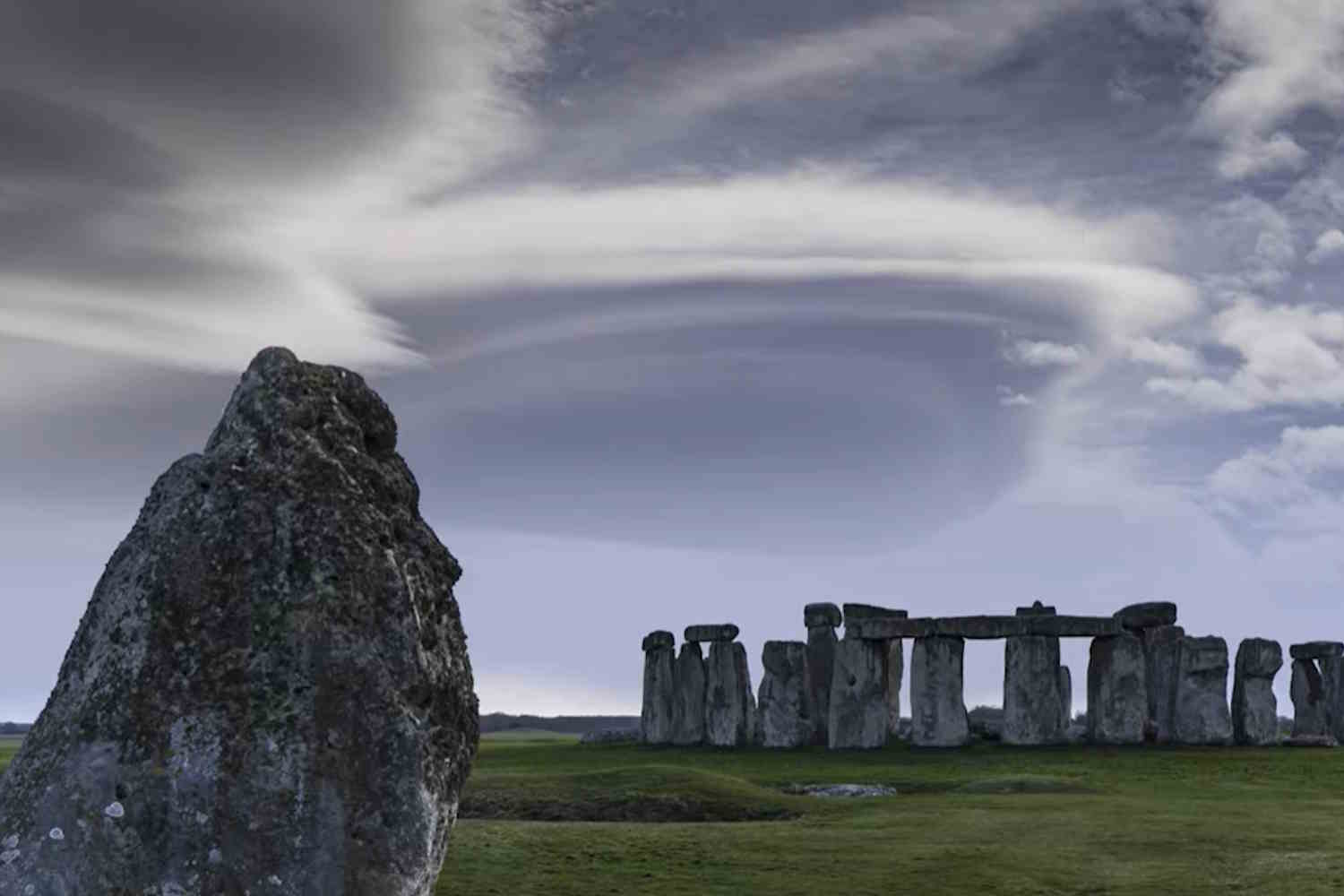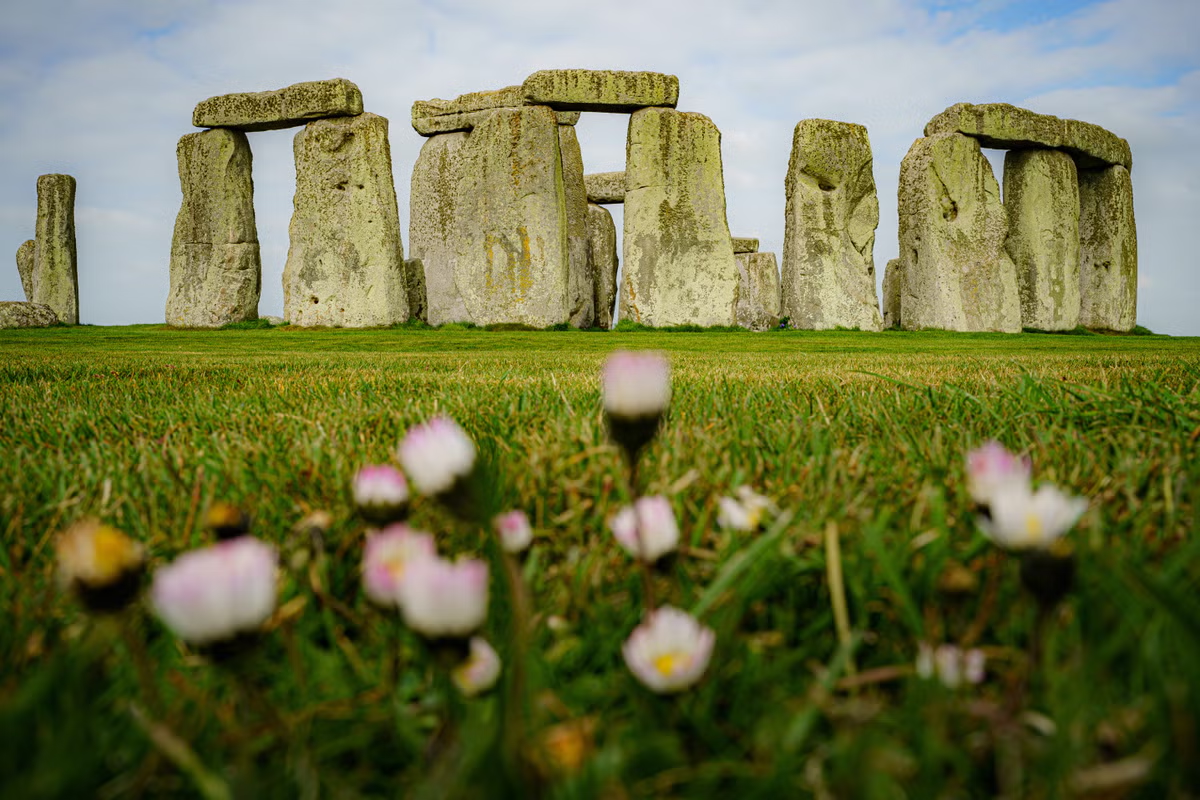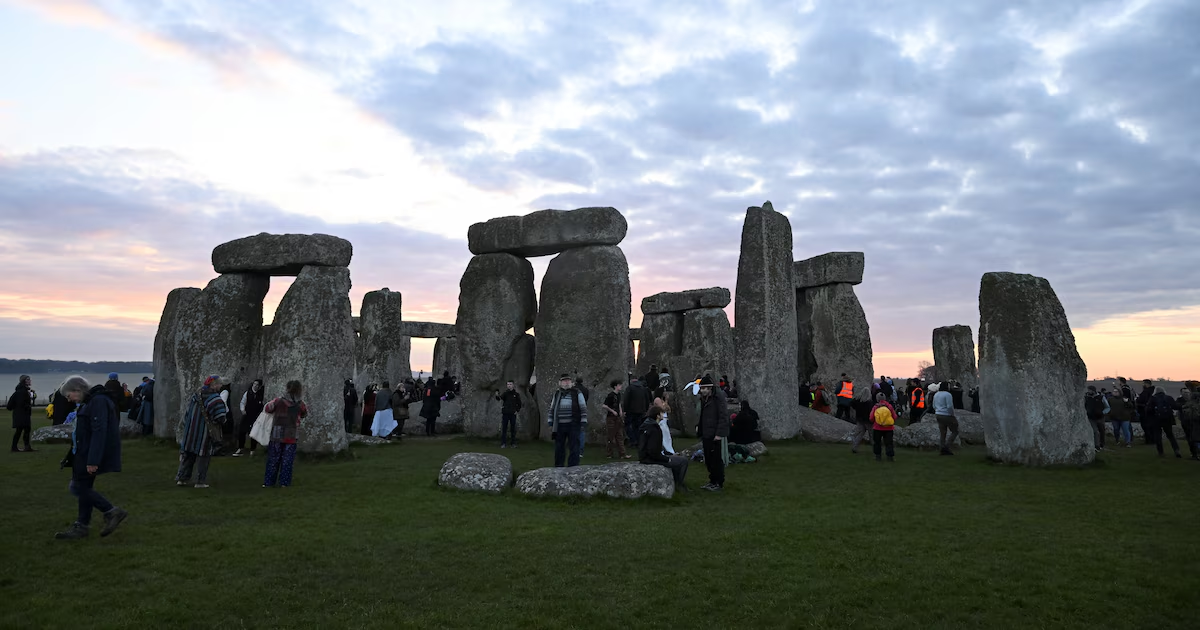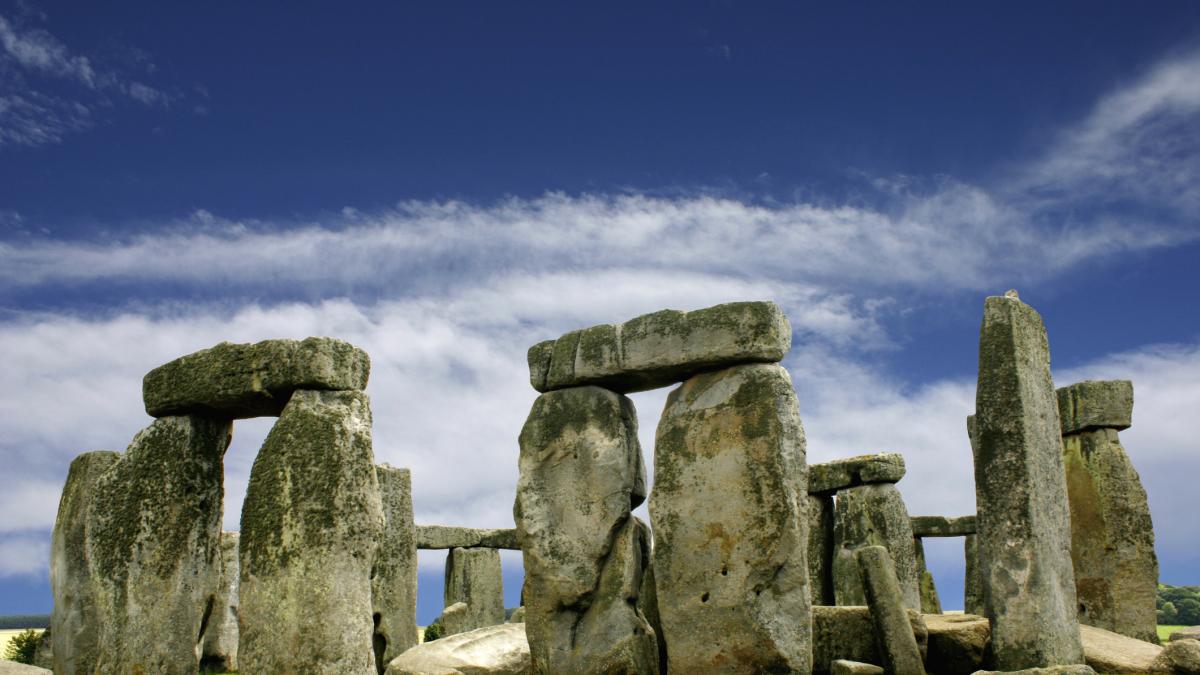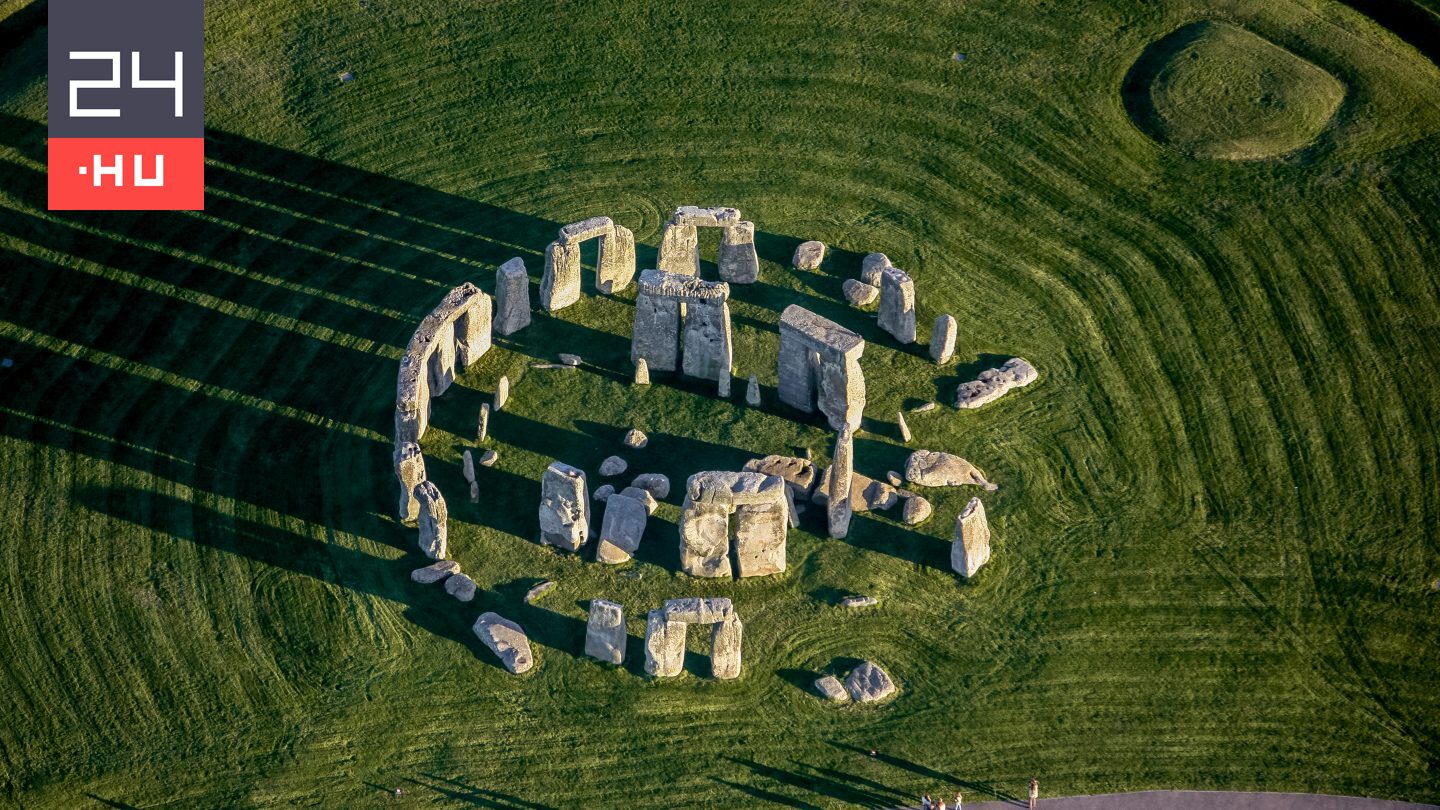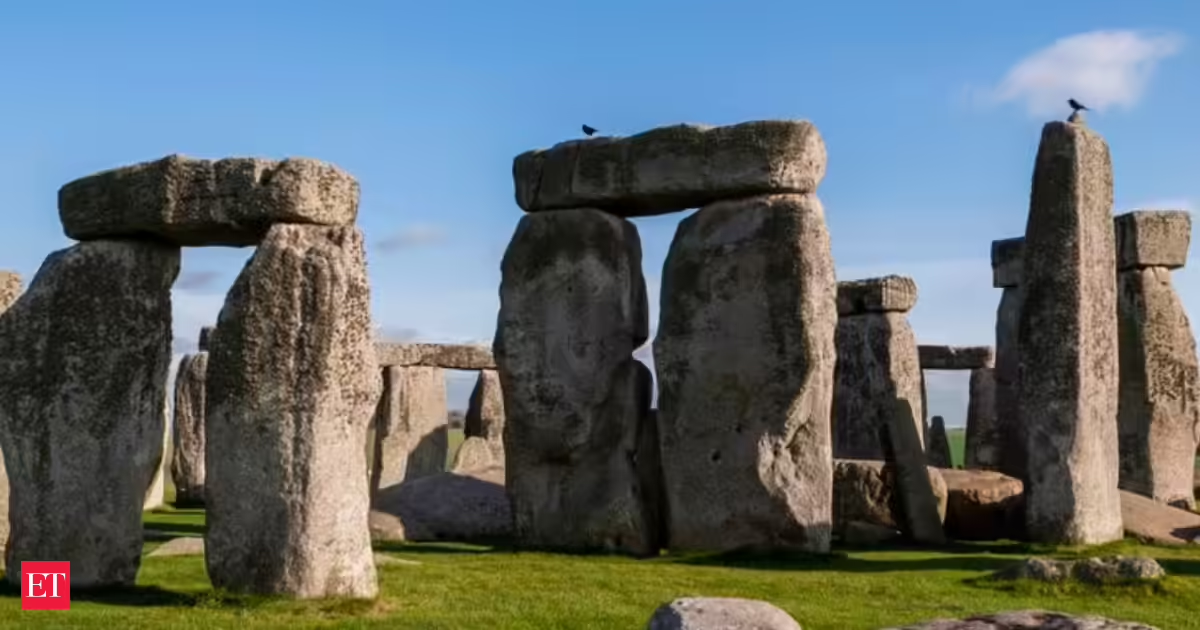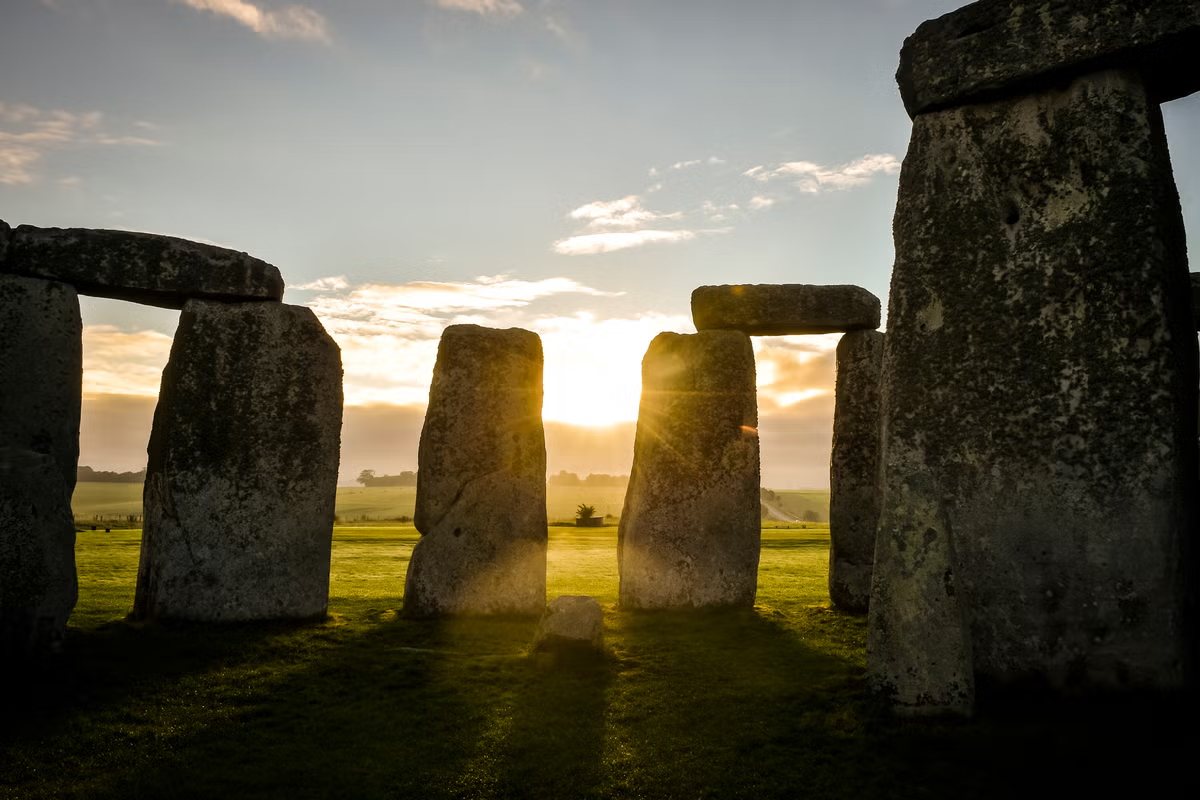
A new study led by researchers at Curtin University offers fresh insight into one of Stonehenge's most enduring mysteries: how a massive stone made its way across Britain to become part of the famous monument.
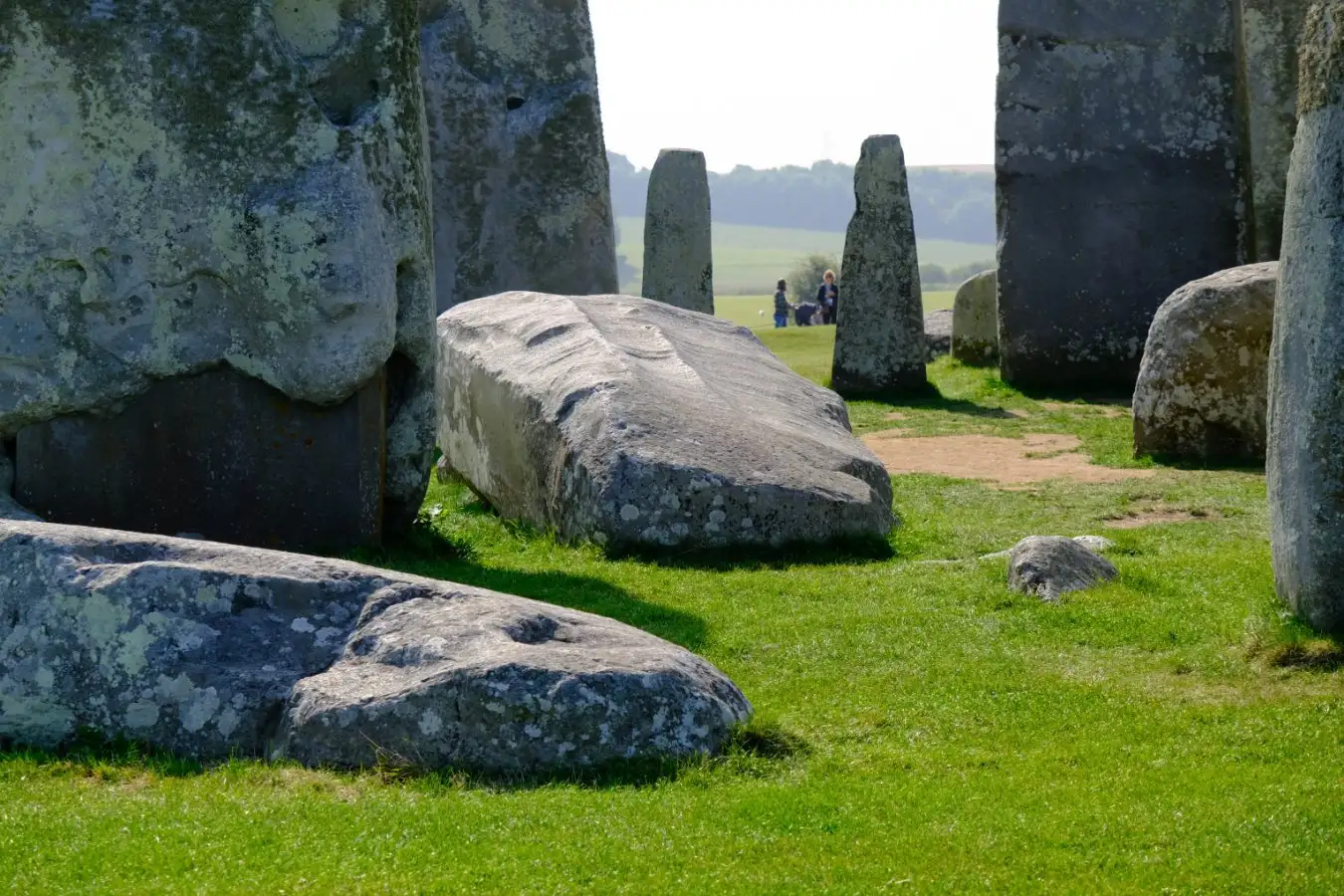
The focus of the research is the Altar Stone, a six-ton sandstone megalith located at the center of Stonehenge. Previous work suggested the stone originated in northeast Scotland, roughly 700 kilometers (435 miles) from Salisbury Plain, making its presence at Stonehenge one of the most remarkable examples of long-distance transport in prehistoric Europe.
The latest findings strengthen the idea that ancient people, not natural forces, were responsible for moving the enormous stone across challenging terrain.
Tracing the Altar Stone's Ancient Journey
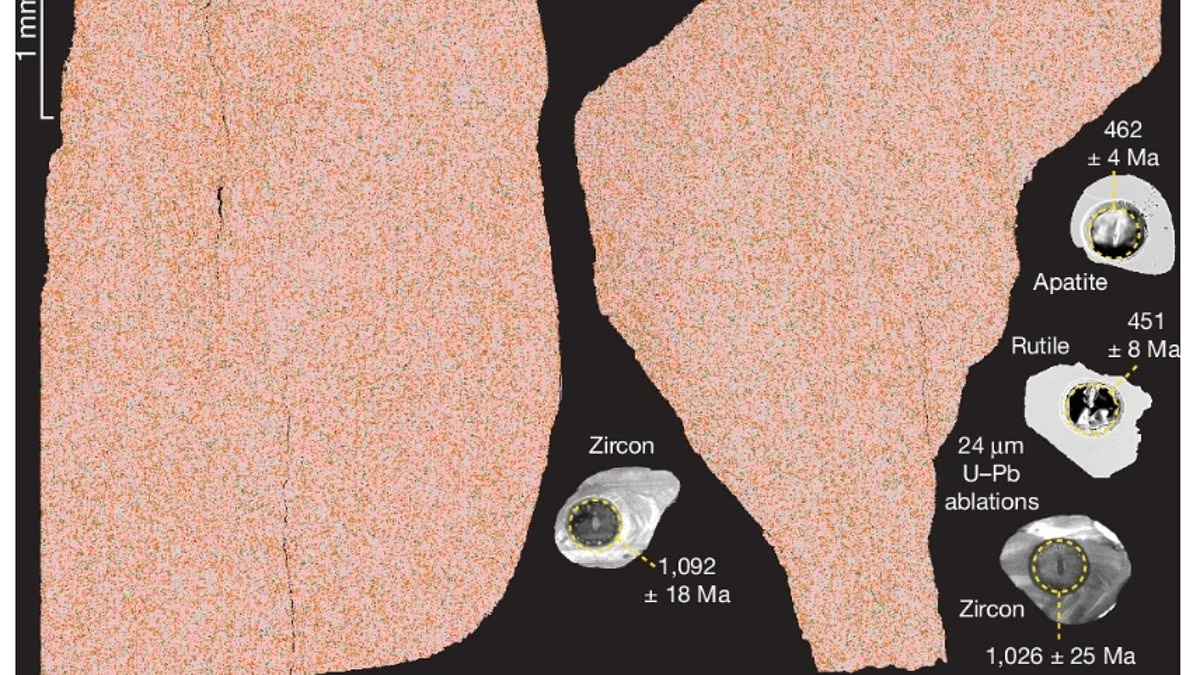
The study builds on earlier research that ruled out glaciers as the primary means of transporting the stone. To further investigate, scientists combined mineral grain dating techniques with computer models of ancient ice sheets. Their goal was to determine exactly where the stone came from and whether glaciers could have carried it southward during the last Ice Age.