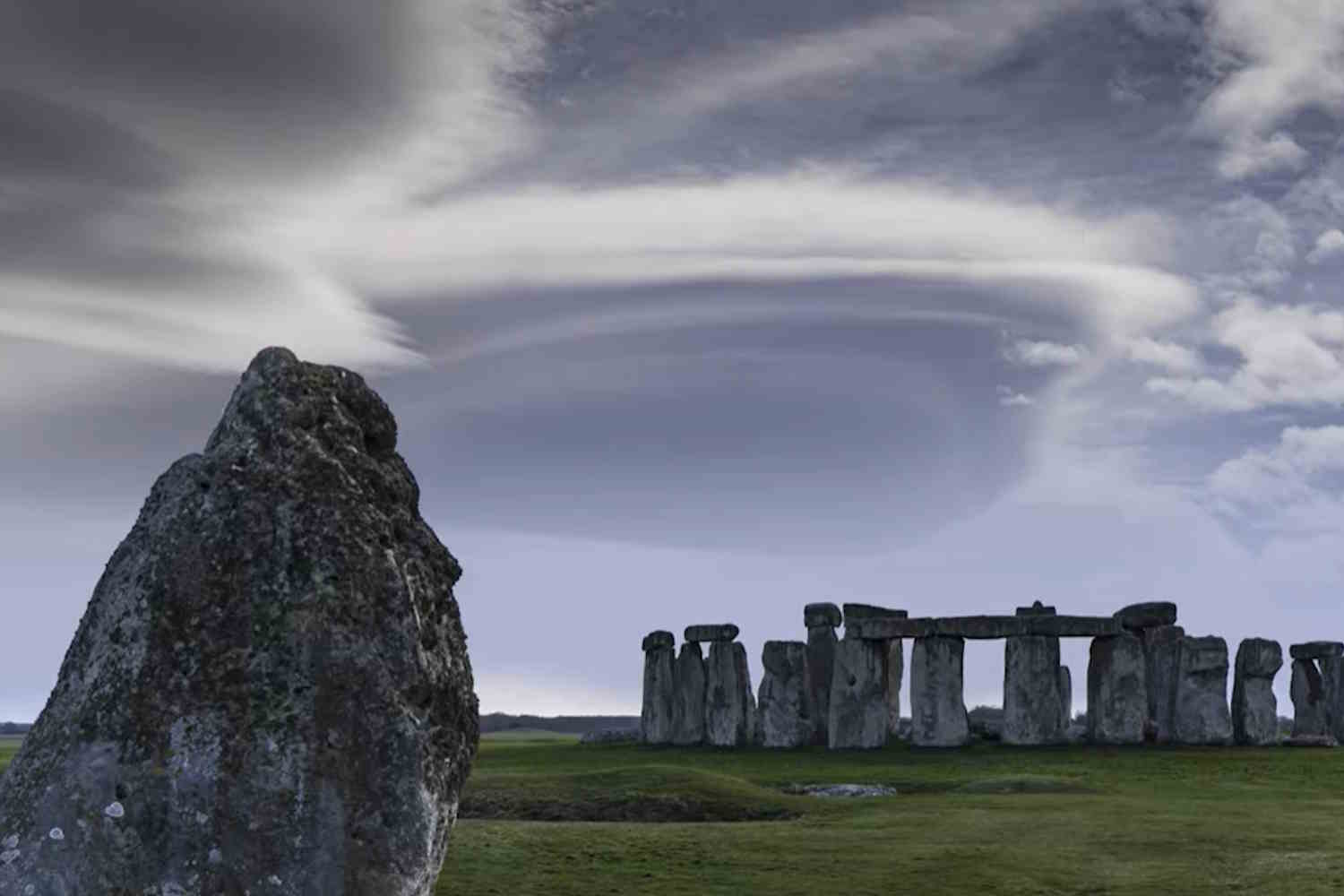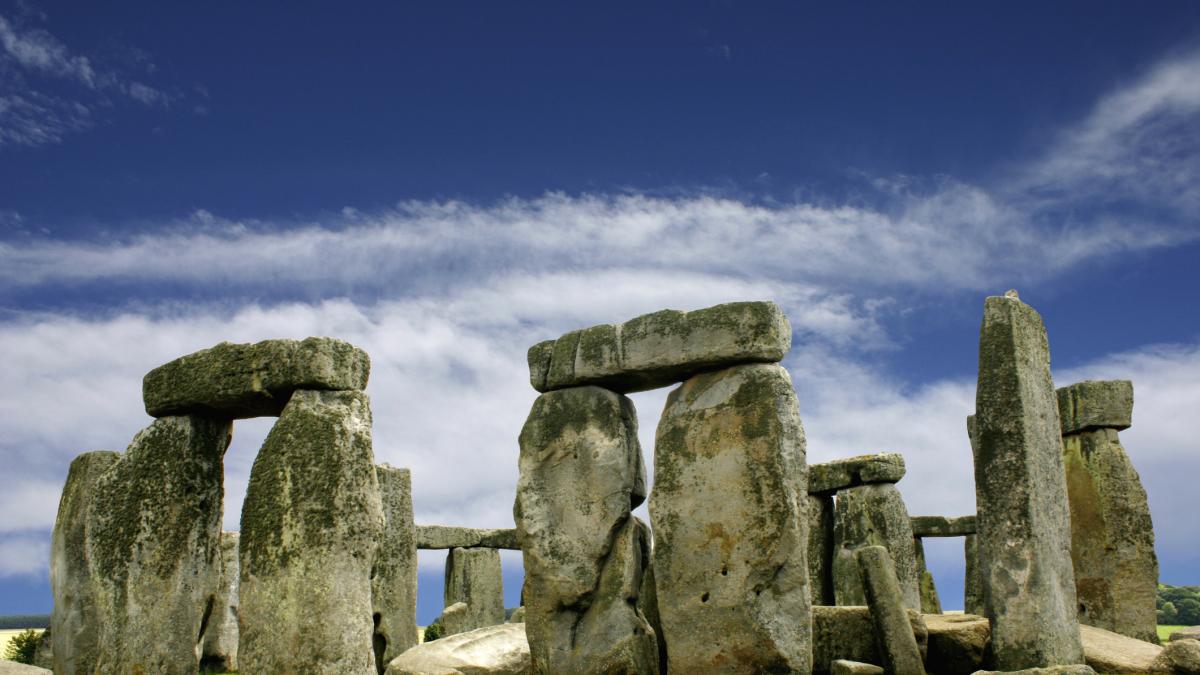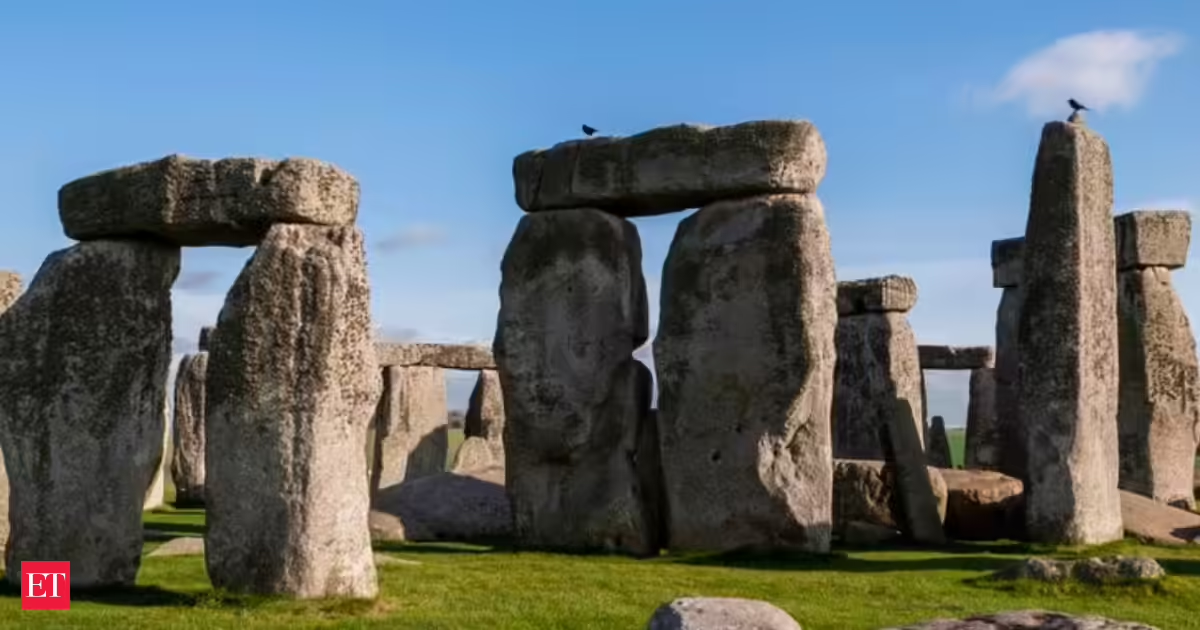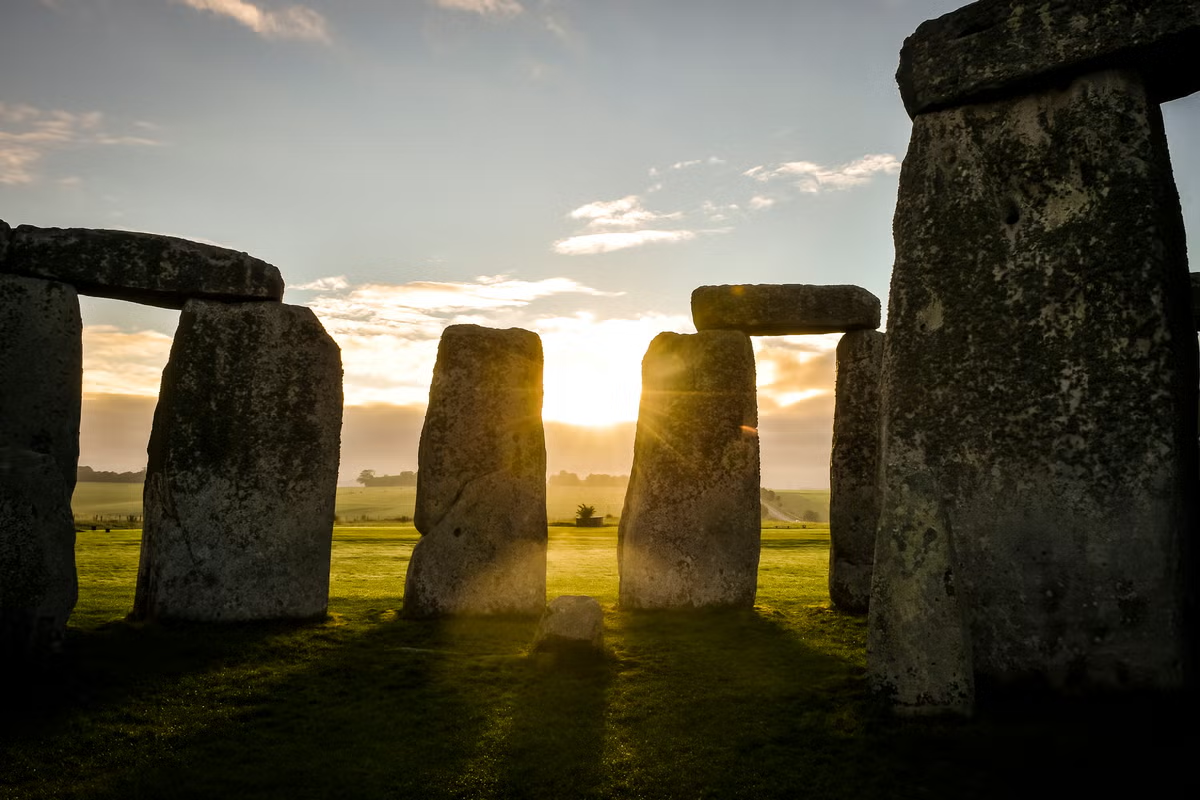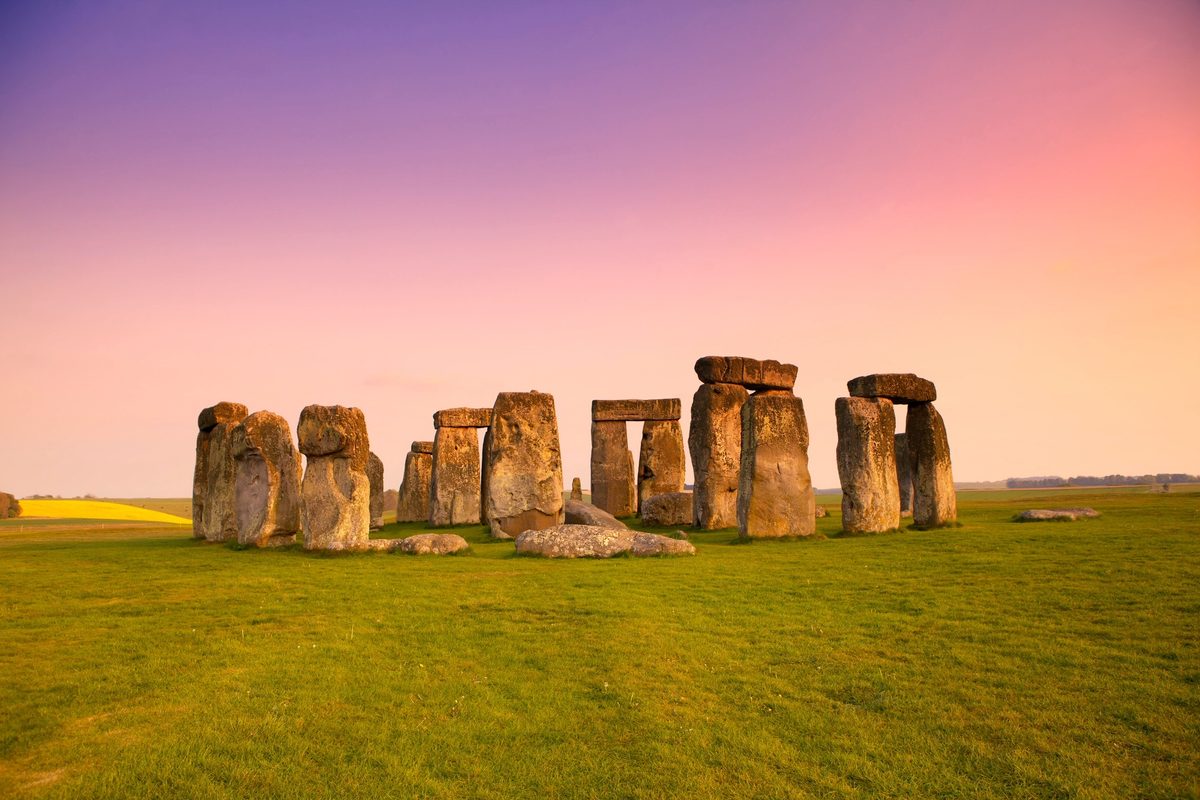
One of Stonehenge’s enduring mysteries is how its Altar Stone made the 700km (435-mile) journey from Scotland to southern England. Now, researchers think they may have part of the answer: a glacier helped transport it.
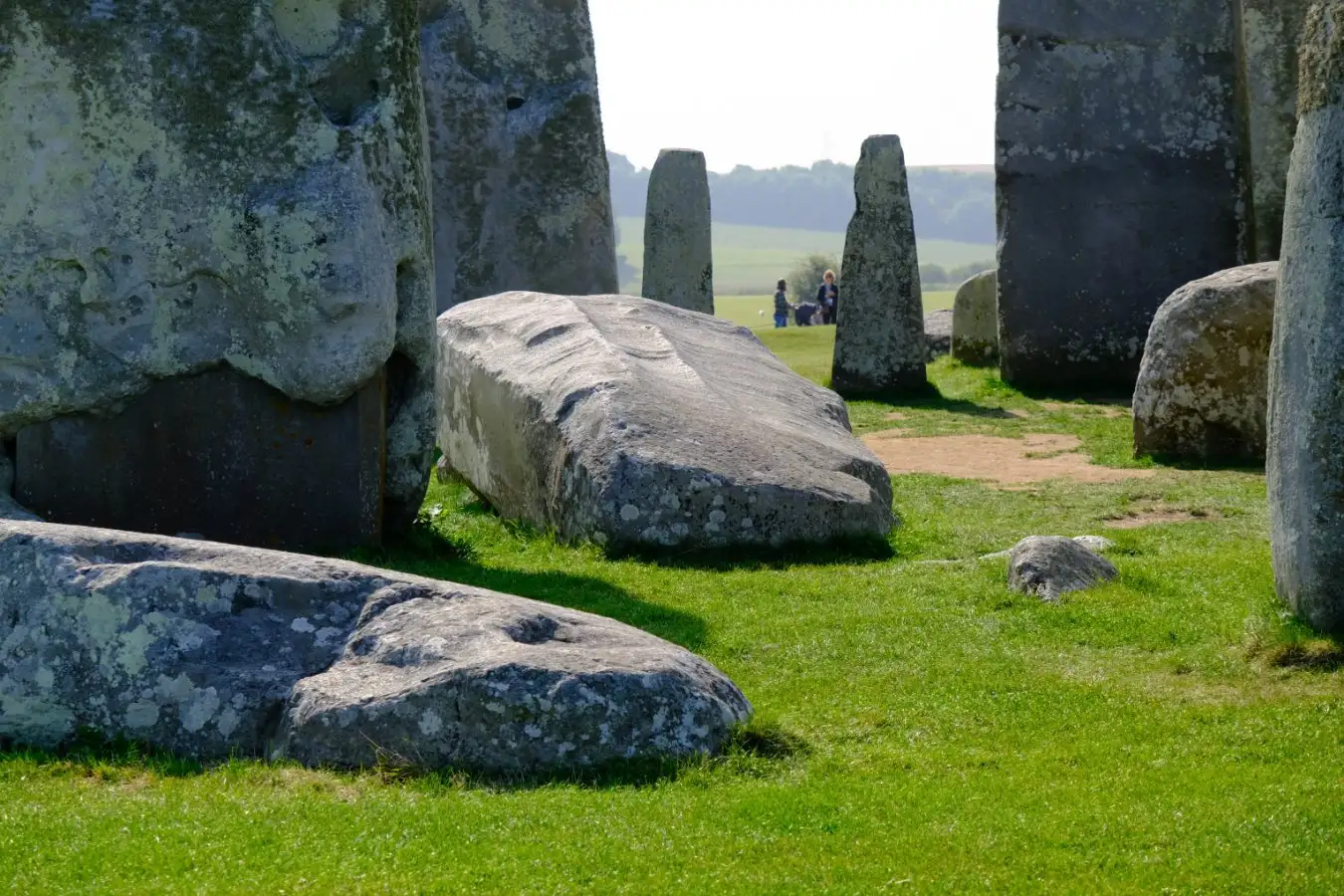
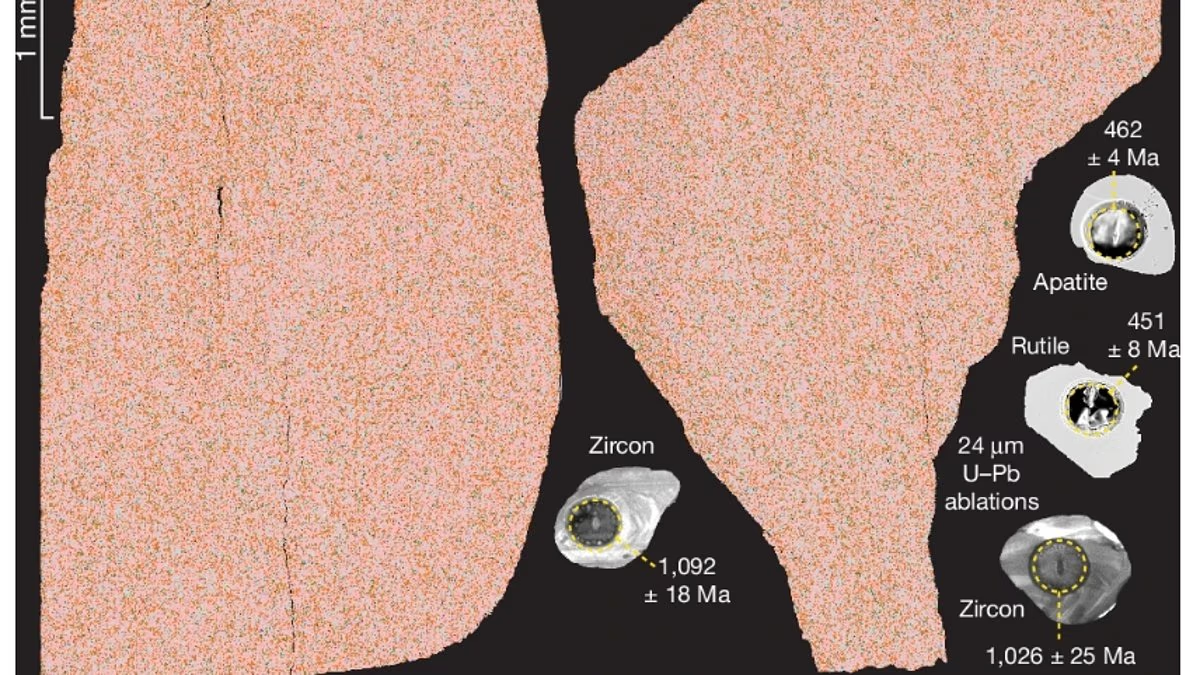
The massive six-tonne sandstone slab lies at the centre of the monument and is thought to have arrived on Salisbury Plain around 5,000 years ago. Previous studies traced the stone’s origins to northeast Scotland, but left unanswered how it covered such a vast distance.
After studying ancient ice flows, scientists at Sheffield Hallam University and Curtin University in Australia believe a glacier carried the Altar Stone from the Orcadian Basin in northeast Scotland to Dogger Bank during Britain's last ice age, between 33,000 and 11,700 years ago.
Dogger Bank, now submerged beneath the North Sea, once formed part of Doggerland – the vast prehistoric landmass that connected Britain to mainland Europe. Because the area contains no natural source of large stones, any boulders found there must have been carried in by glaciers.
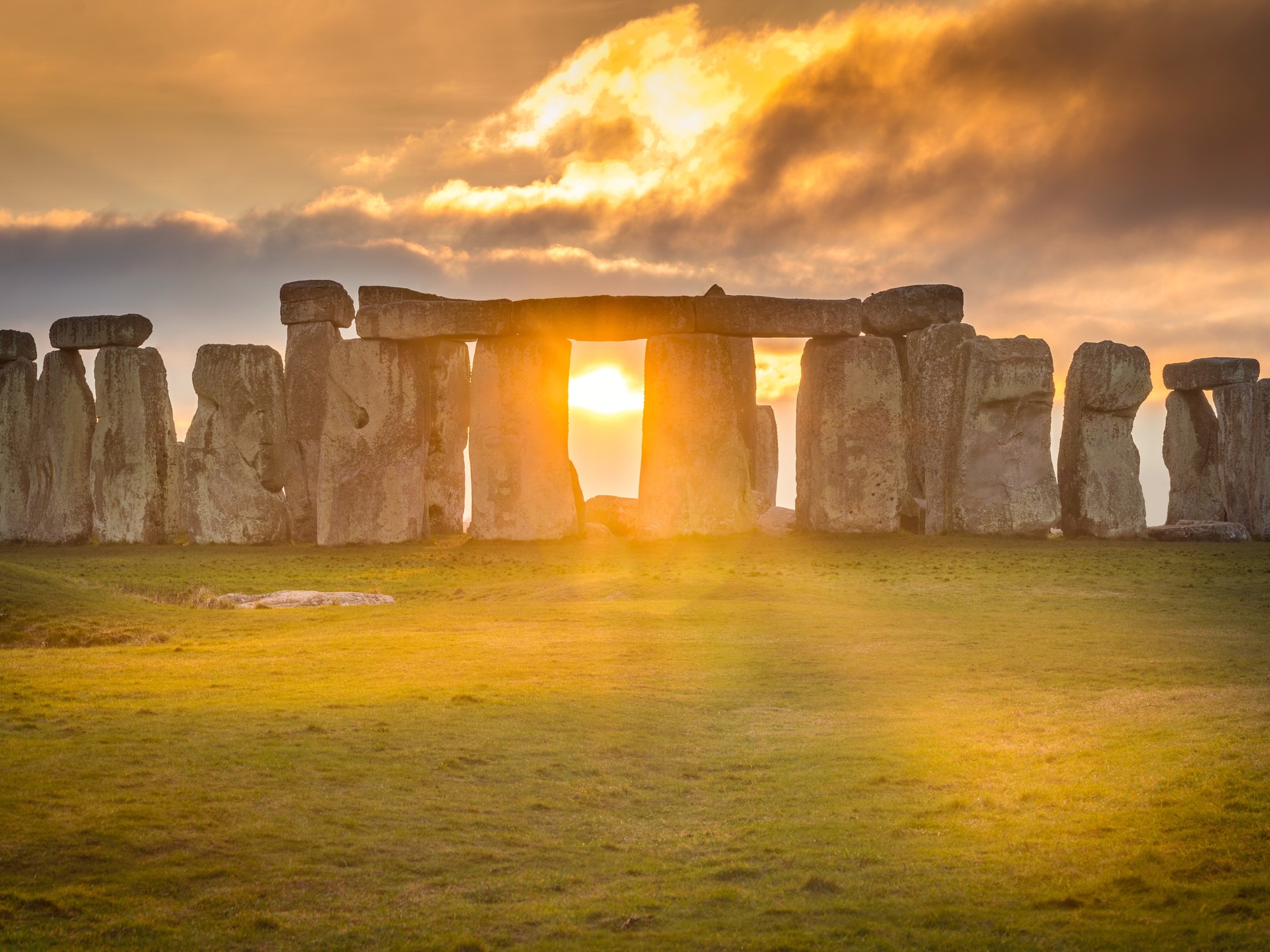
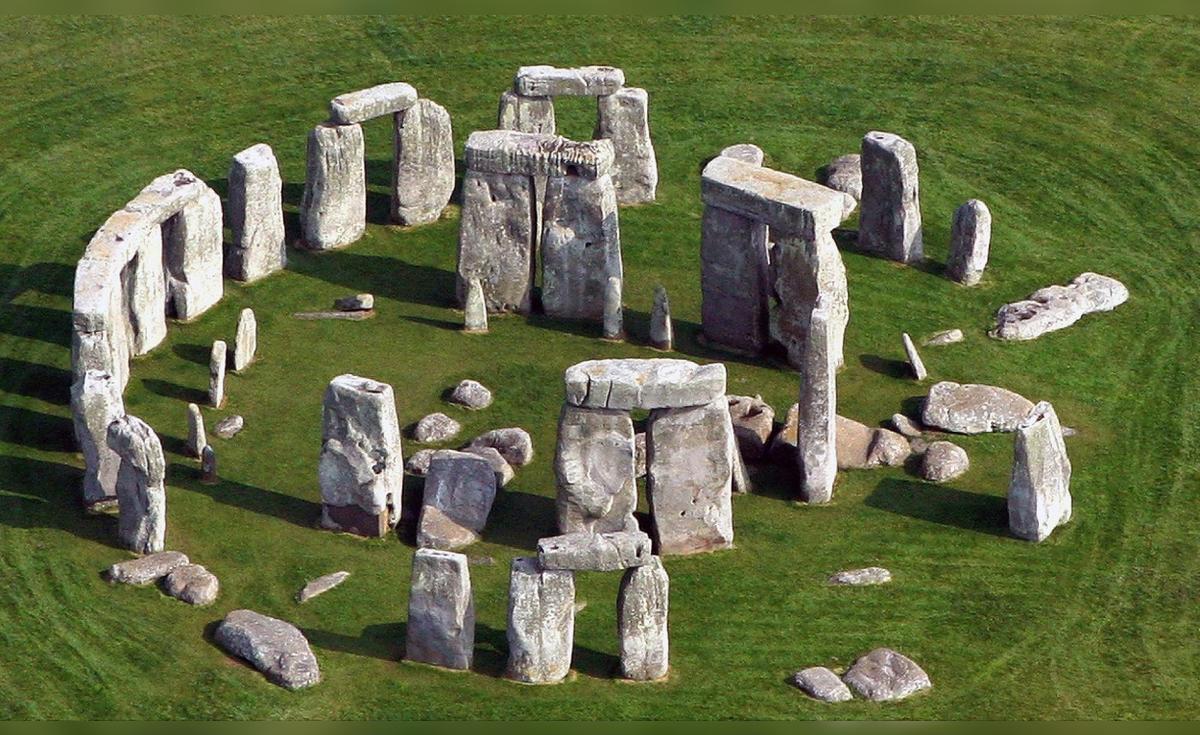
Stonehenge, as seen from above